Reading Time: 15 Minutes
Difficulty Level: Beginner to Intermediate
Reviewed By: FinanceInfoIn Editorial Team
The Day The Dream Hit Reality
You finally get the keys to your new place. You unlock the front door, step inside your completely empty living room, and proudly flip the light switch. Nothing happens. You try the water faucet in the kitchen. Not a single drop comes out. Your phone battery is dying, and when you check for a signal to look up the local power company, you realize you have zero cellular reception inside the house.
I know exactly how this feels because this was my exact situation. Sitting on the floor in the dark, eating a cold slice of pizza, I realized that buying the house was only half the battle. Actually moving in and setting up a functional life requires a completely different level of planning.
When we dream about our first home, we imagine picking out paint colors and arranging furniture. We rarely daydream about calling the internet provider, figuring out how to shut off the main water valve, or paying unexpected connection fees.
These hidden tasks pile up fast. If you ignore them, they will drain your wallet and destroy your peace of mind within the first week.
A lack of planning leads to expensive emergency calls. Calling a locksmith at midnight because you lost the only key the previous owner gave you is a mistake you will pay dearly for. The anxiety of not knowing if your home is secure, or realizing you forgot to change your address for important bills, can turn a joyful milestone into a stressful nightmare.
This guide is designed to stop that from happening. We are going to walk through the practical, no-nonsense steps you must take to protect your investment and keep your sanity intact.
Table of Contents
- The Day The Dream Hit Reality
- Activating The Invisible Essentials Early
- Securing Your New Property Immediately
- Navigating The Financial Aftershock
- Tackling Hidden Maintenance Red Flags
- The Smart Way to Furnish Empty Rooms
- The Honest Pros and Cons of DIY Moving
- Taking Care of the Legal Paperwork
- Final Preparation Thoughts
Quick Summary
Moving into your first home requires immediate action on things you cannot see, like utilities and internet setup. Changing locks and updating your address should happen on day one to protect your privacy and mail. Budgeting for unexpected repairs and pacing your furniture purchases will save you from immediate debt. Finally, understanding the real costs of homeownership protects your emergency fund.
Key Takeaways
- Always transfer utilities at least two weeks before your official move-in date.
- Do not trust the old locks; change them the moment you get the keys.
- Create a dedicated emergency fund specifically for home maintenance.
- Never buy all your furniture at once; live in the space first to understand your actual needs.
- Test every single smoke detector and locate your main water shut-off valve on the very first day.
Activating The Invisible Essentials Early
Most first-time buyers are so focused on packing boxes that they completely forget about the invisible services that make a house livable. You need electricity, water, gas, and internet functioning the moment you step through the door.
Waiting until moving day to call these companies is a massive mistake. Utility providers often require days or even weeks of notice to send a technician out to a new address. This is especially true for internet service providers.
Call your current providers and schedule a shut-off date for the day after you leave your old place. Then, call the providers for your new area and schedule activation for the day before you move in. You do not want the lights going out while you are still loading the moving truck.
Expert Tip: Take clear photos of the utility meters at your old place before you leave, and do the same at your new home the moment you arrive. This simple step prevents you from being overcharged for someone else's energy usage.
You might assume the city handles everything, but local regulations vary wildly. Some neighborhoods require you to set up private trash collection, while others include it in your water bill.
Securing Your New Property Immediately
You have no idea who still has a key to your new home. The previous owners might have given spare keys to their babysitter, their dog walker, their parents, or their neighbors.
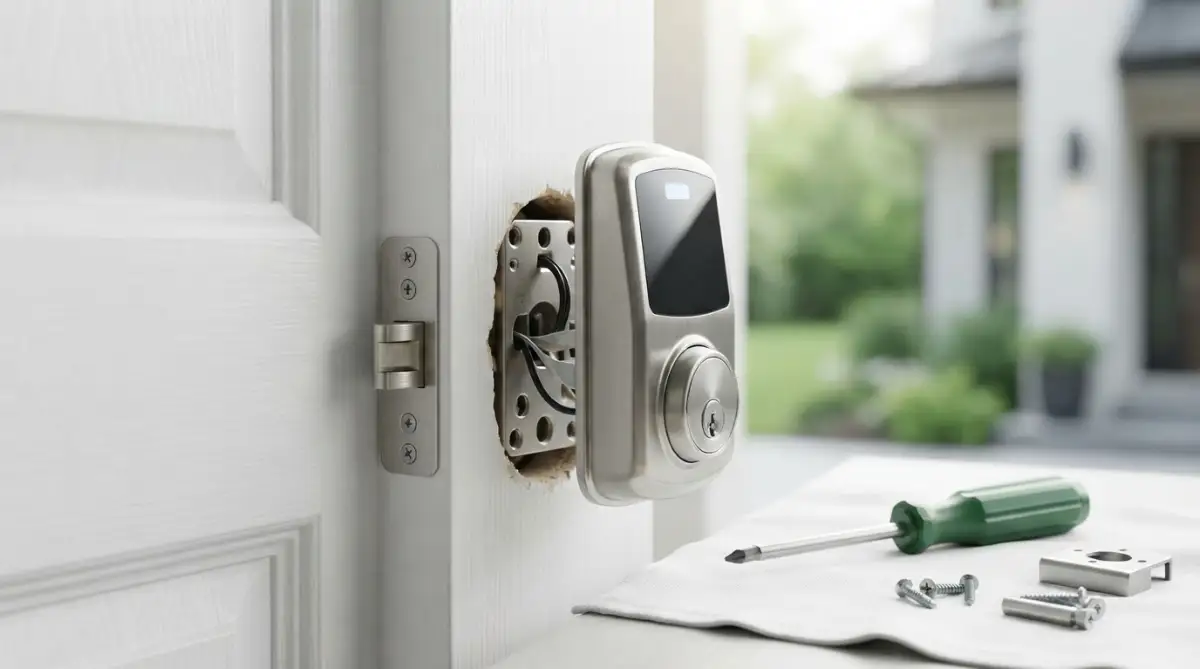
Sleeping in a house with old locks is a massive security risk. Your absolute first priority, before bringing a single box inside, is changing the exterior locks on all doors. Do not forget the side door to the garage or the sliding glass door in the back.
You do not necessarily have to replace the entire handle hardware if you are on a tight budget. You can simply hire a locksmith to re-key the existing cylinders, which is much cheaper.
I learned this the hard way during my own move.
Pro Tip: I decided to change my own locks to save money, but I bought the wrong size deadbolt for the front door. I spent three hours frustrated, with my front door completely disassembled, until I finally had to call an emergency locksmith anyway. If you are not handy, just hire a professional from the start.
Do not forget to reprogram the garage door opener as well. Most systems have a simple "learn" button that allows you to erase all previous remote codes and sync only yours. Check the window latches on the first floor to ensure they actually lock properly.
Navigating The Financial Aftershock
The financial bleeding does not stop at the closing table. In fact, for many new homeowners, that is just the beginning.
You will face immediate expenses you never planned for, from buying lawn equipment to restocking every single condiment in your kitchen. First-time buyers often drain their savings for the down payment, leaving nothing left for these initial setup costs.
Let's look at a real-life math scenario to understand how quickly these costs add up.
Imagine a buyer named David. David just spent all his savings on a down payment and has exactly $2,000 left in his checking account. He decides to spend $1,500 on a new living room couch because he wants the house to look nice for guests.
Two days later, the hot water heater completely fails. A plumber quotes him $1,200 for a replacement. Because David spent his cash on furniture, he now has a negative balance. He is forced to put this emergency repair on a credit card with a 24% interest rate, instantly starting his homeownership journey in bad debt.
The smartest move is to hold onto every spare dollar for the first three months. Let the house reveal its secrets before you spend money on cosmetic upgrades. Window blinds, trash cans, shower curtains, and light bulbs alone can cost hundreds of dollars during the first week.
Tackling Hidden Maintenance Red Flags
When you rented an apartment, a broken pipe meant calling the landlord. Now, you are the landlord, and the repair bill is entirely your responsibility.
You need to locate the main emergency shut-off valves for water, gas, and electricity on day one. If a pipe bursts in the kitchen, you will not have time to search online for a tutorial. You need to know exactly where the main water valve is and how to turn it off instantly to prevent flooding.
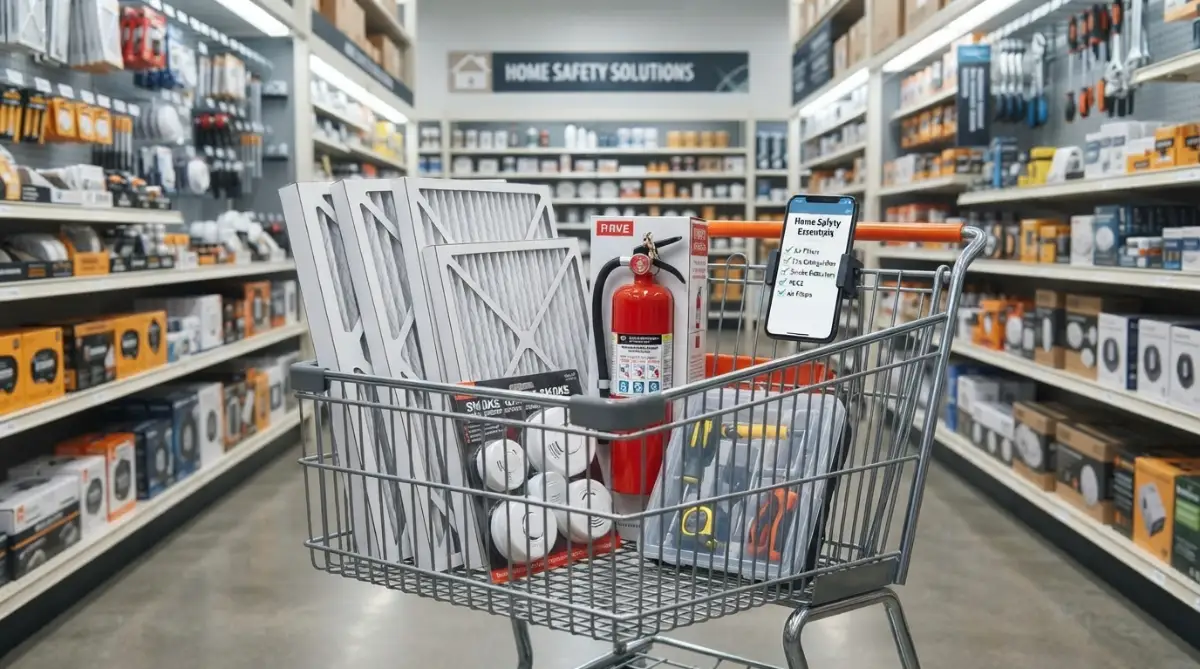
Replace the air filters in your HVAC system immediately. The previous owners likely ignored them during the moving process. A dirty filter forces your heating and cooling system to work harder, driving up your energy bills and risking a system breakdown.
Make sure you test every single smoke detector and carbon monoxide alarm in the house. Buy fresh batteries for all of them, even if the seller claimed they were working perfectly. Safety should never be left to chance.
Find the electrical breaker box and make sure every switch is clearly labeled. If the lights go out in the bathroom, you do not want to flip every switch in the dark guessing which one controls that specific room.
Before trying to fix a major plumbing or electrical issue yourself, take a minute to understand exactly how your home's hidden systems operate.
Many new homeowners get confused between the different types of protection plans available to them. Let's clear up the biggest misunderstanding in real estate protection.
The Smart Way to Furnish Empty Rooms
Walking through empty rooms will trigger a strong psychological urge to buy furniture immediately. You will feel a sudden rush to fill every corner so the house feels "complete."
Resist this urge with everything you have. Buying furniture too quickly usually leads to massive buyer's remorse. You might realize the huge dining table you bought blocks the natural flow of traffic to the kitchen.
Live in the house for at least a month with just the basics. Notice how the natural sunlight hits different rooms throughout the day. Pay attention to which rooms you actually spend the most time in before spending a single dollar on decor.
Start by checking local thrift stores, estate sales, and online marketplaces for high-quality solid wood furniture. Older, second-hand furniture is often built much better than the cheap particle-board items sold at modern retail stores today.
You can easily sand and repaint an old dresser to match your personal style. This saves you hundreds of dollars while giving your home a unique, customized look. Do not rush the process of making the house feel like your own.
Let's look at a quick breakdown of what you actually need right away versus what can wait.
The Honest Pros and Cons of DIY Moving
When budgeting for the move itself, you will face a tough choice. Should you rent a truck and move everything yourself, or pay a professional company to handle the heavy lifting?
This decision heavily depends on your physical health, the distance of the move, and how much large furniture you actually own. Getting your friends to help in exchange for pizza sounds great, but it often leads to scratched walls, broken televisions, and ruined weekends.
Here is an honest look at the advantages and disadvantages of renting a truck and managing the entire moving process yourself.
The Pros:
- You have complete control over how your fragile and sentimental items are packed.
- You will save a significant amount of money compared to hiring a full-service crew.
- You can move at your own pace without worrying about a company's strict arrival schedule.
The Cons:
- Driving a massive moving truck through narrow residential streets is highly stressful.
- You risk severe physical injury if you do not know how to lift heavy appliances properly.
- If you drop and break your own expensive TV, there is no insurance company to reimburse you.
Protecting your floors and walls during the move is just as important as protecting the furniture. Tape thick cardboard over your hardwood floors near the entryway to prevent scratches from heavy boots.
Wrap your staircase banisters in thick moving blankets. One careless turn with a heavy sofa can punch a massive hole in your freshly painted drywall, creating a repair project on your very first day.
Taking Care of the Legal Paperwork
Updating your address is a tedious but necessary task. If you forget to update your address with your bank or credit card companies, you might miss important statements or fraud alerts.
Go to the official postal service website and set up permanent mail forwarding. This catches any mail sent to your old address by friends or subscriptions you forgot to update. The forwarding service usually lasts for a full year, giving you plenty of time to catch stragglers.
Update your driver's license and vehicle registration within the first thirty days. Many states can issue hefty fines if you are pulled over and your ID does not match your current permanent residence. Check your local DMV website for exact deadlines.
Make sure your employer has your new address for tax documents. You do not want your sensitive financial information being mailed to the new tenants at your old apartment. Also, update your address with your health insurance provider to ensure your coverage remains active in your new zip code.
Final Preparation Thoughts
Owning a home is incredibly rewarding, but the transition period requires sharp focus and realistic expectations. You are taking on a massive financial responsibility that extends far beyond the monthly mortgage payment.
Take things one day at a time. The house does not need to be perfect on day one, or even day thirty.
Focus on safety, security, and financial stability first. The decorations, the perfect furniture, and the backyard garden can all wait until you are fully settled. Enjoy the process of turning this empty building into a true home, but protect your wallet every step of the way.
Mastering Your Long-Term Homeowner Routine
Moving boxes and setting up your internet are just the beginning phases of your journey. The real test begins when the initial excitement fades and normal daily life takes over. You are no longer just a resident; you are the property manager, the maintenance crew, and the financial planner for this building.
To keep your property running smoothly, you need to shift your mindset from renter to owner. A renter ignores a slow-draining sink because it is not their problem to fix. As an owner, ignoring a slow drain today means paying a massive plumbing bill next month.
You must establish a proactive maintenance routine immediately. Waiting for things to break is the most expensive way to manage a property. If you want to avoid the true cost of your first home, you need to stay ahead of the natural wear and tear.
Start by creating a dedicated home binder. Buy a thick folder and store every single manual, warranty document, and service receipt for your appliances. When the refrigerator suddenly stops cooling, you will not have to guess its model number or search frantically for the warranty expiration date.
Another highly effective habit is learning the exact sounds of your house. Spend your first few quiet evenings simply listening. Notice how the heating system sounds when it turns on. Pay attention to the water pressure in the shower. When you know what normal sounds like, you will instantly recognize when a motor starts grinding or a pipe starts hissing.
Here is a simple breakdown of how to divide your seasonal tasks so they do not feel overwhelming.
Pro Tip: Buy a label maker and attach a physical tag to every single switch in your electrical breaker box. Do not trust the messy handwriting of the previous owner. Knowing exactly which switch controls the kitchen island will save you hours of frustration when an outlet trips.
Understanding these basic systems gives you total control over your living space. You will stop feeling intimidated by the mechanics of the house and start feeling confident in your ability to maintain it.

The Hidden Traps First-Time Buyers Fall Into
Making a mistake as a renter usually just costs you your security deposit. Making a mistake as a homeowner can cost you thousands of dollars and months of extreme stress.
One of the biggest financial traps new buyers fall into is treating their home equity like a personal ATM. Just because your property value goes up slightly does not mean you should immediately borrow against it to fund a lavish vacation. You are simply putting your living situation at risk.
Another massive error is ignoring the minor warning signs to spot in a home inspection report after moving in. Buyers often feel so relieved that the deal closed that they throw the inspection report in a drawer. That document is literally a cheat sheet of everything that will break in the next few years.
Common Mistakes That Destroy Budgets
- Hiring the very first contractor you find online without getting at least three written estimates for a repair.
- Assuming standard insurance covers flood damage. Water damage from the sky is treated very differently than water rising from the ground.
- Rushing to renovate the kitchen or bathroom before living in the space to see how it actually functions.
- Planting large trees too close to the foundation, which will eventually destroy your plumbing lines with intrusive roots.
You have to protect yourself from bad advice. Friends and family will offer plenty of suggestions, but you need to separate facts from fiction.
Ignoring the hidden expenses of homeownership is the fastest way to end up house-poor. You must anticipate property tax increases and rising insurance premiums every single year.
Your Immediate Financial Execution Strategy
To safely manage this new lifestyle, you need a financial system that works on autopilot. You cannot rely on your regular checking account to absorb the shock of a broken furnace.
You need to establish a dedicated "Home Maintenance Sinking Fund." This is completely separate from your personal emergency fund. Your personal emergency fund is for job loss or medical bills. Your home fund is exclusively for the property.
Here is the exact step-by-step application guide to setting this up right now.
Step 1: Open a High-Yield Savings Account
Do not keep this money at your regular bank where you might be tempted to spend it. Go to an online bank that offers competitive interest rates and open a dedicated account named "House Repairs."
Step 2: Calculate Your Monthly Goal
A standard rule is to save one to two percent of your total property purchase price annually. Divide that number by twelve and set up an automatic transfer from your paycheck directly into this new account.
Step 3: Organize Your Financial Documents
Keep all your closing documents and tax records in a fireproof safe. When it comes time to file taxes or apply for a repair loan, you will need immediate access to this paperwork.
If you ever want to increase your home's appraisal value safely in the future, you need these funds ready for smart upgrades.
Required Document & Preparation Checklist
- The original closing disclosure (Closing Statement).
- A copy of your official property deed.
- Your complete home inspection report for future reference.
- The contact information for your local tax assessor's office.
- Digital copies of all appliance serial numbers and receipts.
You must handle these administrative tasks while your motivation is still high. Delaying this process only makes it harder to find the documents later.
Quick Action Checklist
- Change your air filters today to establish a baseline.
- Test your sump pump by pouring a bucket of water into the pit.
- Find the water shut-off valve and turn it slightly to ensure it is not rusted shut.
- Check the pressure gauge on your fire extinguisher.
- Walk around the exterior and clear any wet leaves away from the foundation.
Enjoying Your New Space With True Peace of Mind
Taking on a mortgage and maintaining a property can feel overwhelming at times, but it is also deeply rewarding. You are building equity and creating a stable environment for your future. Every time you fix a leaky faucet or paint a wall, you are literally investing in yourself.
You do not have to tackle everything on day one. Give yourself grace as you learn the rhythms of your new house. Make a solid plan, fund your repair accounts, and tackle maintenance projects one weekend at a time.
I remember staring at my own empty, slightly dusty living room and feeling a sudden wave of panic. But once I got my checklists in order and took control of the hidden details, that panic turned into immense pride. You have the ability to make this transition incredibly smooth.
Which room are you most excited to set up first, and what maintenance task on this list surprised you the most? Let me know in the comments below!
Common Questions About First-Time Homeownership
How soon should I change my locks after closing?
You should change or re-key the exterior locks on the exact same day you receive the keys. You never know who still holds a copy of the old keys, so securing your property immediately guarantees your safety.
What is the difference between a home inspection and an appraisal?
An inspection tells you about the physical condition of the property and any hidden damages. An appraisal is required by your lender simply to confirm the current market value of the property for the loan.
How much cash should I keep for emergency repairs?
A safe starting point is keeping one to two percent of the home's purchase price in a highly liquid savings account. This covers unexpected emergencies like a sudden hot water heater failure or a broken air conditioner.
Do I really need to test the smoke detectors if the house is new?
Yes, absolutely. Batteries can drain quickly, and dust from the moving process can sometimes block the sensors, so you must press the test button on every single unit yourself.
Should I pay off my mortgage early or invest?
This depends heavily on the interest rate of your loan versus your expected investment returns. If your mortgage rate is very low, investing extra cash might yield better long-term financial growth.
What happens if I miss a property tax payment?
Missing a property tax payment can lead to severe penalties, high interest fees, and eventually a tax lien on your property. Always ensure your escrow account is properly funded to handle these payments automatically.
Can I cancel my homeowner's insurance if I pay off the house?
While the law might not require it once the mortgage is gone, canceling it is incredibly dangerous. You would be personally responsible for hundreds of thousands of dollars if a fire or natural disaster destroyed the building.
How often should I have my HVAC system serviced?
You should hire a licensed professional to inspect and clean your heating and cooling systems at least once a year. Regular servicing extends the life of the unit and keeps your monthly energy bills as low as possible.
What are the hidden costs of buying your first home?
The hidden costs of buying your first home include property taxes, HOA fees, lawn care equipment, and unexpected immediate repairs. Most buyers only budget for the down payment and forget these daily operational costs.
Why did my monthly mortgage payment suddenly increase?
If you have a fixed-rate loan, your actual principal and interest do not change. An increase is almost always due to rising property taxes or higher insurance premiums, which are collected through your escrow account.
Trusted Legal Resources
- U.S. Department of Housing and Urban Development (HUD)
- Consumer Financial Protection Bureau (CFPB)
- Energy.gov Home Energy Saver
- Environmental Protection Agency (EPA) Indoor Air Quality
- National Association of Insurance Commissioners (NAIC)
- Federal Trade Commission (FTC) Real Estate Scams
Disclaimer: The information provided in this article is for general educational and informational purposes only and does not constitute financial, legal, real estate, or tax advice. Every real estate transaction and housing market is unique. Please consult with a licensed real estate agent, certified financial planner, or legal professional before making any significant financial decisions regarding property purchases or mortgages. FinanceInfoIn and its team assume no liability for actions taken based on this content.
About the Author
Reviewed by Mithun Halder (Personal Finance & SEO Expert) & The FinanceInfoIn Editorial Team
The FinanceInfoIn Editorial Team researches personal finance, investing, insurance, mortgages, cryptocurrency, and consumer financial topics. Every article is carefully reviewed to provide clear, practical, and trustworthy educational information based on credible sources and industry best practices.
©2026 FinanceInfoIn. All rights reserved.