

Reading Time: 12 Minutes
Difficulty Level: Beginner to Intermediate
Reviewed By: FinanceInfoIn Editorial Team
The Sweaty Palms and the Hardware Store Reality Check
I will never forget the feeling of standing in the checkout line at the local hardware store, staring blankly at the cashier. The total on the screen blinked back at me: $485.
I only had about $120 left in my checking account. Just three weeks earlier, I had handed over my entire life savings for the down payment on my dream home. I thought the hard part was over.
But then, the water heater decided to completely give up on a cold Tuesday morning. Water flooded the garage, and my perfect new homeowner bubble popped instantly.
I stood there, holding a replacement valve and some emergency cleanup supplies, feeling a heavy knot in my stomach. I had to quietly ask the cashier to take off a few items so my credit card wouldn't decline.
It was humiliating, terrifying, and completely my own fault. I had planned so perfectly for the mortgage and the down payment. But I was totally blind to the actual, breathing reality of owning a property.
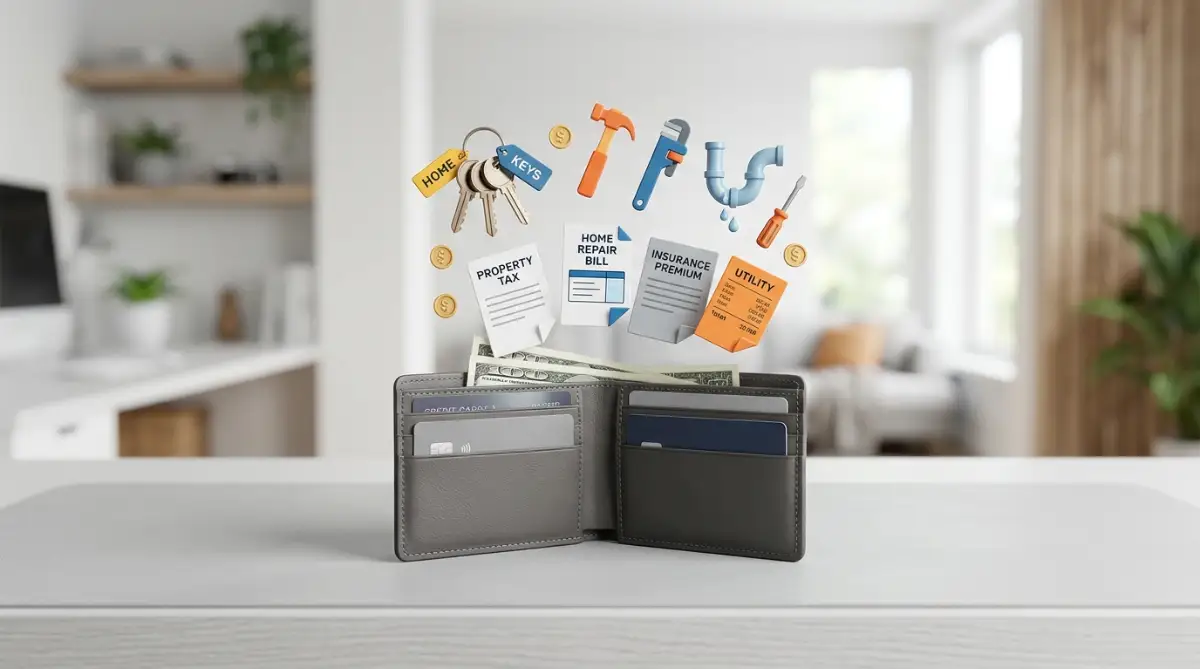
I spent months eating plain noodles because every spare dollar was going toward bills I didn't even know existed. My mental peace was completely shattered. I couldn't sleep because my mind was constantly doing math, terrified of what might break next.
If you are planning to get the keys to your first place soon, I need you to listen to me. The sticker price of the house is just the beginning of the story.
I am going to show you exactly what drains your bank account after the papers are signed. You will not have to stand sweating at a cash register like I did. Let's fix your budget before you ever make an offer.
Quick Summary
Buying a house comes with a heavy load of secret expenses that go far beyond your mortgage. From closing fees and sudden property tax hikes to emergency repairs and sneaky utility deposits, these bills add up fast. This guide breaks down exactly where your money will go so you can build an unbreakable homeowner budget.
Table of Contents
- The Sweaty Palms and the Hardware Store Reality Check
- The Upfront Cash Grab: Closing and Moving
- The Monthly Bleed: Taxes, Insurance, and HOAs
- The "It Just Broke" Emergency Reality
- Setting Up Your Life: Utilities and Daily Needs
- Actionable Steps to Build Your Defense Fund
Key Takeaways
- Closing costs can eat up to 5% of your total loan amount upfront.
- Property taxes often jump significantly the year after you buy the house.
- Maintenance is not optional; expect to spend 1% to 2% of the home's value yearly.
- Utility deposits can drain hundreds of dollars before you even flip a light switch.
The Upfront Cash Grab: Closing and Moving
Most people save for years to hit that magic down payment number. But the day you sit down to sign the final papers, the bank expects another massive pile of cash.
We call these closing costs, and they are the first major shock for any new buyer. These are the administrative fees, appraisal costs, and legal charges required to actually process your loan.
You should expect these fees to run anywhere from 2% to 5% of your entire loan amount. If you are buying a $300,000 house, you might need to bring an extra $15,000 to the closing table.
Then comes the physical act of moving. Even if you bribe your friends with pizza, moving is incredibly expensive.
You have to rent the truck, buy heavy-duty boxes, and pay for packing tape and bubble wrap. If you decide to hire professional movers to protect your furniture, expect to pay a few thousand dollars just for a local move.
Expert Tip: Always get a binding estimate from a moving company, not just a quote over the phone. I once had a mover double the price on moving day because they said my couch was "unexpectedly heavy." Protect yourself with a written contract.
The Monthly Bleed: Taxes, Insurance, and HOAs
Once you are in the house, the monthly bills start rolling in. And no, your monthly payment is not just your loan principal and interest.
The biggest silent killer of a first-time budget is the property tax reassessment. When you buy a house, the local government often recalculates its value based on the price you just paid.
If the previous owner lived there for a long time, their taxes were probably very low. The year after you move in, you might get a tax bill that is hundreds of dollars higher per month than you expected.
Pro Tip: Never trust the property tax history listed on Zillow or standard real estate listings to plan your future budget. I made this mistake and my monthly payment jumped by $250 in my second year. Always call the local tax assessor's office and ask them what the taxes will look like after the sale price is recorded.
Next, you have homeowner's insurance. This is not optional; your mortgage lender will force you to have it. Depending on where you live, extreme weather risks can push these premiums very high.
If you are putting less than 20% down, you will also be hit with Private Mortgage Insurance (PMI). This is a fee you pay every single month that protects the bank, not you, in case you stop paying.
Want to see exactly how private mortgage insurance eats into your monthly budget? Watch this quick breakdown before you sign any paperwork.
Finally, if you buy in a planned community or a condo, you will face Homeowner Association (HOA) fees. These cover shared spaces like community pools, trash pickup, or landscaping.
HOA fees can range from $50 to over $1,000 a month. The scary part is that the HOA board can legally raise these fees at almost any time if they need money for neighborhood repairs.
The "It Just Broke" Emergency Reality
When you rent an apartment and the fridge stops making ice, you just text your landlord. When you own the house, you are the landlord.
Things will break, and they will usually break at the absolute worst times. A standard HVAC system replacement can easily cost $6,000 to $10,000.
A small leak in the roof can cause thousands of dollars in water damage behind your walls before you even notice it. You cannot just ignore these issues, because putting off maintenance destroys the value of your property.
A good rule of thumb is to save 1% to 2% of the home’s purchase price every year just for maintenance. For a $300,000 home, that means setting aside $3,000 to $6,000 annually.
You might not spend it all in one year, but you will definitely need it when the time comes to replace the roof or the driveway.
Setting Up Your Life: Utilities and Daily Needs
Moving into a new place means setting up all new utility accounts. If you are moving to a new city, or if you have never had utilities in your own name, companies will ask for a deposit.
Water, gas, electricity, and internet providers can each charge setup fees or require security deposits ranging from $50 to $200. This is just to turn the services on.
Then you have to think about the space itself. You are probably moving from a smaller apartment into a larger house.
Suddenly, you realize you need window blinds so the neighbors can't look directly into your bedroom. You need a lawnmower, a weed whacker, a snow shovel, and basic hand tools.