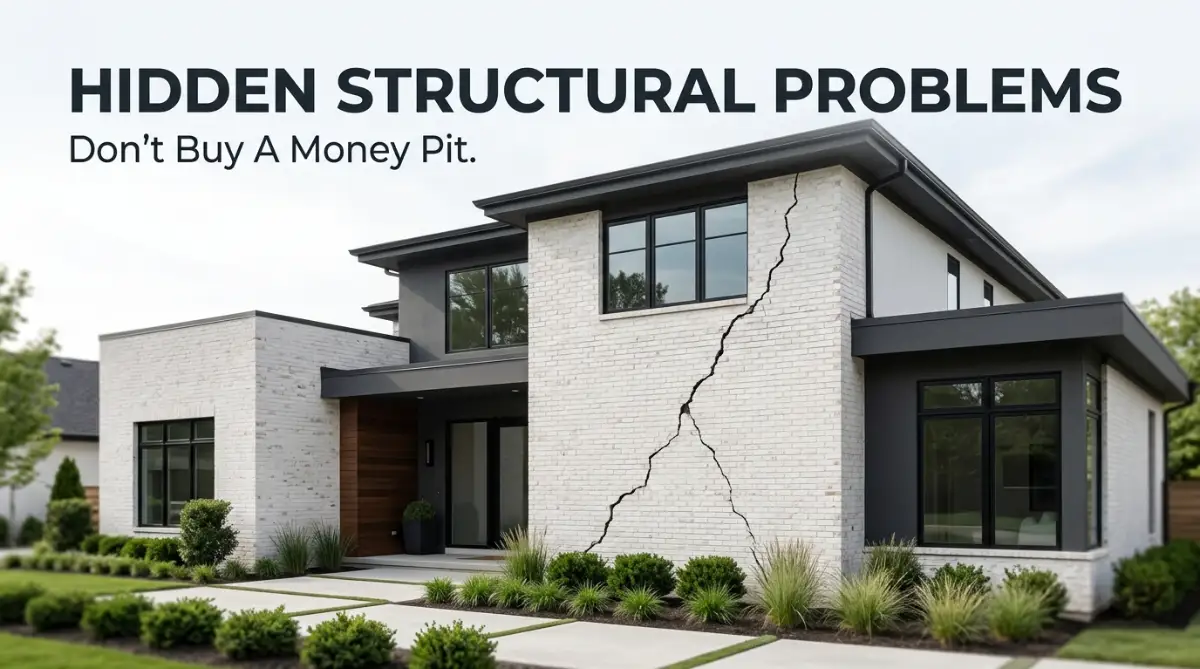
Reading Time: 12 Minutes
Difficulty Level: Beginner to Intermediate
Reviewed By: FinanceInfoIn Editorial Team
The Silent Threat Hiding in Your Dream Backyard
The pen hovered just an inch above the final closing document. The seller's agent smiled across the polished conference table, silently urging me to finish signing.
I was just moments away from finally owning a beautiful piece of real estate. Everything felt perfect.
But my gut told me to flip back to page 47 of the massive title report. There, buried under legal jargon, was a tiny sentence about a "utility right of way."
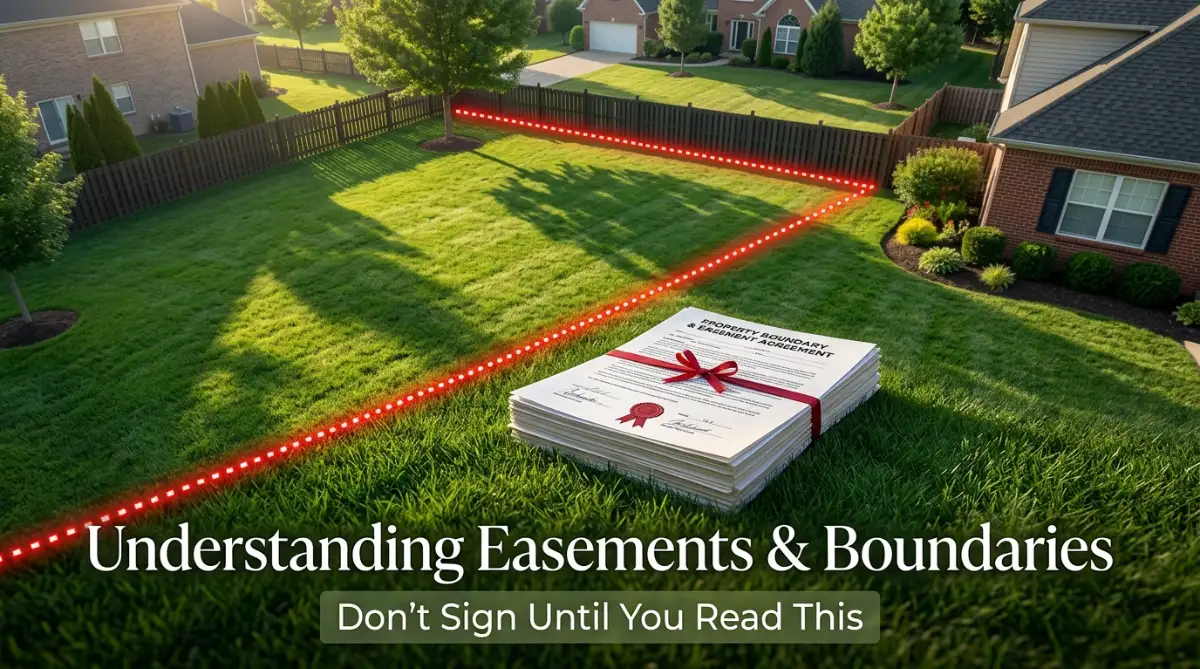
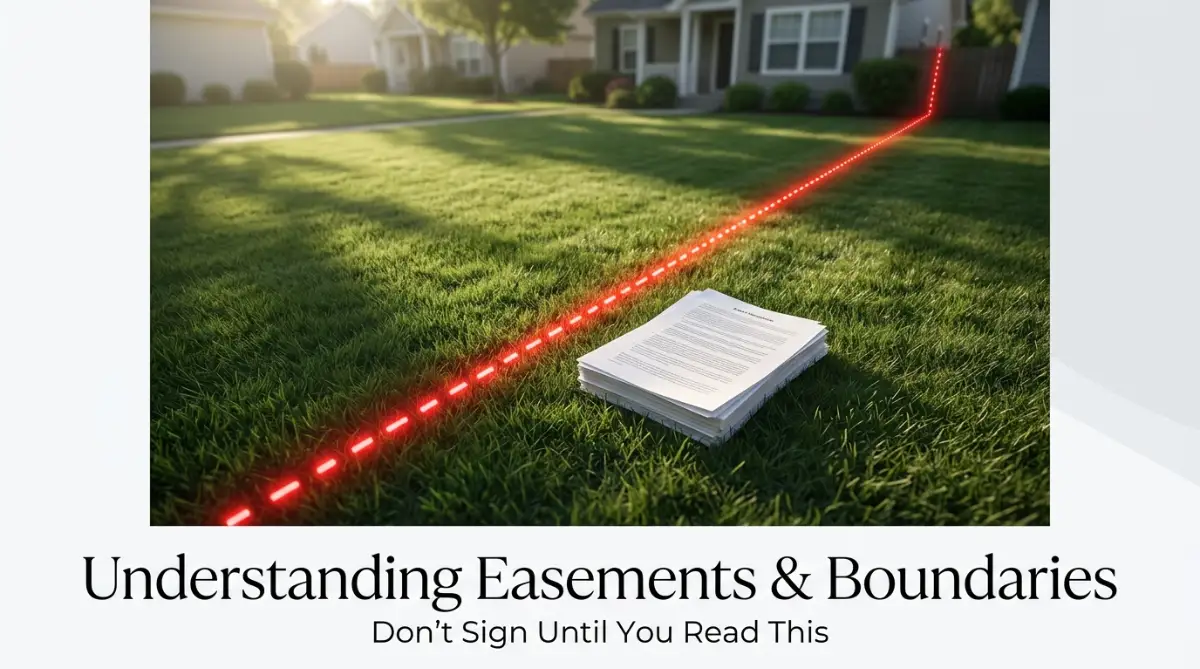
I remembered standing in that lush, green backyard a week prior. I had noticed a weird diagonal dirt path cutting straight through the beautiful grass, but I assumed it was just from kids playing in the neighborhood.
That path was an active utility easement. If I had signed that paper blindly, the local water company would have the permanent right to drive heavy machinery right through my future garden whenever they wanted.
Most homebuyers blindly sign closing papers, completely unaware of what they are actually agreeing to. They fall in love with the kitchen cabinets and the hardwood floors.
Then they wake up three months later to a neighbor's tractor driving across their driveway, claiming a legal right of way. The emotional toll of fighting a boundary dispute can instantly turn your dream home into a daily nightmare.
Quick Summary
Buying real estate means buying a specific set of legal rights, not just physical dirt. Easements give others the legal right to use your land, while encroachments happen when someone builds over your property line. Always demand a fresh land survey and read the title commitment thoroughly before signing closing papers to avoid expensive legal battles.
Table of Contents
- The Silent Threat Hiding in Your Dream Backyard
- What Exactly Are You Buying?
- Decoding the Legal Jargon: Easements Explained
- The Confusing Alternative: Easements vs. Encroachments
- Real-Life Math: The Financial Impact of Ignoring Boundaries
- How to Protect Your Investment Before Closing Day
- Dealing with the Title Insurance Reality
- Your Final Checklist Before Signing
Key Takeaways
- Never trust a fence: Physical fences rarely match the actual legal property lines.
- Surveys save thousands: Spending a few hundred dollars on a fresh boundary survey can prevent massive lawsuits.
- Title insurance matters: Make sure your policy covers boundary disputes and hidden easements.
- Read the exceptions: The "Exceptions" section of your title report holds all the dangerous secrets about your land.
What Exactly Are You Buying?
When you purchase a piece of real estate, you probably think you own everything within the fences. You assume the dirt, the trees, and the driveway belong to you entirely.
This is the biggest mistake average homebuyers make. You are not just buying physical dirt.
You are actually buying a bundle of legal rights attached to that specific coordinate on the map. Sometimes, previous owners have already sold off some of those rights.
Someone else might have the right to walk across your yard. A utility company might have the right to dig up your front lawn to access pipes.
If you do not know where your true boundaries lie, you cannot accurately protect your property value. Let us look at the main types of boundaries you will encounter.
Decoding the Legal Jargon: Easements Explained
An easement is simply a legal right for someone else to use a portion of your property for a specific purpose. You still own the land, but you have to share access.
This sounds terrifying, but it is actually very common. Almost every suburban home has some type of easement attached to it.
The problem arises when these rights are hidden, forgotten, or aggressive. If a power company needs to fix a downed wire, an easement allows them to enter your yard without asking permission.
If your property is completely landlocked, your neighbor might have an easement to use your driveway to reach the main road.
Pros and Cons of Buying Property with an Easement
The Pros
- Utility easements ensure your home gets reliable water, electricity, and internet.
- Shared driveway easements can sometimes mean shared maintenance costs.
- Properties with heavy easements are often priced slightly lower, offering a better initial deal.
The Cons
- You cannot build any permanent structures (like a pool or garage) over an active easement.
- Your privacy can be interrupted if a neighbor has a legal right of way through your land.
- Future buyers might be scared away, making the house harder to sell later.
The Confusing Alternative: Easements vs. Encroachments
People constantly mix up these two terms. Understanding the difference is the secret to protecting your bank account.
An easement is a legal, documented right. An encroachment is an illegal, physical intrusion onto your property.
When your neighbor accidentally builds their new swimming pool two feet over your property line, that is an encroachment. When the city legally runs a drainage pipe under your lawn, that is an easement.
Here is exactly how they differ.
Pro Tip: I once almost bought a beautiful corner lot until a fresh survey revealed the neighbor's garage was actually built three feet onto my property. I learned the hard way that you should never, ever assume a physical wall represents the legal boundary line. Always trust the math, not your eyes.
Real-Life Math: The Financial Impact of Ignoring Boundaries
Let us break down exactly how much ignoring these documents can cost you. We will look at a highly realistic scenario.
Meet David. David finds a stunning home listed for
400,000∗∗.Helovesthehugebackyardandimmediatelyplanstobuilda∗∗
400,000∗∗.Helovesthehugebackyardandimmediatelyplanstobuilda∗∗
40,000 custom swimming pool.He skips the $500 land survey to save a little cash during closing. He signs the papers and moves in.
Two months later, the pool contractors arrive to start digging. They pull the city permits and discover a massive, 15-foot wide underground sewer easement cutting right through the middle of the yard.
David cannot build the pool. Period. The city strictly forbids any permanent structures over the sewer line.
Suddenly, the property is worth less to him. When David tries to sell the house five years later, buyers see the restricted yard. He ends up selling for
380,000∗∗inamarketwhereheshouldhavegotten∗∗
380,000∗∗inamarketwhereheshouldhavegotten∗∗
420,000.Because David tried to save
500∗∗onasurvey,helost∗∗
500∗∗onasurvey,helost∗∗
40,000 in home equity and missed out on the pool he always wanted.How to Protect Your Investment Before Closing Day
You are probably wondering how to avoid becoming the next David. The good news is that protecting yourself is incredibly straightforward if you know what to ask for.
You have a brief window of time during the escrow process to investigate these hidden lines. This is your period of due diligence.
Do not let a pushy real estate agent rush you through this phase. Take a deep breath and start demanding the right documents.
Step 1: Demand a Fresh Boundary Survey
Do not accept a survey from twenty years ago. The earth shifts, new fences are built, and neighbors expand their driveways.
Hire a licensed professional to come out and mark the exact corners of the lot with physical stakes. Walk the property with the surveyor.
Ask them to point out exactly where the lines run. You will be shocked at how often the true line is several feet away from where the fence actually sits.
Learn how to read these critical documents yourself:
Step 2: Decode the Title Commitment
Your title company will send you a thick packet of paper called a Title Commitment. Most buyers just look at the spelling of their name and ignore the rest.
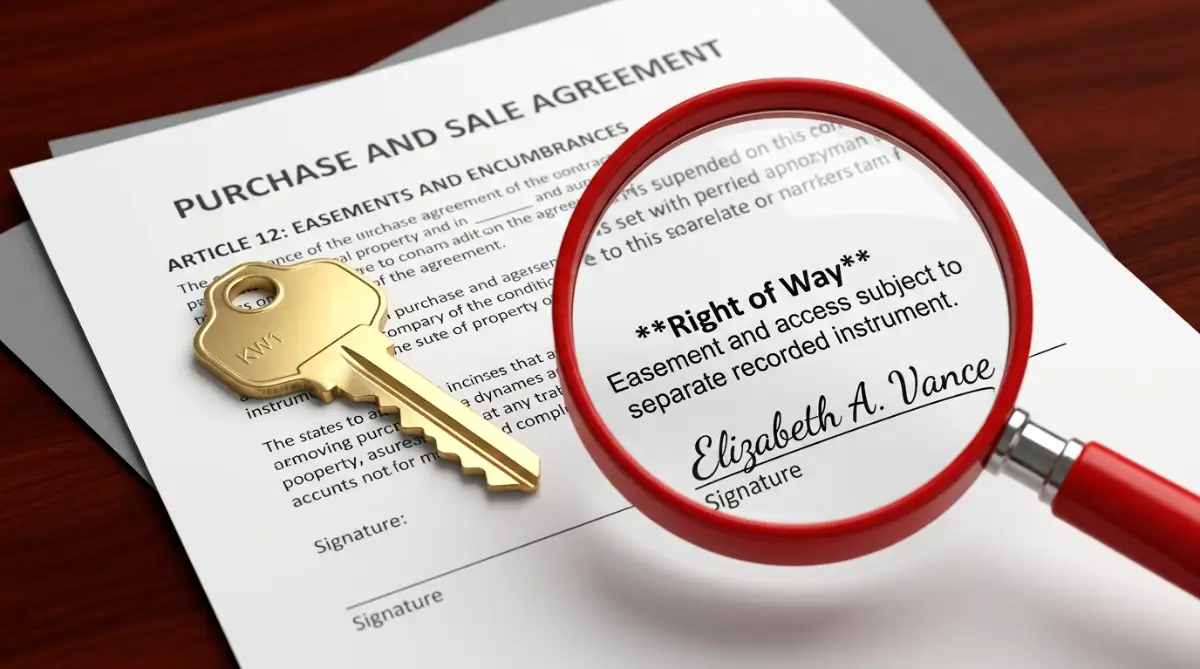
You need to flip directly to the section called "Schedule B: Exceptions." This is the most critical part of the entire transaction.
This section lists everything the title insurance will not cover. It will list every single easement, right of way, and covenant attached to the land.
If you see something confusing, force your title officer to explain it to you in plain English.
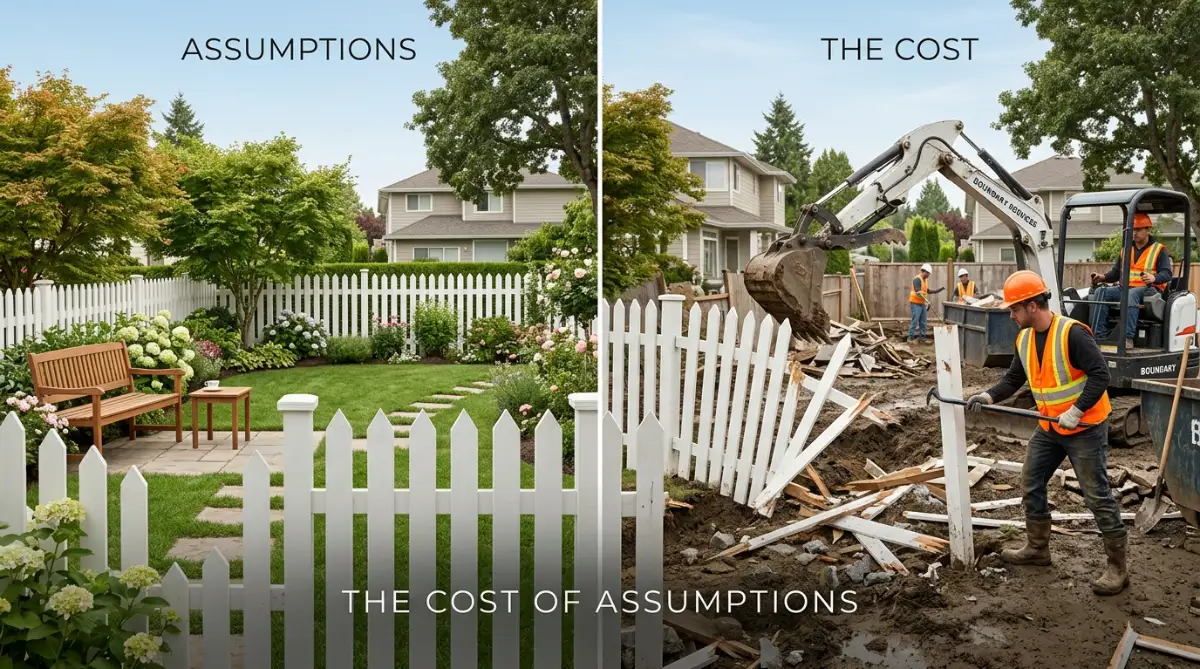
The Financial Reality of Encroachments
If your fresh survey reveals that a neighbor has encroached on your new land, you have a major decision to make. You cannot just ignore it.
If you let a neighbor use a piece of your land for too many years, they can actually claim legal ownership of it through a law called "Adverse Possession."
You must take action before you sign the closing papers.
You can ask the seller to handle the dispute before you buy the house. If the seller refuses, you have the right to walk away from the deal and keep your earnest money safe.
Dealing with the Title Insurance Reality
Title insurance is designed to protect you from past mistakes made by previous owners. It ensures that the person selling you the house actually has the right to sell it.
However, standard title policies often exclude boundary disputes. If you do not get a survey, the title company will not protect you if a neighbor sues you over a fence line later.
You need to ask for an "Extended Coverage" policy. This specific upgrade removes the standard boundary exceptions.
It usually costs a little bit more upfront, but it forces the title company to defend you in court if a hidden easement or boundary issue pops up after you move in.
Your Final Checklist Before Signing
You are about to make the biggest financial transaction of your life. Do not let the excitement of a new home blind you to the legal reality of the dirt you are buying.
Always walk the property lines yourself. Look for strange tire tracks, unexpected utility boxes, or fences that seem to zigzag for no reason.
Read every single page of the title report. If a document references an older recorded deed, ask the title company to print that old deed for you to read.
Take control of your real estate transaction. Understand exactly what legal rights you are buying, and you will secure not just a house, but true peace of mind.
Beyond the Basics: Mastering Property Lines Like a Pro
Understanding the basic legal definitions of land ownership is just your starting point. To truly protect your financial future, you need to think like an experienced real estate attorney.
Most buyers simply wait for their real estate agent to hand them a stack of papers. You cannot afford to be that passive.
Taking control of your transaction means knowing exactly where to look for red flags. You must actively investigate the physical space you are about to purchase.
When you walk around a prospective neighborhood, look at the utility poles, fire hydrants, and electrical boxes. These physical objects are massive clues about hidden legal rights attached to the dirt beneath your feet.
If you see a giant green electrical transformer box sitting on the edge of the front lawn, there is a legal right of way attached to it. The utility company will eventually need to access that box.
You need to know how far their access zone extends into your yard. If it extends ten feet, you cannot plant an expensive oak tree in that exact spot.
Pro Tip: Always take a walk around the neighborhood right after a heavy rainstorm. I use this trick to spot natural drainage paths across different yards. If water flows rapidly from a neighbor’s yard across yours, there might be a recorded drainage easement you need to know about.
Myth vs. Reality: Land Ownership Beliefs
Before we get into the advanced strategies, we need to clear up some widespread misinformation. Many buyers rely on bad advice from friends or family members who bought houses decades ago.
Below is a breakdown of the most common false assumptions people make about their property lines.
Quick Action Checklist: Securing Your Boundaries Today
If you are currently under contract for a new house, you need to act fast. Do not wait for closing week to start asking questions.
Use this simple checklist to stay ahead of the game:
- Demand a copy of the preliminary title report immediately.
- Locate "Schedule B" and read every single numbered exception.
- Ask your agent to request any existing surveys from the current seller.
- Hire a professional surveyor if the existing survey is outdated.
- Physically walk the lot lines with the surveyor while they place the corner stakes.
- Compare the physical stakes to the visual property lines like fences or driveways.
Understanding these details helps you calculate the true cost of your first home accurately. A bad boundary line can trigger massive surprise expenses down the road.
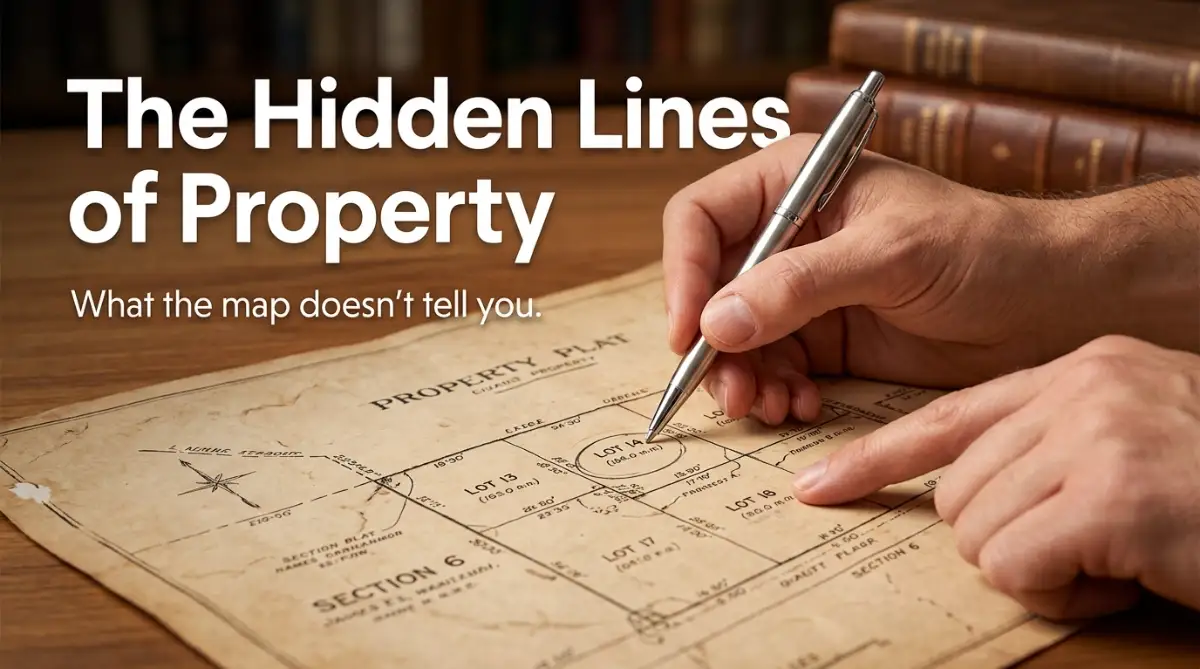
The Expensive Traps Most Homebuyers Fall Into
When emotions run high, logic usually flies out the window. People fall in love with a beautiful kitchen and suddenly ignore a neighbor's shed sitting two feet over the property line.
These emotional blind spots lead to severe financial damage. The biggest mistakes always happen when buyers make assumptions instead of verifying the math.
I have seen families drain their entire savings account fighting a stubborn neighbor over a simple driveway mistake. You must avoid these specific pitfalls at all costs.
Common Mistakes to Avoid
- Trusting Handshake Agreements: Never accept a seller saying, "Oh, the neighbor and I have a verbal agreement about that fence." Verbal agreements hold absolutely no weight in a real estate transaction.
- Skipping the Extended Title Policy: Buyers often try to save a few dollars by rejecting the extended title insurance. This leaves them completely unprotected if a boundary lawsuit happens later.
- Ignoring the Plat Map: A plat map is a highly detailed drawing of the subdivision. Buyers often ignore it because it looks confusing, completely missing drawn-in right-of-ways.
- Failing to Verify Access Rights: If you are buying a rural property or a flag lot, you must verify you have a recorded, legal right to use the driveway that connects to the public road.
If you ignore these warnings, you might find yourself stuck in a home you cannot upgrade, fence, or eventually sell. This oversight is one of the most painful hidden expenses of homeownership you will ever face.
The Cost of Ignorance: Evaluating Your Risks
Let us look at what actually happens when you discover a mistake after signing the papers. The financial impact can vary wildly depending on the severity of the encroachment.
The Exact Step-by-Step Execution Guide
If you discover a boundary issue while you are still in escrow, you actually hold all the power. You can force the seller to fix the problem before you hand over your money.
Here is exactly how you handle a boundary dispute or hidden easement professionally and legally.
Step 1: Halt the Transaction Process
Notify your real estate agent and the title company that you have found a discrepancy. Put everything in writing via email. Instruct your team that you will not sign closing documents until the issue is resolved.
Step 2: Bring in the Professionals
Hire a licensed land surveyor recognized by the National Society of Professional Surveyors to conduct a fresh, legal survey. You need certified GPS coordinates and physical boundary stakes placed in the ground immediately.
Step 3: Draft a Boundary Line Agreement
If the neighbor is reasonable, have a real estate attorney draft a formal Boundary Line Agreement. This legally establishes the true property lines and dictates who is responsible for the misplaced fence or structure.
Step 4: Record the Documents
Once signed by all parties, this new agreement must be officially recorded at the county courthouse. It must also be attached to your new deed so the title company can recognize it.
Required Document Checklist for Boundary Issues
To successfully navigate this process, you must gather specific paperwork. Do not attempt to negotiate without these documents in your hand:
- The completely updated, certified land survey drawing.
- A written copy of the preliminary title commitment.
- The original deed to the property.
- A drafted "Lot Line Agreement" or "Encroachment Agreement" from an attorney.
- High-resolution photos of the physical property lines in question.
Handling these complex steps efficiently will help you navigate your first mortgage application process with much more confidence. Lenders love buyers who take their due diligence seriously.
Securing Your Future Peace of Mind
Buying real estate is basically a massive puzzle of legal rights, financial math, and emotional decisions. When you finally understand the invisible lines that govern your land, you take back your power as a buyer.
You no longer have to rely on assumptions, guesses, or polite words from a seller who just wants to leave. You have the exact data you need to protect your bank account.
A clear title and a perfectly verified boundary line naturally increase your home's appraisal value by making it a safer investment for future buyers.
I have walked away from beautiful houses purely because the land survey did not match the seller's promises. It hurt at the moment, but it saved me from years of courtroom anxiety.
Take the extra time. Spend the money on a fresh survey. Read the boring documents. Your future self will thank you for being so thorough today.
Which part of the real estate buying process makes you the most nervous right now? Let me know in the comments below!
Smart Homebuyer Questions About Legal Boundaries
What happens if I accidentally build a fence on my neighbor's land?
If you build a fence on someone else's property, they have the legal right to demand you remove it. You will be entirely responsible for the costs of tearing it down and rebuilding it on the correct legal line.
Can a neighbor legally block an easement on my property?
No, a neighbor cannot legally block a recorded easement that grants access to another party. If a shared driveway easement exists, placing a locked gate across it is a violation of legal rights.
How much does a standard residential land survey actually cost?
The cost generally ranges between $400 and $800 depending on the size of the lot and the complexity of the terrain. Large rural properties or lots with heavily wooded areas will cost significantly more to measure.
Do physical fences always determine the legal property line?
Absolutely not. Physical fences are often installed incorrectly by previous owners who guessed where the line was. Only a recorded deed and a professional land surveyor can determine the true legal boundary.
What exactly is a prescriptive easement?
A prescriptive easement happens when someone uses a portion of your land openly and consistently for many years without your permission. If they meet specific legal timeframes set by state law, they can eventually claim a permanent legal right to keep using it.
Can I build a swimming pool over a utility right of way?
No. City municipalities and utility companies strictly forbid permanent structures from being built over their utility lines. If you build it anyway, they have the legal right to destroy the pool to access their pipes without compensating you.
Who is responsible for maintaining a shared driveway?
Maintenance responsibilities for a shared driveway should be explicitly outlined in the recorded easement agreement. If no specific terms are recorded, neighbors are generally expected to split the costs equally.
Does my standard title insurance cover boundary disputes?
A standard title insurance policy almost always excludes coverage for boundary issues or encroachments that are not officially recorded. You must purchase an "extended coverage" policy to get protection against physical boundary disputes.
How can I find my property lines for free online?
You can often view general parcel maps on your local county tax assessor's website or through geographic information systems (GIS). However, these online maps are for tax purposes only and are not legally binding boundary lines.
Can I legally terminate an old easement on my property?
Terminating an easement is very difficult and usually requires an official agreement from the person who holds the right, or a judge's ruling. You cannot simply cross it out on a piece of paper and claim it is gone.
Trusted Legal Resources
- Legal Information Institute (Cornell Law School)
- American Land Title Association (ALTA)
- National Society of Professional Surveyors (NSPS)
- U.S. Department of Housing and Urban Development (HUD)
- American Bar Association - Real Estate Resources
- FindLaw Real Estate Center
Legal Disclaimer: The content provided in this article is for informational and educational purposes only and does not constitute official legal, financial, or real estate advice. Laws regarding property lines, easements, and real estate transactions vary widely by local jurisdiction. Always consult with a licensed real estate attorney, a professional land surveyor, and your local county recorder’s office before making any binding real estate decisions or signing legal contracts. FinanceInfoIn and its authors assume no responsibility or liability for any errors, omissions, or financial losses resulting from the use of this information.
About the Author
Reviewed by Mithun Halder (Personal Finance & SEO Expert) & The FinanceInfoIn Editorial Team
The FinanceInfoIn Editorial Team researches personal finance, investing, insurance, mortgages, cryptocurrency, and consumer financial topics. Every article is carefully reviewed to provide clear, practical, and trustworthy educational information based on credible sources and industry best practices.
© FinanceInfoIn. All rights reserved.