

Reading Time: 12 Minutes
Difficulty Level: Beginner to Intermediate
Reviewed By: FinanceInfoIn Editorial Team
The Financial Shock You Never Saw Coming
My checking account balance showed exactly $43. The water heater had just flooded the basement, and I had spent my last bit of savings closing on the house exactly three weeks earlier.
I sat on the wet concrete floor, holding a flashlight and a wrench, feeling completely defeated. The bank told me my monthly mortgage payment would be $1,400, which sounded perfectly affordable at the time.
Nobody warned me about the sudden $1,200 emergency plumbing bill. Nobody mentioned that my property taxes would jump after the local reassessment.
Suddenly, my "affordable" dream home felt like a giant vacuum cleaner actively sucking the money straight out of my wallet. I lost sleep wondering how I would afford groceries if the roof started leaking next.
Every time it rained, I felt a knot in my stomach. The daily stress of unexpected expenses totally destroyed the joy I thought I would feel as a new homeowner.
This is the harsh reality most first-time buyers face when they only look at the listing price. If you do not calculate the hidden expenses, your mental peace will disappear entirely.
Quick Summary
Buying a house involves much more than just paying a mortgage. To avoid financial disaster, you must account for hidden expenses like property taxes, homeowner's insurance, routine maintenance, and HOA fees. This guide breaks down exact formulas and practical methods to figure out your true monthly financial commitment before you sign any paperwork.
Table of Contents
- The Financial Shock You Never Saw Coming
- Unmasking the Mortgage: The Real-Life Math
- Visualizing the Expenses: Visible vs. Hidden
- Clearing the Confusion: Escrow vs. Out-of-Pocket
- The Ongoing Drain: Budgeting for Home Maintenance
- Honest Pros & Cons of Homeownership
- Practical Steps to Bulletproof Your Budget
Key Takeaways
- Your mortgage is only the baseline. Taxes, insurance, and fees easily add 30% or more to your monthly payment.
- The 1% Rule is a lifesaver. Always set aside at least 1% of your home's total value annually for repairs.
- Emergency funds are non-negotiable. Never empty your savings account entirely just to cover the down payment.
Unmasking the Mortgage: The Real-Life Math
Let me introduce you to Sarah, a bright professional who found her perfect suburban home. The house was priced at $300,000, and with a solid down payment, her basic mortgage payment looked like a manageable $1,500.
She signed the papers and moved in, feeling incredibly proud. But when her first full month rolled around, the actual bills started hitting her mailbox.
Her property taxes added $400 a month, and her homeowner's insurance took another $150. Her neighborhood demanded a $200 monthly HOA fee, and basic utilities spiked her budget by another $300.
Instead of the $1,500 she planned for, Sarah was suddenly paying $2,550 every single month. That is a massive $1,050 difference that completely wiped out her grocery and entertainment budget.
This scenario happens every single day because buyers confuse the principal and interest payment with the total cost of ownership. You have to run the math on the complete picture, often called PITI (Principal, Interest, Taxes, and Insurance).
Visualizing the Expenses: Visible vs. Hidden
To truly grasp where your money goes, you need to separate the obvious costs from the silent budget-drainers.
When you look closely at that breakdown, you realize that the bank's mortgage calculator only gives you a tiny piece of the puzzle. You must manually hunt down the local tax rates and insurance premiums for the specific zip code you want to live in.
Clearing the Confusion: Escrow vs. Out-of-Pocket
One of the biggest areas where new buyers get terribly confused is understanding who exactly they are paying. Many people mix up their escrow account with neighborhood fees.
An escrow account is simply a savings bucket managed by your lender. They collect a little extra money from you each month to pay your property taxes and insurance on your behalf.
However, they do not pay your Homeowner's Association (HOA) fees or your utility bills. Let us look at the distinct differences so you never get blindsided by a missed payment.
Understanding this difference is critical for your financial health. If you assume your bank is handling the HOA fees, you might end up with severe penalty charges or even a lien against your beautiful new home.
The Ongoing Drain: Budgeting for Home Maintenance
Houses are living, breathing things that constantly break, wear out, and demand attention. The roof ages, the driveway cracks, and the appliances eventually give up.
You cannot just hope these things will not happen to you. You need a rock-solid mathematical approach to estimate these ongoing costs accurately.
The most reliable strategy in the real estate world is the 1% Rule. This guideline suggests that you should save exactly 1% of your home's total purchase price every single year just for maintenance.
If you buy a $350,000 house, you need to expect about $3,500 a year in repairs. That breaks down to roughly $291 every month that you must stash away in a separate savings account.
If you skip the $291 monthly savings now, you will be forced to put a $12,000 roof replacement on a high-interest credit card later.
Expert Tip: I learned the hard way that appliances always seem to break in groups. When my washing machine died, my refrigerator decided to quit working just two weeks later. I now keep a dedicated "House Emergency Fund" that I never touch for any other reason, and it has saved my financial life multiple times.
Honest Pros & Cons of Homeownership
Before you lock yourself into a 30-year commitment, you need to view the situation clearly. Google this topic, and you will find endless articles pushing you to buy.
Here is the unfiltered truth about what it actually means to own the roof over your head.
The Pros:
- Equity Building: Every payment forces you to save money and build personal wealth.
- Predictable Housing Costs: A fixed-rate mortgage protects you from sudden rent spikes.
- Total Creative Freedom: You can paint the walls, adopt three dogs, and renovate the kitchen without asking permission.
- Tax Advantages: Mortgage interest and property taxes can often be deducted from your taxable income.
The Cons:
- Zero Landlord Support: When the toilet overflows at 2 AM, you are the one holding the mop and paying the plumber.
- High Barrier to Entry: Closing costs and down payments completely drain your initial cash reserves.
- Tied to One Location: Selling a house takes time, making it hard to move quickly for a new job.
- Hidden Financial Drains: Property taxes and insurance premiums can increase every single year.
Practical Steps to Bulletproof Your Budget
Now that you know the threats hiding in the shadows, it is time to build a defense system. Do not let fear stop you from buying a home.
Instead, let knowledge guide your budgeting process. First, always request the historical utility bills from the current seller before you make an offer.
You need to know exactly how much it costs to heat that specific house during the dead of winter. A massive home with poor insulation can easily double your expected energy bills.
A Quick Video Guide to Estimating Property Taxes
Understanding property taxes can feel like learning a foreign language. Check out this incredibly helpful video that breaks down exactly how local governments calculate your tax bill, so you never get surprised by an unexpected hike.
Next, you need to factor in Private Mortgage Insurance (PMI) if you are putting down less than 20% of the purchase price. This sneaky fee protects the bank, not you, and it can easily add $100 to $300 to your monthly payment.
Always ask your lender for a clear breakdown of when and how you can remove the PMI once you build enough equity.

Finally, practice paying your new mortgage before you actually buy the house. If your current rent is $1,500 and your estimated new housing cost is $2,500, take that extra $1,000 and put it into savings every month.
If your budget feels suffocated and you cannot afford to go out with friends, you know the house is too expensive. If you easily handle the extra savings, you are financially and mentally ready for the real thing.
Owning a home is incredibly rewarding when you are fully prepared for the financial reality. Do the math early, build your emergency reserves, and you will enjoy your new space with total peace of mind.
Advanced Strategies for Long-Term Budget Safety
Once you understand the basic math, you have to think about long-term sustainability. The most successful homeowners treat their property exactly like a small business. You need a reliable system to manage cash flow and prevent sudden financial disasters.
One of the smartest moves you can make is opening a high-yield savings account entirely dedicated to your property. By keeping your home maintenance reserves separate from your daily checking account, you remove the temptation to spend it on vacations or new clothes.
You should also get into the habit of shopping around for homeowner's insurance every single year. Many buyers simply let their policy auto-renew, which often results in a quiet, steady increase in premiums. A quick annual phone call to an independent insurance broker can easily save you hundreds of dollars.
To help you navigate this process, we always recommend learning how to use a home affordability calculator before looking at any listings.
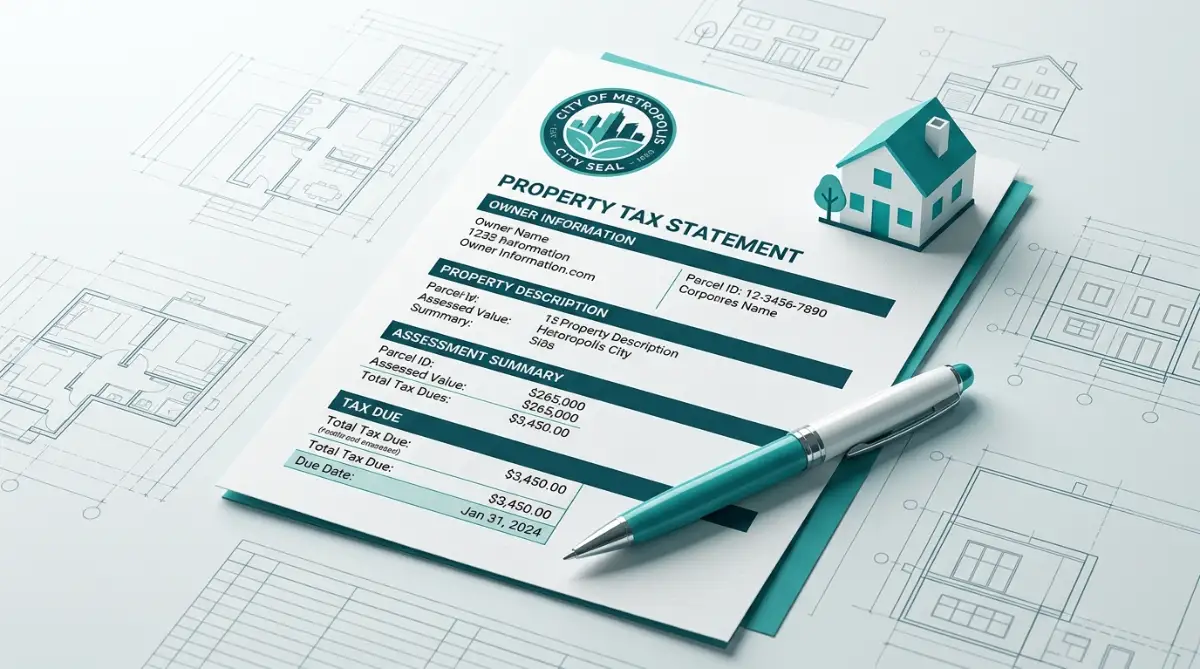
Another insider secret involves your local tax assessor. Property taxes are not always perfectly accurate, and local governments frequently overvalue homes. You actually have the legal right to appeal your property tax assessment if you believe the city valued your home too high.
Pro Tip: I highly recommend setting a calendar alert every January to review your county's tax assessment. If your home's assessed value suddenly shoots up compared to your neighbors, file an appeal immediately. This simple action once saved me over $600 in a single year.
If you are curious about the true depths of homeownership costs, reading about the hidden expenses of homeownership nobody tells you is an absolute must.
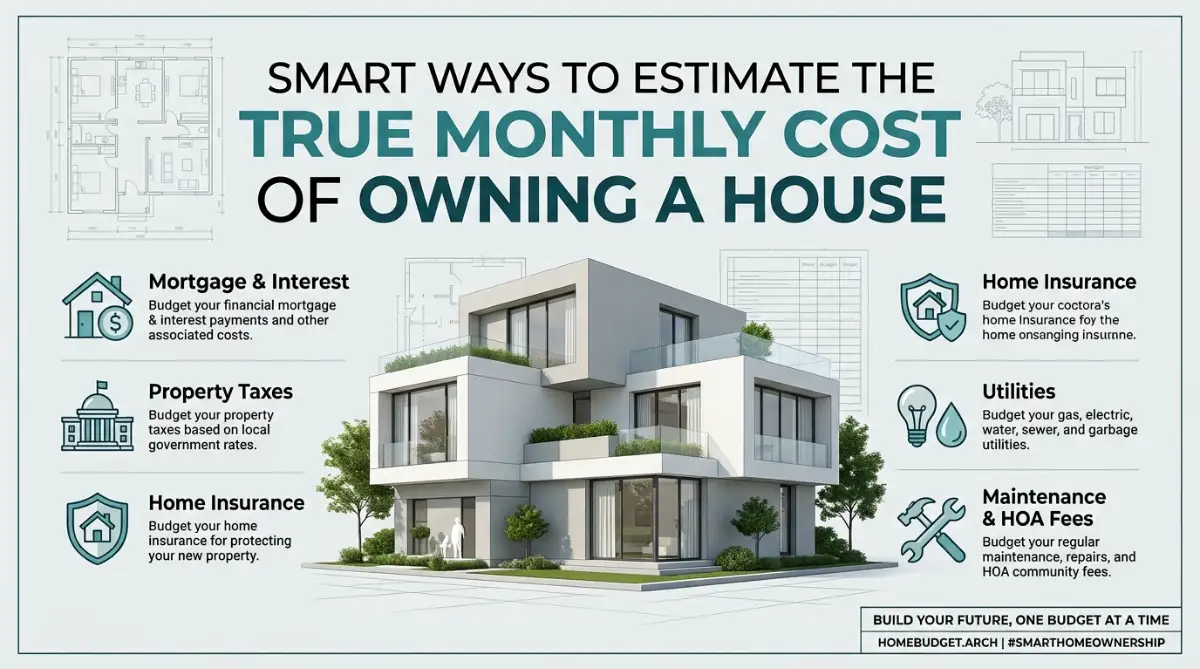
To give you a clearer picture, let us separate the common rumors from the actual financial reality of owning a property.
Financial Traps That Catch First-Time Buyers Off Guard
We see new buyers make the exact same heartbreaking mistakes over and over again. The excitement of getting the keys completely blinds them to the massive financial responsibility they are taking on.
The single biggest error is draining every last penny of your savings just to cover the down payment and closing costs. If you move in with zero dollars in the bank, you are one broken furnace away from total financial ruin. You must keep at least three to six months of living expenses safely tucked away.
Another massive pitfall is falling in love with a house and completely ignoring the warning signs during the inspection. A beautiful kitchen island does not matter if the foundation is sinking. You must know major warning signs to spot in a home inspection before you sign the final paperwork.
Many people also blindly trust the current homeowner's utility bills without considering their own lifestyle. If the previous owner was a single person who traveled constantly, their water and electricity usage will look artificially low. When your family of four moves in, those bills could easily triple overnight.
Let us break down exactly where these budget leaks usually happen so you can stay one step ahead.