

Reading Time: 10 Minutes
Difficulty Level: Beginner to Intermediate
Reviewed By: FinanceInfoIn Editorial Team
The Hidden Trap of Falling in Love with a House
A few years ago, I fell completely in love with a charming older bungalow. It had beautifully polished floors, brand-new kitchen counters, and perfect natural light. I was so worried about losing it to another buyer that I almost skipped the home inspection entirely just to make my offer look more attractive.
Thankfully, my partner talked me out of that reckless decision. That inspection uncovered a hidden plumbing disaster that would have drained our entire life savings within the first month. That highly stressful experience taught me exactly why we must never let our emotions blind us when shopping for a house.
Imagine walking into a beautiful house with fresh paint, modern light fixtures, and perfect staging. You immediately fall in love with the space and start planning where to put your family couch. You feel pressured to sign the papers quickly because you do not want to lose your dream property.
But a few weeks after moving in, the basement fills with three inches of dark, smelly water. The fresh paint in the basement was just a cheap cover-up for a massive foundation crack. Suddenly, your perfect dream home turns into a financial nightmare.
Buying a home is likely the biggest purchase you will ever make in your life. When you discover major hidden issues late, the sellers are already gone with your money. You are left holding the bill for massive repairs.
That is why you must look past the pretty decorations and check the bones of the house. Let us look at how you can spot these hidden traps before it is too late.
Quick Summary
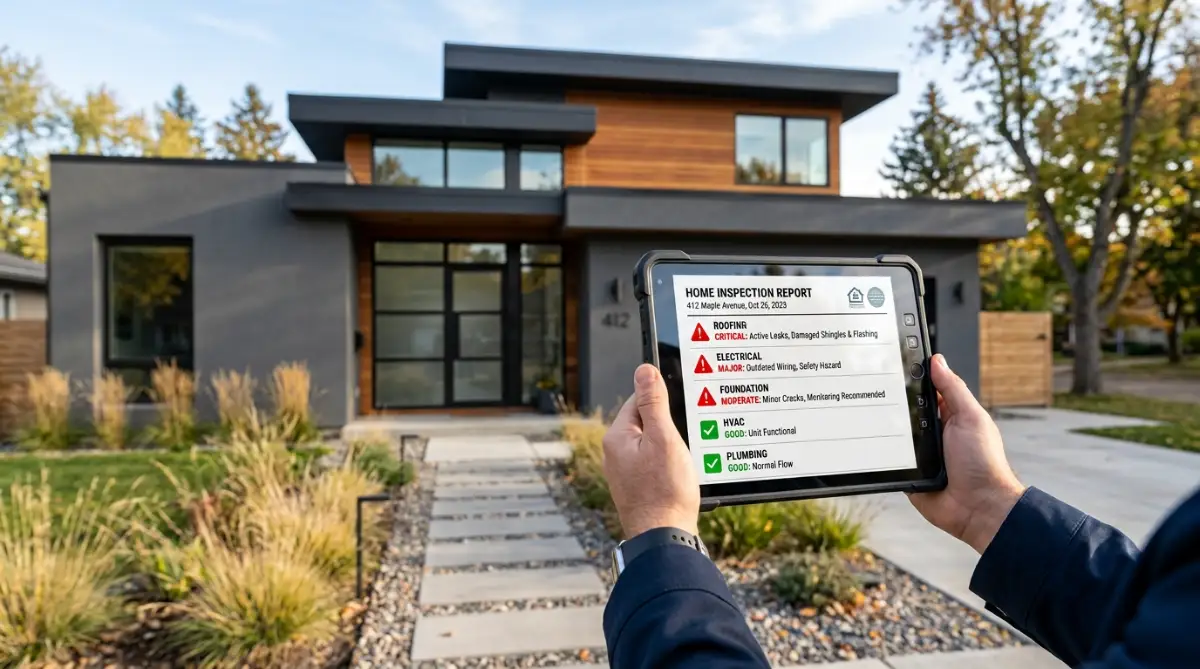
A fresh coat of paint often hides expensive structural damage. To protect your savings, you must learn to spot the warning signs of failing foundations, hidden water damage, and dangerous electrical wiring. This guide breaks down exactly what to look for during a walk-through and which advanced tests you need to demand before closing the deal.
Table of Contents
- The Hidden Trap of Falling in Love with a House
- Unmasking Serious Structural Foundation Failures
- The Silent Threat of Roof and Attic Damage
- Hidden Water Damage and Mold Disasters
- Outdated and Hazardous Electrical Systems
- Bad Yard Drainage and Sloping Ground
- Common Myths About Home Inspections
- Serious Plumbing Failures and Sewer Line Backups
- Structural Wood Rot and Pest Damage
- Smart Inspection Strategies to Protect Your Investment
- Costly Traps Home Buyers Fall Into
- Your Step-by-Step Action Plan
Key Takeaways
- Trust your nose over your eyes. A fresh, sweet smell during an open house is often used to mask active mold and damp basements.
- Never let the seller fix the problems. Always ask for a price reduction or credit so you can hire your own trusted contractors.
- Standard inspections are not enough. Always pay extra for specialized testing like a sewer scope and a radon gas test.
Unmasking Serious Structural Foundation Failures
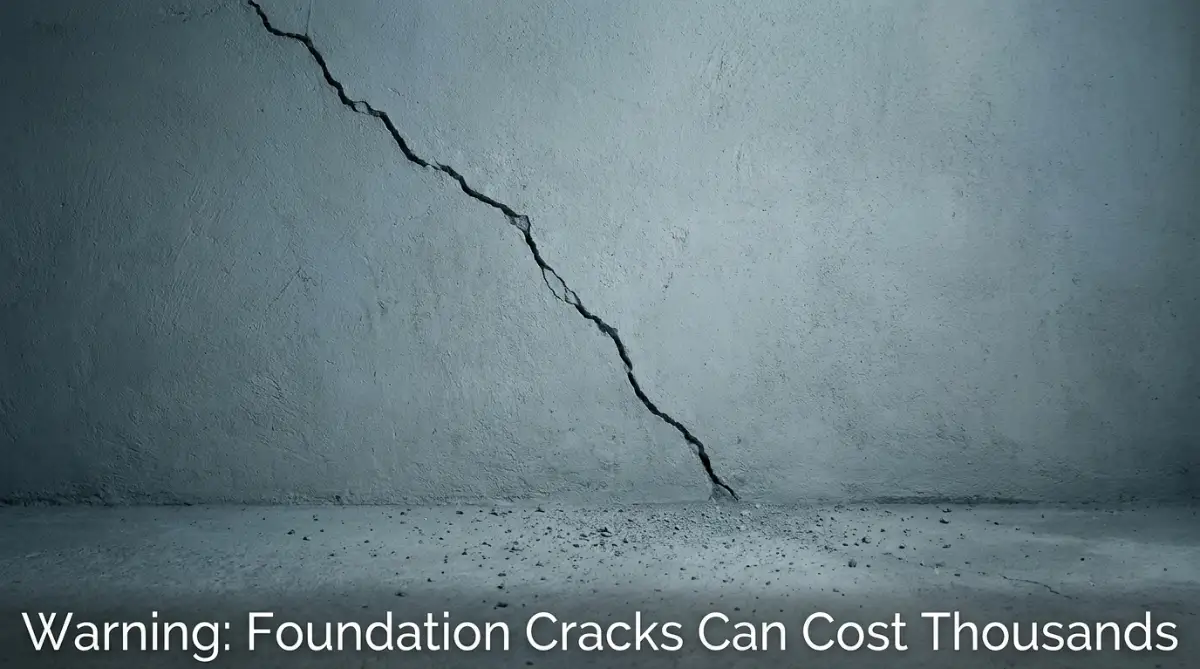
A house is only as strong as the ground it stands on. Small hairline cracks in concrete are normal as a house settles over time. However, horizontal or wide diagonal cracks are a completely different story.
These gaps show that the soil underneath is shifting or pushing hard against the basement walls.
Always look closely at the doors and windows during your walk-through. If they stick, jam, or refuse to close properly, the frame might be warping. This warping happens when the foundation shifts and pulls the house out of alignment.
You should also walk to the middle of each room and check if the floors feel uneven or bouncy. An uneven floor is like a warning siren telling you the support beams are failing.
Step outside and look at the exterior brickwork or siding. If you notice stair-step cracks in the mortar, the foundation is actively settling. Fixing a sinking foundation often requires deep steel piers driven into the ground, which is incredibly expensive.
The Silent Threat of Roof and Attic Damage
A bad roof can ruin your entire house from the top down. Water will slowly leak through the ceiling and rot the wooden structure of your home.
Never skip a trip up into the attic during a home inspection. Look for dark water stains on the rafters or insulation that smells like damp earth. If you see daylight peeking through the roof boards, you have an active leak. You should also look for signs of animal droppings, which suggest a pest infestation in the attic.
Outside, look up at the shingles to see if they are curling, buckling, or missing completely. Old shingles lose their protective granules and fail to stop water from entering. Replacing a roof can cost a fortune, so you need to know its true condition.
Pro Tip - The Shingle Touch Test: If you can safely reach the roof from a low window, check if the shingles crumble when touched. Old, brittle shingles mean the roof is completely dead and needs immediate replacement. Use this fact to negotiate the price down significantly.
Hidden Water Damage and Mold Disasters
Water is the ultimate enemy of building materials. It hides inside drywall, under carpets, and behind brand-new cabinets. Trust your nose when you enter the basement or crawlspace. A musty, damp smell almost always points to active mold growth or poor ventilation.
Check the base of the walls for bubbling paint, peeling wallpaper, or dark mold spots. You should also look for white, powdery stains on concrete walls. This white powder is called efflorescence, which is left behind when wet concrete dries. It proves that water is actively pushing through the outer walls of the home.
Open the cabinets under the kitchen and bathroom sinks to check for soft wood. If the wood feels spongy or wet, there is an active plumbing leak. Mold can grow within forty-eight hours of water exposure and causes serious health issues. Removing mold safely requires professional remediation, which is both difficult and costly.
Outdated and Hazardous Electrical Systems
Bad wiring is not just a nuisance; it is a major house fire hazard. Old homes often have outdated systems that cannot handle modern appliances.
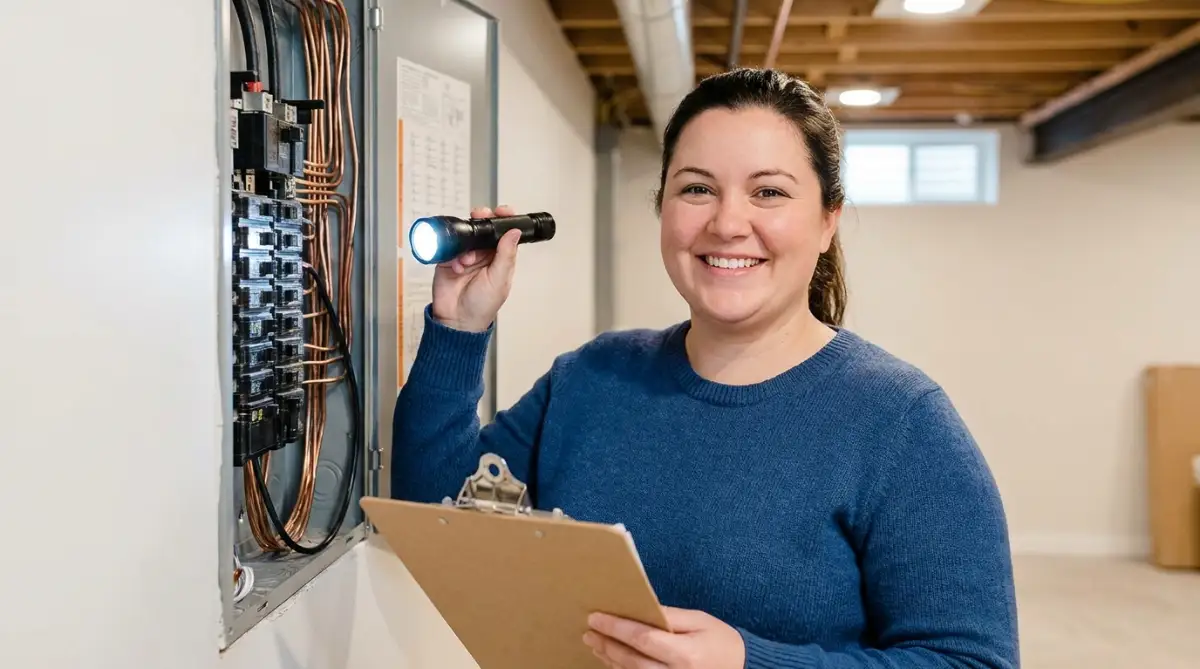
Look inside the main electrical panel for messy, amateur work. If you see mismatched breakers or loose wires, a DIYer probably did the work illegally. You must avoid houses that still use old knob-and-tube wiring. This old system has no ground wire and can easily overheat under modern power demands.
You should also look out for single-strand aluminum wiring, which was common in older homes. Aluminum expands and contracts rapidly, which creates loose connections and extreme fire risks.
Bad Yard Drainage and Sloping Ground
Water must always flow away from your house, not toward it. If the ground slopes down toward the foundation, you have a major drainage issue. This is known as negative grading, and it acts like a giant funnel for rainwater.
Walk around the yard and check for spongy grass or standing puddles of water. If the mud is thick near the foundation walls, water is actively soaking into the basement. Over time, this constant moisture will crack the concrete and ruin the structure.
Check the gutters to make sure they are not clogged with leaves or debris. The downspouts must extend at least four to six feet away from the home. If the water dumps directly at the base of the wall, it will pool underneath the basement floor.
Exploding Common Myths About Home Inspections
Sellers and real estate agents often tell buyers things that simply are not true. Let us clear up the most dangerous rumors about buying a house.
Myth: A clean house has no problems.
Reality: Sellers often use cosmetic fixes, like fresh paint and staging, to hide serious damage. A spotless house can still have a cracked foundation or bad plumbing hiding right behind the walls.
Myth: The inspector will fix the issues.
Reality: Inspectors are only hired to find the problems, not to fix them. It is your job to use the inspection report to negotiate repairs or walk away.
Myth: Brand-new homes do not need inspections.
Reality: Builders make mistakes all the time during construction. A new home can easily have improper attic insulation, missing roof flashing, or dangerous wiring connections.
Serious Plumbing Failures and Sewer Line Backups
Low water pressure is more than just an annoying shower experience. It can mean your pipes are clogged with thick rust or mineral deposits.
Turn on multiple faucets at the exact same time to test the pressure. If the water flow drops to a trickle, the plumbing system is failing. Flush the toilets and watch how quickly the bowls drain. Slow drains usually mean there is a massive blockage deep inside the main sewer line.
Tree roots absolutely love to grow into old sewer pipes, causing them to collapse completely. Paying for a sewer scope test can save you thousands of dollars in yard excavation costs later.
Structural Wood Rot and Pest Damage
Termites and wood-boring beetles can eat away the support structures of a house without you ever knowing. They target damp wood in dark, quiet areas of the property.
Inspect any exposed wood in the basement, garage, or crawlspace. Press a screwdriver gently against the wooden joists to see if the wood feels soft. If the metal tool sinks easily into the wood, you are dealing with active wood rot or insect damage.
Look for tiny piles of sawdust near the walls, which indicate active termites. You should also look for thin mud tubes on the concrete foundation walls. Termites use these dirt highways to travel safely from the soil into your wooden structures. Always get a dedicated pest inspection to protect your investment.
Smart Inspection Strategies to Protect Your Investment
A basic visual inspection of a house is helpful, but it does not tell you the whole story. Most home buyers do not realize that standard inspectors only look at things they can easily see with the naked eye. To protect your money, you must go deeper and use advanced testing methods.
One of the most important tests you can request is a radon gas test. Radon is a naturally occurring radioactive gas that escapes from the soil under the house. Because you cannot see, smell, or taste it, you will never know it is there without a proper test.
Another highly effective tool is thermal imaging. Many advanced inspectors now use infrared cameras to scan the walls and ceilings of a home. These cameras detect differences in temperature behind your drywall. A cold spot on the screen usually reveals hidden water leaks, while a hot spot shows overloaded electrical wires waiting to catch fire.
Expert Tip: If possible, try to schedule your home inspection on a rainy day. This is the absolute best time to see the drainage systems of the house in real-time. You will see immediately if the gutters are overflowing or if water is pooling too close to the foundation walls. If it rains, do not cancel your appointment; grab an umbrella and go.
Costly Traps Home Buyers Fall Into
The absolute biggest mistake you can make is falling in love with a house before the inspection is done. When you are emotionally attached to a property, you will ignore critical warning signs. You might tell yourself that a saggy floor or a moldy wall is "easy to fix."
Always treat the purchase of a house as a business transaction, not a love affair. If the inspection report reveals too many expensive structural problems, be prepared to walk away entirely.
Another common error is failing to attend the home inspection in person. Reading a forty-page PDF report on a computer screen is not the same as being there. When you walk through the house with the inspector, you can ask questions in real-time. They will point out the difference between a small cosmetic crack and a major structural hazard.
Never allow the seller to hire contractors to fix the problems found during the inspection. Sellers naturally want to spend as little money as possible before they hand over the keys. They might hire an unlicensed family member to do a cheap, temporary patch job. Instead, ask the seller for a price reduction so you can hire your own licensed professionals.
Your Step-by-Step Action Plan
Do not let the excitement of a new house push you into making a rushed decision. Take a deep breath and follow this practical checklist to protect your future home:
- Find an independent inspector: Never use the person recommended by your sales agent. Find someone completely neutral.
- Request specialized tests: Always ask for a sewer scope, radon testing, and thermal wall imaging.
- Attend the walk-through: Spend the two to three hours walking the property with your inspector.
- Review the written report: Read every single page and look closely at the photographs provided.
- Negotiate smart credits: Ask for financial credits instead of letting the seller do cheap patch jobs.
- Do the final walkthrough: Inspect the empty house on closing day before you sign anything to ensure no new damage occurred during the seller's move.
Your Next Steps Toward a Safe Purchase
Buying a house is a beautiful milestone in your life journey. You deserve a safe, dry, and happy space where you can build wonderful memories with your loved ones.
It takes patience to walk away from a house that looks pretty but has structural issues, but I promise your safe, dream home is out there. By keeping your head cool and using these simple inspection steps today, you are protecting your family and your hard-earned money.
Take your time, trust your gut, and enjoy the journey to finding a place you can truly feel safe in. Have you ever backed out of buying a house because of a bad inspection? Let me know your story in the comments below!
FAQs (Frequently Asked Questions)
এই প্রশ্নগুলো আর্টিকেলের একেবারে শেষে, Conclusion বা Author Bio-এর আগে যুক্ত করতে পারেন। (অবশ্যই FAQ Schema Markup ব্যবহার করবেন):
1. Who is responsible for paying for the home inspection?
Usually, the home buyer is responsible for hiring and paying the home inspector. Since the inspector works exclusively for you, paying them directly ensures they have your best interests in mind, rather than the seller's or the real estate agent's.
2. Can a house actually "fail" a home inspection?
No, a house cannot pass or fail a home inspection. An inspection is simply a professional assessment of the home’s current physical condition. It is up to you (the buyer) to decide if the issues found are acceptable or if they are deal-breakers.
3. How long does a typical home inspection take?
A thorough home inspection for an average single-family house usually takes between two to three hours. Older homes or larger properties may take longer. You should always plan to be present for the entire duration to see the findings firsthand.
4. Is a home inspection the same thing as a home appraisal?
No, they are completely different. A home inspection evaluates the physical condition and safety of the house. An appraisal is ordered by your mortgage lender strictly to determine the current financial market value of the property to ensure they are not lending you more money than the house is worth.
5. What should I do if the inspector finds a major structural issue?
If a severe issue like a cracked foundation or a collapsing roof is found, you have three choices: ask the seller to reduce the purchase price so you can fix it, request a credit at closing, or exercise your right to walk away from the deal entirely and get your earnest money back.
6. Do I still need an inspection if I am buying a brand-new construction home?
Absolutely. Builders and contractors are human and make mistakes. A "new construction inspection" can uncover missing insulation, improperly installed roofing, or electrical shortcuts before the drywall is finished. Never skip an inspection, even on a new build.
Trusted Resources & Further Reading:
-
American Society of Home Inspectors (ASHI) - Find a Certified Inspector
-
Environmental Protection Agency (EPA) - Radon Gas Safety Guide
-
Consumer Financial Protection Bureau (CFPB) - Homebuyer Inspection Guide
-
Electrical Safety Foundation (ESFI) - Home Electrical Safety Guidelines
-
U.S. Department of Housing (HUD) - Questions to Ask a Home Inspector
Disclaimer: The information provided in this article is for educational purposes only. Home inspection rules, safety guidelines, and building codes can vary significantly by state and country. Always consult with a licensed local home inspector and a real estate attorney before making any major financial decisions or signing a binding property contract.
About the Author
Reviewed by Mithun Halder (Personal Finance & SEO Expert) & The FinanceInfoIn Editorial Team
The FinanceInfoIn Editorial Team researches personal finance, investing, insurance, mortgages, cryptocurrency, and consumer financial topics. Every article is carefully reviewed to provide clear, practical, and trustworthy educational information based on credible sources and industry best practices.
©2026 FinanceInfoIn. All rights reserved.