
Reading Time: 12 Minutes
Difficulty Level: Beginner to Intermediate
Reviewed By: FinanceInfoIn Editorial Team
The Reality Behind the Fresh Paint
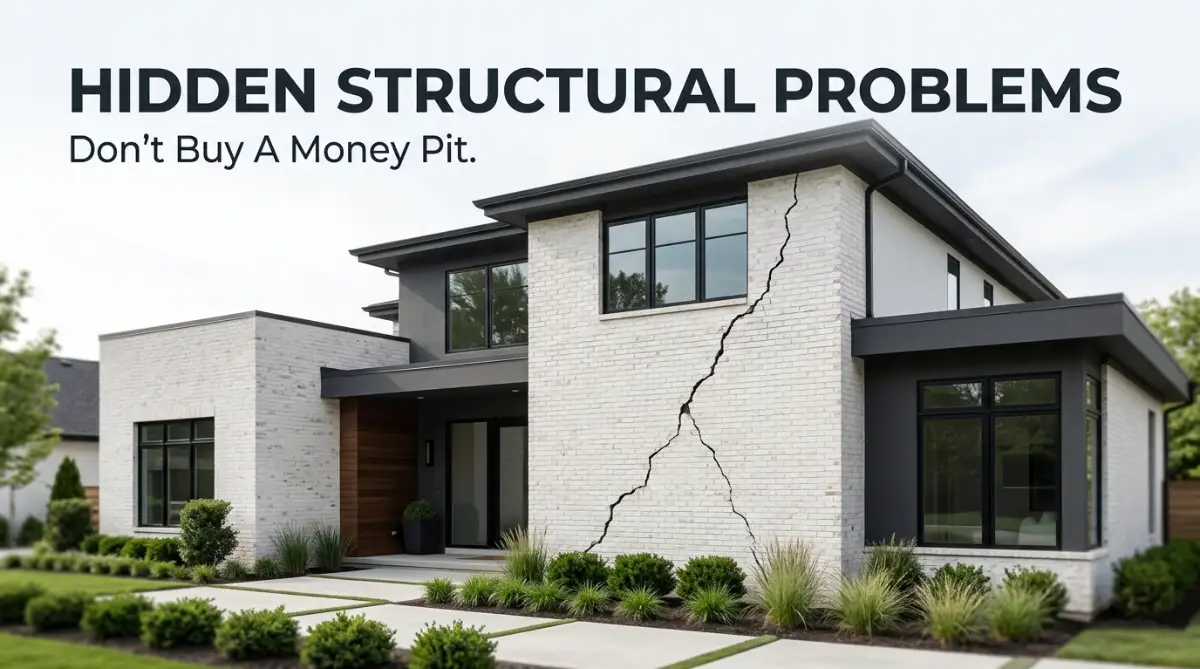
Touring an aesthetically staged property with pristine white walls, quartz countertops, and polished hardwood floors frequently creates an immediate emotional connection for prospective buyers. However, extensive cosmetic renovations are routinely deployed to mask severe underlying structural defects that can jeopardize an entire investment.
A common pitfall during open-house walkthroughs is focusing exclusively on decorative finishes while overlooking critical architectural warning signs. Subtle indicators—such as unlevel flooring, separated baseboard joints, or hairline stress fractures radiating from door frames—often signal that a residential structure is experiencing differential foundation settlement.
Acquiring a home with unaddressed foundation settlement or compromised floor joists leads to catastrophic financial strain and complex engineering repairs. This guide breaks down the essential structural red flags every buyer must inspect during a walkthrough, explains the engineering distinction between normal settling and active subsidence, and provides a systematic framework to evaluate a property's physical skeleton before executing a contract.
Quick Summary
Buying a property is a massive investment, but fresh paint often hides deep, expensive structural damage. By learning to spot subtle red flags like diagonal wall cracks, sticking doors, and bouncy floors, you can protect your life savings. This guide breaks down exactly what to look for during a home walkthrough. Knowing the difference between normal settling and major foundation failure is your best defense against buying a money pit.
Key Takeaways
- Do not trust fresh paint: Sellers often use quick cosmetic fixes to hide serious structural problems right before a listing goes live.
- Check the gaps: Doors that stick, windows that will not open, and gaps between baseboards and floors are major warning signs.
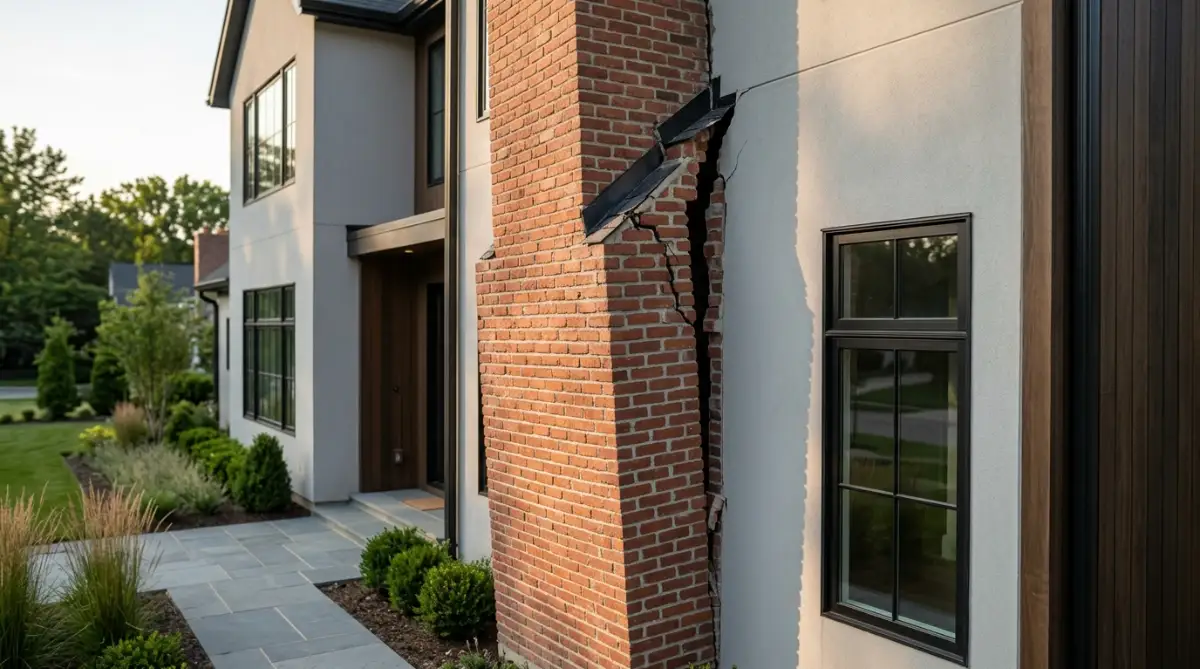
- Direction matters: Diagonal cracks starting from the corners of window frames are a huge red flag for foundation shifting.
- Always trust your feet: If a floor feels bouncy, soft, or uneven as you walk across it, the floor joists underneath might be compromised.
- Water is the enemy: Musty smells and hidden moisture often lead to rotting wood, which destroys a home's structural integrity over time.
The Silent Language of Wall Cracks
When you walk into a house, your eyes naturally gravitate toward the beautiful light fixtures and the spacious layout. However, you need to start training your eyes to look directly at the corners of the rooms. Houses communicate their pain through cracks in the drywall, but not all cracks mean the house is falling apart.
Very fine, hairline cracks that run vertically or straight horizontally are often just normal signs of the house settling. Wood framing expands and contracts with the weather, causing minor stress on the drywall. But if you see a crack that looks like a jagged staircase, you need to pay close attention.
Diagonal cracks that shoot out from the top corners of door frames or windows are massive red flags. This usually means the foundation beneath that exact spot is sinking deeper into the dirt than the rest of the house. When the foundation shifts unevenly, it literally tears the wall frame apart.
Normal Settling vs Structural Subsidence
People often confuse a house simply "settling" with a house that is actively sinking into the earth. It is incredibly easy to brush off a crack by saying the house is just old. To help you understand the difference, let us look at exactly what separates a minor cosmetic issue from a massive structural disaster.
When the Floors Feel Like a Trampoline
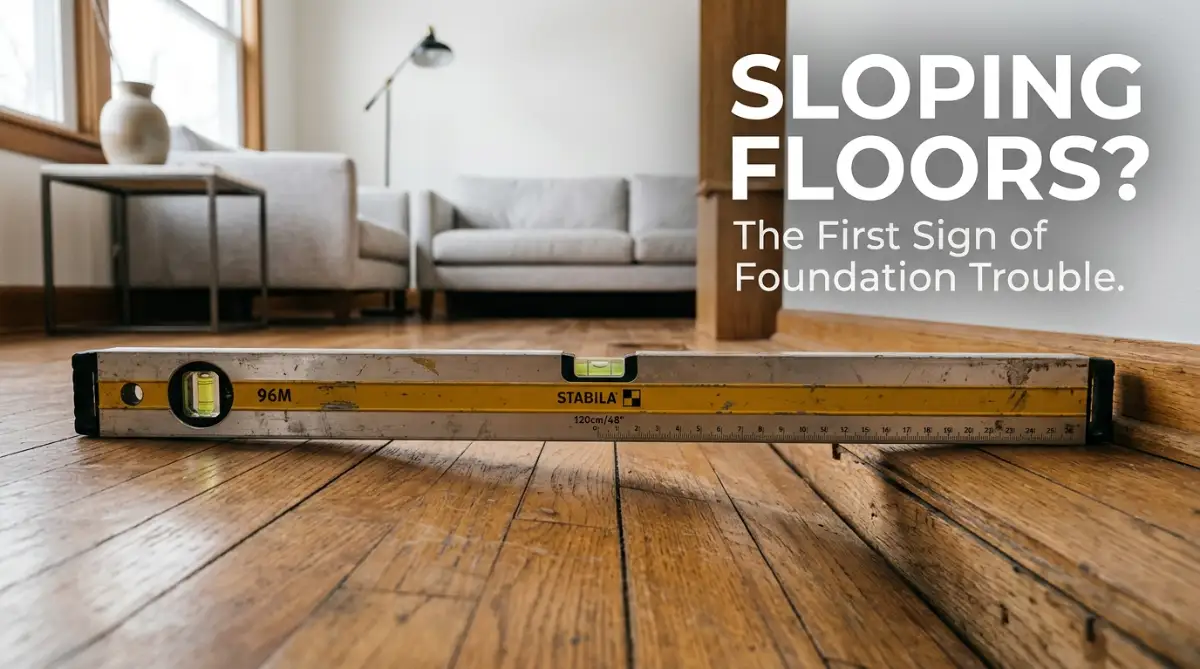
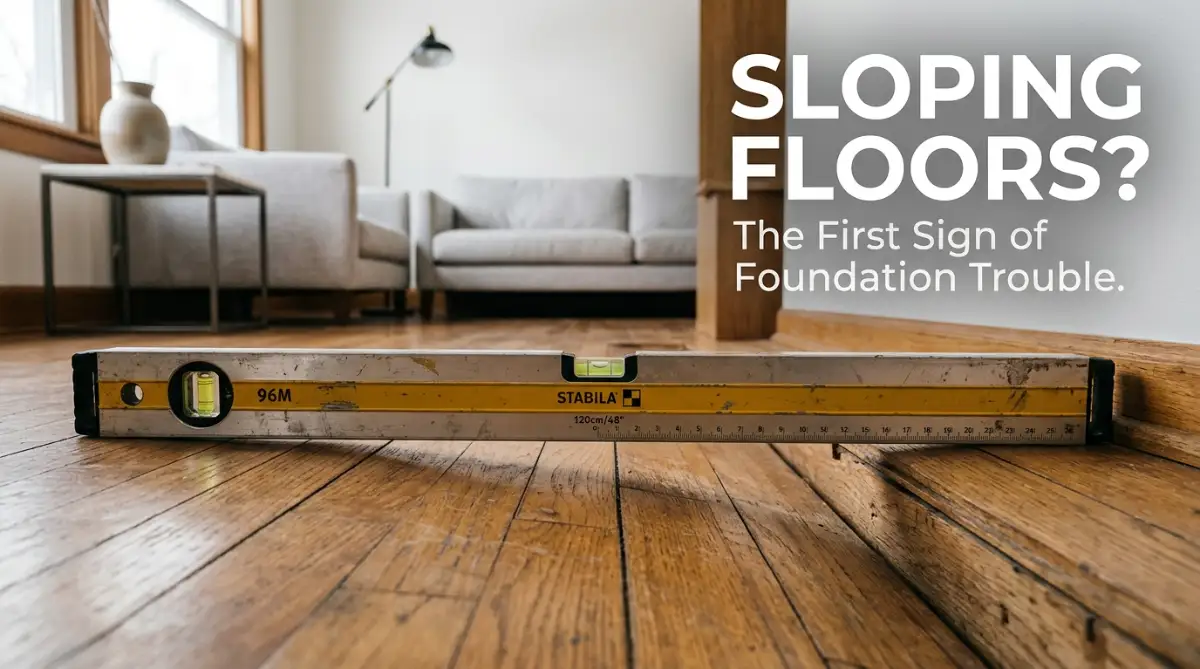
Have you ever walked across a room and felt the furniture slightly shake with every step you take? A healthy, structurally sound floor should feel as solid as concrete beneath your feet. If the floor feels bouncy, soft, or dips in certain areas, the bones of the house are struggling to hold the weight.
Beneath the beautiful hardwood or carpet, there is a complex system of wooden beams called joists. These joists carry the entire load of the living space. If moisture, termites, or poor construction compromises these joists, they start to sag under pressure.
Sometimes, amateur renovators will cut completely through these essential support beams to run plumbing pipes or electrical wires. They make the house look amazing on the surface while quietly destroying its structural integrity. Always pay attention to how the house feels, not just how it looks.
Real-Life Math: The True Cost of Skipping an Inspection
Let us meet David. He found a beautifully renovated vintage home listed for $350,000 in a great neighborhood. The housing market was incredibly hot, so David waived his home inspection contingency to win the bidding war.
He noticed a slight slope in the kitchen floor but assumed it just added "character" to an older home. Six months later, the kitchen tiles started snapping in half. A structural engineer discovered that the main load-bearing beam in the crawlspace was completely rotted from water damage.
To jack up the house, replace the massive support beam, and fix the ruined kitchen floor, David was handed a bill for $18,500. His entire emergency savings fund was instantly wiped out. If David had just spent $500 on a professional structural inspection, he could have negotiated the repair price or walked away entirely.
Windows and Doors That Fight Back
One of the easiest ways to test a home's structural health requires zero tools and takes only a few seconds. Walk around the house and try to open and close every single door and window. If the house has strong, stable bones, everything should glide smoothly and latch perfectly.
When a foundation shifts or sinks, the wooden framing of the house twists out of shape. The perfectly square door frames suddenly become parallelograms. This causes the top of the door to scrape against the frame, making it incredibly hard to shut.
You might also notice doors that refuse to stay open, slowly swinging shut like a ghost is pushing them. Sellers will sometimes shave down the top of a wooden door to make it fit into a crooked frame. If you see uneven gaps at the top of a closed door, the house is definitely moving.
Intro to Expert Advice:
If you want to see exactly how professionals spot these hidden issues in real time, you need to watch this brilliant breakdown. This inspector reveals the exact spots most buyers completely ignore during an open house.
The Sneaky Presence of Water Damage
Water is without a doubt the most destructive force a property will ever face. It does not just ruin drywall; it slowly eats away at the very materials holding the house together. A persistent, musty smell in a basement or crawlspace is often your first warning sign of a hidden nightmare.
When water constantly pools around a home's foundation, it creates extreme pressure against the concrete walls. Over time, this hydrostatic pressure will cause the concrete to bow inward or crack completely open. Once moisture gets inside the walls, it invites wood-destroying insects and toxic mold to take over.
You should always look closely at the baseboards and the bottom of drywall in finished basements. If the paint is bubbling, peeling, or looks slightly stained with a yellow tint, water is hiding behind that wall. A dry house is a strong house; never underestimate a small leak.
Where Moisture Hides and What It Destroys
Understanding where water is coming from can help you determine how bad the structural damage might be. Different moisture sources attack different parts of the home's skeleton. Here is a breakdown of what happens when water is left ignored.
Pro Tip: Always examine the exterior soil grade surrounding the perimeter of the foundation. A yard that slopes inward toward the foundation walls directs thousands of gallons of stormwater runoff directly against the concrete structure during heavy rainfalls. This improper grading triggers severe hydrostatic pressure, washing away supporting subsoil and causing foundation walls to crack or bow inward.
The Honest Pros & Cons of Buying a Fixer-Upper
Sometimes, buyers intentionally look for properties with structural issues to get a massive discount. While this can be a smart investment strategy for experienced flippers, it is extremely risky for the average buyer. Before you take on a property with known foundation or framing issues, consider these points.
The Pros:
- You can often purchase the property significantly below market value.
- Sellers are usually much more willing to negotiate on the final closing price.
- Fixing structural issues allows you to rebuild the home exactly to your own custom standards.
- Once the foundation is fully repaired and certified, the property value instantly skyrockets.
The Cons:
- Structural repairs are notoriously unpredictable; a $10,000 budget can quickly turn into $30,000.
- Traditional mortgage lenders often refuse to finance homes with severe structural damage.
- You cannot live in the house while major foundation lifting or framing replacement is happening.
- Hidden secondary issues like mold, outdated plumbing, or termite damage are usually discovered during the repair process.

Looking Up: Sagging Roofs and Attic Secrets
We spend so much time looking at floors and walls that we often forget to step outside and look at the roof. Walk across the street and take a long, hard look at the main roofline of the house. The ridge at the very top should be a perfectly straight, crisp horizontal line.
If the roofline looks like it is drooping in the middle, resembling a sad smile, the house is in deep trouble. This sagging indicates that the load-bearing walls are spreading apart or the roof rafters have been compromised. Sometimes, this happens because a previous owner removed a wall inside the house without realizing it was supporting the roof.
If you get the chance to look inside the attic, shine a bright flashlight on the wooden beams. You are looking for dark water stains, cracking wood, or beams that look visibly bowed under the weight of the shingles. A healthy roof structure is just as important as a healthy foundation.
Your Final Walkaround Checklist
To make sure you never walk blindly into a terrible real estate deal, you need a system. Having a visual checklist keeps your emotions in check when you fall in love with a beautiful kitchen. Keep this simple checklist in mind the next time you tour a potential new home.
Expert Tip:
Always bring a simple glass marble with you when touring a home. Place it gently in the center of an uncarpeted room and see if it rolls away on its own. If the marble quickly accelerates toward one specific corner, you have just discovered a severe slope in the floor that your eyes might have completely missed!
Taking Control of Your Investment
Finding the perfect property is an emotional rollercoaster, and it is incredibly easy to let beautiful aesthetics blind you. Staging furniture, fresh flowers, and the smell of baked cookies are designed to make you fall in love. But your job as a smart buyer is to look past the makeup and analyze the actual bones of the structure.
You do not need to be an engineer to spot the early warning signs of hidden damage. By simply paying attention to sticky doors, jagged wall cracks, bouncy floors, and unusual smells, you protect your financial future.
Never let a seller rush you through a walkthrough, and never skip a professional home inspection just to win a bidding war. The few hundred dollars you spend on a thorough structural evaluation is the best insurance policy you will ever buy. Take your time, trust your gut, and ensure your dream home stands on a foundation built to last.
Advanced Diagnostic Secrets for Smart Property Buyers
While looking for major warning signs is highly effective, advanced tools give you an unfair advantage. Experienced investors do not just walk through a house looking at cosmetic finishes. They use simple, highly effective technology to peer behind the drywall and beneath the floorboards.
One of the best tools you can use is a non-invasive moisture meter. You can gently press this device against basement walls or beneath bathroom sinks to detect active water leaks that have not stained the drywall yet. It helps you avoid dealing with the hidden expenses of homeownership down the line.
Another advanced secret is hiring a plumber to perform a sewer scope inspection. This involves running a specialized camera all the way from the house to the main city sewer line. Tree roots can break through underground pipes, causing soil erosion that quietly washes away the dirt beneath your foundation.
Advanced Inspection Tools and What They Uncover
Using the right diagnostic tools can save you from buying a property with massive hidden defects. This table outlines the specific tools professionals use to inspect the structural health of a home.
Pro Tip: Always check the grading around the foundation during or immediately after a heavy rainstorm. If you see water pooling against the foundation wall, the soil is working against your home's structural integrity, and you will eventually face water damage.
To protect your investment over the long term, you must keep gutters completely clean and extend downspouts at least six feet away from the house. Consistently maintaining the soil moisture around your foundation prevents clay-rich dirt from shrinking and pulling away from the concrete. If you notice minor concrete cracks in your driveway or basement floor, seal them immediately to prevent water from entering and freezing.
Dangerous Blind Spots to Avoid When Evaluating a Property
It is incredibly easy to let your emotions dictate your decisions when you find a house that fits your lifestyle. Many buyers fall in love with the modern kitchen or the large backyard and completely ignore structural flaws. This emotional blind spot can cost you your entire savings, especially when calculating the true cost of your first home before putting down an offer.
Another common mistake is assuming that newer homes are completely immune to structural failure. Poor soil preparation, cheap construction materials, and rushed building schedules can cause a five-year-old home to sink just like a fifty-year-old home. Never skip a professional inspection simply because a property looks clean and modern.
Common Mistakes Homebuyers Make
- Trusting cosmetic renovations: Flippers often use fresh paint, cheap laminate flooring, and crown molding to cover up deep, active foundation cracks.
- Skipping the crawlspace inspection: Many buyers avoid crawling under the house because it is dirty, missing rotten wooden supports and moldy joists.
- Ignoring the neighborhood landscape: If neighboring homes show clear signs of foundation repairs, the soil in the entire area is likely unstable.
- Failing to check building permits: Homeowners often build additions or knock down walls without proper permits, unknowingly compromising load-bearing structures.
- Relying solely on the seller's inspection report: Always hire your own independent inspector who represents your interests, not the seller's interests.
Separation of Myths and Structural Realities
Many homeowners believe common misconceptions about how houses age and settle. Let us examine the actual structural reality behind these popular myths.
Before you try to get pre-approved for a house with hidden structural issues, you need to understand the structural reality. Ignoring these facts can trap you in a home that is impossible to resell.
Your Step-by-Step Property Evaluation Plan
If you want to protect your savings, you must approach every home viewing with a clear plan of action. Here is the exact process you should follow from the moment you step onto the property.
Step 1: Conduct an Exterior Walkaround
Before entering the house, walk around the entire perimeter to inspect the foundation. Look for cracked bricks, bowing concrete walls, and soil that slopes toward the house rather than away from it.
Step 2: Test the Moving Parts
Once inside, open and close every single door, window, and cabinet. Pay close attention to any door that sticks, rubs against the frame, or swings open on its own.
Step 3: Check the High-Risk Areas
Head straight to the basement, crawlspace, or attic with a high-powered flashlight. Search for musty odors, damp drywall, sagging ceiling beams, and insect activity.
Step 4: Hire a Specialized Professional
If you spot any warning signs, hire a licensed structural engineer before finalizing the purchase. They will provide an unbiased report on the building's structural integrity.
Quick Action Checklist
- Look for diagonal cracks starting at the corners of windows.
- Check if the kitchen or bathroom countertops are separating from the wall.
- Run water in the sinks and check if the drains flow slowly due to shifted pipes.
- Tap basement wood framing with a screwdriver to check for soft, rotten wood.
- Verify that all previous structural repairs have a transfer