

Reading Time: 15 Minutes
Difficulty Level: Beginner to Intermediate
Reviewed By: FinanceInfoIn Editorial Team
The Sweaty Palms of Stepping Into Your Potential New Home
My hands were shaking so much I could barely hold the glossy property flyer. I was standing in the middle of a beautifully staged living room, completely overwhelmed by the smell of fresh vanilla cookies and new paint. The real estate agent was smiling at me, waiting for me to say something smart.
Instead, my mind went completely blank. I had my life savings sitting in a bank account, ready for a down payment, but I suddenly realized I had absolutely no idea how to evaluate a house.
I just nodded, smiled, and asked where the nearest grocery store was. That small moment of panic ended up costing me thousands of dollars in hidden plumbing repairs just six months later, all because I was too intimidated to ask the hard questions.
We often walk into an open house and instantly fall in love with the stainless steel appliances or the large backyard. We start imagining our furniture in the living room and our dog running around outside.
But behind those fresh coats of paint and perfectly fluffed pillows, a house can hide expensive secrets. As a first-time homebuyer, your lack of experience is your biggest vulnerability. Sellers and listing agents know exactly how to highlight the good and distract you from the bad.
This blind optimism quickly turns into sleepless nights. You might find yourself lying awake, wondering if the weird stain on the ceiling means the roof is leaking. You worry if the neighborhood gets dangerously loud at night.
The mental toll of not knowing what you are actually buying can ruin the joy of homeownership. The fear of making a massive financial mistake constantly sits on your chest like a heavy stone.
Quick Summary
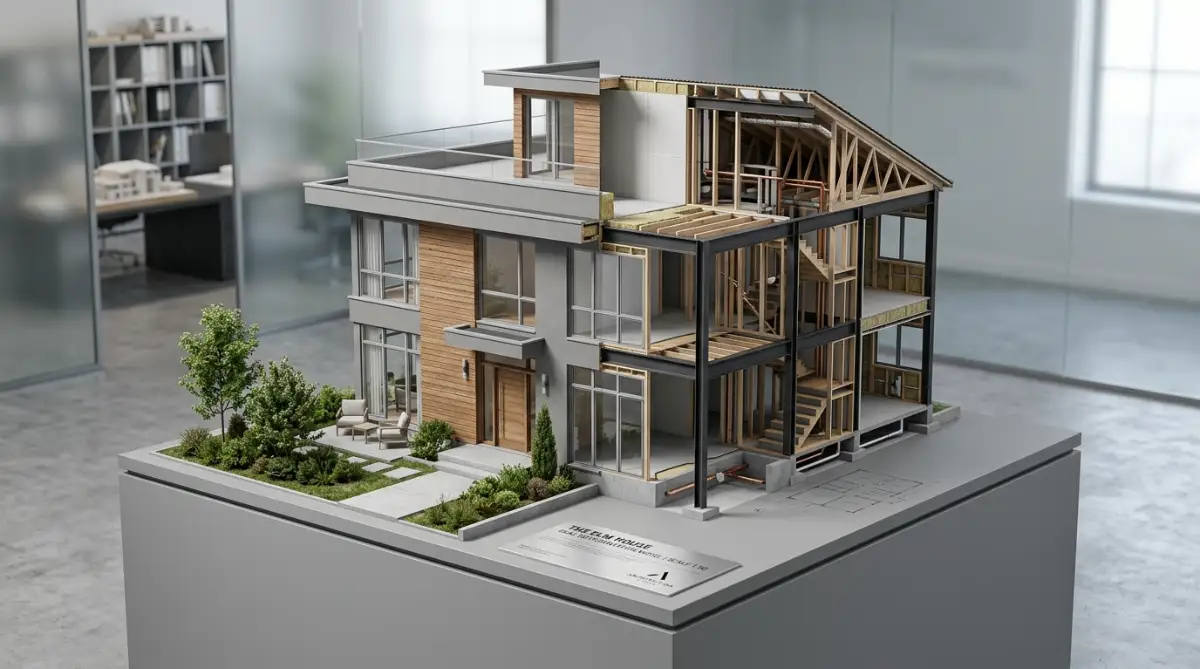
Buying your first home is exciting but filled with hidden financial traps. This guide breaks down exactly what you need to look for and the specific questions you must ask during a house tour. By knowing how to check the age of major systems, understanding property lines, and uncovering hidden issues, you can protect your life savings and buy a home with absolute confidence.
Table of Contents
- The Sweaty Palms of Stepping Into Your Potential New Home
- Why Looking Past the Fresh Paint is Non-Negotiable
- Key Takeaways
- The Big Questions: Structural Health and Major Systems
- Understanding the Financial Reality Behind the Price Tag
- Evaluating the Neighborhood and Surrounding Area
- Navigating Seller Timelines and Disclosures
- Leaving the Open House with Total Confidence
Why Looking Past the Fresh Paint is Non-Negotiable
When you buy a house, you are not just buying the space between the walls. You are taking full financial responsibility for the foundation, the roof, the pipes inside the walls, and the dirt underneath it all.
Asking the right questions during a house tour shifts your mindset from a casual shopper to an informed investor. A house tour should not be a passive walk-through. It needs to be an active investigation.
Think of it like buying a used car. You would never pay full price just because the exterior was washed and waxed. You would look under the hood, check the tires, and ask for the maintenance history.
Key Takeaways
- Always ask for the specific age of the roof, HVAC, and water heater to predict future expenses.
- Never assume the property lines end where the fence is built; always request an official survey.
- Fresh paint in only one specific area can sometimes be a cover-up for recent water or mold damage.
- A home inspection is totally different from a bank appraisal, and you strictly need both.
- Asking why the seller is moving can give you massive leverage during price negotiations.
The Big Questions: Structural Health and Major Systems
The most expensive parts of a home are usually the things you cannot easily see. If the core structural systems fail, no amount of beautiful kitchen cabinets will make you feel better.
You need to ask your agent exactly how old the "Big Three" are. The Big Three include the roof, the HVAC (heating and cooling) system, and the water heater.
If a roof is nearing the end of its lifespan, you need to know immediately. Replacing a roof can easily wipe out your emergency fund in a single weekend. Ask the listing agent for documentation showing when these systems were last serviced or replaced.
Honest Pros & Cons: Buying a "Turnkey" Home vs. a "Fixer-Upper"
- Pros of a Turnkey Home: You can move in immediately without any stressful renovations. Major systems are usually new or updated, reducing unexpected costs.
- Cons of a Turnkey Home: The purchase price will be significantly higher. You are paying a premium for someone else's design choices.
- Pros of a Fixer-Upper: You can often buy the property below market value and build equity quickly. You get to customize the home exactly to your taste.
- Cons of a Fixer-Upper: Renovations always take longer and cost more than you initially plan. Living in a construction zone can be incredibly stressful for your family.
If you notice a weird smell, speak up. A musty odor in the basement or utility room is a massive red flag. It often points to hidden moisture, poor drainage, or active mold growth.
Do not let anyone brush off your concerns by saying the house just needs to be aired out. Ask if there has ever been water in the basement or if a sump pump has been installed.
Understanding the Financial Reality Behind the Price Tag
A common mistake new buyers make is only looking at the monthly mortgage payment. But owning a property comes with a pile of extra expenses that can stretch your budget to the breaking point.
You must ask about the average utility bills for the past year. A large, older home might look affordable on paper, but poor insulation could cause your winter heating bills to skyrocket.
Always ask for a clear breakdown of the property taxes and whether they are expected to increase soon. Many first-time buyers get a nasty shock when their monthly payment jumps due to a tax reassessment.
If the home is part of a Homeowners Association (HOA), you need to dig deep into their rules and fees. Ask to see the HOA documents before you make an offer.
Some associations have strict rules against parking trucks in the driveway or painting your front door a certain color. You also need to know if the HOA has enough money in its reserve fund to cover major community repairs.
Real-Life Math: The True Cost of an Aging Roof
Let us look at a real scenario with a young couple named David and Sarah. They found a home listed for $300,000 that fits their budget perfectly. However, during the tour, they learned the roof is 22 years old and showing signs of heavy wear. A standard asphalt shingle roof lasts about 20 to 25 years.
If they buy the house today, they will likely need to spend around $10,000 for a total roof replacement within the next 24 months. If they roll that $10,000 into their upfront thinking, the house actually costs them $310,000. By doing this simple math early, David and Sarah can ask the seller to drop the price or offer a credit at closing to cover the upcoming expense.
Evaluating the Neighborhood and Surrounding Area
You can fix an ugly kitchen, but you cannot pick up your house and move it to a better street. The neighborhood determines your daily quality of life just as much as the house itself.
While you are walking through the property, ask the agent about the noise levels at different times of the day. Is there a train track nearby, or does the street become a chaotic shortcut during rush hour traffic?
Expert Tip: Whenever you are seriously considering making an offer, drive through the neighborhood on a Friday night and a Tuesday morning. You will see a completely different side of the community than what you see on a quiet Sunday afternoon open house.
Always ask about the property lines. Just because a fence is standing in the backyard does not mean that is where your land actually ends. Sometimes, fences are built slightly inside the neighbor's property line by mistake.
Are there any future development plans for the empty lot down the street? You do not want to buy a house for its beautiful view of a quiet forest, only to have a giant shopping center built there next year. You can usually check zoning plans with the local city planning office.

Navigating Seller Timelines and Disclosures
Understanding the person selling the house can give you an incredible advantage. You should always ask, "Why is the seller moving?"
If they are relocating for a job and need to move by next month, they might be highly motivated to accept a lower offer for a quick closing. If they are just testing the market and have nowhere to go, they will likely be much harder to negotiate with.
If you find this guide helpful, check out this great breakdown from a real estate expert who explains exactly what to look for when touring older homes. It perfectly visualizes the hidden traps we just discussed!
Another essential question is asking how long the property has been on the market. If a house has been sitting unsold for several months in a busy market, something is wrong.
It might be terribly overpriced, or previous buyers might have backed out after finding terrible issues during their inspections. Do not be afraid to ask if there have been any previous offers that fell through.
You also need to ask for the seller's property disclosure statement. This is a legal document where the seller must list any known problems with the home.
Pro Tip: I once toured a house that looked absolutely flawless on the surface. But when I actually read the disclosure statement, the seller admitted the basement flooded every single spring. If I had not asked for that simple piece of paper, I would have bought a complete nightmare.
Look closely at the ceilings in every room. If you see fresh, bright white paint on just one section of a ceiling, ask what happened. Often, sellers will try to paint over a recent water leak to make the house look perfect for the tour.
Leaving the Open House with Total Confidence
Walking through a potential new home should be an empowering experience, not a terrifying one. Every time you ask a tough question, you are protecting your future finances and your peace of mind.
Real estate agents respect buyers who know what they want and demand clear answers. Do not let anyone rush you through a room or distract you from investigating a suspicious crack in the wall.
Remember, there is no such thing as a completely perfect home. Every house will have some quirks and maintenance needs.
The goal is not to find a property with zero issues. The goal is to know exactly what those issues are before you sign your name on a massive mortgage contract.
Take a deep breath, keep your checklist handy, and trust your gut. If something feels off, or if an answer seems incredibly vague, keep asking questions until you feel completely satisfied. Your future self, relaxing comfortably in a safe and solid home, will thank you for doing the hard work today.
Looking Beyond the Staging: Pro-Level Inspection Secrets
Once you cover the basic structural questions, it is time to dig a little deeper into the daily functionality of the house. Anyone can walk through a living room and admire the natural light. A smart buyer actively tests how the house actually operates.
You need to rely on your hands and ears just as much as your eyes. Turn on the faucets in the kitchen and the bathrooms at the same time. This simple trick will instantly tell you if the home has terrible water pressure.
Pro Tip: Always carry a basic phone charger plug in your pocket during a house tour. If you walk into an older home, plug it into random wall outlets to make sure the electrical wiring is actually active and safe.
Ask your real estate agent to show you the main electrical panel. If you see a mess of tangled wires or a panel covered in rust, you are looking at a massive fire hazard. Updating an entire electrical system will heavily impact the true cost of your first home.
Pay very close attention to the windows in every single room. Try opening and closing a few of them yourself. If the windows are painted shut, stuck, or feel extremely drafty, replacing them could cost you thousands of dollars down the road.
If the home has a fireplace, ask when the chimney was last swept and inspected. A neglected chimney can hold dangerous creosote buildup, which easily causes aggressive house fires.
Myth vs. Reality in Real Estate Tours
Check the exterior grading of the dirt around the foundation walls. The ground should heavily slope away from the house, pulling rainwater into the yard. If the dirt slopes toward the foundation, every heavy rainstorm will dump water directly into your basement.
Take a moment to step entirely away from the agent and the seller. Stand in the middle of the master bedroom and just listen in total silence. You might hear aggressive plumbing noises, loud traffic, or noisy neighbors that the background music was trying to hide.

The Most Expensive Traps Inexperienced Buyers Fall Into
Buying a home is an intensely emotional experience, and sellers know exactly how to play on your feelings. The moment you let your emotions override your logic, you put your life savings in serious danger. Many buyers walk in, smell the fresh cookies, see the beautiful couch, and immediately stop looking for flaws.