

Reading Time: 12 Minutes
Difficulty Level: Beginner to Intermediate
Reviewed By: FinanceInfoIn Editorial Team
Table of Contents
- Quick Summary
- Key Takeaways
- The Trap of Falling in Love with Four Walls
- Why Our Brains Betray Us During Property Tours
- The Dangerous "Halo Effect" in Real Estate
- Honest Pros & Cons: Buying a House Based on Feelings
- Bidding Wars and the Fear of Missing Out
- Confusing Real Estate Terms That Push You Into Bad Deals
- Keeping Your Ego Out of the Negotiation
- Building Your Logical Defense System
- Final Thoughts on Staying Grounded
Quick Summary
Buying a home is often driven by hidden psychological triggers rather than pure financial logic. Smells, staging, and perceived competition can easily force buyers into making highly emotional, expensive errors. This guide breaks down exactly how your brain works against you during house hunting. You will learn actionable strategies to protect your bank account from costly real estate traps.
Key Takeaways
- Never let professional staging blind you to major structural flaws.
- Always stick to your pre-planned budget, regardless of heavy competition.
- Separate the idea of a "dream home" from a solid financial investment.
- Bring a neutral third party to property tours to maintain objectivity.
The Trap of Falling in Love with Four Walls
Standing in the middle of that sunlit living room, my heart was racing. The smell of fresh vanilla cookies filled the air, and soft jazz played quietly in the background.
I was completely hypnotized by the massive kitchen island and the perfectly arranged modern furniture. At that exact second, I completely forgot about the cracked driveway I saw outside.
I ignored the fact that the property taxes would drain my savings every single month. All I could picture was my family hosting perfect holiday dinners in this exact space.
The real estate agent noticed my glowing eyes and leaned in with a soft, urgent voice. They whispered that another couple was coming back for a second look that afternoon.
A heavy knot instantly formed in my stomach. I panicked, thinking someone else was going to steal "my" perfect future.
I stepped outside, pulled out my phone, and blindly told my broker to offer way above the asking price. I did not even look at my bank app to see if I could actually afford the emergency repairs.
This is exactly how smart people end up making terrible financial decisions. We let temporary feelings hijack our long-term financial security.

Why Our Brains Betray Us During Property Tours
When you walk into a house, your brain starts processing a massive amount of sensory data. Sellers know this, which is why professional staging is a multi-million dollar industry.
They paint the walls in calming colors, turn on every single light, and bake bread before you arrive. These sensory inputs bypass your logical brain and go straight to your emotional center.
You are no longer looking at wood, pipes, and concrete. You are suddenly buying a lifestyle, a status symbol, and a fantasy.
The Dangerous "Halo Effect" in Real Estate
The "Halo Effect" is a well-known psychological bias. It happens when one positive feature of a property makes you blind to all its negative features.
You might see a brand-new luxury bathtub and automatically assume the plumbing system is flawless. You spot a perfectly manicured lawn and completely ignore the heavily damaged roof above it.
Your brain wants the house to be perfect because you are tired of searching. So, it actively filters out anything that might ruin the fantasy.
Honest Pros & Cons: Buying a House Based on Feelings
Before you sign a thirty-year contract, you need to understand both sides of an emotional purchase. Here is a clear breakdown of what happens when you let feelings lead the way.
- The Pros:
- You feel a deep, immediate sense of personal attachment and pride in the property.
- The strong emotional connection motivates you to maintain and decorate the house beautifully.
- Finding a home that simply "feels right" can bring significant mental peace and satisfaction.
- The Cons:
- You will almost certainly overpay because you lose all your negotiating power.
- You are highly likely to overlook expensive repair issues during the home inspection.
- Financial stress will quickly replace that happy feeling once the massive monthly bills start arriving.
Bidding Wars and the Fear of Missing Out
Few things destroy a budget faster than the Fear Of Missing Out (FOMO). When you see other cars parked outside an open house, a primal instinct takes over.
You stop thinking about whether the house is a good fit for your family. Instead, your main goal shifts to simply beating the other buyers.
This phenomenon is known as "Loss Aversion" in behavioral psychology. The pain of losing the house feels much worse than the pain of overpaying for it.
A Real-Life Look at the Numbers
Let’s look at a realistic scenario with a couple named David and Sarah. They spent months creating a strict budget and got approved for a $350,000 mortgage.
They found a decent house listed at $340,000 and immediately put in a solid offer. Suddenly, the seller’s agent called to say there were three other competing offers on the table.
Panic set in, and Sarah insisted they increase their offer to $385,000 just to secure the deal. Let's see how that split-second emotional choice impacted their daily lives.
By letting FOMO take control, David and Sarah added hundreds of dollars to their monthly expenses. They won the bidding war, but they sacrificed their ability to save for vacations and emergencies.

Confusing Real Estate Terms That Push You Into Bad Deals
The real estate industry is packed with confusing jargon designed to make you feel rushed. When you do not fully understand the terms, you rely heavily on the agent's emotions to guide you.
This confusion creates a false sense of security during the buying process. People often think they are financially safe when they are actually taking huge risks.
One of the most common psychological traps involves misunderstanding your own buying power. Believing you have more money than you actually do is a recipe for disaster.
Understanding these basic differences keeps your feet firmly planted in reality. Do not let fancy industry words push you into signing something you barely comprehend.
"Watch this quick breakdown on exactly how professional real estate agents use subtle psychological tricks to make you bid higher during property tours."
Keeping Your Ego Out of the Negotiation
Negotiating a house price is not a street fight, but many buyers treat it like one. When a seller rejects your initial offer, it is very easy to feel personally insulted.
Your ego steps in, and you suddenly want to "win" the house at any cost. You stop looking at the comparable sales data and start throwing money at your bruised pride.
Sellers often exploit this competitive nature by purposely pricing the home slightly low. This artificially creates a frenzy of buyers trying to outsmart each other.
The "Endowment Effect" During Walkthroughs
Another strange trick our minds play on us is called the Endowment Effect. As soon as you start mentally placing your furniture in a house, you subconsciously feel like you already own it.
You start defending the house to your partner, downplaying the tiny kitchen or the busy road outside. Because your brain believes the house is yours, walking away feels like a painful loss.
To fight this, you must constantly remind yourself that you are just a visitor. It is just a building made of bricks and wood, and there are thousands of others exactly like it.
Building Your Logical Defense System
You cannot simply turn off your emotions, but you can build systems to manage them. The best way to protect yourself is to create strict rules before you ever start touring homes.
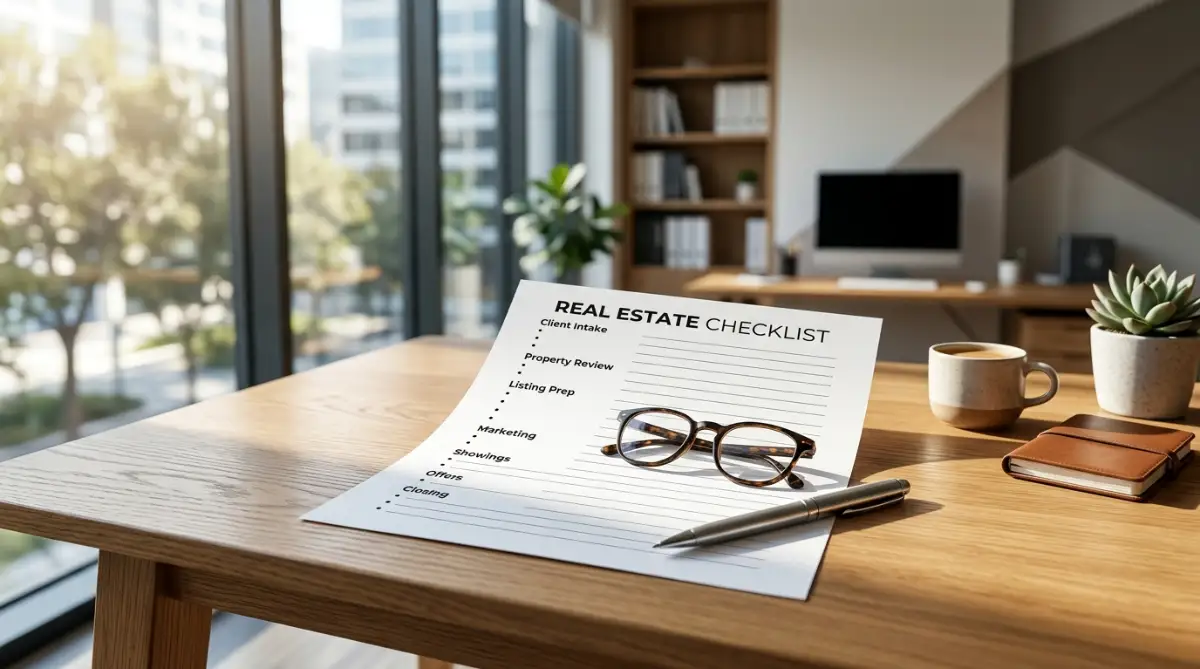
Write down your absolute non-negotiables on a piece of paper and keep it in your pocket. If a house lacks three of your must-have features, force yourself to walk out the door.
Never rely solely on your own judgment when making the biggest purchase of your life. Bring someone with you who does not care about the house at all.
The Power of the Neutral Observer
Expert Tip: Bring a highly practical, slightly pessimistic friend with you to every property showing. While you are staring dreamily at the shiny new countertops, they will be busy pointing out water stains on the ceiling and smelling the basement for mold.
A neutral friend acts as your anchor to reality. They are not blinded by the staging, the cookies, or the lighting.
They will ask the difficult questions that you are too embarrassed or too enchanted to ask. Listen to them carefully, even if their opinions irritate you at the moment.
How to Handle the Home Inspection Objectively
The home inspection is usually the final battleground between logic and emotion. Buyers often fall victim to the "Sunk Cost Fallacy" during this exact stage.
You have already spent money on appraisals and invested weeks of your time. So, when the inspector finds a massive termite problem, you try to rationalize it.
You tell yourself it is not that bad, or that you can fix it cheaply on weekends. You ignore the screaming red flags because starting over feels far too exhausting.
Walking away from a bad inspection report is the ultimate test of your financial maturity. It requires extreme discipline to abandon a house you have already grown to love.
Final Thoughts on Staying Grounded
My Personal Takeaway: I almost drained my entire emergency fund just to win a ridiculous bidding war last spring. It wasn't until I sat alone in my car, staring at my actual bank balance, that I realized my pride was doing the driving, not my brain. I walked away, and it was the smartest financial decision I have ever made.
Real estate transactions are intentionally designed to make you feel rushed and emotional. The industry thrives on urgency, beautiful presentation, and fierce competition.
Your greatest weapon in this market is your ability to pause, breathe, and look at the math. A house is a place to live, but a mortgage is a financial chain you wear for decades.
Take your time, trust the raw data, and never let anyone pressure you into a bad deal. There will always be another beautiful house hitting the market tomorrow morning.
Mastering Your Mindset: Advanced Tactics for Smart Buyers
Keeping your emotions completely separate from your wallet takes consistent practice. The moment you step into a beautifully staged home, your logical brain naturally wants to take a vacation.
To prevent this, you must build a bulletproof mental framework before you ever look at property listings. Treating the purchase like a strict business transaction is the only way to protect your future wealth.
One of the most effective strategies is adopting the "24-Hour Cool-Down Rule" for every single property you view. No matter how perfect the house seems, you must force yourself to sleep on it before making any offers.
During this waiting period, the artificial excitement begins to wear off. You will suddenly start remembering the tiny structural flaws or the noisy traffic outside that you initially ignored.
Pro Tip: When you tour a property, purposely take close-up photos of the ugly areas instead of the pretty rooms. Snap pictures of the old water heater, the chipped paint, and the cracked foundation to review later when your mind is clear.
The Exact Step-by-Step Execution Guide
You need a practical action plan to keep your feet firmly planted in reality. Follow these exact steps starting today to ensure you only make decisions based on cold, hard data.
Step 1: Finalize Your Maximum Walk-Away Number
Before looking at houses, sit down and calculate the absolute maximum monthly payment you can comfortably afford. Write this exact dollar amount on a sticky note and put it inside your wallet. If a bidding war pushes the price past this number, you must immediately walk away without hesitation.
Step 2: Secure Hard Proof of Your Buying Power
Do not just guess what you can afford based on online calculators. Go to a trusted lender and complete the process of securing your pre-approval letter. This forces you to confront your actual financial reality before you start dreaming.
Step 3: Build a Flaw-Finding System
Train yourself to look for expensive problems the moment you walk through the front door. Look directly at the ceiling for water stains, check under the sinks for mold, and test the water pressure. A smart buyer actively searches for major warning signs during a walkthrough rather than admiring the fancy decor.
Step 4: Consult Objective Third-Party Data
Never blindly trust the seller’s asking price. Review recent neighborhood sales data and consult federal housing guidelines to understand true market values. This step ensures you are paying for the actual property, not the seller's emotional attachment to it.
The Financial Pitfalls of Falling in Love with a House
Letting your feelings drive a massive real estate purchase usually ends in severe financial pain. When you fall desperately in love with a property, you instantly lose all your leverage in the negotiation.
Sellers can easily sense this desperation. They will refuse to fix anything or lower the price because they know you are too attached to walk away.
I have seen countless buyers completely drain their emergency savings just to cover the closing costs on a house they overpriced. Once the excitement fades, they are left sitting in a beautiful living room with absolutely no money for groceries.
If you ignore logic, the hidden ownership expenses will quickly turn your dream home into an absolute nightmare. You might find yourself working overtime every weekend just to pay for unexpected plumbing emergencies.
Common Mistakes That Will Break Your Bank Account
Here are the specific traps that emotional buyers fall into almost every single day. Understanding these errors is the best way to prevent them from ruining your own financial future.
- Waiving the Home Inspection: In a desperate attempt to win a house, buyers often skip the inspection. This single mistake can leave you paying tens of thousands of dollars for a failing foundation or hidden termite damage.
- Maxing Out the Pre-Approval Limit: Just because a bank says you can borrow half a million dollars does not mean you should. Maxing out your loan leaves zero room for property taxes, insurance hikes, or sudden job loss.
- Ignoring the Neighborhood Reality: Buyers often fall in love with the house but completely ignore the surrounding environment. Moving next to a noisy highway or an underfunded school district will destroy the property's future resale value.
- Using Emergency Funds for Down Payments: Pulling money from your retirement accounts or emergency savings to win a bidding war is incredibly dangerous. It leaves your family completely unprotected against sudden medical bills or sudden income drops.
Quick Action Checklist
Before you sign any legally binding real estate contract, make sure you have completely verified the following items. This checklist is your ultimate defense against a bad deal.
- Check your exact credit score and resolve any outstanding debts.
- Gather three months of bank statements to prove consistent income.
- Write down a strict list of three "Non-Negotiable" features your house must have.
- Use a reliable home affordability calculation tool to double-check your budget.
- Secure an independent home inspector who works only for you, not the real estate agent.
Always remember that the consumer mortgage protections exist for a reason. Taking unnecessary risks just to hold a set of shiny keys is never a wise strategy.