
Reading Time: 12 Minutes
Difficulty Level: Beginner to Intermediate
Reviewed By: FinanceInfoIn Editorial Team
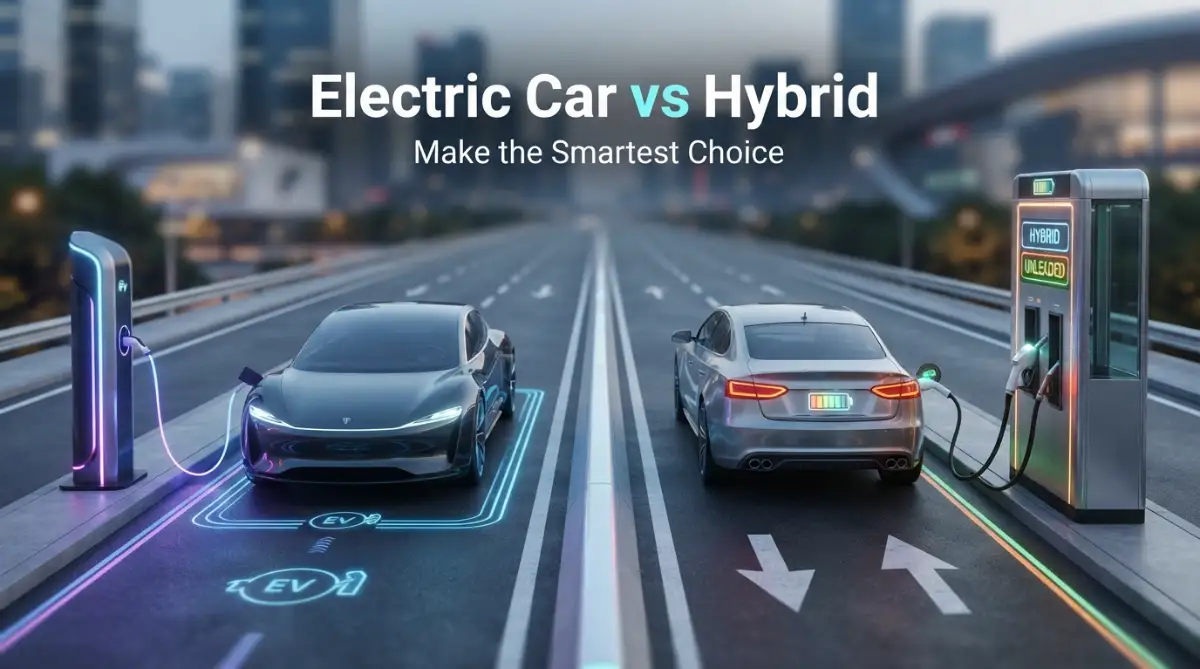
Choosing between a fully electric car and a hybrid isn't only about the environment. It's also one of the bigger money decisions you'll make this decade.
A hybrid usually costs less to buy, and there's no charger to install. An electric car, on the other hand, can bring your daily energy costs down by a lot, often by half or more.
But the sticker price and the fuel bill are only part of the story. Any available tax credits, the cost of setting up charging at home, and the difference in brake and engine maintenance all affect which car leaves more money in your pocket after five years.
So let's look at the real numbers together, and find the choice that makes the most sense for your budget.
Quick Summary
Choosing between an electric vehicle and a hybrid comes down to your daily driving habits, home charging setup, and budget. Electric cars offer massive savings on fuel and maintenance but require access to charging infrastructure. Hybrids eliminate range anxiety by combining a gas engine with an electric motor, making them perfect for road trippers and apartment renters. This guide breaks down the true costs, everyday realities, and hidden factors of both options.
Key Takeaways
- Fully electric vehicles (EVs) are best if you can install a Level 2 charger at home and have a predictable daily commute.
- Traditional hybrids (HEVs) require zero behavior changes—you just pump gas and get better mileage.
- Plug-in hybrids (PHEVs) offer a short electric range for daily errands and a gas engine for long weekend trips.
- Your local climate greatly impacts battery performance, with freezing temperatures reducing EV range significantly.
- Maintenance costs are generally much lower for fully electric vehicles due to fewer moving parts.
The Wake-Up Call at the Gas Pump
Staring at the gas pump numbers spinning wildly out of control while my friend sat quietly in his fully charged vehicle was a massive wake-up call for me. I was freezing, swiping my credit card, and mentally calculating how much of my weekly budget was disappearing into my fuel tank. Meanwhile, my friend had "filled up" his battery while sleeping in his warm bed the night before.
That exact moment made me question everything about my daily commute. We all feel the squeeze of unpredictable gas prices and the nagging guilt of high tailpipe emissions. But making the switch to new automotive technology feels incredibly overwhelming.
You start researching, and suddenly you are drowning in a sea of acronyms. EV, HEV, PHEV, kilowatts, and fast-charging networks start blurring together. It is completely normal to feel paralyzed by these choices.
You want to save money and drive something modern, but the fear of running out of battery on a lonely highway is very real. Will a fully battery-powered ride fit your lifestyle, or is a combination of gas and electricity the safer bet? Let us break down this massive decision into clear, everyday realities so you can finally feel confident about your next vehicle purchase.
Breaking Down the Battery Powered Dream
Living completely free from gasoline sounds like an absolute dream for most commuters. Fully electric vehicles run strictly on large battery packs and electric motors. You will never need an oil change, a spark plug replacement, or a new fuel filter ever again.
The driving experience is completely silent and incredibly smooth. When you press the accelerator, you get instant power without the lag of a traditional transmission shifting gears. However, this lifestyle requires a slight shift in how you think about "refueling."
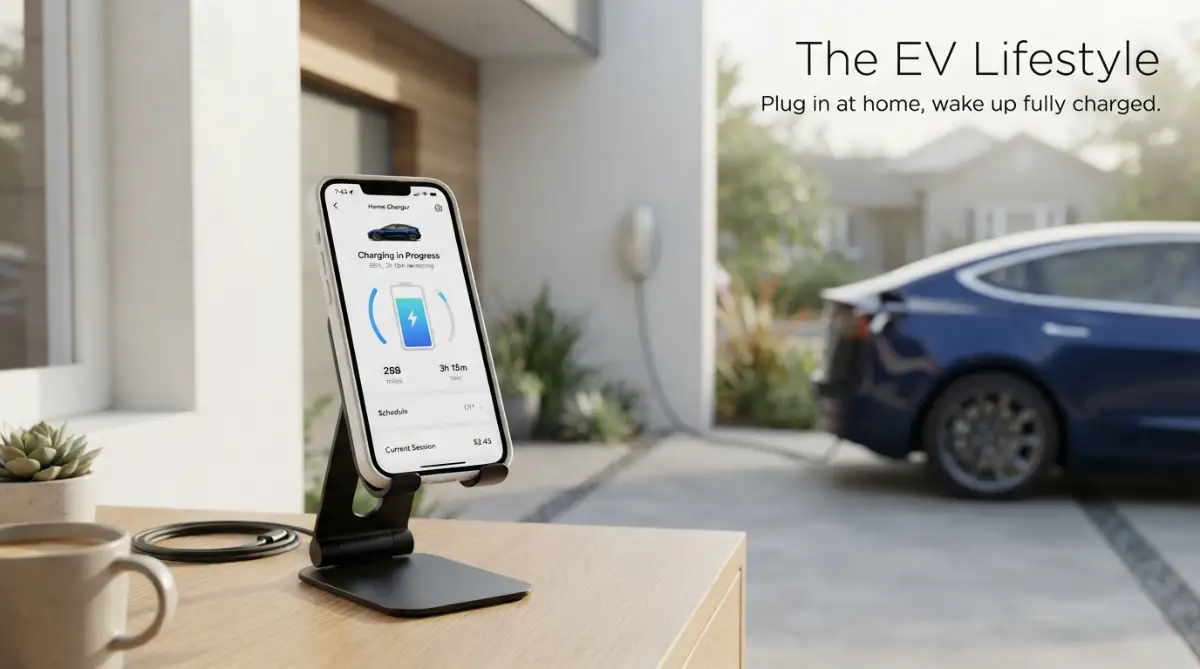
Instead of visiting a station once a week, you treat your vehicle like your smartphone. You plug it in when you get home, and it is ready at 100% when you wake up. This assumes, of course, that you have a driveway or garage where you can install a dedicated charger.
If you live in a dense apartment complex with street parking, relying solely on public fast chargers can quickly become a frustrating and expensive chore. You have to wait in line, sit in your car for thirty minutes, and pay premium rates for the electricity.
The Hybrid Middle Ground: Lower Upfront Costs vs. Ongoing Gas Station Bills
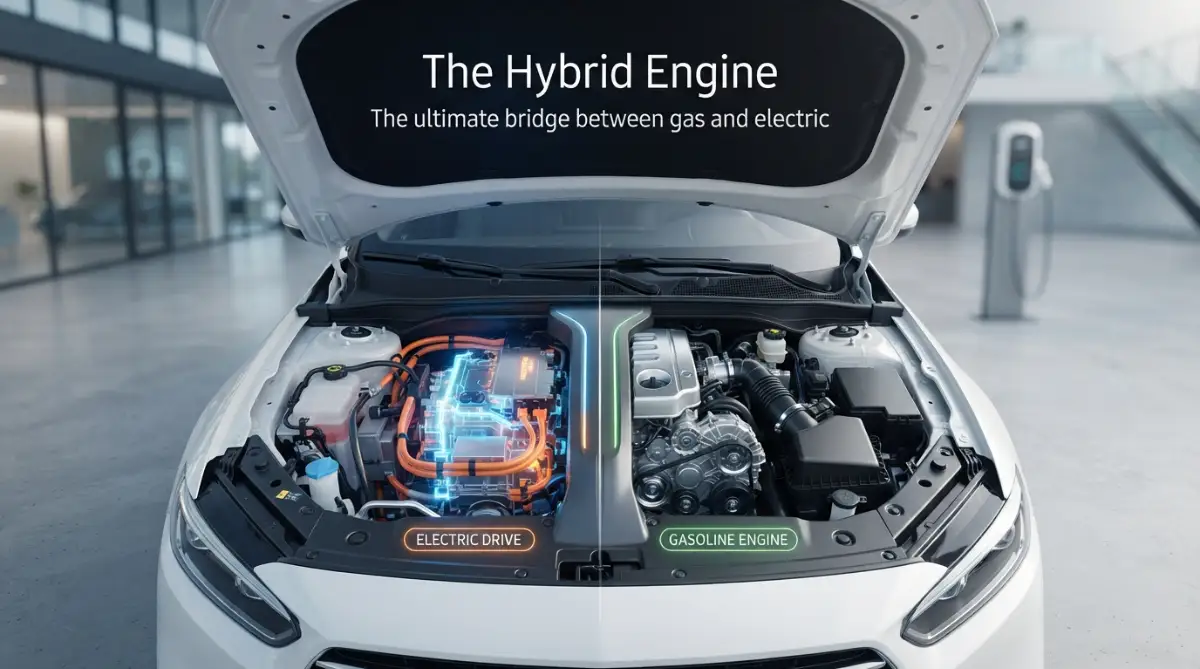
If the thought of searching for a charging station gives you a knot in your stomach, a hybrid might be your perfect match. These vehicles bridge the gap beautifully by pairing a traditional internal combustion engine with a small electric motor and battery pack.
The beauty of a standard hybrid is that it demands absolutely zero lifestyle changes from you. You still pull up to your favorite gas station, fill the tank, and drive away in three minutes. The internal computer seamlessly switches between gas and electric power to maximize your fuel economy.
Think of the electric motor in a hybrid as an invisible assistant. When you are stuck in slow-moving traffic, the assistant takes over, saving your gas. When you merge onto the highway, the gas engine kicks in to provide the heavy lifting.
Expert Tip: Pay close attention to the kind of driving you do the most. Hybrids actually get their best fuel economy in stop-and-go city traffic because the braking system captures energy to recharge the small battery. If you only drive long distances on the open highway at high speeds, a hybrid's fuel advantage drops slightly.
Running the Numbers: A Real-Life Cost Comparison
Let us look at a realistic scenario to understand the true financial impact of this decision. Meet David, a daily commuter who drives exactly 15,000 miles a year.
David is choosing between a popular electric crossover and a similarly sized hybrid SUV. For his electric choice, his home electricity rate is $0.15 per kilowatt-hour. His EV gets about 3.5 miles per kWh. Doing the math, driving 15,000 miles will cost him roughly $642 in electricity for the whole year.
Now, let us look at the hybrid option. The hybrid gets an impressive 40 miles per gallon. Assuming gas costs around $3.50 per gallon, David will buy 375 gallons of gas to drive those same 15,000 miles. His annual fuel cost will be roughly $1,312.
Right away, the EV saves David nearly $670 a year just on fuel. However, David also had to pay a one-time fee of $800 to have an electrician install a Level 2 charger in his garage. This means it will take him a little over a year just to break even on his home charging setup before he sees pure profit.
Confusing Alternatives: Traditional Hybrid vs. Plug-in Hybrid
One of the biggest roadblocks buyers face is mixing up standard hybrids (HEVs) with plug-in hybrids (PHEVs). This confusion often leads people to buy the wrong car for their lifestyle.
A traditional hybrid has a very tiny battery. You cannot plug it into the wall. It charges itself completely through regenerative braking and the gas engine. You literally just drive it like a normal car.
A plug-in hybrid (PHEV), on the other hand, is literally two cars in one. It has a much larger battery that you must plug into the wall to get the most value out of it. A PHEV gives you a dedicated electric range—usually between 25 to 40 miles—before the gas engine ever turns on.
If your office is only 10 miles away, you can drive to work and back on pure electricity without burning a single drop of gas. But on Saturday, when you want to drive 300 miles to visit family, the gas engine takes over smoothly, eliminating all range anxiety.
Maintenance Reality: Long-Term Repair Costs of Hybrids vs. Pure EVs
We rarely think about maintenance when the car is shiny and new on the dealership lot. But repair bills are a massive part of vehicle ownership. This is where fully battery-powered vehicles take a massive lead.
Gas engines are essentially controlled explosions happening thousands of times a minute. They require oil to stay lubricated, coolant to avoid melting, and hundreds of moving parts to transfer power to the wheels. Eventually, belts wear out, spark plugs misfire, and transmissions need servicing.
Electric vehicles are beautifully simple underneath. The motor has very few moving parts. Because they use magnetic resistance to slow down the car (regenerative braking), your physical brake pads can easily last over 100,000 miles before needing replacement.
Pro Tip: I learned the hard way that while EVs save money on oil changes, they chew through tires much faster. Because battery packs make these cars incredibly heavy, and the instant torque puts stress on the rubber, you will likely replace EV tires 20% faster than on a regular gas car. Always factor a slightly higher tire budget into your plans.
A Quick Video Guide to Choosing Your Next Ride
If you are still feeling stuck between these options, watching a real-world driving comparison can make all the difference. Check out this excellent breakdown that shows exactly what it is like to live with both vehicles on a daily basis.
Honest Pros & Cons Box
To make this as simple as possible, let us strip away the marketing jargon and look at the absolute truth of owning both types of vehicles.
The Pros of Fully Electric
- Massive savings on daily fuel costs when charging at home.
- Almost zero routine maintenance required (no oil, fewer moving parts).
- Dead silent cabin and incredibly smooth, fast acceleration.
- Waking up to a "full tank" every single morning.
The Cons of Fully Electric
- Public fast-charging networks can be unreliable, broken, or crowded.
- Extreme winter temperatures can temporarily reduce your driving range by up to 30%.
- If you rent an apartment without charging access, ownership becomes a massive headache.
The Pros of Hybrids (HEV & PHEV)
- Absolute freedom to travel anywhere without planning charging stops.
- Excellent fuel economy compared to traditional gas-only vehicles.
- No expensive home electrical upgrades required (especially for HEVs).
- Great resale value as they remain popular with everyday buyers.
The Cons of Hybrids (HEV & PHEV)
- You still have to pay for regular oil changes and engine maintenance.
- You are still chained to the volatile prices of gas stations.
- PHEVs can be heavy and sluggish once the electric battery runs out.

Navigating the Winter Weather Factor
Climate plays a massive role in how happy you will be with your choice. Batteries simply do not like extreme cold. The chemical reactions inside lithium-ion packs slow down when the temperature drops below freezing.
If you buy an EV rated for 250 miles of range, a harsh winter day might drop your actual driving distance to 170 miles. Furthermore, heating the cabin of an EV requires drawing direct power from the battery, which drains it even faster.
Hybrids have a natural advantage here. Internal combustion engines create a massive amount of excess heat simply by running. This "waste heat" is directed straight into the cabin to keep you warm, meaning the heater does not negatively impact your fuel economy nearly as much as it drains an EV battery.
Making Your Final Choice
At the end of the day, there is no universal right answer. The perfect vehicle depends entirely on your specific ZIP code, your living situation, and your daily habits.
If you own a home, have a predictable commute under 100 miles round trip, and rarely take cross-country road trips, making the leap to full electric is highly rewarding. The quiet ride, the home charging convenience, and the lack of maintenance will make you never want to visit a gas station again.
However, if you live in an apartment, frequently take spontaneous weekend road trips, or simply cannot shake the fear of a dead battery in the middle of nowhere, a hybrid is your sanctuary. It offers better fuel efficiency than your old gas guzzler without forcing you to change a single thing about how you live your life.
Take an honest look at your daily driving routine. Track your mileage for one week. See where you park and where you travel. Once you match your realistic habits to the right engine technology, the choice becomes incredibly clear.
Smart Ownership Secrets You Will Not Hear at the Dealership
Buying an advanced vehicle is only the first part of the journey. The way you actually drive and maintain your new car will dictate how much money you save over time. Dealerships rarely explain the daily nuances of living with a large battery pack.
If you decide to go fully electric, you need to understand that the battery is the heart of your investment. Pushing your battery to 0% and charging it all the way to 100% every single day causes unnecessary stress on the cells. You should aim to keep your daily charge between 20% and 80% to keep the battery extremely healthy.
Learning how to extend the battery life of an electric vehicle is the most valuable skill you can develop as a new owner. If you buy a plug-in hybrid (PHEV), the rules are slightly different. Because the battery is so small, you actually want to plug it in every single chance you get to maximize your electric driving miles.
Pro Tip: Always use your car's mobile app to warm up the cabin while the vehicle is still plugged into your house. This pulls electricity directly from your home grid rather than draining your battery, leaving you with maximum driving range when you finally pull out of the driveway.
We also have to talk about climate adjustments. When the temperature drops rapidly, your car works overtime just to keep the internal systems from freezing. Knowing how to safely charge your electric car in freezing temperatures will save you from standing outside at a public station for two hours.
The Most Painful Buyer Regrets (And How to Avoid Them)
The biggest heartbreak in the automotive world happens when someone buys the wrong technology for their actual lifestyle. People often fall in love with the sleek design of a car without thinking about their daily routine. This leads to massive frustration and wasted money.
One of the most common blunders is buying a plug-in hybrid (PHEV) but never actually plugging it in. I have spoken to folks who treat their PHEV just like a regular gas car. They end up carrying hundreds of pounds of dead battery weight everywhere they go, resulting in worse gas mileage than a standard hybrid.
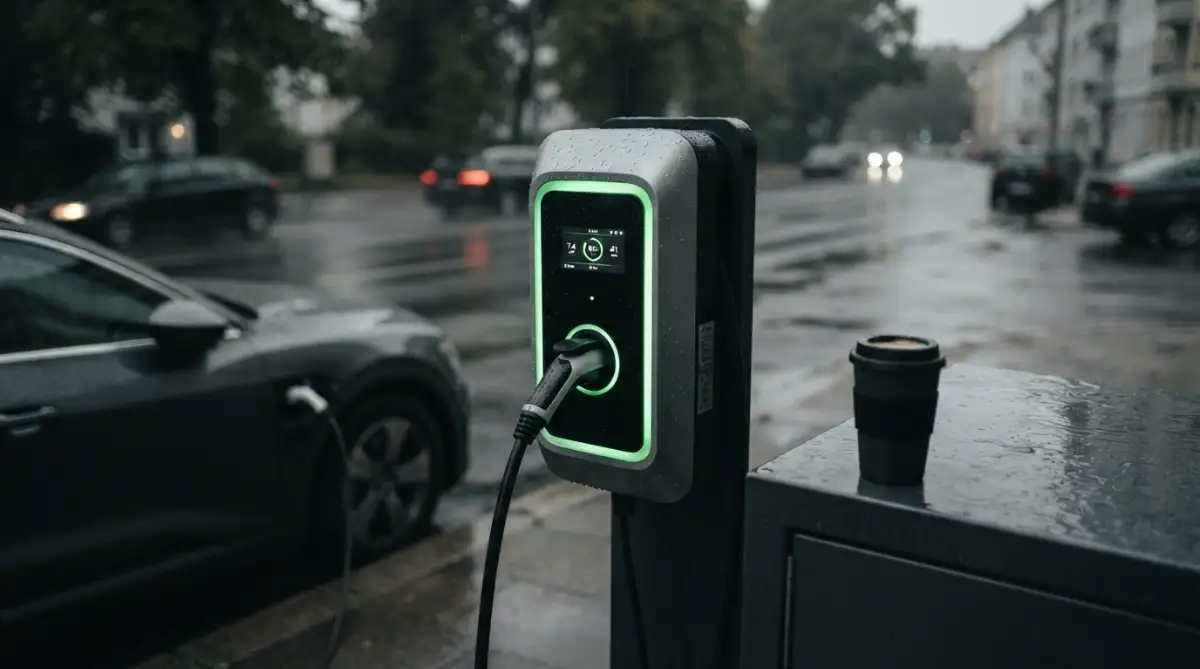
Another massive mistake is assuming all charging stations are identical. Many new owners pull up to a station with 10 miles of range left, only to realize their car is barely taking any power. They sit there for hours because they do not understand why is my EV charging so slow at that specific moment.
You absolutely must know the difference between level one and level two electric vehicle charging before you ever sign the financing paperwork. Relying solely on a regular household outlet is a guaranteed way to wake up with a half-empty battery right before a major road trip.
If you are planning to take your family on cross-country adventures, fully electric vehicles require a completely different mindset. You cannot just hop on the highway and figure it out later. You have to map out every single charging stop and learn how to maximize your electric vehicle range on long road trips so you never get stranded with your kids in the back seat.
Your Step-by-Step Blueprint to Upgrading Today
Reading about the differences is great, but taking action is how you actually upgrade your daily commute. The transition does not have to be scary if you follow a logical, step-by-step path. Let us break down exactly how you should approach this massive purchase today.
Step 1: Audit Your Weekly Driving Habits
Write down exactly how many miles you drive every day for work, errands, and school drop-offs. If your daily total is under 40 miles, a plug-in hybrid could cover your entire week without burning gas. If it is closer to 100 miles, a fully electric model is the smarter financial move.
Step 2: Inspect Your Home Electrical Panel
Before you even visit a dealership, go to your garage or basement and look at your main breaker box. You need to see if you have room for a 240-volt circuit (similar to an electric dryer). This is an absolute requirement if you want to know how to set up your electric vehicle home charger safely and efficiently.
Step 3: Rent Before You Commit
Do not rely on a fifteen-minute test drive with a salesperson talking your ear off. Rent your top choice on a peer-to-peer car-sharing app for a full weekend. Try charging it at your local grocery store, park it in your garage, and see how it actually feels in your everyday life.
Pre-Purchase Preparation Checklist
When you are finally ready to head to the dealership, walking in unprepared is a recipe for a bad deal. You need to have specific documents and information ready to ensure you get exactly what you need.
- Utility Bill Copy: Check your exact electricity rate per kilowatt-hour to accurately calculate your future charging costs.
- Tax Document Review: Verify with your accountant if you have enough tax liability to claim federal or state clean vehicle tax credits.
- Breaker Box Photo: Take a clear picture of your home electrical panel to show the dealer or their recommended electrician.
- Daily Route Map: Have your most frequent addresses saved on your phone to test the vehicle's built-in navigation and charging route planner.
- Insurance Quote: Call your insurance agent with the exact VIN of the car you want, as advanced vehicles often carry slightly higher premiums.
Quick Action Checklist
If you want to move forward this week, you need a simple plan of attack. Complete these three tasks by this weekend to get the ball rolling without feeling overwhelmed.
- Download two popular public charging maps on your smartphone right now to see exactly where the stations are in your neighborhood.
- Call a local, licensed electrician and ask them for a rough estimate to install a 50-amp outlet in your driveway or garage.
- Test drive one traditional hybrid and one fully electric vehicle back-to-back on the exact same day so the difference in acceleration and braking is fresh in your mind.
Taking the Wheel with Total Confidence
Choosing between these incredible technologies is no longer about picking the "best" car in the world. It is simply about choosing the best tool for your personal lifestyle. You now have a complete understanding of how these machines operate in the real world, far beyond the shiny showroom floor.
I remember my first week driving a battery-powered car; I was constantly checking the range gauge in a pure panic. But once I got my home setup dialed in, that anxiety completely vanished, and I realized I had permanently freed myself from dirty gas pumps. Whether you choose the seamless transition of a hybrid or the silent thrill of full electric, you are making a massive step forward in your financial and daily life.
Questions Every Buyer Asks Before Signing the Papers
How long do batteries actually last in these cars?
Modern battery packs are highly engineered and designed to easily outlast the standard warranty period. Most manufacturers guarantee their batteries for 100,000 miles, but real-world data shows they can often last well over 150,000 miles with minor degradation.
Is it cheaper to charge at home or at public stations?
Charging at home is significantly cheaper, often costing a fraction of what you would pay at a commercial charging station. Public fast chargers charge premium rates for convenience, which can sometimes rival the cost of buying gasoline.
Do hybrids need to be plugged in?
Traditional hybrids do not need to be plugged in at all; they charge their small batteries automatically while you drive and brake. Only plug-in hybrids (PHEVs) require a wall connection to access their dedicated electric driving range.
Are electric cars more expensive to insure?
Yes, they can sometimes carry slightly higher insurance premiums compared to standard gas cars. This is primarily because their specialized parts and heavy battery packs make them more expensive to repair after a collision.