
Reading Time: 10 Minutes
Difficulty Level: Beginner to Intermediate
Reviewed By: FinanceInfoIn Editorial Team
Key Takeaways
- Standard household outlets offer basic, low-speed charging mostly suited for plug-in hybrids or very short daily drives.
- Upgrading to a heavier 240-volt system requires a professional electrician but cuts filling time by more than half.
- Your daily commute distance is the biggest factor in deciding which setup is right for your home.
- Cold weather severely impacts battery absorption, making faster charging setups much more reliable in winter.
The Silent Morning Panic of a New EV Owner
I stared blindly at the dashboard screen of my brand-new electric car. The battery icon blinked back at me, showing a terrifyingly low 18% charge. I had plugged the car into my garage wall the night before, fully expecting a full "tank" by sunrise.
Instead, I gained roughly 30 miles of range after ten hours of waiting. My office was 25 miles away, meaning I barely had enough juice to get there, let alone make it back home. I immediately started calculating my route, looking for public stations, and stressing about being late for a morning meeting.
This is the exact trap almost every new electric vehicle owner falls into during their first week. You bring the beautiful, silent car home, find the cord in the trunk, and plug it into a regular wall socket. The sales guy said you could just plug it in anywhere, right?
What they often fail to mention is how incredibly slow a standard wall outlet actually is when trying to fill a massive battery pack. It feels like trying to fill a backyard swimming pool using a tiny plastic drinking straw.
The anxiety of not knowing if your car will start the day with enough power is a heavy mental burden. Range anxiety is a very real problem that affects your peace of mind and ruins the joy of driving an electric car. You constantly check your phone app, hoping the percentage ticked up just a little bit more.
Every time you run errands, pick up the kids, or take an unexpected trip to the grocery store, you worry about draining the battery faster than you can replace it. This daily struggle forces people to rethink their entire schedule around their car.
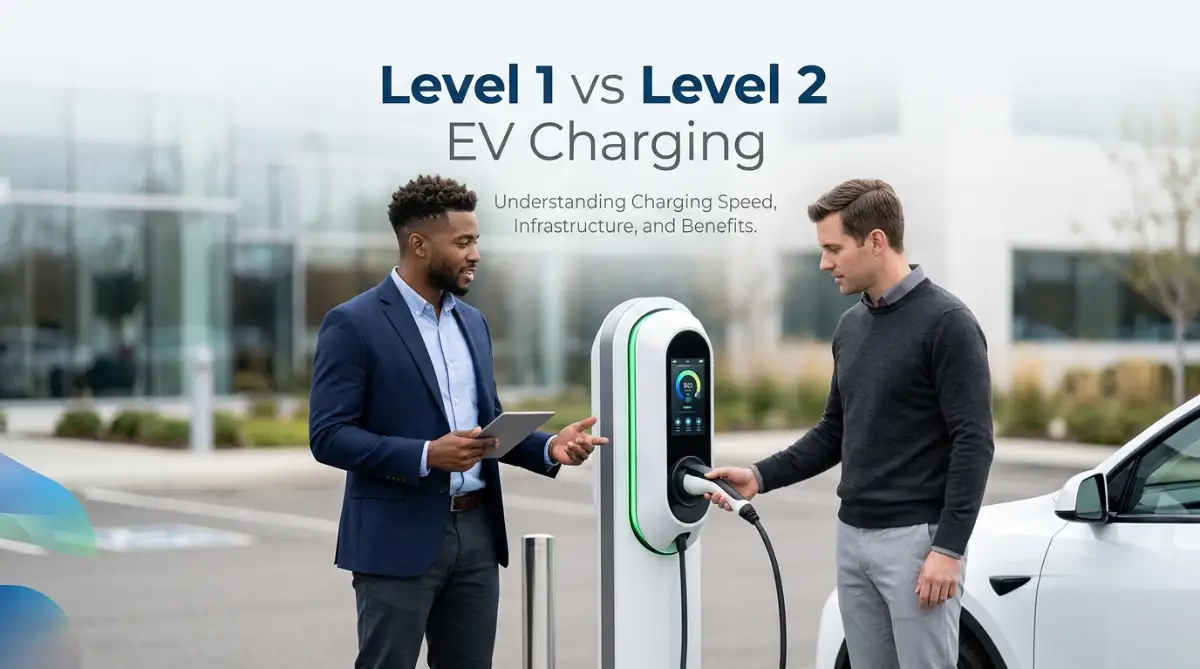
Understanding the core difference between the two main home charging options is the only way to eliminate this stress. We need to look closely at how electricity actually moves from your house into your vehicle.
Level 1 or Level 2? A Money Decision, Not Just a Tech One
Choosing between Level 1 and Level 2 charging isn't only an engineering question. It's a real household money decision.
Level 1 costs nothing upfront, which is hard to beat. The catch is that it's very slow, and during a busy week you might find yourself turning to pricey public fast chargers just to keep up.
Level 2 asks more of you at the start. Between the hardware, permits, and professional installation, you could spend anywhere from $800 to $2,500. In return, it opens the door to much cheaper off-peak rates if your utility offers Time-of-Use pricing, and that can bring your charging costs down noticeably.
So the question to ask yourself is simple: does your daily driving justify that upfront cost? Let's work through the numbers together and see what the return really looks like for you.
Understanding the Basics of Battery Filling
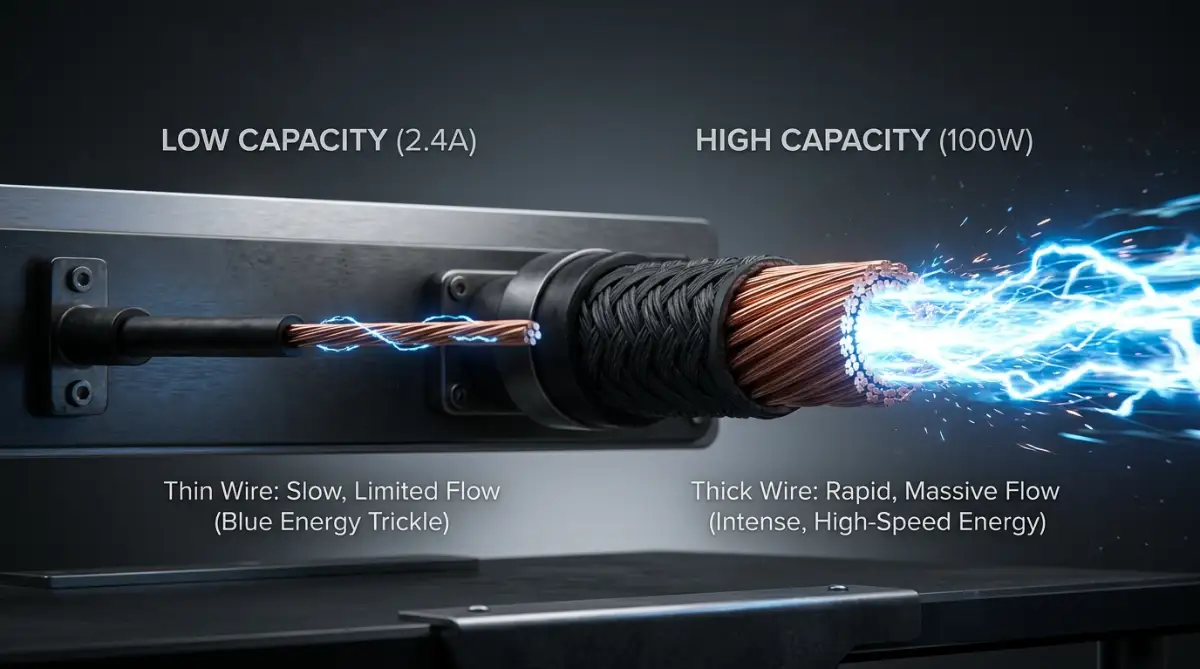
To solve this problem, we first need to understand how electricity flows into your car. The easiest way to think about electricity is to imagine water flowing through pipes in your house.
Voltage is the water pressure pushing the water forward. Amperage (Amps) is the width of the pipe allowing the water to flow. When you multiply the pressure by the width of the pipe, you get Kilowatts (kW).
Kilowatts represent the total amount of water actually hitting the battery at any given second. If you have low pressure and a narrow pipe, the battery fills up at a painful crawl. If you increase the pressure and widen the pipe, the battery fills up rapidly.
This simple math dictates the major difference between Level One and Level Two electric vehicle charging.
Level 1 Charging: The Slow and Steady Drip
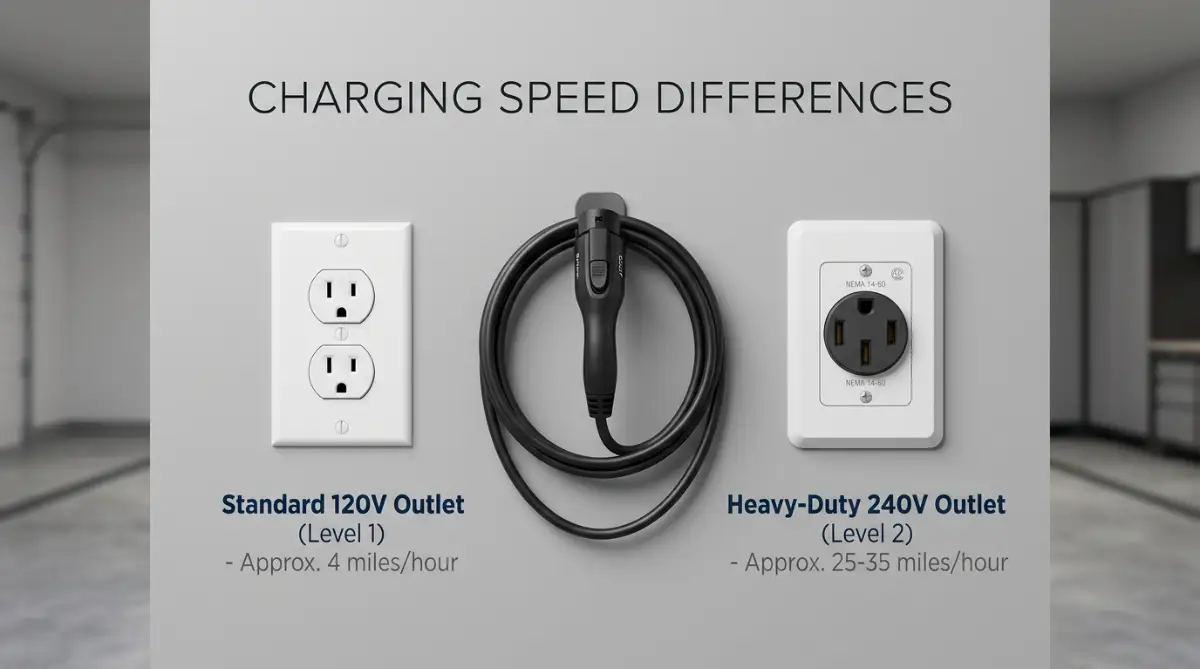
When you use the charging cable that comes perfectly wrapped in the trunk of your car, you are using Level 1 power. This cord is designed to plug directly into a standard 120-volt household outlet.
These are the exact same three-prong outlets you use to plug in your television, your laptop, or a bedside lamp. Because these outlets are everywhere, Level 1 is incredibly convenient. You do not need any special permits, heavy tools, or expensive electricians to start using it.
However, the major drawback is the extreme lack of speed. A standard 120-volt outlet only pushes a tiny amount of electricity into your car at once. On average, this method adds only about 3 to 5 miles of driving range per hour.
If you drive a car with a large battery pack, taking it from completely empty to completely full on a standard outlet can easily take over 40 hours. This setup is generally only suitable for people who work from home and rarely drive more than 20 miles a day.
Level 2 Charging: The Heavy-Duty Powerhouse
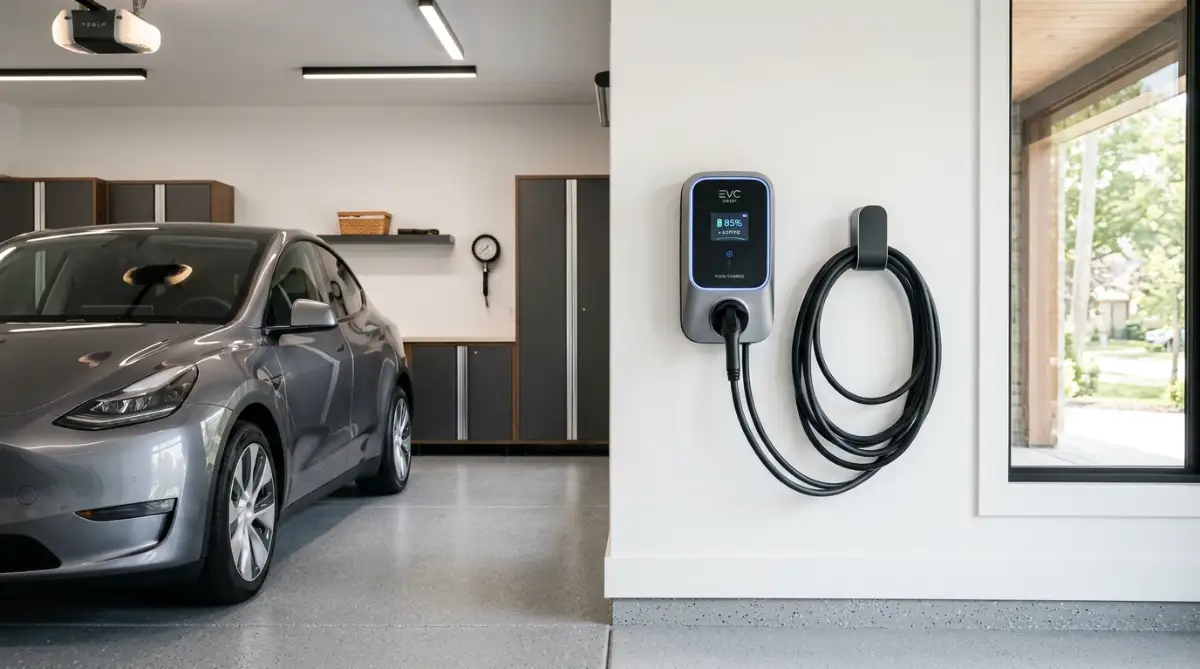
If you want to eliminate range anxiety entirely, you have to upgrade your home setup. This is where Level 2 enters the picture, bringing a massive boost in power.
Level 2 systems operate on a 240-volt electrical circuit. This is the exact same type of heavy-duty power line used by large household appliances. Think about the thick cords used for electric clothes dryers, ovens, or central air conditioning units.
Because the voltage is doubled, the electrical "pipe" is much wider, allowing a massive rush of energy to hit the battery. Depending on the specific unit you buy, Level 2 can add anywhere from 15 to 40 miles of range per hour.
This means you can easily plug your car in after dinner, go to sleep, and wake up to a completely 100% full battery every single morning. It completely transforms the ownership experience from a stressful chore into ultimate convenience.
I honestly thought I could survive on standard wall charging when I bought my first electric car. My biggest mistake was waiting until winter to realize my car needed way more juice, leaving me stranded one snowy morning. Trust me, biting the bullet and getting an electrician out early will save you massive headaches later.
Breaking Down the Installation Requirements
Moving up to a high-speed system is not as simple as buying a new cable from the internet. You cannot plug a heavy-duty charger into a regular living room wall socket.
You will almost certainly need to hire a licensed, professional electrician to evaluate your home. They will look closely at your main electrical breaker panel to see if it has enough capacity to handle the extra load.
Many older homes only have 100-amp service panels, which might not be enough to handle an electric oven, an air conditioner, and a high-speed car charger all running at the exact same time. If your panel is maxed out, the electrician will have to perform a panel upgrade.
Once the panel is sorted, the electrician will run a thick, dedicated copper wire from the breaker box directly to your garage or driveway. They will then install either a heavy-duty 240-volt receptacle or directly hardwire the charging station to the wall.
Expert Tip: Always ask your electrician to install a hardwired connection rather than a plug-in socket if your charger will be exposed to outside rain or snow. Hardwiring creates a permanent, waterproof seal that is much safer for outdoor weather conditions.
Decoding the Costs: Is the Upgrade Worth It?
The financial aspect is usually the biggest hurdle for new owners trying to decide between these two methods. Level 1 is essentially free because the cable comes with the car and the outlets already exist in your home.
Upgrading to a faster system involves two separate expenses: buying the hardware itself and paying for the labor to install it. A smart, wifi-enabled charging station usually costs between $400 and $800 depending on the brand and features.
The labor cost is where things get completely unpredictable. If your breaker box is already in the garage, the electrician might only charge a few hundred dollars to run a short wire. However, if your breaker box is on the opposite side of the house, the labor can easily exceed a thousand dollars.
Making the Right Choice for Your Daily Drive
You do not automatically need to spend money on expensive upgrades if your lifestyle does not require it. The easiest way to decide is to calculate your exact daily commute.
Track how many miles you drive every day for a week. Include your trip to work, picking up groceries, and driving the kids to practice. If your total daily driving is consistently under 30 miles, a standard wall outlet might actually be enough for you.
You can plug the car in at 7 PM, unplug it at 7 AM, and easily regain those 30 miles overnight. If you own a Plug-in Hybrid vehicle with a very small battery pack, a basic wall plug is perfectly fine.
However, if you commute 50 miles a day or regularly take long weekend trips, a high-speed setup is an absolute necessity. Relying on slow power for long commutes means you will start every week with a full battery, but slowly lose ground every day until you are empty by Friday.
Weather Effects on Your Charging Speed
Another massive factor that people completely ignore is the local climate. Extreme cold weather does terrible things to electric vehicle batteries.
When the temperature drops below freezing, the chemical reactions inside the battery slow down significantly. The car has to use a large chunk of incoming electricity simply to warm up the battery before it can actually store any power.
If you use a slow standard outlet in the middle of a freezing winter, almost all of the energy will be wasted keeping the battery warm. Your car might not gain any driving range at all during a cold night.
A high-speed 240-volt system pushes enough power to easily heat the battery and still fill it up with miles of range. If you live in an area with harsh winters, upgrading your electrical system is not just a luxury, it is a requirement for survival.
Taking the time to evaluate your driving habits, your home electrical panel, and your local weather will save you immense frustration. Once you have the right power flowing into your car, the joy of electric driving truly begins.
Maximizing Your Home Charging Efficiency
Setting up your home charging station is just the first step in your electric vehicle journey. To truly get the most out of your car, you need to understand how to manage that electricity properly. Many new owners simply plug their cars in whenever they get home, entirely ignoring how the power grid actually works.
If you charge your car during peak evening hours, you are paying the absolute highest price for electricity. Most utility companies offer massive discounts if you pull power during the middle of the night. By setting a smart schedule on your car's dashboard, you can tell the vehicle to wait until midnight before it starts pulling heavy power from the wall.
This simple habit can literally cut your monthly "fuel" costs in half. You also need to pay close attention to your daily battery percentage. If you want to keep your battery healthy for years, learning how to extend the battery life of an electric vehicle is absolutely essential.
Pro Tip: I ruined my first EV battery by leaving it plugged in at 100% every single weekend. Now, I always set my car's internal software to stop absorbing power right at 80% unless I am taking a massive road trip.
Another smart strategy is protecting your equipment from the elements. Even if your charging unit is weatherproof, keeping the heavy cable off the ground prevents damage from tires and dirt. If you need a physical guide, you can read more about setting up your electric vehicle home charger directly in your garage to avoid outdoor wear and tear.
Deadly Traps New Electric Car Owners Fall Into
Upgrading your home electrical system is a serious project that involves heavy voltage. Many people try to cut corners to save a few dollars, which often leads to disastrous consequences. The most terrifying mistake I see is people using standard household extension cords to reach their cars.
A standard orange extension cord from the hardware store is completely incapable of handling the continuous heavy load required by an electric vehicle. The wire will rapidly overheat, melt the plastic coating, and potentially start a massive house fire. According to the safety standards outlined by the U.S. Department of Energy, using uncertified adapters or cheap cords is a major safety hazard.
Another huge issue is plugging a fast charger into a shared electrical circuit. If your heavy-duty wall unit shares a breaker switch with your electric dryer, turning both on at the same time will instantly trip the breaker. You must ensure your electrician installs a completely dedicated circuit just for the car.
Common Mistakes
- Using a thin, non-rated extension cord to reach the driveway.
- Buying a cheap, unbranded charging unit from unknown online sellers.
- Plugging a heavy-duty charger into an old, degraded wall socket.
- Forgetting to set a charging schedule and paying peak electricity rates.
- Leaving the heavy charging cable laying in puddles or snow banks.
You also have to consider the weather when managing your power expectations. If you don't know how to safely charge your electric car in freezing temperatures, you might wake up to an empty battery in winter. Cold weather forces the car to use incoming electricity just to warm the battery, severely slowing down the actual filling process. Always consult reliable financial and automotive tips on FinanceInfoIn before paying an electrician to upgrade your outdoor setup.
Quick Action Checklist
- Track your exact daily driving mileage for one full week.
- Check your main electrical panel to see if you have spare breaker slots.
- Call three different local electricians to get competitive installation quotes.
- Call your electric company to ask about special nighttime EV charging rates.
- Review your vehicle's manual to find out your exact maximum charging speed.
Taking Control of Your Daily Drive
Making the jump to an electric vehicle is an exciting milestone, but managing your power supply should never feel like a burden. Once you understand exactly how electricity flows into your car, the mystery entirely disappears. You no longer have to stress about finding a public station on your way to work or panicking when the battery drops below twenty percent.
Choosing a basic trickle charge is perfectly fine for light drivers, but installing a heavy-duty system unlocks the true freedom of electric driving. You simply plug it in, go to sleep, and wake up ready to tackle the day. It completely removes the mental load of range anxiety from your daily routine.
I remember how stressed I used to be, constantly checking my phone app to see if my car gained two miles overnight. Upgrading my garage setup completely changed how I experience driving, turning a daily chore into total convenience. You deserve that exact same peace of mind in your own garage.
Which home charging setup are you planning to use for your daily commute? Let me know in the comments below!
Fast Answers to Your Biggest Home Charging Doubts
Can I plug my EV into a regular wall outlet?
Yes, you can absolutely plug your vehicle into a standard 120-volt household outlet using the basic cord that comes with the car. However, this method is extremely slow and will only give you about three to five miles of driving range per hour. It is mostly recommended for people who drive very short distances.
Will a faster home charger increase my electricity bill?
Charging your car faster does not actually use more total electricity, it just uses the electricity much quicker. Your monthly utility bill will go up based on how many miles you drive, not the speed of your equipment. You can actually save money by scheduling your fast charger to run late at night when power is cheapest.
Do I really need to hire an electrician for a high-speed charger?
If you are upgrading to a heavy-duty 240-volt system, you absolutely must hire a licensed electrician. They need to ensure your home's main electrical panel can safely handle the massive flow of power without causing a fire. Never try to install heavy voltage wires yourself.
Can a basic wall charger overheat my garage outlet?
Yes, if your house is very old or the wall receptacle is loose, pulling continuous power for many hours can create dangerous heat. It is always a good idea to have a professional inspect your standard outlets before plugging a car in every night.
How fast does a 240-volt system fill up an electric car?
A heavy-duty home system can push enough power to add between fifteen and forty miles of range every single hour. This means a completely empty electric car can easily reach a completely full battery during a normal night of sleep.
Can I leave my electric vehicle plugged in all the time?
Modern electric cars have smart computer systems that prevent them from overfilling the battery. Once the car reaches the limit you set on your dashboard, it automatically stops pulling power from the wall. It is perfectly safe to leave it plugged in while you are away on vacation.
Is it safe to charge my electric car in the heavy rain?
Yes, electric vehicle charging equipment is heavily waterproofed and designed for all types of outdoor weather. The connections have special seals that prevent water from touching the electrical pins. You can safely plug your car in during heavy rain or snow without any fear of shock.
Does extreme cold weather ruin electric car charging speeds?
Cold weather drastically slows down the chemical reactions inside your car's battery pack. In freezing temperatures, the car has to use a large portion of the incoming wall power just to heat up the battery. This is why having a fast, high-voltage setup is incredibly important in snowy climates.
Can a standard wall plug damage my car battery?
No, slow trickle charging from a standard wall plug is actually very gentle and perfectly safe for the battery cells. The only issue is that it might not provide enough power to warm the battery and add driving miles simultaneously in the dead of winter.
Are there any tax credits for installing a faster home charger?
Many local governments and electric utility companies offer excellent cash rebates to help cover the cost of upgrading your electrical panel. You should always check your local utility website or speak to a tax professional to see what incentives are available in your specific area.
Trusted Electrical Safety & EV Energy Resources
To verify federal electrical codes, home charging tax credits, and official energy efficiency standards, explore these authoritative resources:
-
-
U.S. Department of Energy (DOE) – Home EV Charging Basics & Standards: (Official government overview of residential electric vehicle charging levels, circuit sizing, and home safety)
-
Internal Revenue Service (IRS) – Residential EV Charger Tax Credits: (Official federal tax guidelines on claiming rebates for home EV charger installation expenses)
-
National Fire Protection Association (NFPA) – Electrical Vehicle Safety Codes: (Nationally recognized fire safety protocols for residential high-voltage charging equipment)
-
Environmental Protection Agency (EPA) – EV Fuel Economy & Emissions: (Independent environmental data and energy consumption ratings for electric vehicles)
-
-