Reading Time: 15 Minutes
Difficulty Level: Beginner to Intermediate
Reviewed By: FinanceInfoIn Editorial Team
Table of Contents
- The Sudden Highway Panic
- Quick Summary
- Key Takeaways
- The Simple Color Code System
- Decoding the Most Dangerous Red Alerts
- The Sneaky Yellow Cautions
- When to Actually Call a Tow Truck
- The Confusing EV Specific Symbols
- Expert Tips for Peace of Mind
Quick Summary
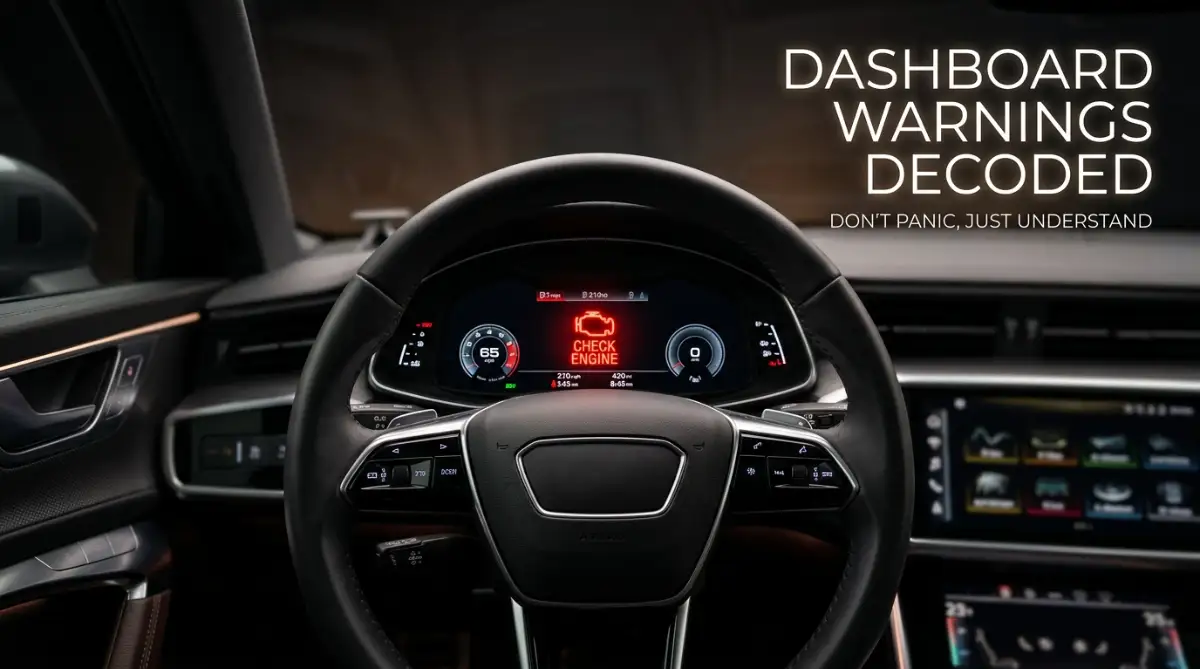
Car dashboard warning lights act as your vehicle's personal communication system. Red lights demand immediate action to prevent severe damage. Yellow lights signal a necessary checkup in the near future. Understanding these symbols instantly saves you from expensive repairs and keeps you safe on the road.
Key Takeaways
- Always treat dashboard symbols like traffic lights: Red means stop, Yellow means caution.
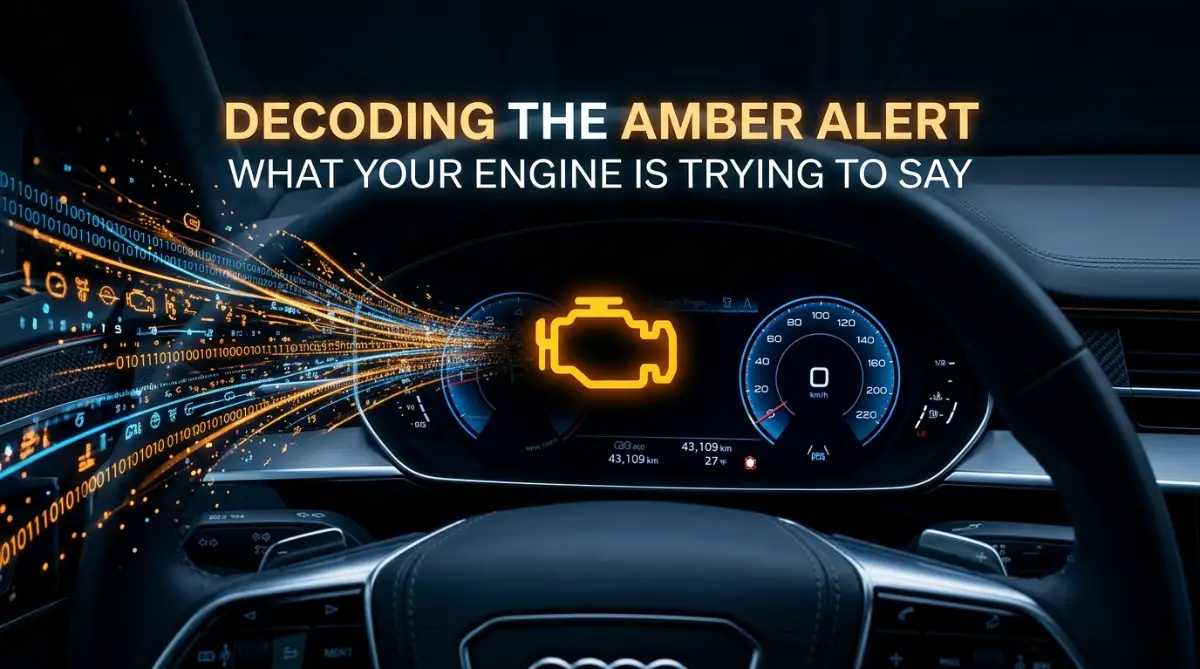
- Never ignore a flashing check engine light; it indicates a severe misfire.
- The "leaky gravy boat" symbol is your oil pressure warning, and it requires an instant engine shutdown.
- Investing in a cheap OBD2 scanner can tell you exactly what a yellow light means.
- Electric vehicles have unique symbols, like the "turtle," which means power is severely limited.
The Night the Dashboard Turned Against Me
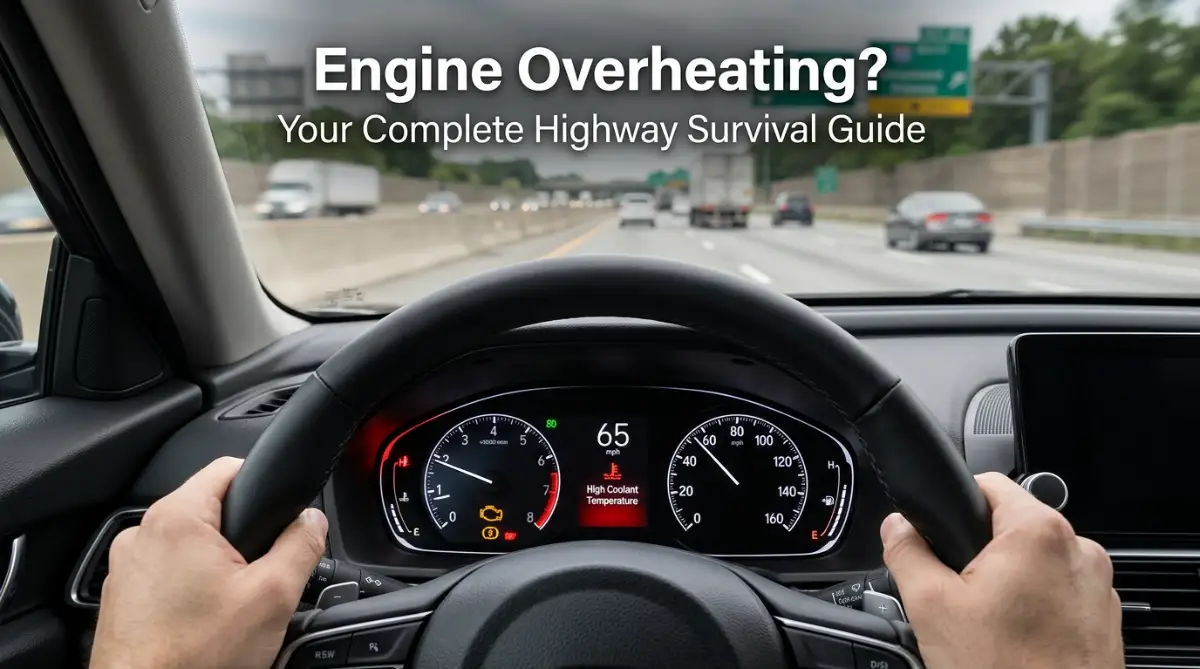
Imagine being stuck on a pitch-black highway during a heavy rainstorm with a dead phone and only ten dollars to your name. That was my reality when a bright red thermometer icon suddenly started glowing on my dashboard. My heart dropped instantly. I had no clue if my engine was about to melt or if I could safely drive another mile.
Most of us go through this same wave of panic because we rarely look at that thick manual in the glovebox. The thought of a huge repair bill or being stranded on a dangerous road is enough to ruin anyone's day. This guide is built to be the helping hand I didn't have during that scary moment.
The Simple Color Code System
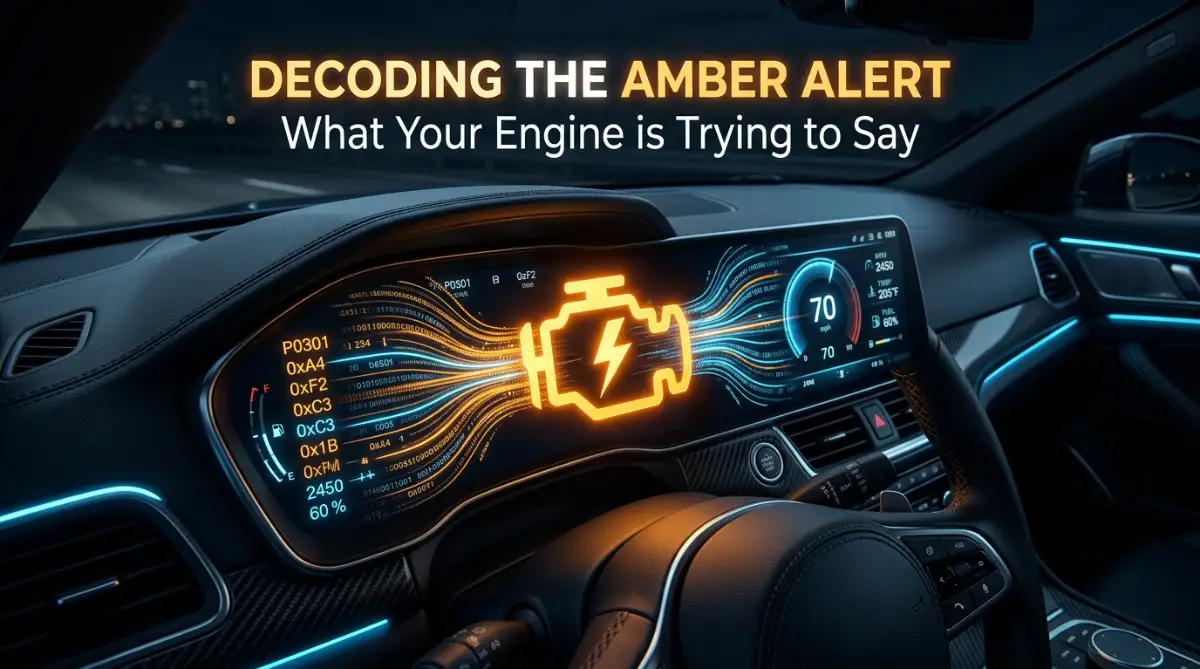
Before we look at individual shapes, you need to understand how your car uses colors to talk to you. Automakers intentionally designed dashboard symbols to mimic standard traffic lights. This psychological trick helps your brain process the urgency of the situation instantly.
Green or blue lights are just friendly little status updates from your car. They tell you that a system, like your high beams or cruise control, is currently turned on and working perfectly. You never need to worry when you see these cool colors glowing brightly.
Yellow or amber lights are your car politely asking for a checkup. Something is not quite right, but you do not need to slam on the brakes immediately. You can usually drive home safely, but you should schedule an appointment with a mechanic soon.
Confusing Alternative Comparison
People often mix up different types of check engine warnings. Understanding the difference can literally save your motor.
Decoding the Most Dangerous Red Alerts
Red lights are the ultimate scream for help from your vehicle. When you see a red icon, your primary goal is to safely pull off the road and turn off the ignition. Pushing your luck with a red warning will almost certainly result in catastrophic mechanical failure.
The most famous red alert is the oil pressure warning. It looks like an old-fashioned oil can with a drop coming out of the spout. This does not just mean your oil is low; it means your engine has lost all oil pressure. Without pressure, the metal parts inside your motor will aggressively grind together and destroy themselves in minutes.
Another terrifying red icon is the battery symbol, which looks like a little Lego brick with a plus and minus sign. This indicates your charging system has completely failed. Your car is now running solely on the remaining battery juice, and it will shut down completely once that power runs out.
When to Actually Call a Tow Truck
Deciding between driving to a shop and calling a tow truck is incredibly stressful. Your brain naturally wants to save the towing fee by limping the car home. However, that choice often leads to a massive financial disaster.
Let us look at a very common scenario involving the engine temperature warning light.
Real-Life Math / Case Example:
Imagine David sees the red thermometer symbol pop up while he is five miles from home. He decides to risk it and keep driving to save a $150 towing fee. Within three miles, his engine overheats so badly that the cylinder head warps and the head gasket completely blows. David's attempt to save $150 just resulted in a $4,500 engine replacement bill. Always pay for the tow truck when a red temperature or oil light appears; it is the cheapest insurance you can buy.
The Sneaky Yellow Cautions
Yellow lights are the most common dashboard visitors, and they are incredibly easy to ignore. The most annoying one is the Tire Pressure Monitoring System (TPMS). It looks like a yellow horseshoe with an exclamation mark right in the middle.
This light simply means one or more of your tires has significantly low air pressure. It happens frequently when the weather gets cold, causing the air inside your tires to contract. You just need to stop at a gas station, check your tire pressure, and add some air.
Pro Tip:
I used to ignore my yellow tire pressure light every single winter, thinking the cold air was just playing tricks on the sensor. One day, I hit a small pothole and completely ruined my expensive alloy wheel because the tire was practically empty. I now keep a cheap digital tire pressure gauge in my center console and check it the moment that yellow horseshoe appears.
Then we have the Anti-lock Braking System (ABS) warning light. If this yellow circle illuminates, your standard brakes will still work just fine. However, the computer will not prevent your wheels from locking up if you have to slam on the brakes on a slippery road.
Honest Pros & Cons Box
Should you buy a personal OBD2 diagnostic scanner to read your own yellow warning lights? Here is a clear breakdown to help you decide.
The Pros:
- Instantly tells you exactly why the check engine light is on.
- Prevents mechanics from charging you for unnecessary diagnostic fees.
- Helps you clear minor codes, like a loose gas cap alert.
- Connects seamlessly to your smartphone via Bluetooth.
The Cons:
- Does not actually fix the mechanical problem for you.
- Complex error codes still require a professional mechanic to interpret.
- Some cheap models cannot read advanced ABS or airbag system errors.
The Confusing EV Specific Symbols
If you have recently switched to an electric vehicle, you will notice a completely different set of dashboard alerts. Internal combustion engines have oil and gas, while EVs have high-voltage battery packs and electric motors. Because of this, automakers had to invent entirely new icons.
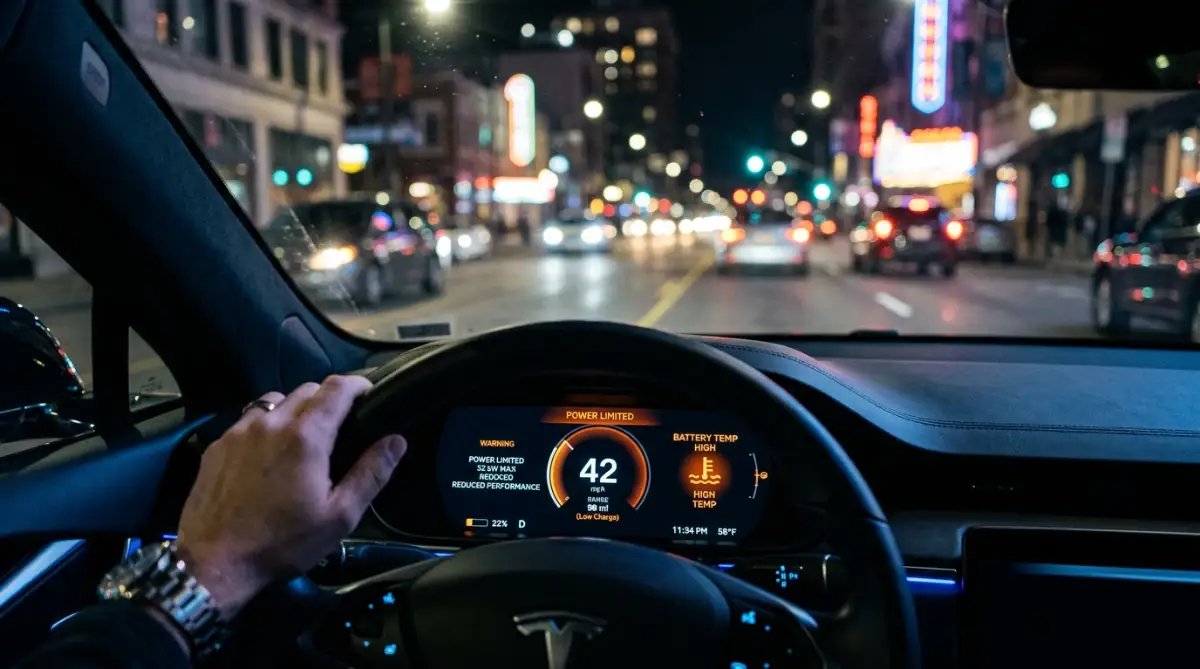
The most famous EV-specific warning is the "Turtle" symbol. When this yellow turtle pops up on your screen, it means your vehicle's power is severely limited. This usually happens when the main battery pack is almost completely empty or running dangerously hot. The car is basically forcing you to drive slowly to protect the electrical components.
Another icon you might see is a yellow car with an exclamation mark running directly through it. This is a general electrical fault warning. It could be something as simple as a software glitch or a serious issue with the high-voltage isolation system.
[Check out this helpful visual breakdown to memorize these symbols faster.]
Expert Tips for Peace of Mind
The absolute best way to handle dashboard lights is through preventative knowledge. You do not need to be a master mechanic to be a smart, confident driver. Taking a few minutes to learn your specific vehicle can change everything.
Start by finding your owner's manual and flipping straight to the dashboard index. Take a picture of the two pages showing all the warning lights with your smartphone. Mark that photo as a favorite so you can instantly access it even if you have no internet connection on a rural highway.
Remember, your dashboard is not trying to ruin your day; it is trying to save your wallet. By paying attention to those glowing red and yellow icons, you can easily catch small problems before they become massive headaches. Stay calm, understand the colors, and enjoy a safer driving experience.
Master the Art of Vehicle Diagnostics Like a Professional
Many drivers feel like their car is a mystery box once a light pops up on the screen. While we covered the basics of colors and symbols in the first part, truly mastering your vehicle involves knowing the secrets that mechanics usually keep to themselves. Keeping your car healthy for a long time requires more than just reacting to problems; it requires a proactive mindset.
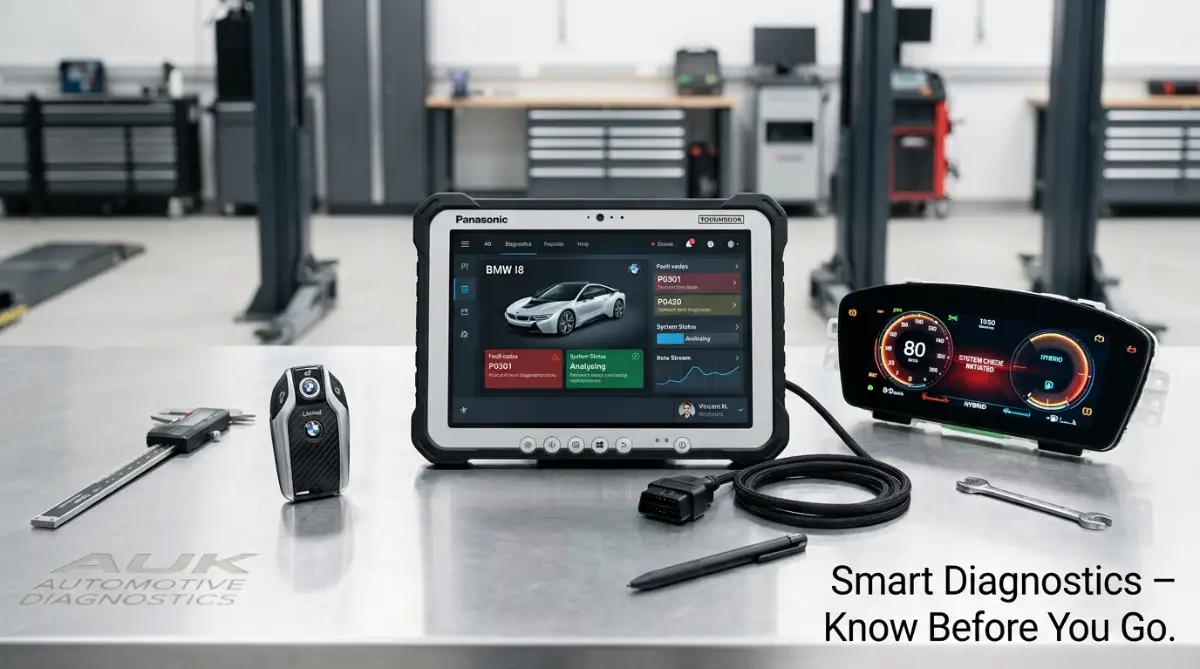
One of the best secrets is owning a high-quality Bluetooth OBD2 scanner. These tiny devices plug into a port under your steering wheel and send data directly to your phone. Instead of guessing why a yellow light is on, you can see the exact error code. This simple tool empowers you and prevents any dishonest shop from overcharging you for a simple sensor fix.
Learning how to extend the battery life of an electric vehicle is another advanced skill for modern drivers. For electric cars, dashboard lights often relate to thermal management or software updates. If you see a warning while charging in the winter, it might just be the system protecting the battery from cold damage. You can learn more about charging in freezing temperatures to stay ahead of these alerts.
Modern Diagnostic Tools Comparison
Pro Tip: I always suggest keeping a small logbook in your glovebox. When a light comes on, write down the date, what you were doing (like driving uphill or idling), and the weather. This "human data" helps your mechanic find intermittent electrical issues much faster than a computer scan alone.
Understanding the nuances of your car helps you distinguish between a software glitch and a mechanical failure. Sometimes, a dashboard light is simply triggered by a weak 12-volt battery rather than a failed engine part. Before you panic and spend thousands, always check the health of your battery first. You should also look into why your EV might be charging slowly to understand if a dashboard alert is actually a charging station issue.
Fatal Errors: The Mistakes That Cost Thousands
When that glowing icon appears, the first instinct is often either complete panic or total denial. Both reactions lead to expensive mistakes that can ruin your car and your budget. I have seen people drive for months with a yellow light on, only to have the car die in the middle of a busy intersection.
The biggest mistake is "code clearing" without actually fixing the root cause. Some people buy a cheap scanner just to turn off the light so they can pass an inspection or sell the car. This is dangerous because the computer will eventually turn the light back on once it realizes the mechanical problem still exists. Ignoring a minor sensor issue can lead to a clogged catalytic converter, which is a repair that costs significantly more.
Another trap is the "Parts Cannon" approach. This happens when a driver sees a code for an oxygen sensor and immediately buys a new one without testing the wires. Often, a dashboard light is caused by a frayed wire or a vacuum leak, not the sensor itself. Throwing parts at a problem without a proper diagnosis is like trying to fix a leaky roof by buying a new front door.
Dashboard Myths vs. Vehicle Reality
Quick Action Checklist: What to Do Right Now
When a light suddenly appears, follow these steps to stay safe and save money. This process ensures you don't miss any critical signs of trouble.
- Check the Color: Is it Red (Stop), Yellow (Caution), or Green (Info)?
- Listen and Feel: Do you hear strange noises, smell burning, or feel a loss of power?
- Safe Pull-Over: If the light is red or flashing, find a safe spot to stop immediately.
- Tighten the Gas Cap: It sounds silly, but it fixes a yellow light about 20% of the time.
- Check Fluid Levels: Look at your oil dipstick and coolant reservoir once the engine is cool.
- Scan the Code: Use your OBD2 tool or visit a local auto parts store for a free scan.
- Consult the Professionals: Reach out to a trusted shop like those found on NHTSA resources for safety recalls.
If you are an EV owner, your steps might involve checking your home charger setup to see if an error code is related to your power source. Understanding the difference between Level 1 and Level 2 charging can also help you troubleshoot charging-related dashboard icons.
Your Path to Stress-Free Driving
Becoming a confident driver is all about preparation and knowledge. When you stop fearing the symbols on your dashboard, you take back control of your commute and your finances. You no longer have to worry about being stranded or tricked at a repair shop because you speak the language of your car.
If you want to keep your vehicle running perfectly, always prioritize maintenance over repairs. Changing your oil on time and keeping your tires inflated will prevent most of those lights from ever appearing in the first place. For those driving long distances, knowing how to maximize your electric vehicle range will also reduce the stress on your battery and electrical systems.
I have found that spending just thirty minutes reading the "Instruments" section of my car manual saved me from several panic attacks. I want you to feel that same sense of peace every time you turn the key or press the start button. Take a small step today by checking your tire pressure or buying a basic scanner to keep in your trunk.
Which dashboard light has given you the most stress in the past? Let me know in the comments below!
Common Questions About Dashboard Warnings
What does it mean when the check engine light is flashing?
A flashing light indicates a severe engine misfire. This means unburned fuel is entering your exhaust system and can destroy your expensive catalytic converter very quickly. You should stop driving immediately.
Can a low battery cause random dashboard lights to turn on?
Yes, modern car computers are very sensitive to voltage. If your battery is old or dying, the computer may get "confused" and trigger multiple warning lights that have nothing to do with mechanical problems.
Why did my tire pressure light come on when it got cold outside?
Air contracts when it gets cold, which lowers the pressure inside your tires. The sensor detects this drop and turns on the light. Usually, you just need to add a few pounds of air to fix it.
Is it safe to drive with an ABS light on?
Your car will still stop using normal brakes, but the anti-lock feature will not work. This means your wheels could lock up and slide during an emergency stop on a wet or icy road.
What is the "Maintenance Required" light?
This is different from a warning light. It is a simple timer that reminds you to change your oil or rotate your tires based on the miles you have driven.
What should I do if the oil pressure light comes on?
Shut off the engine immediately and do not restart it. Driving with no oil pressure will destroy your engine in a matter of seconds. Check your oil level with the dipstick right away.
Does an EV have a check engine light?
Most electric vehicles use a car icon with an exclamation mark or a "System Fault" message instead of a traditional engine icon, as they don't have internal combustion engines.
How much does it cost to diagnose a dashboard light?
Most shops charge between $80 and $150 for a professional diagnostic scan. However, many auto parts stores will scan your basic codes for free.
Can a dirty sensor cause a warning light?
Absolutely. Sensors for ABS or traction control are located near the wheels and can get covered in mud, salt, or brake dust, which prevents them from reading data correctly.
Will my car pass inspection with a dashboard light on?
In most regions, a car will automatically fail an emissions inspection if the check engine light is illuminated, even if the car seems to be running fine.
Trusted Legal and Technical Resources
- National Highway Traffic Safety Administration (NHTSA)
- Environmental Protection Agency (EPA) - Vehicle Emissions
- Federal Trade Commission (FTC) - Auto Repair Basics
- Kelley Blue Book - Car Maintenance Guides
- Consumer Reports - Reliability and Recalls
- AAA - Automotive Care and Safety
Disclaimer
The information provided in this article by FinanceInfoIn is for educational and informational purposes only. We are not professional mechanics or legal advisors. Vehicle systems vary significantly by make, model, and year. Always consult your official vehicle owner's manual or a certified automotive technician before performing repairs or making safety decisions. Neither the author nor FinanceInfoIn shall be held liable for any damages, injuries, or financial losses resulting from the use or misuse of this information. Safety should always be your top priority when operating a motor vehicle.
About the Author
Reviewed by Mithun Halder (Personal Finance & SEO Expert) & The FinanceInfoIn Editorial Team.
The FinanceInfoIn Editorial Team researches personal finance, investing, insurance, mortgages, cryptocurrency, and consumer financial topics. Every article is carefully reviewed to provide clear, practical, and trustworthy educational information based on credible sources and industry best practices.
©2026 FinanceInfoIn. All rights reserved.