Reading Time: 12 Minutes
Difficulty Level: Beginner to Intermediate
Reviewed By: FinanceInfoIn Editorial Team
Table of Contents
- Quick Summary
- Standing at the Vet Counter with Empty Pockets
- The Real Emotional Toll of Sudden Vet Bills
- Key Takeaways
- Unmasking the Confusing Alternatives
- A Real-Life Cost Breakdown: Does the Math Make Sense?
- The Honest Pros and Cons of Insuring Your Pet
- The Hidden Policy Traps Everyone Ignores
- Understanding the Reimbursement Reality
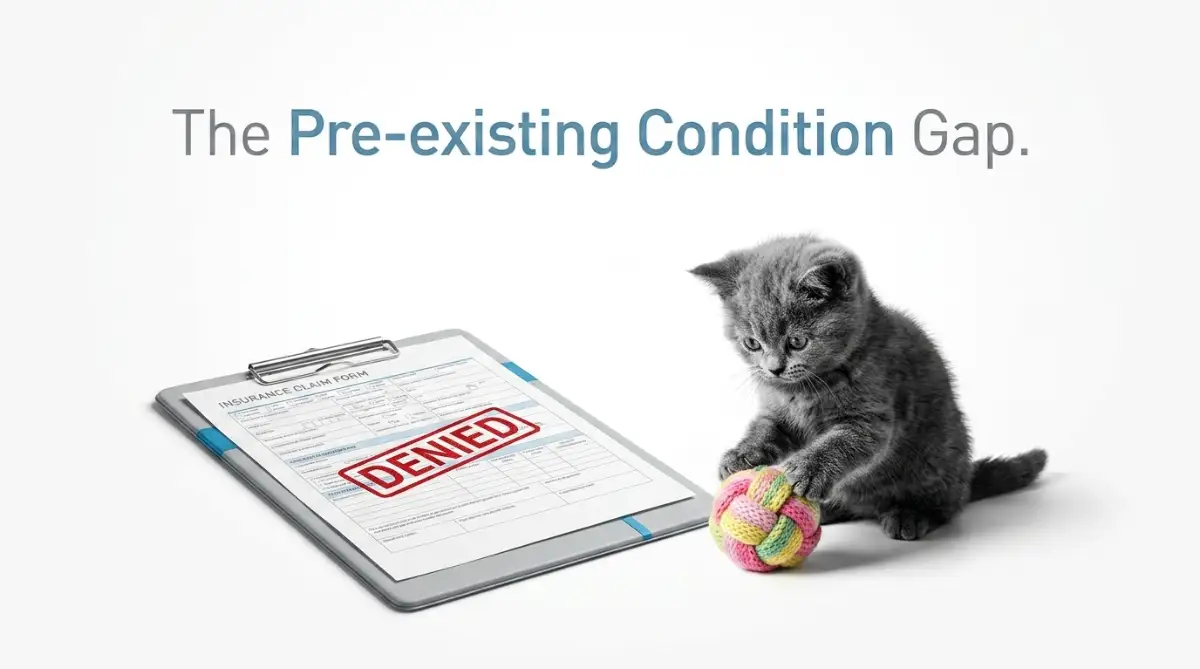
- The Pre-Existing Condition Nightmare
- Making Your Final Decision
Quick Summary
This guide breaks down the harsh realities of pet insurance, exposing hidden traps like reimbursement delays and pre-existing condition clauses. You will learn the clear difference between true insurance and simple wellness plans. Through real-life math and honest comparisons, we will help you decide if buying a policy is actually worth your money. We also reveal practical alternatives for protecting your pet and your wallet.
Standing at the Vet Counter with Empty Pockets
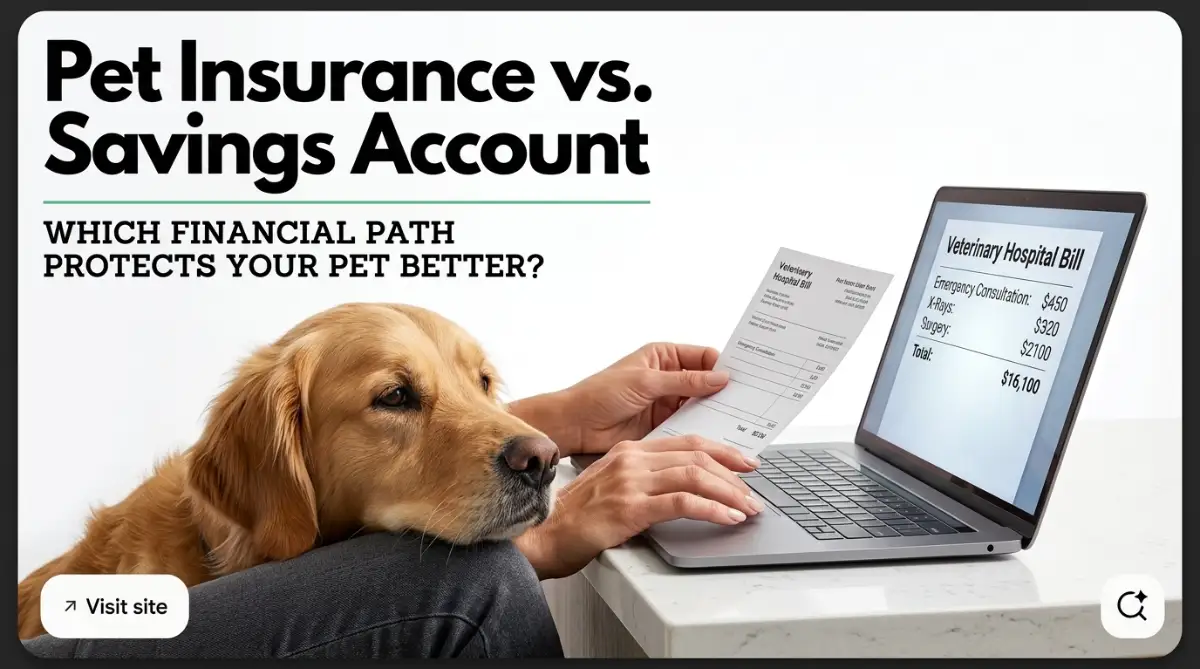
Standing in the brightly lit lobby of an emergency veterinary clinic at 2 AM is a terrible feeling. I stared at the clipboard in my hand in absolute disbelief. The receptionist had just handed me an estimate for emergency stomach surgery because my dog swallowed a rubber toy.
The bottom line read three thousand, four hundred dollars. My bank account barely had half of that amount.
It was an agonizing choice between saving my best friend and paying the next three months of rent. I felt entirely helpless and completely alone in that waiting room. You never think you will be the person begging a clinic for a payment plan until it actually happens to you.
I promised myself I would never be in that situation again, so I started looking into pet coverage. But what I found hidden inside those policy documents was almost as scary as that massive vet bill.
The Real Emotional Toll of Sudden Vet Bills
Every pet owner simply wants to provide the best possible life for their furry family member. We buy them the best food, the softest beds, and shower them with endless love. But the financial reality of modern veterinary care is quietly breaking people down.
A simple X-ray and blood test can easily set you back hundreds of dollars on a random Tuesday. When an emergency strikes, families are suddenly forced into massive credit card debt. Even worse, some are pushed toward economic euthanasia because they simply cannot afford the treatment.
The mental burden of this financial threat is totally exhausting. You walk around with a constant, quiet worry in the back of your mind.
You might think buying a policy will instantly cure this anxiety and bring you peace of mind. Then an emergency actually happens, you file a claim, and the company denies it over a hidden technicality. Getting a claim denied when your pet is sick breaks your heart and your wallet at the exact same time. The reality of everyday pet ownership is financially terrifying for average income earners.
Key Takeaways
- You Pay Upfront First: Most policies do not pay the vet directly; you must cover the bill and wait for a reimbursement check.
- Watch Out for Age Traps: Premiums often skyrocket as your pet gets older, right when they need the medical care the most.
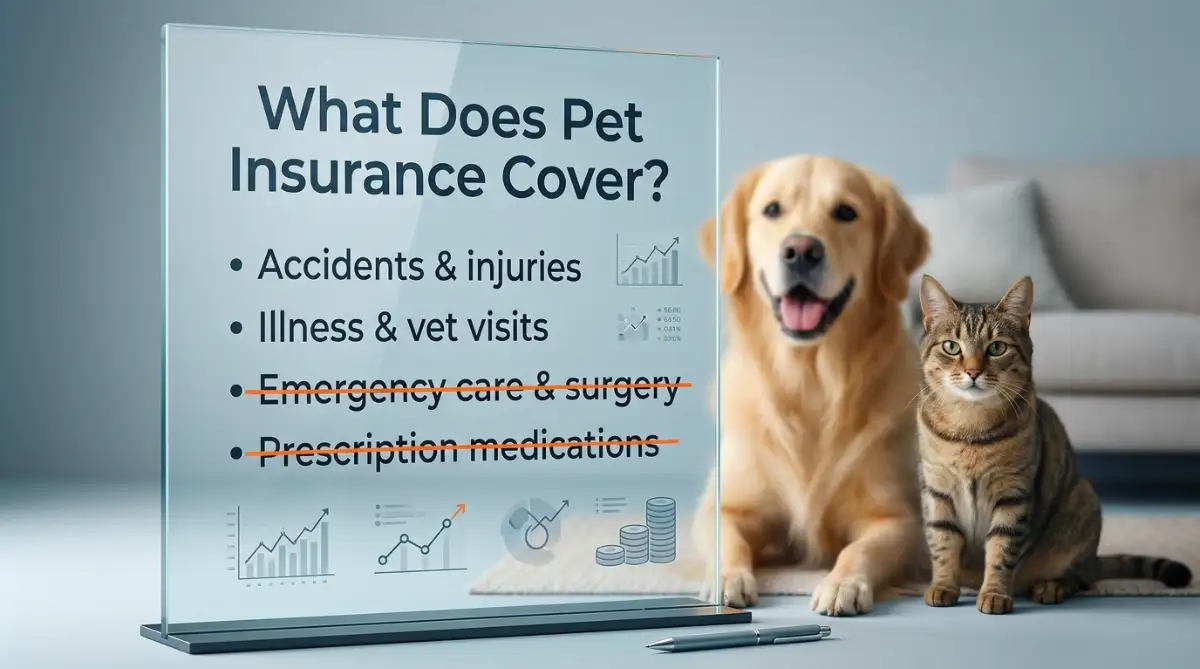
- Routine Care is Extra: Standard policies usually only cover accidents and illnesses, leaving you to pay for vaccines and check-ups yourself.
- Zero Coverage for the Past: Absolutely no company covers pre-existing conditions, and they look deep into your pet's medical records to prove it.
Unmasking the Confusing Alternatives
One of the biggest mistakes people make is confusing actual insurance with a wellness plan. These are two completely different financial products designed for completely different situations.
People often sign up for a cheap wellness plan thinking it will save them during a major surgery. When the worst happens, they find out their plan only covers basic things like flea medication and routine exams. You must understand exactly what you are paying for before handing over your credit card details.
Let's break down the clear differences between these two options. This comparison will save you from making a massive financial mistake at the worst possible time.
Pet Insurance vs. Pet Wellness Plan
A Real-Life Cost Breakdown: Does the Math Make Sense?
Let's look at a realistic scenario using everyday numbers to see how this actually plays out. Meet Sarah and her two-year-old mixed-breed dog, Max. Sarah decides to buy a policy that costs her exactly $50 every single month.
Her policy has a $500 annual deductible and an 80% reimbursement rate. For three completely healthy years, Sarah pays her monthly premium without ever filing a claim. She has paid $1,800 into the system just for peace of mind.
Then, in year four, Max tears a ligament in his knee while playing fetch at the local park. The orthopedic surgery and physical therapy will cost exactly $4,000. Let's look at the actual math to see if Sarah made a smart financial move.
Sarah's Real-Life Math Breakdown
In this scenario, Sarah paid $2,400 in premiums over four years plus $1,200 on the day of the surgery. Her total lifetime cost reached $3,600, while the insurance company paid out $2,800.
If Sarah had just put that $50 a month into a high-yield savings account, she would have had enough cash to cover the surgery herself. However, if Max had needed a $10,000 cancer treatment instead, the insurance would have saved her from massive debt. This math is exactly why deciding on a policy is so incredibly difficult.
The Honest Pros and Cons of Insuring Your Pet
To make a clear decision, you need to strip away the marketing promises and look at the cold facts. Every financial product has distinct advantages and heavy drawbacks.
Here is an honest, straightforward look at what you actually get when you sign that contract. Keep these points in mind when evaluating your personal financial situation.
The Pros (The Good Stuff)
- Emergency Buffer: It prevents you from choosing between your pet's life and your personal bankruptcy.
- Access to Advanced Care: You can confidently say "yes" to expensive treatments like MRI scans, cancer therapy, and specialized surgeries.
- Customizable Plans: You can usually adjust your deductible and reimbursement percentage to fit your monthly budget.
- Pick Any Vet: Unlike human health networks, you can visit any licensed veterinarian or emergency clinic in the country.
The Cons (The Harsh Reality)
- No Upfront Payments: You still need a high-limit credit card or cash savings because you have to pay the vet before getting reimbursed.
- Wasted Money on Healthy Pets: If your pet stays perfectly healthy, you will lose thousands of dollars in monthly premiums over their lifetime.
- Sneaky Rate Increases: Companies will regularly increase your monthly premium as your pet gets older and the risk of illness rises.
- Exclusion Nightmares: They will fiercely investigate your pet's medical history to deny coverage for anything they consider a past issue.
The Hidden Policy Traps Everyone Ignores
Insurance companies are profitable businesses, and their contracts are carefully written to protect their bottom line. Most pet owners quickly sign the paperwork without reading the boring fine print.
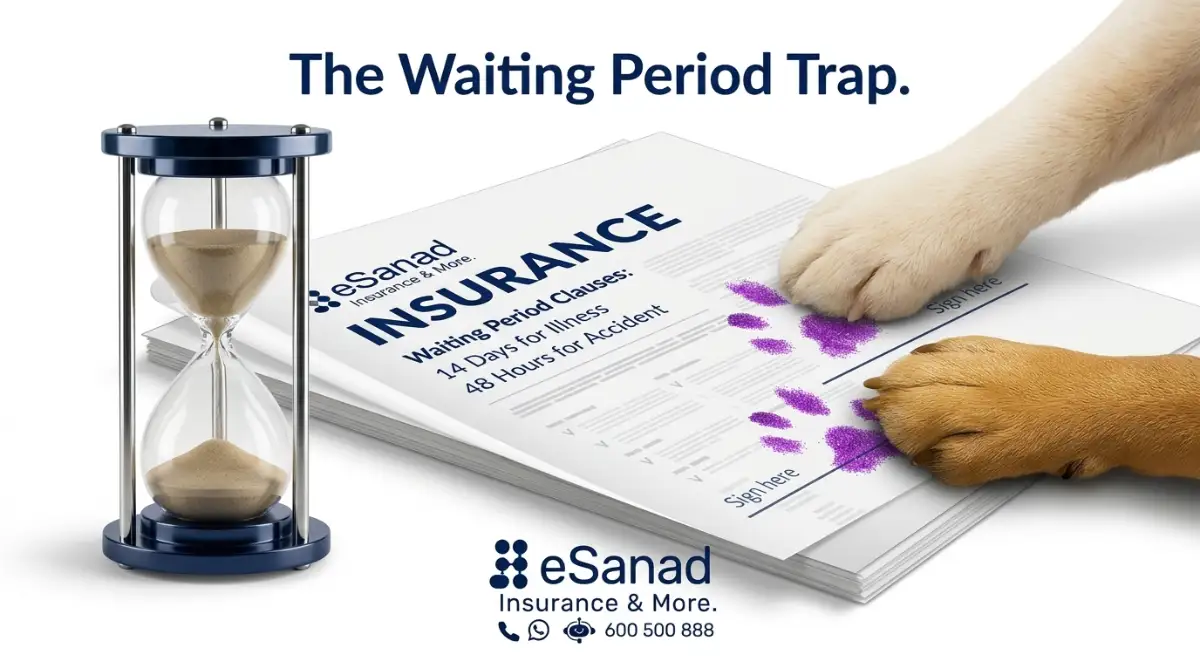
This is exactly where the biggest financial traps are hidden waiting to catch you off guard. One major trap is the dreaded waiting period.
If you buy a policy on Monday and your dog breaks a leg on Tuesday, the company will not pay a single dime. Most policies have a 14-day waiting period for illnesses and sometimes a full six-month waiting period for knee injuries.
Another sneaky tactic is the "Exam Fee" exclusion. Even if a surgery is fully covered, many companies refuse to pay the $150 emergency room consultation fee. You must comb through the document and understand these exclusions before handing over your money.
Understanding the Reimbursement Reality
Here is a massive reality check that shocks almost every new policyholder. You cannot simply hand the veterinary receptionist your insurance card and walk away paying a small co-pay.
Here is a quick video explaining exactly how the reimbursement process works and why it catches so many families by surprise.
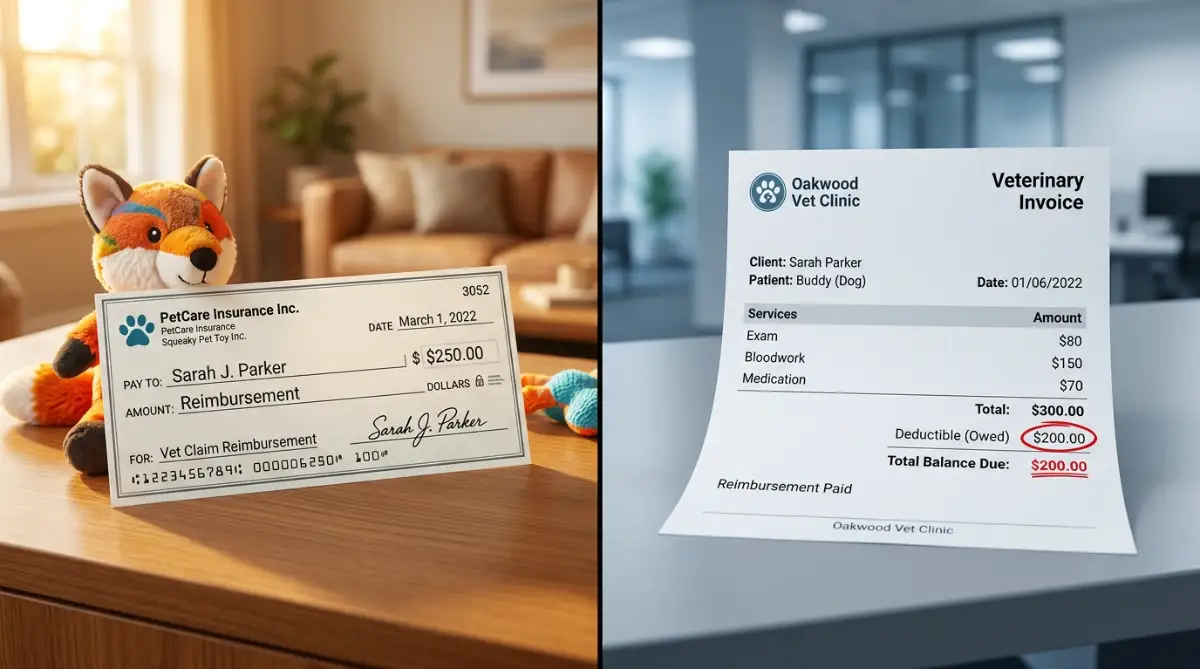
The pet care system operates on a strictly "pay-and-claim" model. This means if your cat needs a $5,000 emergency procedure to survive, you must swipe your own credit card for the full $5,000 right then and there.
After you pay, you submit the detailed receipt and doctor's notes through an app or website. Then, you sit and wait for the claims department to review your case.
Sometimes they process it in three days, but sometimes they request more records and drag it out for three weeks. If your credit card bill is due before that reimbursement check arrives, you are stuck paying the interest. This cash flow problem is the single biggest flaw in the entire system.
My Personal Realization (Pro Tip)
I always thought having a policy meant I did not need an emergency fund anymore. I learned the hard way that you actually need both! My dog needed sudden dental surgery, and I had to put $2,000 on my credit card while waiting 18 days for the reimbursement check to clear. Always keep at least $2,000 in a dedicated savings account just to bridge the gap while waiting for the company to pay you back.
The Pre-Existing Condition Nightmare
This is the number one reason claims get flat-out denied and customers leave angry reviews online. No company on the market will cover an illness or injury that existed before your policy started.
But their definition of "pre-existing" is incredibly aggressive and often feels entirely unfair.
If your puppy had a slight ear infection at 10 weeks old, and you buy a policy at 12 weeks old, ears are now a problem. If they get another ear infection three years later, the claim will likely be completely denied.
They will request your vet's entire history log and look for any tiny symptom mentioned in the past. This includes notes like "dog seemed a little stiff today" which they will later use to deny arthritis coverage.
Understanding Pre-Existing Classifications
Making Your Final Decision
Deciding whether to buy coverage is deeply personal and entirely depends on your financial stability. There is no magical answer that perfectly fits every single family.
If you are the type of person who easily gets anxious about unexpected expenses, a policy is basically a mental health purchase. It allows you to make medical choices based entirely on your pet's needs rather than your bank balance.
However, if you are highly disciplined with money, you might have a better alternative. Setting up an automatic transfer of $100 every month into a dedicated high-yield savings account builds a guaranteed safety net.
If your pet lives a long, healthy life without any major accidents, you get to keep all that money. If you choose the savings route, you must start immediately and never touch that money for anything else.
Take a hard look at your monthly budget, read the fine print twice, and make the choice that lets you sleep well at night. Your pet relies entirely on you to make the smartest decisions for their future health.
Smart Strategies to Outsmart the Pet Insurance Industry
Navigating the complex world of animal healthcare requires more than just reading a flashy brochure. You have to think like a financial planner to protect your wallet and your furry friend. Many owners simply sign the first contract they see and assume they are fully protected.
The smartest approach is to build a hybrid safety net for your pet. This means combining a high-deductible catastrophic policy with a dedicated emergency cash fund. By doing this, you keep your monthly premium payments extremely low.
You can confidently handle small bumps and bruises using your cash savings. If a massive $8,000 emergency happens, your high-deductible policy kicks in to save the day. This exact strategy prevents you from wasting thousands of dollars on expensive, low-deductible plans over your pet's lifetime.
Pro Tip: Never automatically accept the first premium renewal offer they send you. Companies silently raise your rates every single renewal cycle, hoping you will not notice. I always call customer service directly, explain that the new rate is too high, and ask for retention discounts. Nine times out of ten, they will magically find a way to lower my monthly payment just to keep me as a customer.
Understanding strict rules on pre-existing conditions is another massive advantage. Before you apply for any coverage, ask your veterinarian for a complete printed copy of your pet's medical file. Read through the doctor's notes carefully to see if there are any subtle mentions of limping, scratching, or stomach issues.
If your vet wrote down "mild skin irritation" three years ago, the insurance company will absolutely use that against you later. You can ask your vet to clarify or update older notes if a past issue was completely resolved. This simple step stops the claims department from using old, irrelevant information to deny your current emergency.
When you know how to read your policy declaration page, you take away the company's power to trick you. Always check the annual payout limits and the specific waiting periods for orthopedic conditions.
Myth vs. Reality of Pet Health Coverage
Quick Action Checklist
- Schedule a healthy check-up with your vet to establish a clean medical record.
- Request a full physical copy of your pet's entire medical history.
- Open a free high-yield savings account specifically labeled for animal emergencies.
- Compare at least three different high-deductible catastrophic plans online.
- Set up a small, automatic weekly transfer from your checking to your pet savings account.
The Financial Pitfalls That Break Pet Owners
Watching families fall into massive debt because of preventable mistakes is absolutely heartbreaking. One of the biggest errors people make is waiting until their animal is older to start looking for coverage. By the time a dog turns seven, monthly premiums become incredibly expensive.
Even worse, any minor illness they had in those first seven years is now permanently excluded from coverage. This forces owners to pay huge monthly fees while getting almost zero actual protection. Buying early when your pet is a healthy puppy or kitten is the only way to lock in fair coverage terms.
Another terrible mistake is canceling your policy just because your pet was healthy for a few years. People get frustrated paying the premium and decide to drop the plan to save money. The very next month, their dog swallows a rock, and they are suddenly facing a $5,000 surgical bill with no backup plan.
Common Mistakes When Managing Veterinary Costs
- Assuming Routine Care is Included: Believing vaccines and teeth cleaning are covered, only to get hit with a massive bill at the annual check-up.
- Ignoring the Co-Insurance Clause: Forgetting that an 80% reimbursement rate means you are still fully responsible for the remaining 20% of a massive bill.
- Failing to Read the Exclusions List: Discovering too late that your specific breed is not covered for common genetic issues like hip dysplasia.
- Using Credit Cards as an Emergency Fund: Relying on high-interest credit cards instead of a dedicated cash savings account for unexpected vet visits.
If you do not fully understand the difference between copays and coinsurance, you will miscalculate your out-of-pocket costs. You might think a $500 deductible is your only expense. However, if your co-insurance is 20% on a $10,000 surgery, you actually owe $2,500 on top of that deductible.
To help you avoid these emotional and financial disasters, you need a clear action plan. Do not just sit and worry about what might happen next week. Take direct control of the situation today by following a structured preparation process.
Exact Step-by-Step Execution Guide
Step 1: Call your veterinary clinic today and ask them for the average cost of an emergency stomach surgery in your local area.
Step 2: Decide exactly how much of that estimated bill you can comfortably cover with your own cash.
Step 3: Based on your cash limit, understanding how deductibles work will help you pick a plan that bridges the gap.
Step 4: Gather all necessary health documents and apply for a catastrophic policy while your pet is completely healthy.
Step 5: Set a calendar reminder 30 days before your policy renews every single year so you can negotiate the new premium rate.
Required Document / Preparation Checklist
Securing Your Best Friend's Future Without Going Broke
Taking care of an animal is one of the most rewarding experiences a human being can have. Do not let the confusing maze of policy exclusions and hidden traps ruin that beautiful relationship. You now have the exact knowledge needed to see right through the tricky marketing campaigns.
You understand that pet coverage is not a magical shield that pays for everything. It is simply a financial tool designed to protect you from total bankruptcy during worst-case scenarios.
If you build a solid cash emergency fund and read the fine print, you will never have to choose between your money and your best friend. I sleep so much better knowing exactly how I will pay for an emergency before it ever happens. Taking these small protective steps today gives you complete emotional freedom tomorrow.
Are you planning to open a dedicated pet savings account or buy a catastrophic policy this week? Let me know in the comments below!
Frequently Asked Questions About Pet Health Coverage
Does pet insurance pay the veterinarian upfront?
No, almost all companies operate on a reimbursement model. You must pay the veterinarian in full at the time of service and submit your receipt to get your money back.
Are routine vaccines and dental cleanings covered?
Standard policies only cover unexpected accidents and illnesses. If you want routine vaccines and exams covered, you usually have to purchase an extra wellness add-on package.
Will my monthly premium stay the same forever?
Absolutely not. You can expect your monthly rate to increase steadily as your pet ages and the cost of local veterinary care goes up.
What exactly counts as a pre-existing condition?
Any symptom, illness, or injury that appeared before your policy started or during the waiting period is pre-existing. This applies even if the vet has not made an official diagnosis yet.
Can I use any veterinary clinic in my city?
Yes, one of the best benefits is that there are no "out-of-network" penalties. You can visit any licensed veterinarian, specialist, or emergency hospital in the country.
Is it worth buying a policy for a very old dog?
Usually, it is not financially smart. Premiums for senior pets are extremely high, and they likely have existing conditions that will be permanently excluded from coverage.
How long does it take to get reimbursed after a claim?
It entirely depends on the company and the complexity of the claim. Some direct deposit the money in three days, while others might drag the review process out for three to four weeks.
Do they cover hereditary or genetic breed issues?
Most reputable companies do cover genetic conditions, but they often require a longer specific waiting period. You must carefully check the contract to ensure your specific breed is not excluded.
Does the coverage include prescription medications?
Yes, most accident and illness plans will reimburse you for medications prescribed to treat a covered condition. They will not pay for routine preventative medications like monthly flea and tick chewables.
Can the company cancel my policy if my pet gets too sick?
As long as you continue to pay your monthly premium on time, they cannot cancel your coverage just because your pet develops a chronic, expensive illness.
Trusted Legal Resources
- American Veterinary Medical Association (AVMA) Guidelines
- National Association of Insurance Commissioners (NAIC)
- Consumer Financial Protection Bureau (CFPB)
- State Department of Insurance Directory
- Veterinary Medical Board Consumer Information
- Federal Trade Commission (FTC) Consumer Advice
Disclaimer: The information provided in this article is for educational and informational purposes only and does not constitute financial, legal, or professional veterinary advice. Insurance policies vary heavily by location, provider, and individual circumstances. FinanceInfoIn and its authors are not liable for any financial losses or damages resulting from the use of this information. Always consult directly with a licensed insurance agent and your trusted veterinarian before making purchasing decisions regarding your pet's health.
About the Author
Reviewed by Mithun Halder (Personal Finance & SEO Expert) & The FinanceInfoIn Editorial Team
The FinanceInfoIn Editorial Team researches personal finance, investing, insurance, mortgages, cryptocurrency, and consumer financial topics. Every article is carefully reviewed to provide clear, practical, and trustworthy educational information based on credible sources and industry best practices.
©2026 FinanceInfoIn. All rights reserved.