Reading Time: 12 Minutes
Difficulty Level: Beginner to Intermediate
Reviewed By: FinanceInfoIn Editorial Team.
Table of Contents
- The Heavy Weight of Unexpected Vet Bills
- Quick Summary
- Why Insurance Companies Say No
- Key Takeaways
- Curable vs. Incurable Health Issues
- Smart Steps to Get the Best Coverage
- Myth vs. Reality in Animal Healthcare
- Expert Tips for Peace of Mind
Quick Summary
Dealing with pet insurance can feel incredibly confusing, especially when claims get denied. Companies exclude older health issues to keep their business running and prevent fraud. However, some conditions are considered curable after a waiting period. By reading your pet's medical records and asking the right questions, you can still find great coverage options.
The Heavy Weight of Unexpected Vet Bills
I remember standing at the reception desk of my local veterinary clinic with my dog, Buster, trembling slightly at my feet. The receptionist handed me a printed bill that made my stomach drop instantly. I had exactly a few dollars of spare cash in my checking account, but I felt safe because I had recently bought a premium health plan for him. I confidently handed over my card, expecting the receptionist to tell me everything was covered.
Instead, she looked at the screen and shook her head. The claim was denied. Why? Because a tiny note in his file from months ago mentioned an ear itch, and the company labeled his current severe skin infection as a pre-existing issue.
That sudden wave of panic and helplessness is something I will never forget. I felt like I had failed my best friend.
This is a harsh reality for so many pet owners today. You pay your monthly premiums religiously, thinking you are buying a safety net. Then, an emergency strikes, and you find yourself trapped by confusing legal terms and hidden clauses.
The mental toll this takes on a family is heavy. You are forced to choose between paying rent and getting your furry friend the medical care they desperately need. Everyday people are losing sleep, draining their emergency funds, and feeling entirely betrayed by the system.
It feels incredibly unfair when you try to do the right thing, only to hit a brick wall. The stress of not knowing if your next vet visit will bankrupt you completely ruins the joy of having a pet. We end up second-guessing every cough or limp, terrified of what the financial outcome might be.
Why Animal Health Plans Reject Past Medical Issues
To fix this problem, we first need to understand the logic behind the curtain. It is easy to view these companies as the bad guys. However, understanding their business model gives you the power to beat them at their own game.
Think of it like buying car coverage. If you get into a massive accident and total your car, you cannot call a new company the next day to buy a policy to cover that specific crash. If they allowed that, everyone would only buy plans after a disaster happened.
The company would run out of money in days, and the entire system would collapse. The same exact logic applies to animal health care.
They pool money from thousands of healthy pets to pay for the few who get sick. If they covered sicknesses that already existed, the monthly costs for everyone would skyrocket. Nobody would be able to afford the premiums.
Key Takeaways
- Insurance is designed for unexpected future accidents, not past events.
- A symptom noted in a vet record before your policy starts will trigger an exclusion.
- Not all exclusions are permanent; some can drop off over time.
- Knowing your pet's exact medical history is your strongest weapon.
Here is a simple breakdown to help you see how clinics classify everyday situations.
The Difference Between Curable and Incurable Conditions
Here is where the good news comes in. Not every single past sickness is banned forever. Many companies divide these health problems into two specific categories: curable and incurable.
Understanding this difference changed everything for me and Buster.
An incurable condition is a lifelong illness. Think of things like diabetes, cancer, arthritis, or heart disease. If your cat or dog is diagnosed with one of these before you buy a plan, you will never get coverage for that specific illness.
However, a curable condition is a temporary sickness. This includes minor things like a simple ear infection, an upset stomach, or a minor cut. If your pet had a minor stomach bug a year ago, they are not banned from stomach treatments forever.
Most companies have a specific waiting period for these minor issues. If your pet goes without symptoms for 180 days to a year, the slate is wiped clean. They will cover that issue again in the future.
Expert Tip: Always ask for a copy of your pet's complete medical file from your vet. Read through the doctor's notes carefully. Sometimes, a vet will write down "possible allergies" just because your dog scratched his ear once. You can ask your vet to correct vague notes so they do not haunt your future claims.
Let's look at how companies handle these two different categories.
Smart Steps to Protect Your Pet and Your Wallet
Now that we know the rules, it is time to take action. You can navigate this complicated system by being proactive. Do not wait for an emergency to find out what your plan actually covers.
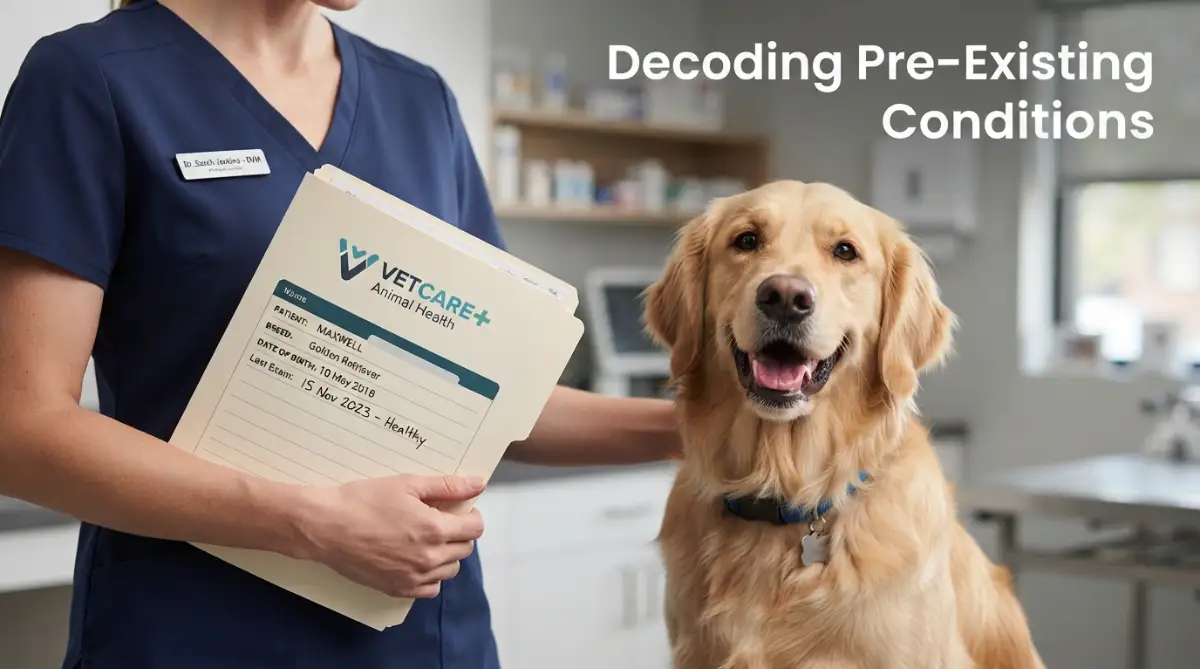
First, you must schedule a baseline medical review. Before you buy any plan, or right after you buy it, take your pet to the vet for a full check-up. Ask the vet to clearly document that your pet is currently healthy. This creates a solid timeline showing exactly when a new illness starts.
Second, read the fine print about "bilateral conditions." This is a sneaky rule that catches many people off guard. If your dog has a bad left knee before the policy starts, the company might refuse to cover the right knee in the future. They assume the other side will naturally fail too.
I once made a huge mistake by switching providers just to save five dollars a month. I did not realize that switching meant my dog’s entire medical history with the first company became a pre-existing issue for the new one.
Pro Tip: If you already have a plan and your pet develops a chronic issue, never switch companies. Stay exactly where you are. The moment you change, that chronic issue becomes permanently excluded under the new provider's rules.
Watch This Expert Breakdown on Policy Exclusions
If you are feeling overwhelmed, this short video explains exactly how to read a policy document without getting a headache.
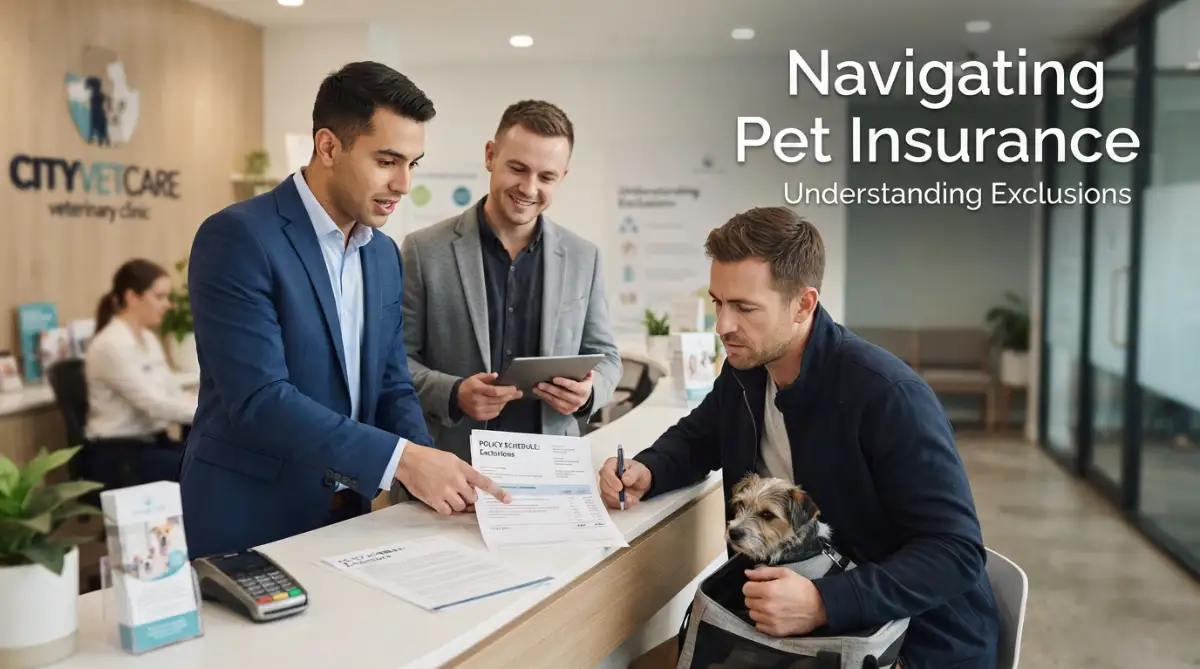
Next, look for companies that offer specific medical reviews upfront. Some modern providers will look at your vet records on day one and give you a written list of exactly what is excluded. This completely removes the guessing game.
You will know exactly where you stand before you pay a single dollar in premiums. If their terms are too harsh, you can simply walk away and find a better provider.
Myth vs. Reality in Animal Healthcare
There are so many rumors floating around the internet about animal health plans. Let's clear up a few of the biggest misunderstandings so you can make confident decisions.
Many people think that older pets simply cannot get coverage. That is completely false. While premiums will certainly be higher for an older dog or cat, you can absolutely still insure them. You just have to accept that their past health bumps will not be covered. Any completely new accident or illness will still be protected.
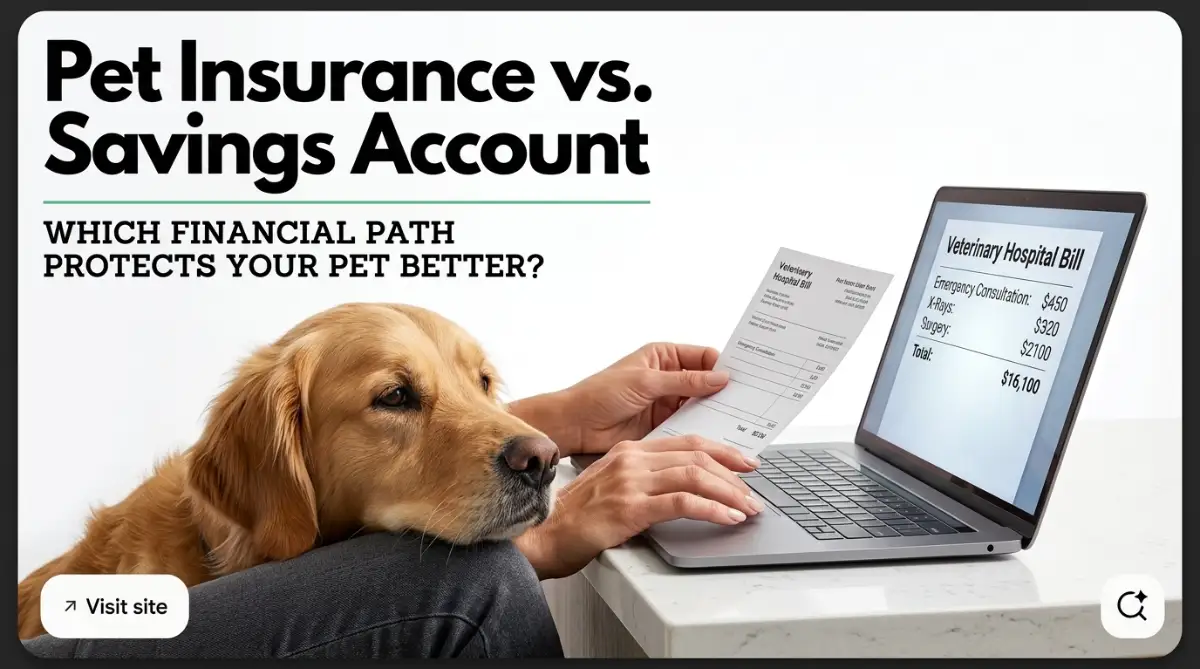
Another huge myth is that saving money in a jar is always better than buying a plan. Setting aside a little cash each month is a smart habit. But what happens if your dog eats a sock on month two, and the surgery costs thousands? Your savings jar will only have a few dollars in it. A good plan absorbs that massive financial shock instantly.
Before you sign any paperwork, make sure you ask the right questions. Being prepared is half the battle.
Securing Peace of Mind for Your Best Friend
Navigating the rules of animal health coverage does not have to feel like a nightmare. Yes, the system has strict boundaries, and dealing with paperwork is frustrating. But armed with the right knowledge, you can absolutely outsmart the confusion.
Start by building a strong, honest relationship with your local vet. Their clear, accurate notes are your best defense against unfair claim denials. Read the terms of your agreement carefully, specifically looking for those curable timelines.
Your pet relies on you for everything. By taking a few extra hours to understand these hidden rules, you are building a safe, strong wall around their future health. You will never have to stand at a reception desk, shaking with panic, wondering how you will pay to save the animal you love so much.
Knowledge is your best protection. Take control of your pet's medical records today, ask the tough questions, and enjoy the true peace of mind that comes with being prepared.
Smart Strategies to Beat the System and Protect Your Pet
Knowing the rules of the game is just the beginning. To truly secure your pet's future, you need a proactive strategy. Most pet parents wait for a disaster to test their policy, but that is a dangerous gamble.
The smartest thing you can do on day one is request a full medical history review. Some providers offer this service right after you sign up. They will officially review your vet records and hand you a written list of everything they consider an exclusion.
Having this document in your hands removes all the guesswork. If you understand exactly what is on the table, you can plan your budget accordingly. This completely eliminates the shock of a denied claim later down the road.
You should also become incredibly familiar with your paperwork. If you take the time for understanding your insurance declaration page, you will spot hidden waiting periods. Every company has a waiting period before coverage kicks in, usually ranging from a few days for accidents to weeks for illnesses.
If your pet shows even a mild symptom during this waiting period, it immediately becomes a permanent exclusion. Keep your dog or cat extra safe during those first few weeks.
Sometimes, companies make mistakes and flag things unfairly. If a vet noted that your dog had a slightly red eye from dust, the company might try to deny a future claim for glaucoma. You have the right to fight back. You can ask your vet to write a formal letter clarifying that the past issue was totally unrelated to the new illness.
This process is similar to learning how to stop your insurance company from denying claims in other areas of your life. Good documentation always wins against corporate assumptions. Keep everything recorded, perfectly dated, and stored safely.
Getting professional advice from outside sources also helps. The American Veterinary Medical Association guidelines on patient records clearly explain what a vet should document. Knowing these standards helps you check if your local clinic is keeping accurate notes.
Quick Action Checklist
- Request a full copy of your pet's medical file today.
- Read the vet notes and look for any vague or guessing statements.
- Ask your vet to correct any inaccurate symptoms in the file.
- Request a formal medical history review from your provider.
- Keep your pet indoors and safe during the initial waiting period.
- Store all future invoices and exam notes in a dedicated physical folder.
Here is a quick breakdown of how proactive actions directly compare to risky behaviors when dealing with an animal health plan.

The Heartbreaking Traps You Must Avoid
Watching a pet suffer is awful, but realizing you made a paperwork mistake that denies their treatment is devastating. I have seen so many caring families fall into traps simply because they did not read the fine print.
The absolute biggest mistake you can make is trying to hide your pet's medical history. Some owners think that if they switch to a brand new veterinary clinic right before buying a policy, the company will not find out about their pet's past sickness.
This never works. When you file your first major claim, the provider will legally demand the complete medical history from every vet you have ever visited. If they discover you hid a past illness, they will cancel your entire policy instantly for fraud. You will lose your safety net entirely.
Another massive trap is misunderstanding how routine care impacts sickness limits. Many people skip their annual healthy pet check-ups to save a little cash. But if your provider requires a yearly exam and you skip it, they can use that as an excuse to deny future treatments.
If you want to understand why your insurance claim was denied and how to fix it, always look at your own compliance first. Following the rules keeps you protected.
Pro Tip: Never assume a quick phone call with your vet counts as an official diagnosis or treatment. Always ask for written confirmation. If the vet tells you over the phone to watch your dog's limp for a few days, that phone call might get logged in the system and trigger an unexpected exclusion later.
People also get confused about their out-of-pocket costs before coverage kicks in. Just like learning what is a deductible in health insurance for yourself, you must know your pet's numbers. If your dog gets an ear infection and the bill is smaller than your deductible, you pay the whole thing.
Always keep enough cash in your bank account to cover that initial amount. Do not let these small, easily avoidable errors destroy your financial safety net.
Taking Control of Your Pet's Health Journey
You now have a massive advantage over the average pet parent. By understanding exactly how companies define past illnesses, you can navigate their rules without fear. You know the difference between a temporary curable issue and a permanent condition.
You also know exactly how to manage your vet records to prevent unfair claim rejections. Taking the time to properly choose the right health insurance plan is a big step, but actively managing it is where the real success happens.
Never feel intimidated by legal jargon or strict customer service agents again. You are the customer, and you have the right to ask hard questions. Use the checklists, communicate openly with your vet, and read your documents carefully.
Your dog or cat gives you unconditional love every single day. They cannot speak up for their own medical rights, so you must be their strongest advocate. By organizing their records and understanding these hidden exclusions, you are wrapping them in a genuine blanket of safety.
I know managing all this paperwork can feel exhausting at times. But the first time your provider covers a massive, unexpected surgery bill in full, you will realize every single minute of planning was worth it.
Which strategy are you planning to use first to protect your pet's coverage? Let me know in the comments below!
Top Questions Pet Parents Always Ask
Can I get coverage if my dog is already sick?
Yes, you can absolutely buy a plan for a sick pet. However, the specific illness they already have will be excluded from the coverage. Any new, unrelated accidents or illnesses will be fully protected by the plan.
What actually counts as a pre-existing condition?
Any symptom, illness, or injury that your vet noticed before your policy started is considered pre-existing. It does not even need an official diagnosis. If the vet simply writes down "dog is limping" during the waiting period, that leg is now excluded.
Will past allergies be covered if diagnosed early?
Usually, allergies are considered an incurable, lifelong condition. If your pet showed signs of skin allergies before you bought the plan, those treatments will never be covered. You will have to pay for allergy medications out of your own pocket.
Do these companies really check old vet records?
They absolutely do. When you file your very first claim, the company will ask your vet to send over the entire medical history. They will read every single line of those notes to see if the current problem was brewing in the past.
How long do I have to wait before filing a claim?
Every company has a mandatory waiting period immediately after you pay your first premium. This is usually two to fourteen days for accidents, and up to thirty days for illnesses. Check your specific document to know your exact dates.
Are genetic disorders covered by standard plans?
Many modern plans cover genetic or breed-specific disorders, but only if they were not showing symptoms before the plan started. For example, a Bulldog's breathing issues are covered if the policy was bought when the dog was a healthy puppy.
What happens to my plan if I switch vets?
Switching to a new local clinic does not hurt your coverage at all. Just make sure you transfer all the complete old records to the new doctor. Your insurance provider only cares about the continuous medical history, not the building you visit.
Can a denied medical claim be appealed?
Yes, you can and should appeal unfair decisions. If they deny a claim, you can ask your vet to write an official letter explaining why the illness is brand new. Many appeals are successful when backed by strong medical facts.
Is it too late to insure an older senior dog?
It is rarely too late, but it will be much more expensive. Older dogs naturally have a longer medical history, meaning they will have more exclusions. But a plan can still save you thousands if they suddenly swallow a toy or break a bone.
Does a simple healthy check-up count as a symptom?
No, a routine wellness exam does not count as a pre-existing condition. In fact, getting a clean bill of health from your doctor proves your pet was healthy on day one. This helps guarantee your future sickness claims get approved smoothly.
Trusted Legal Resources
- National Association of Insurance Commissioners (NAIC)
- American Veterinary Medical Association (AVMA)
- Consumer Financial Protection Bureau (CFPB)
- Federal Trade Commission (FTC) - Consumer Advice
- Department of Financial Protection and Innovation
- State Insurance Commissioner Directory
Disclaimer: The information provided in this article is for educational and informational purposes only and should not be construed as legal, financial, or professional medical advice. Insurance policies vary heavily by provider, region, and individual circumstances. FinanceInfoIn and its editorial team are not licensed insurance agents or financial advisors. Always read your specific policy documents carefully and consult with a licensed insurance professional or a certified veterinarian before making any decisions regarding your pet's health coverage. We assume no liability for any actions taken based on this content.
About the Author
Reviewed by Mithun Halder (Personal Finance & SEO Expert) & The FinanceInfoIn Editorial Team
The FinanceInfoIn Editorial Team researches personal finance, investing, insurance, mortgages, cryptocurrency, and consumer financial topics. Every article is carefully reviewed to provide clear, practical, and trustworthy educational information based on credible sources and industry best practices.
© FinanceInfoIn. All rights reserved.