Reading Time: 15 Minutes
Difficulty Level: Beginner to Intermediate
Reviewed By: FinanceInfoIn Editorial Team.
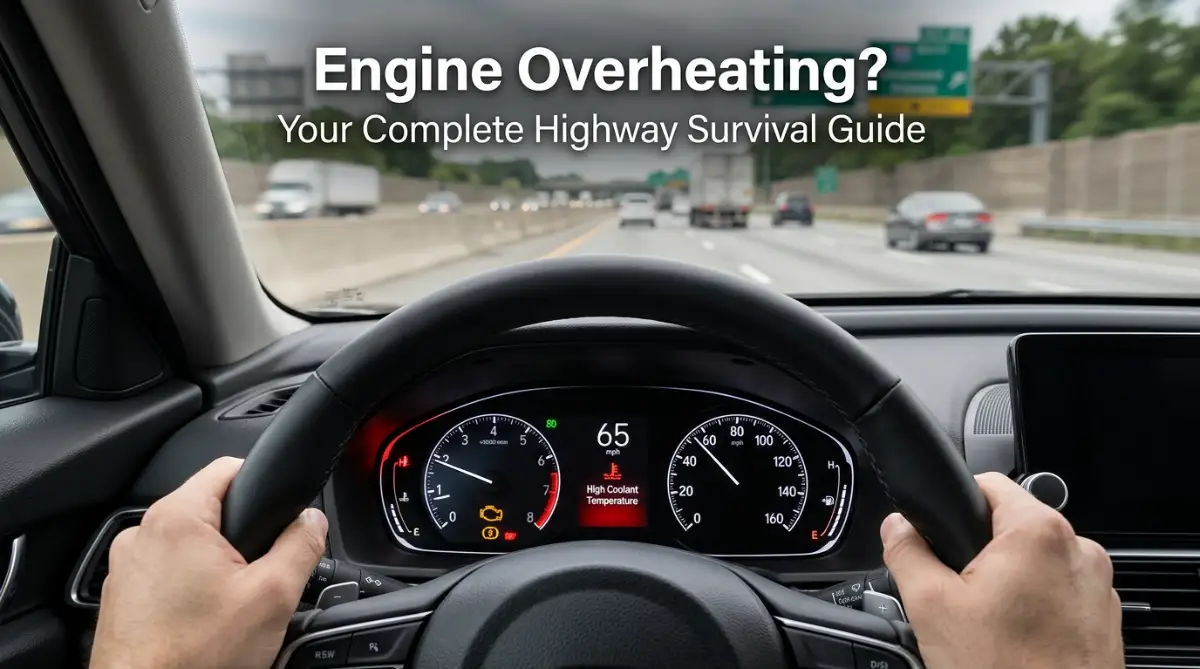
The sun is beating down on the asphalt, and you are finally making good time on your road trip. Suddenly, the sweet air conditioning turns into a blast of warm air. You glance at the dashboard, and your stomach completely drops.
The temperature gauge needle is pinned firmly in the red zone, and a faint smell of sweet syrup fills the cabin. You are trapped in the middle lane with semi-trucks flying past you at 70 miles per hour. Your hands grip the steering wheel so hard your knuckles turn white.
A flashing warning light screams at you to pull over immediately. It is a terrifying, helpless feeling that completely ruins your day and threatens your bank account. I remember facing this exact nightmare on a busy interstate, miles away from any exit, watching thick white steam pour from my hood.
When your car overheats at highway speeds, everyday logic goes out the window. The sudden panic makes it hard to think clearly. You start worrying about your family's safety sitting on a narrow patch of gravel next to speeding traffic.
Then, the financial dread sets in. You wonder if the engine is completely destroyed. You start calculating how much a tow truck will cost and if you will have to drain your savings just to get back on the road.
This is not just a minor inconvenience. It is a high-stress situation that completely shatters your peace of mind. Every second you keep driving with a hot motor, you are risking catastrophic damage.
The fear of being stranded in an unfamiliar area without help is a heavy burden for anyone to carry. But taking a deep breath and knowing exactly how to react can save your engine and keep you entirely safe.
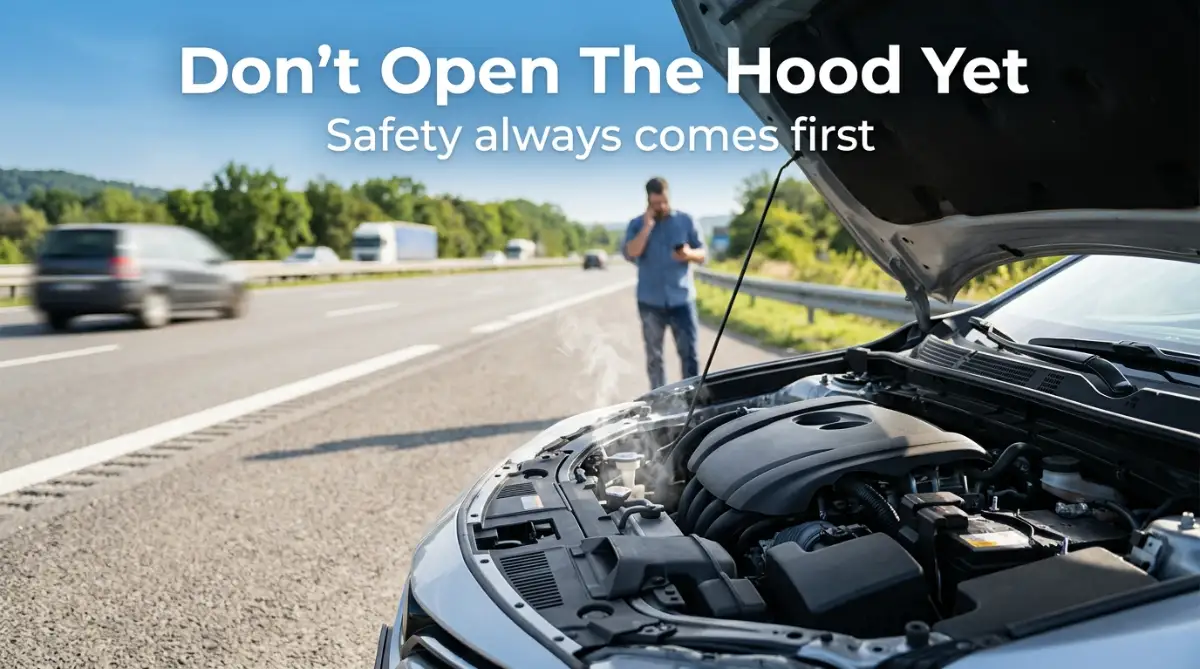
Table of Contents
- Quick Summary
- The Danger of Ignoring the Red Needle
- Immediate Highway Survival Steps
- Why Your Engine is Running Hot
- The Cool Down Phase
- Checking the Damage Safely
- Making the Right Financial Call
- Key Takeaways
Quick Summary
An overheating car on the highway requires immediate and safe action. You must turn on your heater, carefully navigate to the shoulder, and shut off the engine instantly. Never open a hot hood or radiator cap. Understanding the problem quickly can save you from replacing an entirely ruined motor.
Key Takeaways
- Turn your interior heater on full blast to pull heat away from the engine.
- Pull over safely; risking an accident is never worth saving the vehicle.
- Never attempt to open the radiator cap while the car is hot.
- Calling a tow truck is almost always cheaper than buying a new engine block.
The Immediate Threat of a Hot Motor
When you see that red warning light, the clock starts ticking immediately. Modern vehicles are built to handle a lot of stress, but extreme heat is their ultimate enemy.
The internal metal parts of your motor expand rapidly when temperatures rise beyond normal limits. If you keep pushing the gas pedal, those metal components will start grinding against each other. This friction causes irreversible damage in a matter of minutes.
Many people think they can just push the vehicle a few more miles to the next exit. This is the biggest mistake you can possibly make.
Let's look at a real-life scenario to understand the math behind this decision.
David's Expensive Gamble
David was driving home when his warning light came on. He was only five miles from his house, so he decided to keep going instead of pulling over.
- Cost to pull over and call a tow truck immediately: $150
- Cost of the original coolant leak repair: $80
- Total if he stopped: $230
Because David kept driving, the extreme heat warped the cylinder head and blew the head gasket.
- Cost of new head gasket repair and engine machining: $2,800
- Total money lost by driving 5 extra miles: $2,570
That simple choice to keep driving cost David thousands of dollars and left him without a vehicle for three whole weeks. A small inconvenience easily turns into a massive financial disaster.
Safely Navigating Through Fast Traffic
You notice the gauge spiking, and you need to get off the road. The very first thing you must do is turn off your air conditioning completely.
The AC system puts a massive load on the motor. By shutting it off, you instantly reduce the strain on the system.
Next, turn your car's interior heater up to the highest possible setting. Make sure the fan is blowing at full speed.
This sounds completely crazy on a hot summer day, but it works like magic. The heater core acts like a secondary radiator. It literally pulls excess heat directly out of the engine bay and pushes it into the cabin. Roll down your windows so you do not roast inside the car.
Now, turn on your hazard lights immediately. This signals to the drivers around you that you are experiencing an emergency and need space.
Do not slam on your brakes. Gradually take your foot off the accelerator and let the vehicle naturally lose speed. Slowly and carefully work your way over to the right shoulder.
If there is no safe shoulder, you must look for an exit ramp or a wide grassy area. Safety is your main priority here. Do not stop in a moving lane of traffic unless the vehicle completely dies and you have absolutely no other choice.
Expert Tip: Always angle your steering wheel slightly away from the highway once you are parked on the shoulder. If a distracted driver clips your vehicle from behind, this prevents your car from being pushed back into moving traffic.
Understanding What Went Wrong
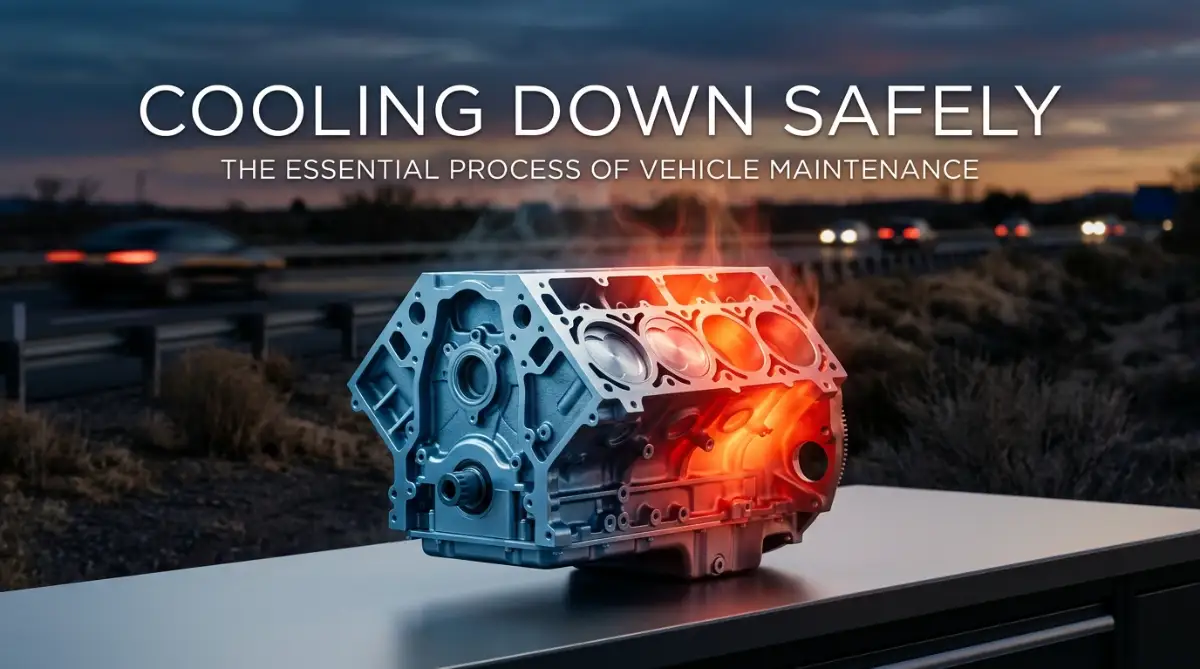
Once you are safely on the side of the road, put the car in park and turn the ignition off immediately. Do not leave the motor idling.
Leave the key in the "accessory" position so your dashboard lights and hazard signals keep working. Now, take a deep breath. The hardest part is over.
Do not pop the hood right away. There is a very good chance boiling water and pressurized steam are shooting around inside the engine bay.
Wait at least fifteen to twenty minutes before you even think about touching the hood latch. Use this time to get yourself and your passengers to a safe spot, preferably behind a guardrail if one is available.
Many drivers get confused about why their vehicle suddenly got so hot. The table above breaks down the most common culprits.
People often confuse a simple low coolant issue with a catastrophic mechanical failure. A small leak in a rubber hose is a cheap fix, while a broken water pump requires a professional mechanic.
The Waiting Game and Visual Inspection
After waiting at least twenty minutes, the metal should be slightly cooler. If you no longer see steam or hear hissing sounds, you can carefully pop the hood.
Do not open the hood all the way at first. Lift it just an inch to ensure no hidden steam is waiting to burn your face.
Once the hood is open, do a purely visual inspection. Do not touch any metal parts or hoses with your bare hands.
Look for bright green, orange, or pink fluid splashed across the engine block. This is a clear indicator that a hose has burst or the radiator has cracked.
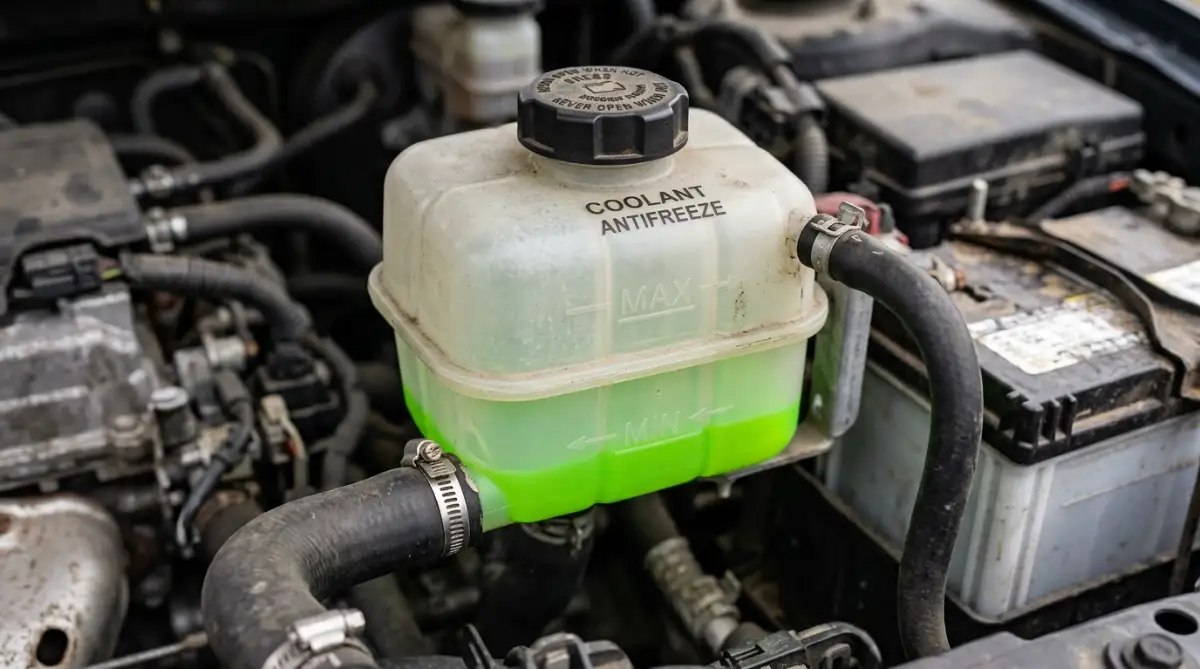
Check the plastic coolant reservoir tank. It is usually a clear or white plastic jug with "MIN" and "MAX" lines on the side. If it is completely bone dry, you have found the main problem.
Pro Tip: I used to keep a thick pair of leather work gloves in my trunk for emergencies. One time, I had to secure a loose, hot radiator hose on the side of the road. Those gloves protected my hands from severe burns and allowed me to safely assess the damage. Always keep protective gear in your emergency kit.
Now is the perfect time to watch a quick visual guide on how to safely inspect these components. Below is a highly detailed walkthrough showing exactly what a blown hose looks like and how to spot a dry reservoir tank safely.
Making the Call for Help
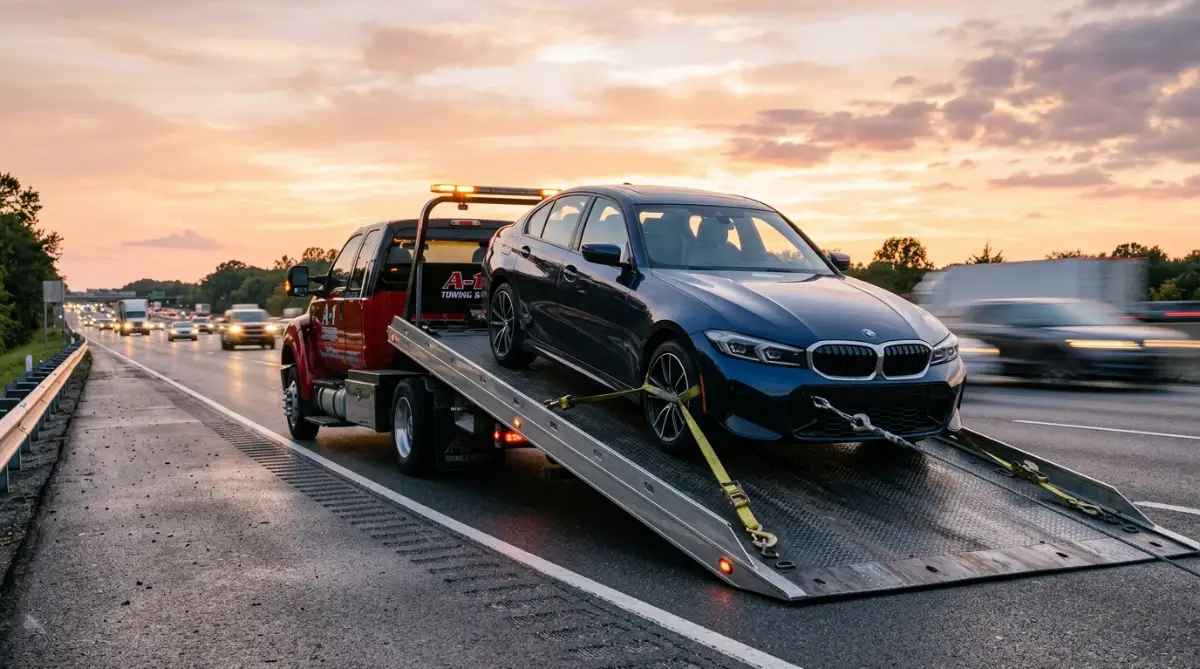
If you see major damage, a snapped belt, or a massive puddle of fluid under the car, your journey is officially over for the day.
Do not try to add water and limp the vehicle home. It is time to call your roadside assistance provider, insurance company, or a local towing service.
Many drivers hesitate to call a tow truck because of the upfront cost. However, we already proved with our math example earlier that towing is always the cheaper option.
If you just have a slightly low coolant reservoir and no obvious leaks, you might be able to add a 50/50 mix of antifreeze and water.
Only do this when the engine is completely cold to the touch. Pouring cold liquid into a red-hot engine block will cause the metal to crack instantly.
If you must use plain water from your water bottles just to get to a service station two miles away, do it carefully. Leave the radiator cap off for a moment while the car runs to let air bubbles escape.
Always remember to replace that plain water with proper antifreeze as soon as you get home. Water boils at a much lower temperature than coolant, so it will not protect your motor on the next long drive.
The Honest Truth About Roadside Repairs
The honest truth is that modern vehicles are highly complex machines. The days of fixing an overheating car on the shoulder with duct tape and a jug of water are mostly behind us.
Computers monitor everything, and aluminum engine blocks are incredibly sensitive to temperature spikes. Your main goal is simply survival and damage control.
Always keep an emergency kit in your trunk. Include heavy gloves, a gallon of pre-mixed coolant, a working flashlight, and reflective warning triangles.
Being prepared takes away the feeling of helplessness. You will know exactly how to protect your family and your wallet the next time that temperature needle starts climbing into the red. Keep your eyes on the dashboard, react quickly, and never let panic dictate your actions on the highway.
Mastering Your Engine's Temperature Long-Term
Surviving a highway breakdown is only half the battle. Once your car is safely sitting in your driveway or at the mechanic's shop, you need to think about long-term prevention. Getting stranded once is bad luck, but letting it happen twice is entirely preventable.
Many drivers think simply pouring new fluid into the reservoir fixes the underlying issue. I used to think the same thing until my mechanic showed me the sludge at the bottom of my radiator. Your car needs a completely healthy cooling system to survive long drives, especially in the middle of summer.
To keep your motor running efficiently, you need to understand the chemistry happening under your hood. Engine coolant naturally breaks down over thousands of miles. It slowly turns from a protective fluid into an acidic liquid that eats away at your internal metal parts.
pro tips
Always check your coolant levels when the motor is completely cold, preferably first thing in the morning before starting the vehicle. If you constantly have to top off the reservoir every few weeks, you have a slow, hidden leak that needs immediate professional attention before your next big road trip.
A lot of misinformation exists regarding vehicle maintenance. People often listen to outdated advice from older relatives that simply does not apply to modern aluminum engine blocks. Let's clear up some of the biggest misunderstandings right now.
Taking care of a traditional gas engine requires constant fluid monitoring. However, if you are tired of dealing with radiators and water pumps, you might consider switching to an EV. Understanding how to maximize your electric vehicle range on long road trips is a completely different skill set that requires zero antifreeze.
For those keeping their gas-powered cars, making a habit of checking your belts and hoses every time you get an oil change is a massive money saver. Rubber hoses degrade from the inside out, meaning they might look perfect on the outside while rotting internally.
The Most Dangerous Engine Cooling Errors
When stress levels hit the roof on the side of a busy interstate, people make highly irrational decisions. I completely understand the panic. You just want to get home, and waiting for a tow truck feels like an eternity.
However, letting impatience guide your actions usually results in a completely destroyed motor. A $100 tow bill is always better than a $3,000 complete mechanical rebuild. We need to look closely at the worst actions you can take when that red warning light starts flashing.
Common Mistakes
- Continuing to drive because the next exit is "only a mile away." That mile will warp your cylinder head.
- Pouring ice-cold water directly onto a red-hot engine block to cool it down faster. This instantly cracks the metal.
- Trying to unscrew the radiator cap while the system is still pressurized.
- Using stop-leak additive liquids as a permanent fix instead of repairing the actual broken hose.
- Ignoring the temperature gauge completely and relying only on the check engine light.
Many drivers simply do not know what to look for when inspecting their vehicle. Below is a breakdown of the visual warning signs and what they actually mean for your wallet.
When you are stranded, taking the correct steps in the exact right order is your best defense against further damage. Here is exactly what you need to do if you ever find yourself safely pulled over and needing to assess the situation.
The Exact Step-by-Step Execution Guide
Step 1: Wait a full thirty minutes with the engine turned off and the hood completely closed.
Step 2: Put on heavy leather work gloves and safety glasses if you have them.
Step 3: Slowly unlatch the hood, lifting it just two inches to check for hissing steam.
Step 4: Secure the hood prop and visually locate the translucent plastic coolant reservoir tank.
Step 5: If the tank is completely empty, carefully check underneath the vehicle for fresh puddles.
Step 6: If there are no massive puddles, slowly unscrew the reservoir cap (never the metal radiator cap) and pour in a 50/50 premixed coolant until it reaches the "MAX" fill line.
To perform these steps safely, you need to carry the right tools. A roadside breakdown is not the time to realize your trunk is completely empty.
Required Document & Preparation Checklist
- Your current roadside assistance membership card or insurance hotline number.
- One full unopened gallon of 50/50 premixed universal antifreeze.
- A thick pair of heat-resistant leather work gloves.
- A high-powered LED flashlight with extra batteries.
- Reflective hazard triangles to place behind your vehicle.
If you are thinking about upgrading your car soon, you might avoid these fluid issues altogether. Learning how to extend the battery life of an electric vehicle is much cleaner than dealing with dirty oil and toxic green antifreeze.
Hitting the Road with Total Confidence
You do not have to live in fear of the dashboard temperature gauge. By understanding how your vehicle manages heat, you are already far ahead of the average driver. Being proactive is the absolute best way to ensure your family's safety on long highway trips.
The next time you plan a weekend getaway, take five minutes to open the hood and do a quick visual inspection. Squeeze the thick upper radiator hose when the motor is cold. If it feels extremely squishy or brittle, it is time for a replacement.
I make it a personal rule to flush my radiator fluid every two years, regardless of how many miles I drive. This small investment keeps the water pump lubricated and completely prevents internal rust buildup.
Quick Action Checklist
- Check the dashboard temperature gauge every ten minutes while driving on the highway.
- Turn off the air conditioning immediately if you see the needle moving past the halfway mark.
- Keep a close eye on the pavement underneath your parking spot at home for fresh green or pink fluid spots.
- Schedule a complete cooling system pressure test before driving across state lines.
Just like dealing with extreme heat, cold weather presents its own unique challenges for modern vehicles. If you drive a newer EV, understanding how to safely charge your electric car in freezing temperatures is just as important as managing a hot radiator in the summer.
Every time I hear a strange noise under the hood, I immediately turn down the radio and listen closely. Catching a failing water pump bearing early saved me from being stranded in the middle of the desert last summer. Your car will almost always warn you before a catastrophic failure happens.
If you frequently experience issues with modern automotive tech, it is usually a simple fix. For instance, many new owners often wonder, "why is my EV charging so slow?" Usually, it is just a matter of adjusting a setting or understanding battery temperature.
Taking control of your car's maintenance gives you incredible peace of mind. You now have the exact knowledge required to handle a terrifying highway emergency safely and efficiently. Pack your emergency kit, check those fluid levels, and enjoy your next road trip without any stress.
Have you ever dealt with a steaming engine on the side of the highway? Let me know exactly how you handled it in the comments below!
Common Questions About Highway Breakdown Safety
What is the very first thing I should do if my car overheats?
Turn off your air conditioning immediately and turn your interior heater on full blast. This pulls excess heat away from the engine block and buys you valuable time to pull over safely.
Is it safe to drive my car just a few more miles to an exit?
No, it is never safe. Driving an overheating motor for even one extra mile can warp the cylinder head and cause irreversible, highly expensive mechanical damage.
How long does it take for a hot engine to cool down safely?
It usually takes a minimum of thirty to forty-five minutes for a severely overheated motor to cool down enough to safely open the hood. Rushing this process can result in severe steam burns.
Can I pour cold water into my hot radiator?
Absolutely not. Pouring cold liquid into a red-hot metal engine block will cause the metal to crack instantly due to rapid thermal shock, completely ruining the motor.
Why does my heater help cool down the engine?
Your vehicle's heater core acts as a miniature secondary radiator. By turning the heater on high, you actively extract heat from the engine bay and push it into the passenger cabin.
What does burning coolant smell like?
Burning antifreeze has a very distinct, sweet smell that resembles hot maple syrup or butterscotch. If you smell this through your air vents, pull over immediately.
Can a bad battery cause my car to overheat?
While rare, a dying battery or failing alternator can cause the electric radiator cooling fans to stop spinning. This usually happens in stop-and-go traffic rather than at highway speeds.
How much does it cost to fix an overheating car?
A simple broken hose might cost under $100 to fix, while a blown head gasket from driving too long can cost upwards of $2,500. Towing the car early keeps the repair bill low.
Is water just as good as antifreeze in an emergency?
Plain water will cool the engine temporarily, but it boils much faster than proper coolant and lacks rust inhibitors. You should only use pure water in a desperate emergency and flush it out later.
Should I leave the engine running while parked on the shoulder?
No, turn the ignition completely off the moment you are safely parked. Leaving the motor running generates more heat and worsens the internal damage.
Trusted Legal and Safety Resources
- National Highway Traffic Safety Administration (NHTSA)
- American Automobile Association (AAA) Roadside Guidelines
- Department of Transportation (DOT) Highway Safety
- Car Care Council Maintenance Guides
- Environmental Protection Agency (EPA) Fluid Disposal
- Consumer Reports Automotive Safety
Disclaimer: The information provided in this article by FinanceInfoIn is for general educational and informational purposes only. We are not certified mechanics or automotive engineers. Always consult with a licensed, professional mechanic before attempting any vehicle repairs or maintenance. FinanceInfoIn and its authors assume no liability for any property damage, financial loss, or personal injury resulting from the application of the information contained within this guide. Always prioritize your personal safety and adhere to local traffic laws during a highway emergency.
About the Author
Reviewed by Mithun Halder (Personal Finance & SEO Expert) & The FinanceInfoIn Editorial Team
The FinanceInfoIn Editorial Team researches personal finance, investing, insurance, mortgages, cryptocurrency, and consumer financial topics. Every article is carefully reviewed to provide clear, practical, and trustworthy educational information based on credible sources and industry best practices.
©2026 FinanceInfoIn. All rights reserved.