
Reading Time: 12 Minutes
Difficulty Level: Beginner to Intermediate
Reviewed By: FinanceInfoIn Editorial Team
The Winter Energy Trap: When Your Heat Pump Drains Your Wallet
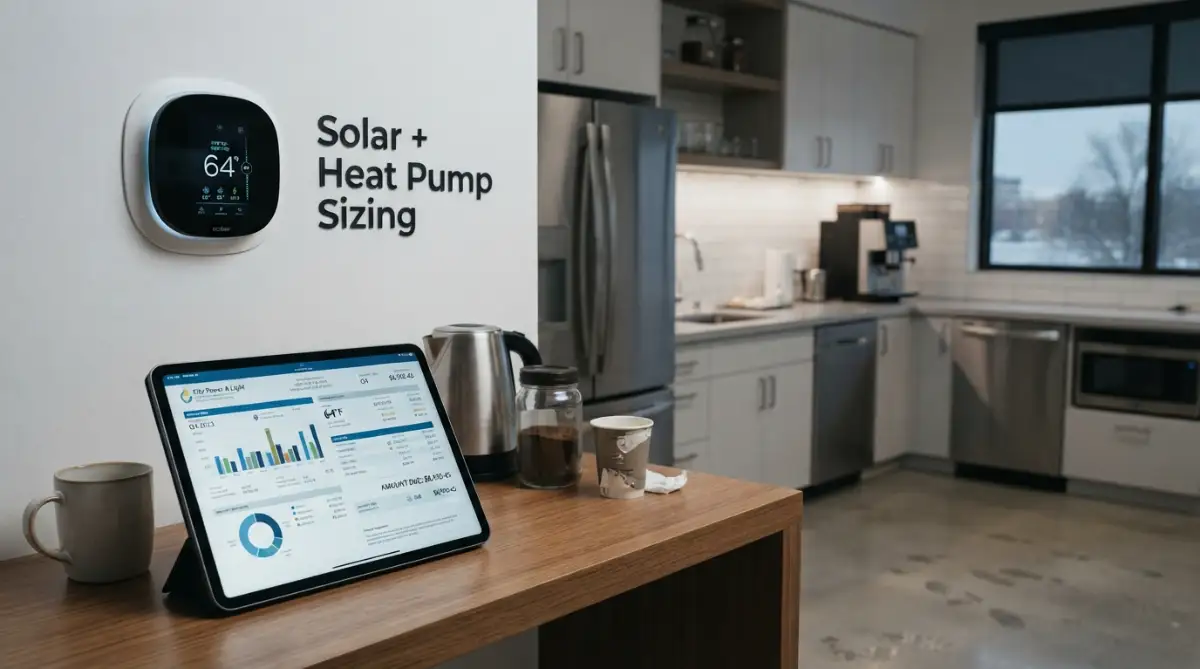
Staring at a massive electric bill on a freezing morning is the fastest way to ruin your weekend. You probably installed a heat pump thinking it would solve all your winter heating costs.
The sales rep promised incredible efficiency and a greener home. But once temperatures dropped, the heat pump started running overtime and electricity usage climbed sharply.
This is usually the point where people start looking into solar power to offset a heat pump's electricity demand.
But figuring out how to balance solar production with heavy heating demands feels like learning a new language. If you buy too few panels, you are still trapped paying huge utility bills every winter.
Quick Summary
Sizing a solar system for a heat pump requires matching your home's total electrical load with the right panel output. You must account for winter weather, which lowers solar production while increasing heating demands. Calculating your heat pump's specific kilowatt-hour (kWh) usage is the only way to avoid buying an undersized array.
Key Takeaways
- Efficiency Ratings Matter: Your heat pump's SEER and HSPF ratings directly impact how many solar panels you need.
- Winter is the Ultimate Test: Solar production drops just when your heating system works the hardest.
- Insulation Comes First: Sealing your home before going solar can save you from buying unnecessary panels.
- Net Metering is Your Friend: Using the grid as a battery during summer helps offset heavy winter heating bills.
The Hidden Energy Drain of Winter Heating
Transitioning to a fully electric home is an exciting journey until the math stops making sense. Heat pumps are technically air conditioners that can work in reverse. They pull warmth from the outside air and pump it inside your house.
This process is highly efficient, but it still requires a serious amount of electricity to compress that air. When you try to power this process with solar energy, you run into a unique challenge.
During the summer, the sun shines for hours, making it easy to run your air conditioning on pure solar power. But in the middle of winter, the days are short, the sun sits lower in the sky, and clouds block your panels.
Right when your panels produce the least amount of energy, your heat pump demands the absolute most. If you do not plan for this exact mismatch, your solar investment will feel like a complete failure.
The Confusing Alternatives: What Are You Actually Powering?
Many homeowners get entirely confused by the different types of heating systems and how they interact with solar. You might think you just need a few extra panels, but the type of system you own dictates everything.
People often confuse standard central air sizing with heat pump sizing. Let's break down the actual differences so you know exactly what you are dealing with.
If you have a gas furnace, your solar panels are just running your lights, fridge, and summer AC. But with an air source heat pump, your entire winter survival depends on your electrical supply.
Real-Life Math: Sizing Your Panels Based on True Usage
You cannot guess your way through this process. Let's look at a real-life scenario to make this math incredibly simple to understand.
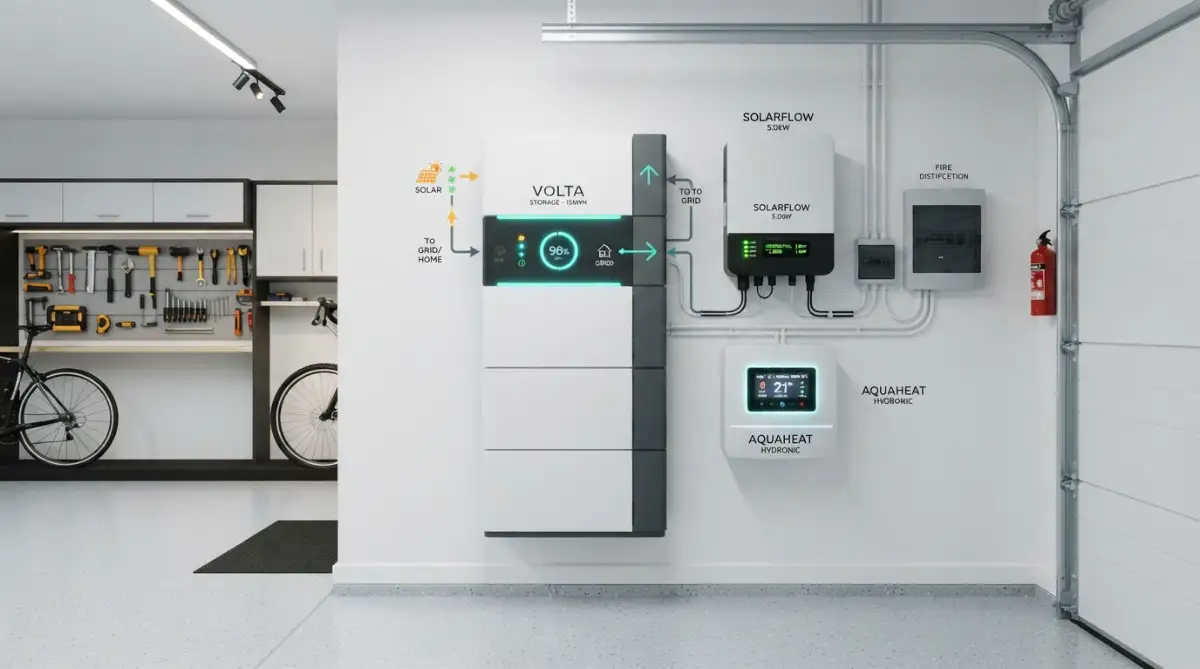
A simplified example: a home using roughly 8,000 kWh/year for standard appliances that adds a 4-ton electric heat pump might see heating and cooling add another ~5,000 kWh/year... bringing total annual usage to around 13,000 kWh. A single 400-watt panel typically produces somewhere in the range of 350–550 kWh per year, depending on location, tilt, and shading... this lands somewhere around 24–28 panels, though the exact figure depends heavily on local conditions.
Climate Demands and Cold Weather Realities
Your local weather dictates the rules of the game. A home in Florida requires a completely different solar setup than the exact same house in Michigan.
The colder it gets outside, the harder your heat pump has to work to extract warmth from the freezing air. Some older units even rely on inefficient electric resistance heat strips when the temperature drops below freezing.
If those emergency heat strips turn on, your electricity consumption will instantly triple. This is why understanding your climate zone is non-negotiable when calculating your panel needs.
You need to look at your heat pump's Heating Seasonal Performance Factor (HSPF). A higher HSPF rating means the unit produces more heat using less electricity, saving you from buying extra solar panels.
The Importance of Sealing Your Envelope
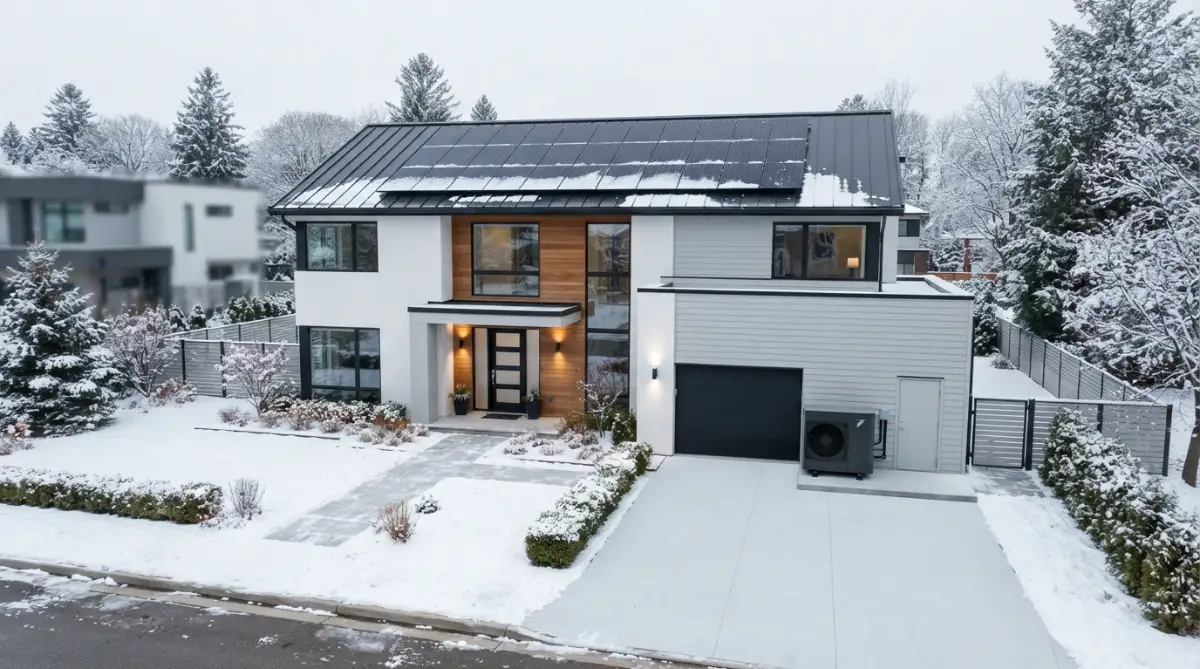
Before you ever put a single panel on your roof, you must look closely at the physical structure of your house. We call this the building envelope.
If your home has leaky windows, poor attic insulation, or unsealed doors, your heat pump will run constantly to replace the lost air. You will end up paying for a massive solar system just to heat the neighborhood.
An energy audit is the cheapest investment you can make right now. Adding a few hundred dollars of blown-in insulation can literally save you from needing five extra solar panels on your roof.
Pros and Cons of a Fully Electric Heating Setup
Deciding to tie your entire home's comfort to solar energy is a massive commitment. Before you sign any contracts, you need to weigh the actual benefits against the harsh realities.
The Pros:
- Completely eliminates your reliance on dirty, expensive fossil fuels like natural gas or heating oil.
- Dramatically lowers your lifetime utility costs and protects you from sudden rate hikes.
- Highly efficient heat pumps provide better, more consistent indoor air quality and comfort.
- Combines your heating and cooling into one single system, reducing overall maintenance headaches.
The Cons:
- The upfront cost of buying both a large solar array and a new heat pump can be overwhelming.
- Winter snow and heavy clouds can temporarily wipe out your energy production.
- Requires significant roof space to fit the extra panels needed for heavy winter loads.
Battery Storage vs Grid Reliance
The biggest question most people ask is whether they need to buy expensive home batteries. The answer depends entirely on your local utility company's rules.
Most homeowners rely on a system called net metering. In the summer, your panels will produce way more energy than your home uses, and you send that extra power back to the grid for credits.
When winter arrives and your panels underperform, you simply use those saved-up credits to run your heat pump at night. If you have great net metering policies, the grid essentially acts as your free, unlimited battery.
But if your utility company pays you pennies for your extra summer power, the math changes completely. In that situation, storing your own energy in a wall battery becomes a smarter financial move.
Expert Tip:
"A common oversizing recommendation is to add roughly 15% extra capacity when running a heat pump without a battery, to account for shorter winter daylight hours — though the right buffer depends on climate and system design, and is worth confirming with an installer using local production data."
Final Thoughts on Your Solar Transition
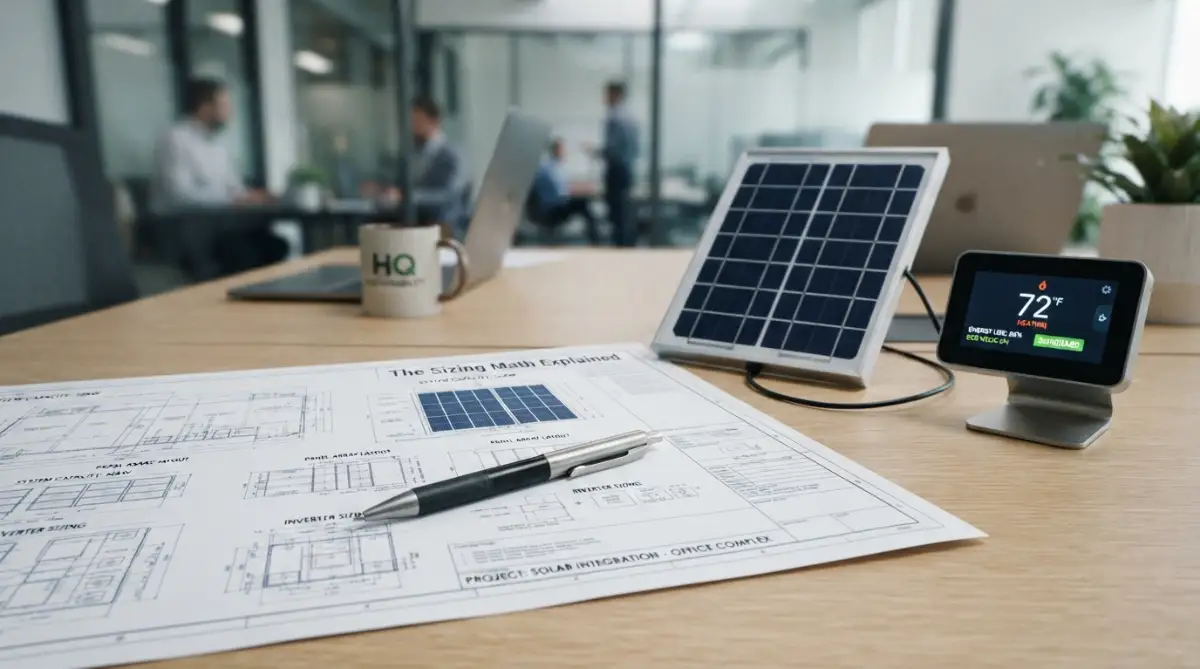
Taking your home completely off fossil fuels is one of the most rewarding projects you can undertake. It gives you total control over your comfort and your monthly budget.
But it requires slowing down and doing the math correctly. You have to understand your home's total energy footprint.
Talk to multiple installers and force them to show you the exact kilowatt-hour calculations. Make sure they are planning for the worst days of winter, not just the sunny days of summer.
A well-sized solar and heat pump combination can meaningfully reduce both energy costs and reliance on the grid over time.
Maximizing Your Solar Array for Heavy Winter Loads
A smart, weather-aware thermostat is worth installing early in the process. Programming it to pre-heat the house slightly around midday, while solar production peaks, can meaningfully reduce nighttime grid usage.
To make this strategy work, you have to understand your local utility rates. Many power companies charge double or triple the normal price for electricity between 5:00 PM and 9:00 PM.
By simply learning how net metering works, you can schedule your heaviest heating cycles when electricity is cheapest. This small behavior change is heavily supported by modern energy efficiency studies from government databases, proving that load shifting works.
Common Mistakes
- Relying on Old Air Conditioning Data: Many buyers hand their old summer utility bills to a solar installer and say, "Match this." A heat pump uses entirely different power profiles during winter, making old AC data completely useless.
- Ignoring the Roof Health: Putting brand-new panels over old, deteriorating shingles is a massive financial trap. You must learn how to prep your roof for solar panels before approving any installation, or you will pay thousands to remove the panels during a roof replacement.
- Forgetting About Emergency Heat Strips: If your installer does not calculate the massive energy spike caused by backup resistance heating, your system will fail during the coldest week of the year.
- Chasing the Lowest Quote: Choosing the absolute cheapest installer usually means getting low-tier panels that degrade quickly. These are the major solar panel installation mistakes that silently eat away at your long-term return on investment.
Many salespeople will tell you exactly what you want to hear just to get a signature on the contract. It is up to you to push back and demand to see the real math.
How to Start Your Solar Heating Project Today
Reading about the math is helpful, but you need a concrete plan to get this project moving. You cannot just walk into a showroom and order a random number of panels.
You need to gather exact data so you can negotiate from a place of power. Installers respect homeowners who come to the table with specific numbers and clear expectations.
If you feel overwhelmed by the technical details, you can always review our guide on whether a 6 kW solar system is big enough for your home to get your baseline numbers right.
Step 1: Audit Your Current Usage
Log into your utility provider's online portal and download your last 12 months of electricity bills. Look for the total annual kilowatt-hours (kWh) consumed.
Step 2: Find the Heat Pump Spec Sheet
If you already own the heat pump, find the manual and locate the Seasonal Energy Efficiency Ratio (SEER) and the Heating Seasonal Performance Factor (HSPF). Send these exact numbers to your solar designer.
Step 3: Calculate the Winter Deficit