

Reading Time: 12 Minutes
Difficulty Level: Beginner to Intermediate
Reviewed By: FinanceInfoIn Editorial Team
That Sinking Feeling on the Side of the Highway
I remember the exact sound my car made just before everything went wrong. It was a loud, metallic clunk, followed by a sudden loss of power on a lonely stretch of desert highway. My hands gripped the steering wheel so hard my knuckles turned white.
I managed to pull over onto the dusty shoulder as thick white smoke started billowing from under the hood. There I was, hundreds of miles away from home, with my family sitting quietly in the back seat. The heat outside was unbearable, and my phone showed absolutely zero signal bars.
That day, I learned a very hard lesson about being truly ready for the road. We often pack our bags, load up our favorite snacks, and create the perfect music playlist. But we completely ignore the heavy machine that actually has to carry us across the country.
When your car breaks down in the middle of nowhere, the panic is immediate and overwhelming. You start calculating towing costs in your head. You worry about finding a safe place for your family to wait.
The mental stress completely ruins the joy of traveling. A simple vacation turns into a massive financial burden and a dangerous situation. Most of these roadside nightmares do not happen by accident.
They happen because of neglected maintenance and rushing out the door without a proper vehicle check. I wrote this guide so you never have to stand on a dusty highway, staring at a smoking engine, wondering what to do next.
Road Trip Prep: A $70 Service or a $3,750 Disaster
Planning a cross-country road trip is as much about protecting your holiday savings as it is about packing your bags.
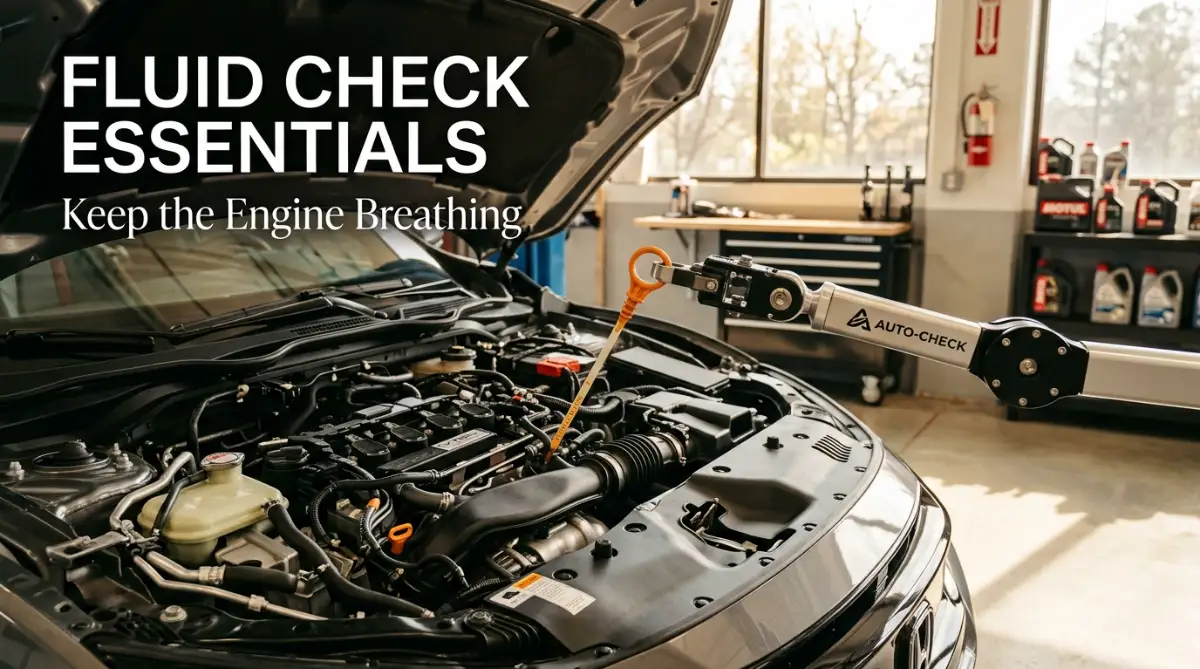
Skipping basic maintenance before you hit the interstate is one of the fastest ways to wreck a travel budget. A $50 synthetic oil change and a $20 fluid top-off may seem small, but they can save you from a $3,500 engine failure in the middle of nowhere.
And if you do break down hundreds of miles from home, you're at the mercy of remote towing fees and whatever the nearest repair shop decides to charge. That's a stressful place to be, and an expensive one.
The good news is that a few simple checks before you leave can make all the difference. Do them now, and your vacation money goes toward making memories, not paying a mechanic's bill.
Quick Summary
Preparing your car for a long journey requires more than just filling up the gas tank. You need to inspect your tires for wear, check all essential fluids, and ensure your brakes are highly responsive. Testing your battery and packing a proper roadside emergency kit will keep you safe. Taking these steps guarantees a smooth, stress-free cross-country adventure.
Key Takeaways
- Always check tire tread depth and adjust air pressure to the manufacturer's recommended levels.
- Inspect and top off all critical fluids, including oil, coolant, and brake fluid.
- Test your car battery voltage and clean any corrosion off the terminals before leaving.
- Do not ignore squeaking brakes or a shaky steering wheel; get them fixed immediately.
- Pack a well-stocked emergency kit with jumper cables, a flashlight, and a first aid bag.
The Rubber Hitting the Road: Tires and Traction
Your tires are the only point of contact between your family and the highway at highway speeds. Think of them like a good pair of hiking boots. You would never climb a rocky mountain wearing worn-out flip-flops.
Similarly, you should never cross state lines on bald or under-inflated tires. Worn tires drastically increase your stopping distance, especially on wet roads. They also heat up much faster on long stretches of hot asphalt, increasing the risk of a dangerous blowout.
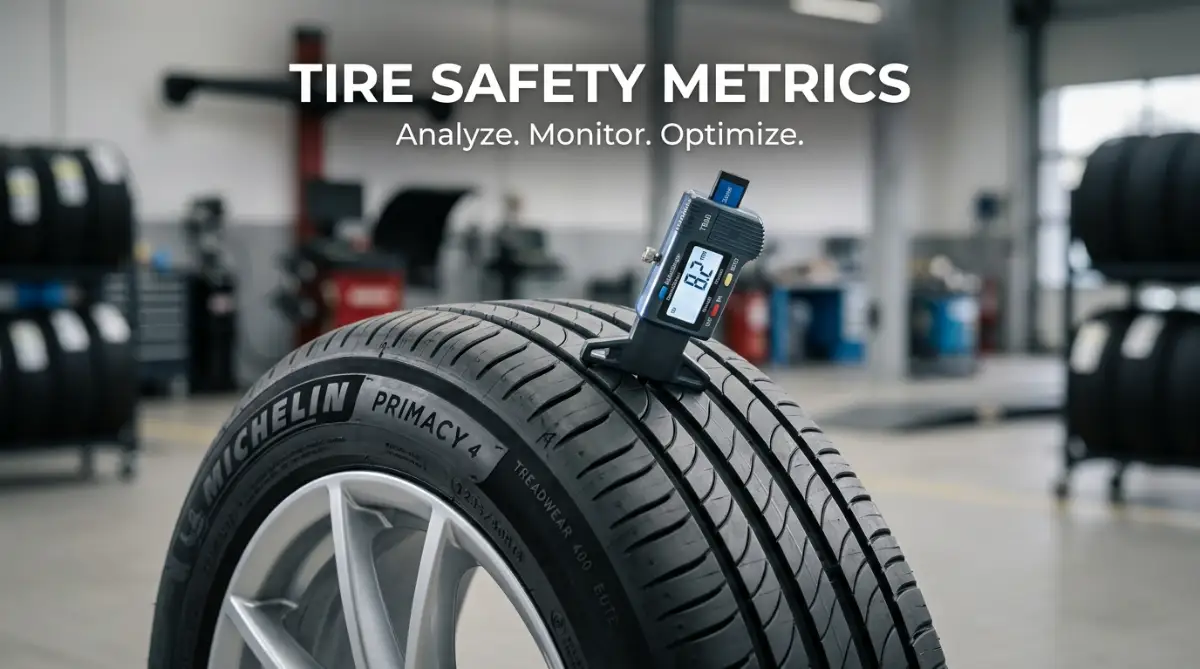
You need to check the tread depth on all four tires. You can easily do this by sticking a small coin upside down into the tire grooves. If you can see the top of the head on the coin, your tread is dangerously low.
Expert Tip: Always check your tire pressure when the tires are completely cold, usually first thing in the morning. Driving even a few miles heats up the air inside, giving you a false, inflated reading on your gauge.
Here is a quick reference guide to understand what your tire tread depth actually means for your safety.
Do not forget to check the condition of your spare tire as well. Finding out your spare is flat while stranded in a heavy rainstorm is a miserable experience. Make sure you have a working jack and a lug wrench securely stored in the trunk.
Fluids & Filters: How a $70 Service Prevents a $3,500 Engine Rebuild
Engine oil and coolant act exactly like blood and sweat for your vehicle. Oil reduces friction between fast-moving metal parts, preventing them from grinding together. Coolant regulates the extreme temperatures, stopping your engine from melting itself from the inside out.
When you drive for twelve hours straight, your engine works incredibly hard. Old, dirty oil cannot protect those internal components effectively under continuous stress. Low coolant levels will inevitably lead to overheating, leaving you stranded on the side of the interstate.
Let’s look at a realistic mathematical example to understand the financial impact of ignoring this step.
David decided to skip a standard $50 oil change and a $20 coolant top-off before his cross-country drive from New York to California. Halfway through Texas, his poorly lubricated engine overheated and suffered severe internal damage. He had to pay a $250 towing fee and $3,500 for a major engine rebuild. By trying to save $70 upfront, David ended up losing $3,750 and ruined his entire vacation.
Check your transmission fluid, power steering fluid, and brake fluid while you are under the hood. Also, make sure your windshield washer fluid reservoir is full. You will definitely need it to clear smashed bugs and road grime off your glass.
Many drivers get confused when choosing the right oil for an extended, demanding road trip. Let's clear up that confusion right now.
Upgrading to full synthetic oil is usually a very smart move before a massive journey. It gives you peace of mind knowing your engine is fully protected during long, hot driving days.
The Spark That Keeps You Moving: Battery Health
A dead battery is one of the most common reasons people call for roadside assistance. Car batteries generally last around three to five years, depending on your local climate. Extreme heat or severe cold can significantly shorten a battery's lifespan.
Before you hit the road, visually inspect your battery terminals. If you see a crusty, white or blue powdery substance, that is corrosion. Corrosion blocks the electrical current and can prevent your car from starting after a quick rest stop.
I learned this the hard way during a winter trip across the mountains. My battery was four years old, and I assumed it was fine because the car started perfectly at home. One cold morning at a remote hotel, the engine simply clicked, refusing to turn over, and I was forced to wait hours for a jumpstart.
You can easily clean battery corrosion yourself using a simple mixture of baking soda and water. Use an old toothbrush to scrub the terminals until they are shiny and clean. After cleaning, take your car to a local auto parts store. Most of them will test your battery voltage and alternator health completely free of charge.
If you are unsure how to properly clean those battery terminals safely, watching a visual demonstration helps immensely.
Here is a brilliant and easy-to-follow guide that shows you the exact steps to clean battery corrosion at home.
Stopping Power and Smooth Rides
Your brakes are arguably the most critical safety feature on your vehicle. Driving across the country often involves navigating steep mountain downhill sections or sudden highway traffic jams. You need absolute confidence that your car will stop exactly when you press that pedal.
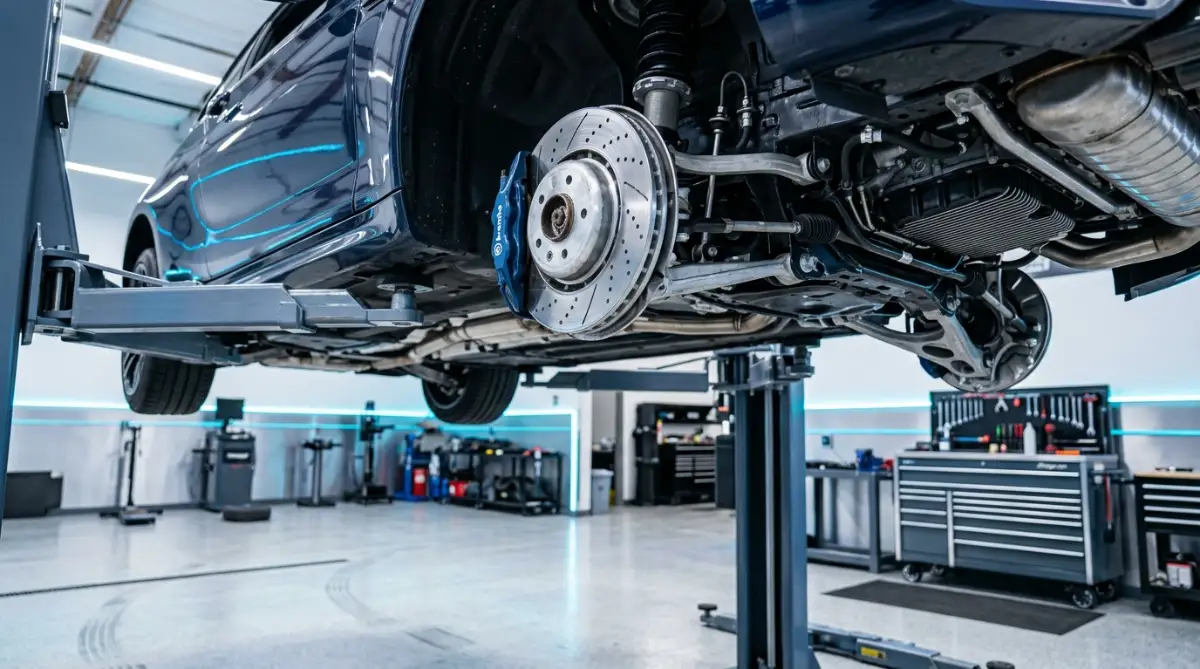
Listen carefully to your car when you drive around your neighborhood. If you hear a high-pitched squealing noise when you brake, your brake pads are worn thin. If you feel a vibration or shaking in the steering wheel when stopping, your brake rotors might be warped.
Having your brakes inspected by a professional mechanic is always a good idea before a major trip. They can tell you exactly how much friction material is left on the pads. They will also inspect your brake lines for any dangerous fluid leaks.
While the mechanic is looking at the brakes, ask them to check your suspension system. Bad shocks or worn-out struts will make a long drive incredibly uncomfortable and bouncy. A healthy suspension keeps your tires firmly planted on the road, giving you much better control in windy conditions.
You should also test all of your exterior lights before driving at night. Have someone stand outside the vehicle while you test the headlights, taillights, brake lights, and turn signals. Driving with a burnt-out taillight is incredibly dangerous and is a very quick way to get pulled over by highway patrol.
Packing Your Lifeline: The Emergency Kit
Even with perfect preparation, unpredictable things can still happen on the road. A rogue nail can puncture your tire, or a sudden rock can crack your windshield. Being prepared for these small emergencies keeps a minor inconvenience from becoming a major disaster.
You need a dedicated roadside emergency kit securely packed in your trunk. Many people debate whether they should buy a pre-packaged kit from a store or build a custom one themselves.
Here is an honest breakdown of the pros and cons of both options to help you decide.
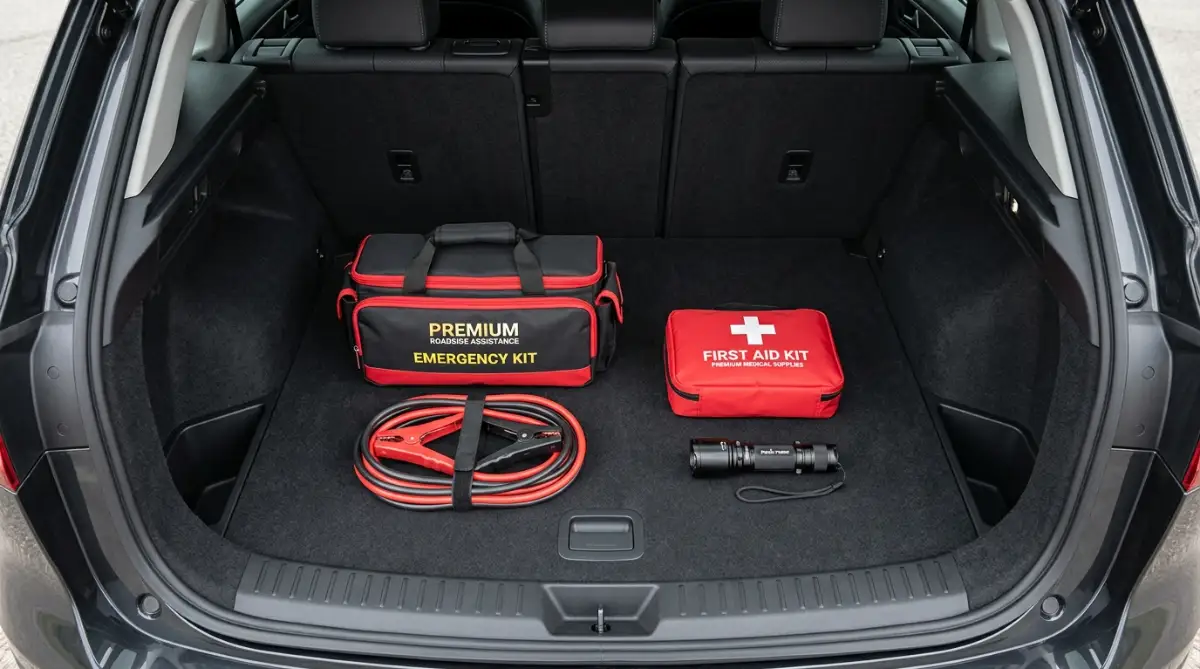
No matter which route you choose, ensure your kit contains a few non-negotiable items. High-quality jumper cables are an absolute must for any trip. You should also pack a heavy-duty flashlight with extra batteries, as phone flashlights are useless if your battery dies.
Include a basic first aid kit with bandages, antiseptic wipes, and any personal medications your family might need. Reflective warning triangles or road flares are highly recommended. They warn other fast-moving drivers that you are stopped on the shoulder, keeping you safe in the dark.
Do not forget to pack basic comfort items for unexpected delays. Throw a couple of warm blankets, a few bottles of drinking water, and some non-perishable snacks into the trunk. If you get stuck in traffic for hours due to a highway closure, you will be incredibly grateful for those supplies.
Taking the time to prepare your car properly shows that you value your safety and your family's comfort. It removes the underlying anxiety that plagues many drivers on long journeys. You can finally relax, play your favorite music, and actually enjoy the beautiful scenery rolling by your window. Safe travels, and enjoy the open road with total confidence.
Pre-Trip Inspections: Small Upfront Checks to Protect Your Travel Budget
While checking your fluids is an excellent start, professional preparation requires looking at the deeper mechanical systems. You need to ensure everything from your drive belts to your cabin air filters is in perfect working condition. A snapped serpentine belt will instantly kill your power steering and alternator, leaving you completely stranded in traffic.
Many drivers simply start their engines and assume everything will be fine on the highway. However, true road veterans know that active monitoring and preventive care prevent the worst disasters. It is much cheaper to fix a small mechanical issue at home than to pay for emergency repairs in an unfamiliar town.
For those looking to manage their overall travel budgets wisely, visiting FinanceInfoIn can offer excellent strategies for planning a financially stress-free trip. Knowing exactly what to inspect before leaving the driveway is the ultimate secret to a smooth vacation.
The Exact Step-by-Step Execution Guide: Getting a Pre-Trip Diagnostic
Step 1: Book a Professional Multi-Point Inspection
Call a highly rated, certified local mechanic about two weeks before your departure date. Ask them specifically for a "multi-point road trip inspection" rather than a basic oil change. This gives them enough time to order and install any specific replacement parts your vehicle might need.
Step 2: Request a Battery and Alternator Load Test
Do not just guess the health of your electrical system based on how the car starts today. Ask the technician to perform a computerized load test on both your battery and the alternator. This specific test accurately measures if your charging system can handle running the air conditioning, radio, and headlights simultaneously for twelve hours straight.
Step 3: Ask to Inspect the Drive Belts and Hoses
Ask your mechanic to physically squeeze the radiator hoses and check the rubber for soft spots or cracks. They must also look at your serpentine belt with a flashlight to spot any dangerous fraying. Replacing a twenty-dollar rubber hose right now prevents a blown engine block later.
Required Document & Preparation Checklist
- Valid driver's license and up-to-date vehicle registration papers.
- A physical copy of your auto insurance policy with emergency contact numbers.
- Your physical roadside assistance card or membership details.
- A fully printed paper map of your route in case your phone loses cellular service.
- Spare physical keys kept by a different person riding in the car.
If you happen to be driving an electric car instead of a traditional gas vehicle, your preparation looks quite different. You will definitely want to read our detailed guide on how to maximize your electric vehicle range on long road trips before leaving. Also, if your journey takes you through snowy mountains, understanding how to safely charge your electric car in freezing temperatures is an absolute necessity.
The Hidden Highway Traps Many Drivers Ignore
Even smart drivers make critical mistakes when rushing to leave the house for a long vacation. One of the most dangerous errors is completely overloading the vehicle with heavy luggage and gear. This extra weight pushes down hard on the rear suspension, dramatically changing how the car handles around tight corners.
According to safety experts at the National Highway Traffic Safety Administration (NHTSA), overloading your vehicle is a leading cause of dangerous tire blowouts on the highway. The excess weight causes your tires to flatten slightly, creating massive friction and heat buildup against the pavement. When you combine an overloaded trunk with hot summer roads, the internal tire pressure can rise to explosive levels.
Common Mistakes Drivers Make Before a Long Journey
- Burying the Emergency Kit: Packing the roadside kit underneath heavy suitcases in the deep trunk. If a tire blows on a busy highway, you will have to unload all your bags onto the dangerous shoulder just to reach the jack.
- Ignoring a Shaky Steering Wheel: Believing that a slight vibration at highway speeds is perfectly normal. This usually means your wheels are out of alignment, which will rapidly destroy your tire tread in just a few hundred miles.
- Forgetting Inside Visibility: Washing the outside of the car but completely ignoring the inside of the windshield. The thin layer of hazy dashboard off-gassing creates a blinding, dangerous glare when driving directly into the setting sun.
The Great Auto Maintenance Myth vs. Reality
Pro Tip: Always pack a small roll of heavy-duty duct tape and a few plastic zip ties in your glove box. If a piece of plastic underbody trim comes loose and starts scraping the highway, these simple items can temporarily secure it until you reach a proper repair shop.
Planning to stay at a roadside Airbnb that features an electric charging port? Make sure you know exactly how to set up your electric vehicle home charger safely using their available outlets. Additionally, if you notice public charging stations taking much longer than expected on your route, understanding why EV charging can sometimes be slow will save you hours of unnecessary frustration.
Daily Road Trip Maintenance Routine
Quick Action Checklist for the Morning of Your Trip
- Verify your emergency kit and jumper cables are the very last things packed, making them easily accessible.
- Test your left and right turn signals, reverse lights, and brake lights before leaving the driveway.
- Set your GPS destination and pre-download offline route maps on your phone just in case you lose service.
- Double-check that your physical wallet, driver's license, and cash are actually in your pocket, not left on the kitchen counter.
Ready to Hit the Open Road With Total Confidence
You now have all the practical knowledge needed to turn a highly stressful drive into an incredibly amazing adventure. By taking these smart preventive steps, you actively protect your passengers and shield your wallet from unexpected roadside disasters. The absolute peace of mind you get from driving a fully prepared, deeply inspected vehicle is truly priceless.
I remember how extremely nervous I used to get before driving my family across the harsh desert routes. Now, armed with my customized emergency kit and perfectly inflated tires, I actually look forward to enjoying every single mile. Which beautiful national park or distant city are you planning to drive to first? Let me know in the comments below!
Smart Questions Every Driver Asks Before a Big Trip
1. How long before my trip should I get my car serviced?
You should take your vehicle to a certified mechanic at least one to two weeks before your actual departure date. This smart timeline gives the shop plenty of time to order and replace any unexpected worn parts. It also allows you to test drive the car locally to ensure the repairs were done correctly.
2. Is it entirely safe to drive 500 miles in one single day?
Driving 500 miles in a day is generally safe if you take frequent breaks and share the driving responsibilities. However, driver fatigue is a massive hazard that silently creeps up on you. You should plan to stop for at least fifteen minutes every two to three hours to stretch and rest your eyes.
3. Do I really need to carry an emergency roadside kit?
Yes, having a dedicated emergency kit is an absolute necessity, not just a suggestion. Even perfectly maintained new vehicles can hit a sharp nail or suffer a sudden electrical glitch. A proper kit with jumper cables and warning flares can literally save your life on a dark, busy shoulder.
4. What is the best highway speed for maximum fuel efficiency?
For most modern vehicles, optimal fuel efficiency peaks around 55 to 65 miles per hour. Driving at 80 miles per hour drastically increases aerodynamic drag, forcing your engine to burn significantly more fuel. Slowing down just a little bit will save you a surprising amount of money at the gas pump over a long trip.
5. How often should I stop to let my car engine rest?
Modern liquid-cooled engines do not actually need to stop and rest like older classic cars did. As long as your temperature gauge reads normal and you have sufficient coolant, the engine can safely run all day. You are stopping to rest your own brain and body, not the vehicle's mechanical systems.
6. Can I safely drive across the country with a cracked windshield?
Driving with a cracked windshield is highly risky and often illegal depending on the state laws you cross into. Highway vibrations and extreme temperature changes can cause a tiny chip to instantly spread across the entire glass. Getting it fully replaced before your trip guarantees you have an unobstructed view of the road ahead.
7. Should I bother washing my car before a long road trip?
Washing your car before leaving is surprisingly helpful for safety reasons. A perfectly clean exterior makes it much easier to spot a new fluid leak or a loose trim piece during your daily walk-around. Plus, applying a fresh coat of wax makes it incredibly easy to wash off stubborn highway bugs later.
8. How do I easily know if my serpentine belt is failing?
The most obvious warning sign of a bad serpentine belt is a loud, high-pitched squealing sound when you start the engine. You can also open the hood and visually look for small cracks or missing chunks of rubber on the ribbed side of the belt. If you see any severe wear, get it replaced immediately before it completely snaps.
9. Does heavily overpacking my car affect my braking ability?
Yes, adding several hundred pounds of luggage and passengers forces your brakes to work significantly harder. The extra momentum greatly increases the distance your car needs to come to a complete stop safely. You must leave a much larger following distance between your car and the vehicle ahead of you.
10. What should I immediately do if my engine overheats on the highway?
Safely pull over to the shoulder right away and turn off the engine to prevent total catastrophic failure. Never attempt to open the hot radiator cap, as pressurized boiling coolant can spray out and cause severe burns. Call for professional roadside assistance and wait safely inside the vehicle.
Trusted Road Trip Safety & Highway Travel Resources
To research federal highway safety guidelines, vehicle recall notices, and summer travel protocols, explore these authoritative resources:
-
National Highway Traffic Safety Administration (NHTSA) – Summer Road Trip Safety: (Official federal government checklist for pre-trip tire pressure, fluid checks, and vehicle safety recalls)
-
American Automobile Association (AAA) – Road Trip Planning & Vehicle Maintenance: (Nationally recognized breakdown data, emergency roadside assistance statistics, and travel preparation guides)