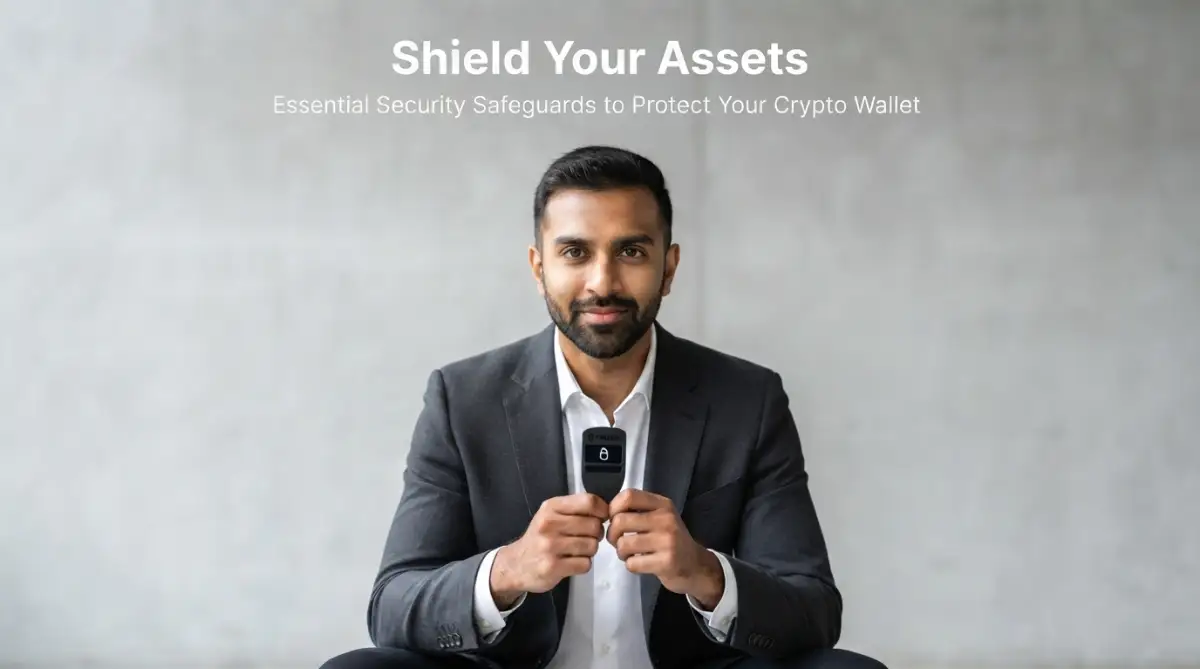
The Cold Truth About Automated Smart Contracts
I still remember the cold sweat I felt when I lost my first fifty dollars to an unverified smart contract. I trusted the project blindly because of social media hype, without checking a single security report myself. That painful mistake taught me that in this digital space, we must always check the lock on the door before we walk inside.
Imagine waking up early in the morning and opening your digital wallet, only to find it completely empty. You did not share your passwords with anyone, and your physical phone is safe in your hand.
Yet, your hard-earned savings are gone forever because of a tiny mistake in an automated system you trusted. This painful scenario happens to many new investors who place their money into digital platforms without checking how they work.
It feels deeply unfair and leaves people feeling completely helpless. Many well-meaning beginners fall into these digital traps every single day.
- Too much online hype: Popular social media profiles talk about quick financial wins without explaining how the actual technology works.
- Hard technical terms: Most online guides use complicated computer programming terms that are very difficult for a normal person to understand.
- No simple checklists: There are very few basic, step-by-step checklists to help everyday people protect their funds.
- Fast decisions: The fear of missing out on quick gains drives many people to click approve without reading the fine print.
This constant worry can easily ruin your mental peace. It can make you feel like the entire online investment system is set up to steal your savings.
- High daily stress: You might find yourself checking your phone every few minutes just to make sure your funds are still safe.
- Loss of general trust: You begin to doubt every new digital tool, even the ones that are actually built to be secure.
- Hard self-doubt: You start to question your own financial choices and feel too embarrassed to talk about your losses with your family.
- Fear of moving forward: You sincerely want to build your wealth, but you feel too scared to take another step in the digital space.
To make sense of this, let us compare a smart contract to a physical vending machine. You put your dollar bill in, and the machine is programmed to drop a cold drink automatically.
But what if the machine has a hidden design flaw that allows a stranger to shake it and take all the cash inside? In the online space, these design flaws are called code bugs or smart contract exploits.
If we do not know how to inspect the machine before using it, we are simply taking a big risk with our money.
They call these automated agreements "smart" contracts, but I once saw a project lock up millions of dollars forever because a developer made a simple spelling mistake in the code. It turns out that a smart contract is only as smart as the human programmer who wrote it, and humans make mistakes every single day. This is why we must always look at the security reviews instead of just trusting the name.
This guide is built to help you look at these automated tools with a clear mind and safe habits.
Your Guide to Smart Contract Safety
You do not need to be a computer scientist to protect your hard-earned funds. By following a few practical and logical steps, you can easily spot the major warning signs.
We have put together a straightforward path to help you check these automated agreements before you send any money. Let us look at the practical steps you can start using today.
Step 1: Look for Professional Code Reviews
A professional code review is very similar to a house inspection. Before you buy a new house, you hire an expert to check the roof, the foundation, and the electrical wires.
In the digital world, trustworthy project teams hire external security companies to review their digital contracts. These security experts search for bugs, logic errors, and security holes in the system code.
Always look for a public link to a security review on the project's official home page. If a project does not have a professional review, it is highly risky to put your money there.
How to Check if a Security Review is Real
A genuine review is usually a public document hosted on a known security website or a public code library. It is written by an independent security company rather than the team that created the project.
The report should list all the security issues the experts found and show if the developers fixed them. You want to make sure that all major and medium risks have been marked as resolved.
Trusted Names in the Security Space
Look for security companies that have a good reputation in the digital assets community. Firms like CertiK, OpenZeppelin, and ConsenSys Diligence are common examples.
If the security report is from a name you have never heard of, spend a few minutes searching for them online first. A stamp of approval from a recognized security firm makes a big difference.
Watch Out for Old Reviews
Sometimes, developers change their code after they receive their official security review. This means the review is for an old version, and the new version might contain new bugs.
Always compare the date of the security report with the launch date of the platform. Make sure the review covers the exact contract address you are planning to use.
Step 2: Check Who Holds the Master Keys
In a safe digital network, no single individual should have absolute control over your deposited funds. However, many projects use special "admin keys" that give the creators unlimited power.
These keys can allow developers to change the rules of the system at any moment. In the worst cases, a developer can use these keys to lock up your money or take it away.
Understanding who holds these master keys is a key part of keeping your assets secure.
The Risk of Single Control
If only one person holds the admin key, the entire project is highly centralized and vulnerable. If that person gets hacked, the attacker gains control of all the deposited funds.
Also, the owner could simply decide to take the money and close down the project. This common trick is often called a rug pull.
Look for Multi-Signature Security
A much safer setup uses a multi-signature system, which is often shortened to "multisig." This system requires multiple trusted keyholders to approve any major change to the digital contract.
For example, a change might require three out of five keyholders to sign off before it can happen. This makes it much harder for a single dishonest person to steal the funds.
The Importance of Time Delays
A time delay, often called a timelock, is a digital rule that pauses any major change for a set period, like 48 hours. This delay gives investors an early warning before any system update becomes active.
If you see an update that looks unsafe, you have plenty of time to withdraw your money safely. Always check the project documentation to see if they use a working timelock.
First, the developer proposes a change. Second, the timelock delays the change for 48 hours while users review it. Third, users can choose to withdraw their funds safely before the change becomes active.
Step 3: Run a Very Small Test Transaction
Never put all your money into a new system at once, no matter how safe it appears. The smartest way to test any automated contract is to do a small test run.
Treat it like dipping your foot in a pool to check the water temperature before diving in. You only risk a small pocket of money to see if the system works correctly.
Start with a Small Amount
Use a very small amount of money that you can easily afford to lose, like five or ten dollars. Use this tiny amount to deposit, interact with the system, and see how it responds.
This test run will show you the exact steps required to use the platform. It also helps you spot any hidden rules or high transaction costs.
Test the Exit Door
The most important part of your test run is making sure you can get your money back. Some bad digital contracts allow you to deposit money easily but block you from withdrawing it.
In my early days, I once deposited funds into a pool and realized too late that the withdrawal function was permanently locked. Now, I always test the exit process immediately with a tiny five-dollar transaction before risking a single cent more. This simple rule has saved my personal savings multiple times from dishonest platforms.
Once your test deposit goes through, try to withdraw it back to your personal wallet immediately. If the withdrawal process works smoothly, you can feel much more comfortable with the system.
Keep an Eye on Network Fees
Every time you interact with a smart contract, you have to pay a network fee. Sometimes, these network fees can be surprisingly high, especially when the network is busy.
During your test run, look closely at how much you paid in fees for both depositing and withdrawing. If the fees are too high for your budget, it might not make sense to put more money in.
Step 4: Use Free Public Scanning Tools
You do not have to read complicated computer code to spot safety issues. There are several free online tools that can scan a smart contract for you in just a few seconds.
These tools act like an automated security guard for your digital assets. They give you a quick safety score based on common risk factors.
How to Use a Contract Scanner
To use these tools, you simply copy the digital address of the contract and paste it into the scanner search bar. Websites like De.Fi, Token Sniffer, or Goplus Labs offer these free scanning services.
The scanner will quickly check the code for common tricks, high fees, or hidden admin powers. It will then show you a simple report with clear warning signs.
Want to see exactly how these free contract scanning tools work in real-time? Watch this quick visual guide to see how easily you can scan any platform address and spot hidden risks before sending your funds.
Common Red Flags in Scanner Reports
Look closely at the safety score and any warning flags highlighted in red. A common red flag is a contract that can be paused at any time by the creator.
Another major warning is a contract that allows the creator to mint unlimited new tokens, which destroys the value of your assets. If the scanner shows multiple warning flags, it is best to avoid the platform.
Rely on Multiple Sources
Do not rely on just one scanning tool for your research. Sometimes, one scanner might miss a hidden trick that another scanner easily detects.
Checking the contract address on two or three different scanning websites gives you a much clearer picture of security. It takes only a few minutes but provides excellent peace of mind.
Step 5: Ask Simple Questions to the Project Community
Before you allocate any funds, join the project's official communication channels, such as their online chat groups. Pay close attention to how the project team and the community interact with each other.
A healthy project will welcome your questions and provide clear, honest answers. If the team gets angry or avoids your questions, this is a major warning sign.
Questions to Ask the Team
You can ask simple questions like: "Is the smart contract code audited, and where can I read the report?" You can also ask: "What safety measures are in place to prevent admin key attacks?"
A professional team will gladly point you to their official documentation and security files. They will not pressure you to invest quickly or tell you to ignore your worries.
Watch Out for Fake Help
Be very careful when asking questions in public chat groups. Scammers often pretend to be official support staff and send you private messages offering help.
They may send you links to fake websites that ask for your private recovery keys. Remember that real project team members will never ask for your private passwords or keys.
Look for Active and Real Users
Check if the people in the community are discussing the actual technology and safety of the project. If the chat is filled with people only talking about prices and quick profits, be careful.
A project that focuses solely on price hype often lacks real security and long-term planning. You want to put your money into platforms that value safety and community trust.
Advanced Strategies for Safe Blockchain Investments
To protect your money in the digital space, you need to understand how smart contract operations actually work over time. Many people stop at the basic steps, but smart investors look deeper into the system rules.
We can learn a lot by looking at how projects manage their long-term security plans. By learning these advanced habits, you can protect your wallet from complex code tricks.
First, let us explore the idea of tracking token distribution and locked funds. When a new project starts, the creators should not hold the majority of the tokens.
If they do, they can sell them all at once and crash the market price. You can use free tracking tools to see who owns the largest share of the project.
Step 4: Track Token Ownership and Liquidity Locks
A healthy project has its tokens spread out among many different and independent holders. If you notice that one or two wallets own most of the supply, you should proceed with caution.
These big holders can easily manipulate the market whenever they want. To prevent this, honest teams lock away a large portion of their tokens in a secure vault.
This practice is often called locking liquidity, and it is a great indicator of a team's long-term plan. A locked vault ensures that the creators cannot withdraw the core funds suddenly.
Before you put your cash into any contract, look for a public lock certificate. This simple check will help you separate genuine projects from temporary setups.
We must also look at how much time is left on these liquidity locks. A lock that lasts only a few weeks is not very helpful for a long-term investor.
Look for locks that are set for several months or even several years. This shows that the team is dedicated to building their platform over time.
Step 5: Master the Use of Free Block Explorers
A block explorer is like a public record book for every transaction on a blockchain. You do not need to be an expert to find important clues inside this open ledger.
By pasting a project address into a block explorer, you can see every single transfer of funds. This transparency makes it much easier to verify if the team is telling the truth about their progress.
For instance, you can use these explorers to check the blockchain contract security features of any project. Look at the transactions tab to see if real people are using the system daily.
If you see only a few transactions from the same three wallets, the activity might be fake. Real, healthy contracts have a steady stream of unique wallets interacting with them.
You can also check the contract tab on the explorer to see if the code has a green checkmark next to it. This green checkmark means the code is verified and public for anyone to read.
Never interact with a contract if its code is kept hidden from the public eye. Transparency is the first line of defense in the digital asset space.
To run a basic check, start by pasting the contract address into the search bar. Next, look at the transaction history to confirm consistent activity. Finally, verify that the green checkmark is present on the contract code tab.
Developing a Long-Term Safety Routine
Maintaining good financial results in the digital asset space is not a one-time task. It requires you to build a structured set of daily habits to keep your funds safe.
Just like you would perform major warning signs to spot in a home inspection before buying a house, you need to inspect your digital tools regularly. This routine will protect you from unexpected updates or system changes.
First, always keep your main savings completely separate from your active trading wallets. You can use a secure offline wallet to store your long-term funds safely.
Only send a small amount of money to your online wallet when you want to interact with a contract. This simple separation keeps the bulk of your savings safe from web-based threats.
Second, make it a habit to clean up your digital connections on a regular basis. When you use a smart contract, your wallet gives that contract permission to access your funds.
If you do not revoke these permissions, a hacked contract can still access your money years later. Use free online tools to revoke old contract permissions at the end of every week.

Five Common Pitfalls to Avoid at All Costs
Even smart investors can make simple mistakes when they get excited about a new opportunity. Understanding these common traps will help you keep your digital assets safe from harm.
Here are the five most frequent mistakes people make and how you can avoid them starting today.
1. Relying Entirely on Hype and Social Media
The biggest mistake is trusting the advice of popular online personalities without doing your own research. Many of these influencers are paid to talk about specific projects.
They may not understand the underlying technology themselves, or they might not care about the risks. Always verify the project details independently before you make any decisions.
If you jump into an investment just because it is trending, you are taking a major gamble. True safety comes from studying the security reviews and contract rules yourself.
Take your time to read the documentation instead of rushing to buy because of hype.
2. Forgetting to Verify the Actual Contract Address
Scammers often create fake websites that look exactly like popular digital platforms. If you connect your wallet to one of these fake sites, they can drain your funds in seconds.
Always double-check the contract address on an independent tracking website before you click approve. This simple habit is one of the most effective easy security steps to secure your crypto wallet from modern web thieves.
You can bookmark the official websites of the platforms you use most frequently. Never click on search engine ads or random social media links to access your financial tools.
Taking an extra ten seconds to confirm the address can save you from a complete loss of savings.
3. Ignoring the Track Record of the Developers
Many projects are launched by anonymous developers who do not share their real names. While some anonymous teams are honest, it is much harder to hold them accountable if things go wrong.
When a project has no public face, the risk of a sudden exit scam is much higher. Look for teams that have a clean history of building successful and safe digital systems.
If the developers have abandoned projects in the past, they are likely to do it again. Researching the team's history can tell you a lot about their actual intentions.
Stick to teams that value their reputation and communicate openly with their users.
4. Putting in More Money Than You Can Safely Lose
Many beginners get excited by early success and decide to invest their entire savings. This is a highly dangerous practice because even audited systems can have unexpected bugs.
If the system collapses, you could lose everything in a matter of seconds. This is often why bootstrapped startups collapse early and cash flow fixes are so hard to manage when basic funding rules are ignored.
Keep your digital asset investments to a small, reasonable percentage of your total savings. This way, if a contract fails, your daily life and family security will not be affected.
Diversification and caution are the absolute keys to surviving in the digital asset market.
5. Overlooking High Hidden Transaction Fees
Many platforms do not show the full cost of using their smart contracts until you are ready to sign. Some complex contracts require multiple transactions to complete a single action.
These fees can quickly add up and eat away all of your potential returns. Always calculate the total cost of entry and exit before you commit your funds.
If the network fees are too high, it is often better to wait for a quiet time of day when the network is less busy. Alternatively, you can search for alternative platforms that offer lower operating costs.
Always plan your financial moves with the total fee structure in mind.
To evaluate potential costs, you can also look at how your income matches your expenses. This is similar to how you analyze your finances how to lower your debt to income ratio before a mortgage application to avoid stressful situations.
Building Your Safe Path to Financial Growth
Investing in automated digital agreements does not have to be a stressful experience. When you approach the market with a calm mind and a clear checklist, you can easily avoid the most common traps.
By applying these simple safety steps, you take full control of your digital financial journey.
Think of your security checklist as a personal shield that keeps your savings safe from unexpected code bugs. Every time you check an audit report or run a small test transaction, you strengthen that shield.
You do not need to hurry or compete with anyone else in this space. Taking slow, calculated steps is the most reliable way to build your wealth over the long run.
Now is the perfect time to turn this new knowledge into daily action. Start by checking the security of your own active wallets and revoking any old contract permissions you no longer need.
By practicing these safe habits today, you build a solid foundation for your future digital investments.
Remember, taking proper care of your hard-earned money is a practical skill that you can easily master over time. Do not let fear keep you from exploring new options; instead, let safe habits guide every decision you make. Start by running your very first tiny test transaction today and watch your confidence grow.
Five short Norts:
01. Learn How Smart Contracts Work Before Investing – Understanding how smart contracts execute blockchain transactions can help you make safer crypto decisions and avoid costly mistakes.
02. Check Smart Contract Security Before Approving – Review audits, developer reputation, and contract permissions before connecting your wallet or signing any transaction.
03. Avoid Risky Token Approvals and Fake dApps – Never approve unlimited spending or interact with unknown decentralized apps without verifying their authenticity.
04. Protect Your Crypto Wallet with Safe Practices – Use trusted wallets, enable two-factor authentication where available, and regularly revoke unused smart contract permissions.
05. Research Every DeFi Project Carefully – Compare project documentation, community feedback, and security history before investing your crypto in any smart contract platform.
Disclaimer
The information provided in this article is for educational and informational purposes only. Digital asset investments carry a high level of risk, and you should never allocate funds that you cannot afford to lose. This content does not constitute financial, investment, or legal advice. Always perform your own research and consult with a licensed professional before making any financial decisions.