Reading Time: 15 Minutes
Difficulty Level: Beginner to Intermediate
Reviewed By: FinanceInfoIn Editorial Team
Staring at a completely frozen computer screen at 2 AM is a feeling I would not wish on my worst enemy. My eyes were burning, my coffee was cold, and I was just one single click away from saving a massive design project. Instead of a confirmation message, a small, terrifying gray box popped up with a cryptic string of numbers.
The software closed itself instantly. Hours of hard work vanished into thin air. I sat there in complete silence, listening to the loud humming of my computer fan, feeling a heavy knot of frustration in my stomach.
I did not know what a runtime glitch was back then. I just knew that my machine had betrayed me at the worst possible moment. If you have ever felt that sudden panic when your most important application randomly shuts down, you are definitely not alone.
Quick Summary
Runtime errors happen when a software program fails while it is actively running, causing sudden crashes or freezing. These annoying issues are usually caused by memory leaks, conflicting background applications, or corrupted system files. You can easily fix most of these problems by managing your active processes, updating software components, and running basic built-in system checks. You do not need to be a tech wizard to make your computer run smoothly again.
Table of Contents
- The Hidden Cost of Unexpected Software Crashes
- The Real Difference Between Major System Failures
- Why Does Your Screen Suddenly Freeze?
- Quick Fix 1: The Magic of Background Process Management
- Quick Fix 2: Repairing Corrupted Software Frameworks
- Handling Faulty Installations Like a Pro
- Myth vs Reality: Do You Really Need Paid Cleaners?
- Building a Crash-Free Digital Workspace
The Hidden Cost of Unexpected Software Crashes
Most people think of computer errors as just a minor annoyance. You click a button, the app closes, you sigh, and you open it again. But the reality is far more exhausting.
These sudden interruptions break your focus entirely. When you are deeply involved in a creative task or crunching important numbers, a sudden application crash feels like a bucket of cold water thrown over your head. Getting back into that same productive mindset takes real effort.
Your mental peace takes a massive hit. You start developing this weird anxiety every time you use your computer. You find yourself obsessively pressing the save shortcut every five seconds because you no longer trust your machine.
This lack of trust turns a pleasant work session into a stressful tightrope walk. Let us look at how this actually affects a normal working person in a very real way.
The Financial Impact of a Glitchy System
Imagine a freelance video editor named Sarah. She charges her clients $60 per hour for her work. Lately, her editing software has been throwing runtime errors and crashing at least twice a day.
Each time it happens, she loses about 15 minutes of unsaved work. She also spends another 15 minutes restarting the computer, reopening the project, and trying to remember exactly where she left off. That is 30 minutes wasted per crash.
At two crashes a day, Sarah is losing a full hour of productive work time. That equals $60 lost every single day. If she works 20 days a month, these "minor" software glitches are silently stealing $1,200 directly from her income. This is not just a tech problem anymore; it is a serious financial leak.
Sometimes, people confuse these application-level errors with total system meltdowns. It is incredibly important to know exactly what kind of enemy you are fighting.
I used to panic and think my whole hard drive was dead every time an app crashed. The truth is, application-level glitches are usually just bad communication between the software and your computer memory.
Once I realized my hardware was perfectly fine, my anxiety dropped completely. I stopped looking for expensive repair shops and started looking at my own system settings.

Why Does Your Screen Suddenly Freeze?
To fix this annoying problem, we first need to understand why it actually happens. Think of your computer's memory (RAM) like a physical office desk.
When you open a program, you are taking a file folder and placing it on the desk so you can work on it. A runtime issue happens when the program asks for a specific file, but that file is missing, corrupted, or blocked by another folder. The application gets confused, panics, and simply quits.
One of the biggest culprits is called a memory leak. This happens when a badly coded program keeps asking for more desk space but never gives any space back. Eventually, your desk is completely full, and the whole system freezes up.
Honest Pros & Cons: Updating System Frameworks
The Pros:
- Instantly fixes missing file errors for most modern games and heavy software.
- Completely free and provided directly by the official operating system developer.
- Blocks future compatibility issues before they even happen.
The Cons:
- Requires downloading multiple different versions for older software.
- Takes up a small amount of space on your primary hard drive.
- You must restart your computer multiple times during the process.
Quick Fix 1: The Magic of Background Process Management
The easiest way to stop software from crashing is to clear off your virtual desk. Most of us have dozens of tiny applications running silently in the background.
They launch automatically when you turn on the computer. Chat apps, game launchers, printer monitors, and weather widgets all fight for attention. This creates a massive traffic jam inside your computer memory.
Expert Tip: I always thought having extra browser tabs open in the background was harmless. Then I realized my web browser was secretly eating up 60% of my computer memory while minimized! Now, I make it a strict habit to completely close anything I am not actively looking at. The difference in speed is honestly mind-blowing.
You need to become the traffic cop for your computer. Open your built-in task management tool by pressing the main shortcut keys on your keyboard. Look carefully at the list of active applications.
If you see something using a huge chunk of memory that you do not need right now, gently close it down. This simple habit prevents two heavy programs from fighting over the same system resources.
Quick Fix 2: Repairing Corrupted Software Frameworks
Sometimes, the files that tell your applications how to run get slightly damaged. This happens naturally over time, especially during sudden power outages or incomplete updates.
Your operating system actually has a brilliant, hidden doctor built right into it. You do not need to buy expensive software to fix this. You just need to ask the system to check its own health.

The power of built-in diagnostics is heavily underrated. You can easily open your system command window with administrative rights and type a simple check command.
The tool will scan every single important file on your system. If it finds a broken piece of code, it replaces it with a fresh, healthy copy directly from a hidden backup folder.
Watch This Quick Troubleshooting Strategy!
Seeing is believing, especially when it comes to navigating system menus. This amazing video walks you through the exact clicks and visual steps to safely clean up your background apps and run diagnostic scans without making any mistakes.
Many people are terrified of typing anything into a black system box. I felt the exact same way. It looks like something from a hacker movie.
But these built-in tools are incredibly safe. They are specifically designed to protect your computer, not harm it. Running a basic system scan once a month is like taking your car in for a regular oil change.
Handling Faulty Installations Like a Pro
Another huge reason for sudden crashes is a bad installation. Imagine buying a beautiful bookshelf, but missing two screws during the assembly.
It might stand up for a while, but the moment you put heavy books on it, it collapses. Software works the exact same way. If your internet connection dropped for even a second while downloading an app, a tiny piece of data might be missing.
If a specific program is giving you a headache constantly, do not try to patch it up with random internet fixes. The cleanest solution is almost always a fresh start.
You should completely uninstall the angry application. Restart your computer to clear the memory fully. Then, download a fresh installer directly from the official website.
Myth vs Reality: Do You Really Need Paid Cleaners?
When you search for ways to fix computer crashes, you will see hundreds of ads for "PC Cleaning" software. They promise to magically speed up your computer and fix all errors with one click.
They use scary red graphics to tell you that your system is in critical danger. This is mostly marketing noise designed to make you panic and spend money.
The truth is, modern operating systems are incredibly smart. They already know how to clean up their own digital trash. Installing a third-party cleaner often causes more problems because it aggressively deletes files that your system actually needs.
I once bought a heavily advertised registry cleaner hoping it would fix my video game crashes. Not only did it fail to fix the game, but it also somehow broke my audio drivers. I had to spend an entire Sunday fixing the mess it created. Always stick to the tools your operating system provides for free.
Building a Crash-Free Digital Workspace
Getting a smooth, error-free computer is not about knowing complex programming. It is about developing a few simple, healthy digital habits.
Treat your computer the way you treat your physical workspace. Do not leave thirty heavy applications open when you walk away for lunch. Give your machine a proper restart every few days instead of just putting it to sleep for weeks on end.
Keep your main operating system updated. I know those update notifications are annoying when you are busy. But those updates usually contain the exact fixes for the weird glitches you have been experiencing.
Whenever an application asks you to report an error after a crash, just click send. Those tiny reports help developers find the hidden bugs and patch them for everyone else.
You have total control over your digital environment. By managing your background apps, running simple diagnostic scans, and avoiding unnecessary third-party junk, you can enjoy a incredibly stable machine. You will finally be able to click that save button with total confidence.
Next-Level Strategies for Permanent System Stability
You have already learned how to manage your background applications and run basic health checks. Now it is time to look at some advanced methods that actual tech support professionals use. Do not worry, you do not need an engineering degree to understand these steps.
One of the best-kept secrets in the computer world is adjusting your virtual memory. Think of virtual memory as a backup storage unit for your physical RAM. When your main working desk gets completely full, the operating system tries to push some documents into a filing cabinet on your hard drive.
If this virtual filing cabinet is set too small, heavy applications will panic and crash instantly. By slightly increasing this hidden allowance, you give your heavy software enough breathing room to process big tasks smoothly.
Pro Tip: Never use the standard "Shut Down" button if you want a completely fresh system start. Modern Windows versions use a feature called Fast Startup, which basically puts the core system to sleep instead of turning it off. Always click "Restart" when you are trying to clear out a stubborn software glitch, as this actually forces a completely clean memory wipe.
Another amazing trick is using the built-in Event Viewer. Most people never look at this hidden tool. It is basically a highly detailed diary that your computer writes in every single second.
When a program crashes, the Event Viewer records exactly why it happened. You just filter the diary for "Error" messages, and it will point you directly to the specific file causing the headache. This saves you hours of blind guessing.
Quick Action Checklist:
- Restart your machine instead of just shutting it down.
- Look closely at your Event Viewer logs right after a crash.
- Increase your virtual memory allocation by following official Windows guidelines.
- Check your main graphics card software for pending driver updates.
- Verify your main hard drive has at least 15% completely free space.
If you work with heavy software, like generating graphics, these memory limits matter a lot. For example, if you are reading about how to write effective prompts for flawless ai images every time, those high-resolution image rendering tools require massive amounts of temporary memory. A well-adjusted system handles these creative demands without suddenly freezing halfway through the job.
Dangerous Troubleshooting Traps You Must Escape
Trying to fix a broken system can sometimes make things much worse if you follow the wrong advice. When people panic over a sudden application failure, they tend to make rushed decisions.
I have seen countless users totally destroy their operating system by downloading random "fix-it" scripts from unverified internet forums. You should never modify your core system registry unless you know exactly what that specific key does.
Another massive error is running three different heavy antivirus programs at the exact same time. People think extra security means extra safety. In reality, these programs fight each other for control over your files, causing massive system slowdowns and constant software crashes.
Common Mistakes to Avoid:
- Blindly deleting system files just because a random blog post told you they were unnecessary.
- Ignoring official operating system updates for months because they feel annoying.
- Keeping external hard drives or old USB devices constantly plugged in, causing boot delays.
- Installing unverified driver updater software that downloads the wrong hardware codes.
- Skipping the backup phase before trying a major software repair.
You really need to approach system repairs with a calm and logical mindset. If you are learning how machine learning works step-by-step, you know that complex systems require structured logic. Your operating system works exactly the same way.
To help you stay safe, here is the exact execution process I use whenever I face a serious application failure. Follow this carefully to protect your personal data while fixing the issue.
The Exact Step-by-Step Execution Guide:
Step 1: Stop immediately and save any open work in your other functioning applications.
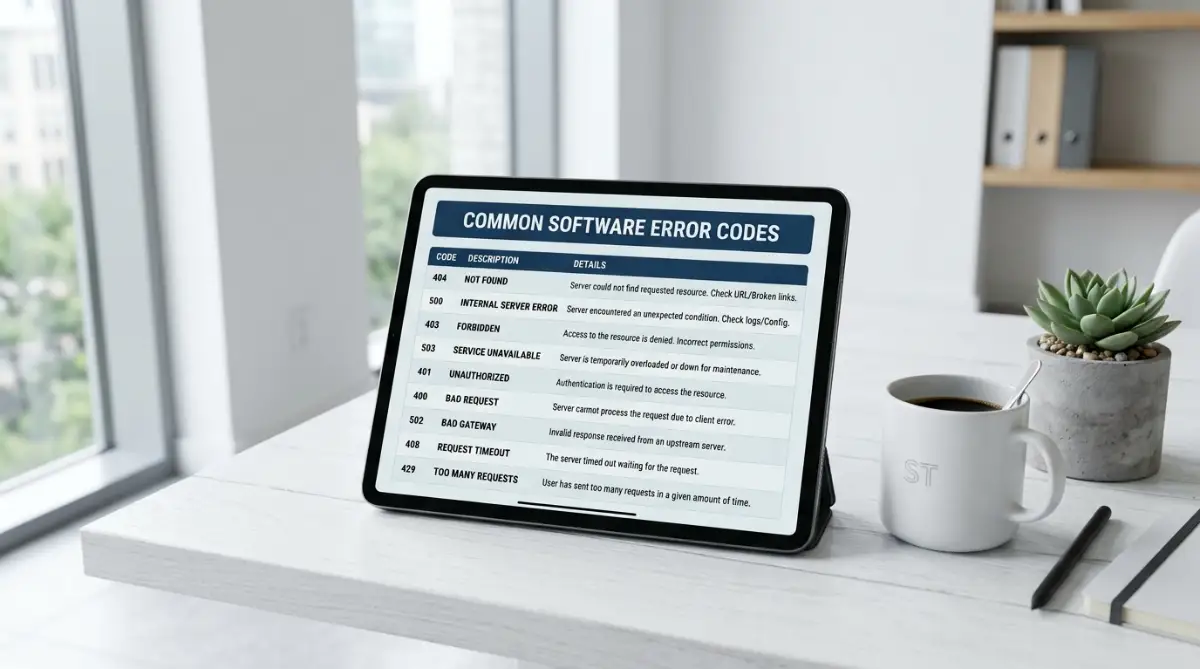
Step 2: Take a clear photo of the exact error code with your smartphone before closing the warning box.
Step 3: Perform a standard restart of your computer to clear the corrupted active memory.
Step 4: Once rebooted, check for official updates specific to the application that failed.
Step 5: If the software fails again, run the built-in system file checker tool we discussed earlier.
Required Document & Preparation Checklist:
- A clear screenshot or physical note of the exact error code number.
- Your master administrator password to authorize system scans.
- A freshly backed-up copy of your most important work documents on an external drive.
- The official license key for the crashing software (just in case you need to reinstall it).
- A stable internet connection to download verified patch files securely.
By following this exact blueprint, you eliminate the guesswork. You protect your valuable files and tackle the actual root cause of the problem without creating new ones.
Your Blueprint to a Crash-Free Digital Life
Keeping your computer running smoothly is not a one-time magic trick. It is an ongoing habit, much like keeping your house clean or maintaining your car.
When you start treating your digital workspace with respect, your machine rewards you with incredible reliability. You stop fearing that sudden screen freeze and start enjoying a seamless creative process.
I used to dread sitting at my desk because my system was so unstable. Now, I feel total confidence every time I turn on my monitor. You can easily reach this exact same level of digital peace.
Imagine a workday where everything just flows perfectly. Your software opens instantly, your files save without hesitation, and your focus remains completely unbroken.
If you want to free up even more time, you can explore how to use ai to automate repetitive daily tasks at work. A healthy, optimized computer is the ultimate foundation for becoming highly productive in your daily routine.
Take a deep breath, close those heavy background tabs, and give your machine the quick tune-up it deserves today. I know how frustrating technology can be, but you absolutely have the power to take control of your operating system.
Which troubleshooting step are you going to try first today? Let me know in the comments below!
Frequently Asked Questions About Windows Stability
What is the most common reason for a sudden application freeze?
The most frequent cause is a temporary lack of available memory (RAM). When an application requests system resources that are already taken by another heavy background program, it simply stops responding.
Does reinstalling the operating system fix every runtime glitch?
A full system reinstall will fix software-related glitches, but it is an extreme measure. Most daily app crashes can be resolved simply by updating the specific application or repairing corrupted system files.
Why do my video games keep crashing to the desktop?
Games often crash due to outdated graphics card drivers or missing visual framework files. Always ensure your GPU software is running the absolute latest version directly from the manufacturer.
Is it safe to use third-party registry cleaners?
No, it is highly recommended to avoid aggressive third-party registry cleaners. They often delete essential communication files, which actually creates more severe crashes over time.
Can overheating cause my software to shut down?
Yes, absolutely. If your processor or graphics card gets too hot, the computer will aggressively shut down heavy applications to prevent permanent physical damage to the hardware.
How do I know if my physical RAM is actually broken?
You can use the built-in Windows Memory Diagnostic tool. It runs a thorough test during a reboot and will clearly tell you if a physical memory stick has failed.
What does "Error Code 0xc000007b" actually mean?
This specific code usually means there is a mismatch between 32-bit and 64-bit application files. Reinstalling the official Microsoft Visual C++ redistributable packages almost always solves this.
Why does my computer run slower after a major system update?
Major updates often run heavy background indexing processes for a few hours after installation. Leave your computer plugged in and running overnight, and the speed should return to normal by morning.
Can a bad internet connection cause a runtime failure?
Yes, especially if the software relies on constant cloud saving or active server connections. If the network drops unexpectedly, the application might panic and close abruptly.
How often should I manually back up my important files?
You should automate your backups to happen daily, but you should also do a manual backup to an external physical drive at least once a week for maximum security.
Trusted Legal Resources
- FTC Guide on Tech Support Scams
- CISA Cybersecurity Basics
- NIST Data Backup Guidelines
- BBB Scam Tracker
- Microsoft Official Services Agreement
- EFF Privacy and Security Guide
Disclaimer: The information provided in this article is strictly for educational and informational purposes only. The FinanceInfoIn team does not assume any responsibility or liability for data loss, hardware damage, or system errors resulting from the application of these troubleshooting steps. Modifying operating system settings carries inherent risks. Always ensure you have a complete and secure backup of your personal data before attempting any advanced system repairs or modifications. If you are unsure about a process, please consult with a certified IT professional.
About the Author
Reviewed by Mithun Halder (Personal Finance & SEO Expert) & The FinanceInfoIn Editorial Team
The FinanceInfoIn Editorial Team researches personal finance, investing, insurance, mortgages, cryptocurrency, and consumer financial topics. Every article is carefully reviewed to provide clear, practical, and trustworthy educational information based on credible sources and industry best practices.
©2026 FinanceInfoIn. All rights reserved.