Reading Time: 15 Minutes
Difficulty Level: Beginner to Intermediate
Reviewed By: FinanceInfoIn Editorial Team.
The Breaking Point: High Bills and Unreliable Power
I stared at the crumpled paper in my hand, feeling a heavy weight in my chest. It was my latest electric bill, and the amount was completely absurd. The power grid had failed us three times that month due to bad weather, leaving my family sitting in the dark, yet the utility company was charging me more than ever. I remember walking outside, looking up at the bright afternoon sun, and feeling incredibly frustrated. Why was I paying a massive corporation for unreliable electricity when the ultimate power source was shining directly on my roof for free? That exact moment changed my perspective completely. I realized I needed a way out of this endless cycle of monthly bills and power outages.
Table of Contents
- The Heavy Cost of Relying on the Power Grid
- Confusing Alternatives: On-Grid vs. Off-Grid Explained
- Sizing Your New Energy System Correctly
- The Real-Life Math Behind Going Solar
- Core Components You Need for Independence
- Smart Battery Storage Solutions
- Pros and Cons of Disconnecting Completely
- Final Steps to Making the Switch
Quick Summary
Moving your home off the traditional power grid requires careful planning and the right equipment. You must accurately calculate your daily energy usage to size your solar panels and battery storage correctly. Understanding the difference between on-grid and completely independent systems is the key to success. With the right investment in panels, charge controllers, batteries, and inverters, you can achieve true energy independence.
Key Takeaways
- Accurate daily energy calculation prevents power shortages at night.
- Lithium-ion batteries offer the best long-term value for storing solar energy.
- Off-grid systems require a reliable backup plan for multiple cloudy days.
- Proper maintenance of your equipment extends the lifespan of your investment.
The Heavy Cost of Relying on the Traditional Power Grid
Living at the mercy of the utility company takes a significant emotional and financial toll. Every time the wind blows a little too hard or a storm rolls in, you hold your breath. Will the lights flicker and die again? Will the food in the refrigerator spoil for the second time this season?
You work incredibly hard for your money, yet a large chunk of it vanishes every month to pay for an unreliable service. This lack of control causes real anxiety. You constantly tell your kids to turn off the lights to save a few pennies, worrying about rate hikes that happen without any warning.
This financial drain prevents you from saving for things that actually matter to your family. The reality is that renting electricity keeps you trapped in a cycle of dependency.
Expert Tip: Always keep a log of your electric bills for an entire twelve-month period before making any changes. Utility companies often hide seasonal rate spikes, and having this exact data will protect you from under-sizing your future energy setup.
Understanding Your True Energy Options
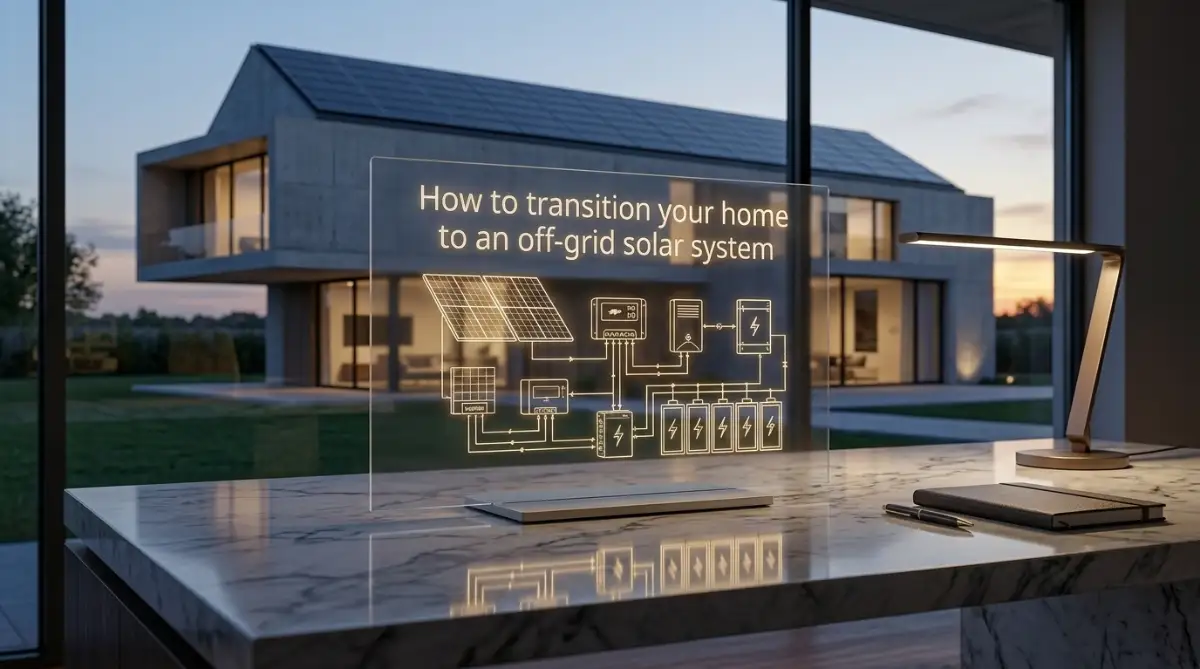
When you start exploring this path, the terminology can easily overwhelm you. Many homeowners confuse a standard grid-tied solar setup with a true off-grid system. Let us look at the distinct differences so you know exactly what you are getting into.
If you want total freedom and security during blackouts, going completely off the grid is the only real answer. It requires more upfront planning, but the peace of mind is incredible.
Calculating Your Personal Power Needs
The very first step to energy freedom is understanding how much power your family actually uses. You cannot just guess this number. If you guess wrong, you will sit in the dark when the sun goes down.
Think of your daily electricity usage like your family's daily water consumption. If you only have a small bucket to hold water, you will run out before the day ends.
To figure out your exact needs, you have to look at every single appliance in your house. Grab a notebook and start walking through your rooms.
You need to multiply the wattage of the device by the hours you use it. This gives you your daily Watt-hours. Add everything up, and you have your magic number for the day.
The Math Behind Complete Energy Independence
Let me show you a practical example so this concept makes total sense. We will look at a completely normal household to see how the numbers add up.
David and Sarah live in a standard three-bedroom home. After checking their utility bills and doing the math, they found they use about 20 kWh (20,000 Watt-hours) of electricity every single day.
To generate this amount of power, they need a specific solar array. Because the sun only shines at peak strength for about 5 hours a day in their area, they must capture all 20,000 Watt-hours during that short window.
This means they need a system capable of generating at least 4,000 Watts per hour during peak sunlight (20,000 divided by 5). To be safe on cloudy days, they build a 5,000-Watt solar panel system. Their total equipment cost was around $15,000, but they instantly eliminated their $200 monthly electric bill. In just over six years, the entire system pays for itself, and the remaining decades of power are completely free.
Awesome Video Guide on Solar Sizing
Are you feeling a bit confused about calculating your exact power numbers? Watch this incredibly helpful breakdown below to see exactly how to measure your daily energy needs without making costly mistakes.
The Honest Truth: The Good and The Bad
Before you cut the wires to your utility provider, you need to look at this decision objectively. Total independence is amazing, but it also comes with real responsibilities.
The Pros & Cons of Off-Grid Living
- The Pros:
- No more monthly electricity bills ever again.
- Complete protection from neighborhood power outages and grid failures.
- You are unaffected by unexpected utility rate increases.
- Massive reduction in your personal carbon footprint.
- The Cons:
- High initial setup costs for equipment and batteries.
- You become your own maintenance worker if something breaks.
- Requires major lifestyle adjustments regarding energy use during winter.
- Needs physical space on your property for battery banks.
Choosing the Right Storage Solution
Capturing the sun's energy is only half the battle. Storing it properly is where most people get deeply confused. Your battery bank is the absolute heart of your independent home.
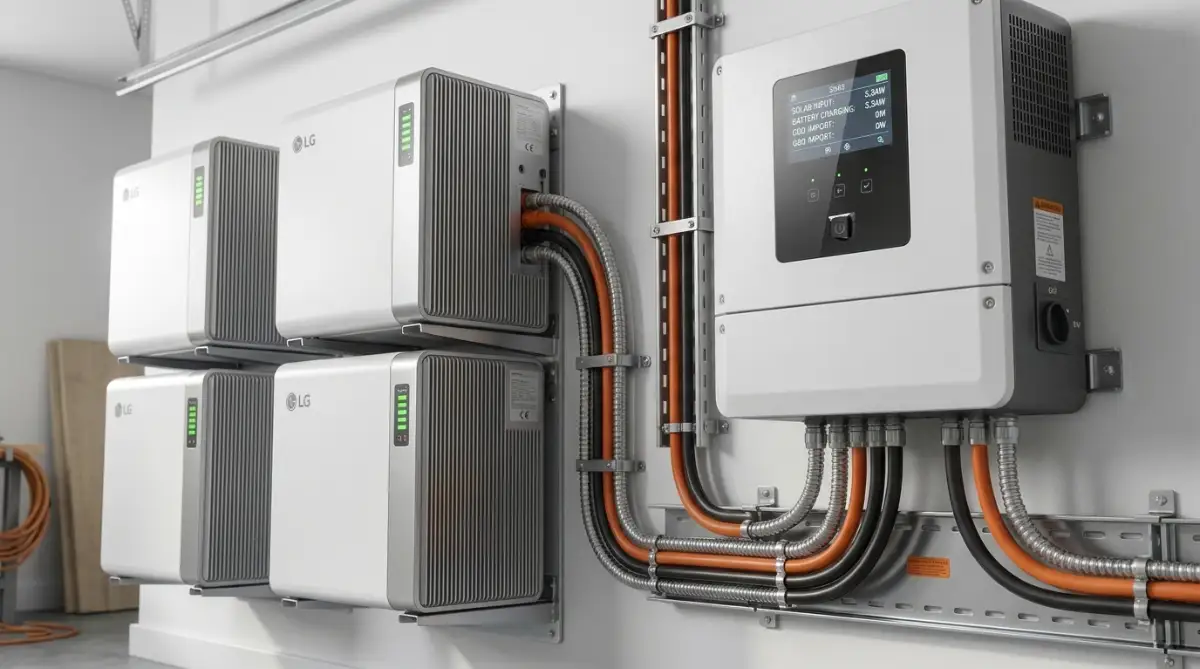
During the day, your panels act like a water pump, pulling energy from the sun. Your batteries act like a giant storage tank. When the sun goes down, you drain that tank to watch television, run your fridge, and keep the lights on.
I learned this lesson the hard way. When I first started planning, I tried to save money by calculating the absolute bare minimum battery capacity.
Pro Tip: I completely ignored the fact that three cloudy days in a row would drain my small battery bank to zero. My biggest mistake was not factoring in bad weather. Always double your calculated battery needs so you never have to panic during a long winter storm.
You generally have two main choices when it comes to storing your power. Understanding the difference will save you a massive amount of frustration.
If you are moving your primary home off the grid, lithium-ion is the clear winner. They can discharge deeper without taking damage, and they take up significantly less physical space in your garage.

Managing Your Daily Power Flow
Once you have your panels and batteries picked out, you need to connect them safely. You cannot just wire a solar panel directly into a battery. The raw power will destroy the battery instantly.
This is where a charge controller comes in. It acts as a strict security guard between your roof and your battery bank. It ensures the power flows smoothly and stops the batteries from overcharging.
Next, you need to convert that stored energy into something your household appliances can actually use. Batteries store DC (Direct Current) power, but your television and refrigerator require AC (Alternating Current) power.
Your inverter does this heavy lifting. It takes the quiet DC power from the batteries and flips it into the AC power your wall outlets need. Investing in a high-quality pure sine wave inverter is non-negotiable. Cheap inverters will cause your electronics to hum loudly and eventually burn out their internal motors.
Adopting the Energy Independent Mindset
Transitioning away from the utility company is not just about buying wires and panels. It requires a complete shift in how you view consumption.
You become highly aware of the weather outside. A bright sunny morning feels like a massive deposit into your bank account. A dark, stormy week means you need to be mindful of leaving unnecessary lights on.
You start optimizing your home naturally. You swap out old appliances for highly efficient models. You run your heavy loads, like the washing machine, during the middle of the day when the sun is hitting your panels directly.
This lifestyle change brings an incredible sense of peace. You are no longer just a passive consumer paying a bill. You become the active manager of your own power station. It is a rewarding journey that puts the control back exactly where it belongs—in your own hands.
Taking Your Setup to the Next Level (Advanced Secrets)
Now that you understand the basic components, we need to talk about long-term survival. You want your new energy equipment to last for decades without requiring constant repairs. Most people just install their gear and completely forget about it, but a little active management changes everything.
For example, strictly controlling your battery temperature will save you thousands of dollars. If you leave your storage bank in a freezing shed, it will lose capacity incredibly fast. Keeping them in a moderately insulated environment keeps your power flowing smoothly during cold winter nights.
A sudden drop in temperature makes the chemicals inside the battery sluggish. Your system will show a low battery warning even if you collected plenty of sunshine that day.
Pro Tip: I highly recommend installing a cheap digital thermometer right above your battery bank. If the temperature drops too low in your garage, you can easily wrap them in specialized battery heating blankets to maintain their optimal performance.
You also need to become a master at hunting down phantom power drains in your home. Many modern appliances, like smart televisions and microwaves, pull electricity from your walls twenty-four hours a day. Unplugging these quiet devices or putting them on smart power strips saves a massive amount of stored energy.
This simple daily habit keeps your battery bank from working too hard while you sleep. Here are a few common misconceptions that confuse beginners when they start managing their own power.
Speaking of keeping things clean, if you live in a very dry or dusty area, learning how to clean solar panels safely without scratching them protects your daily power output. Just a soft-bristle brush and some clean water every few months will keep your efficiency extremely high.
Common Mistakes That Will Drain Your Wallet
Going entirely off the public power network is exciting, but jumping in blindly leads to expensive disasters. I have seen homeowners waste massive amounts of money because they skipped very basic planning steps. These errors do not just empty your bank account; they leave your family shivering in the dark during winter.
One of the most heartbreaking major solar panel installation mistakes that waste your money is mixing old and brand-new batteries together. If you add a fresh battery to a three-year-old storage bank, the new one immediately downgrades its performance to match the older units. You end up throwing away perfectly good storage capacity on day one.
Another frequent trap is undersizing your main inverter. People often look at their average daily usage but completely forget about starting surges. When your deep freezer or well pump kicks on, it demands a massive spike of power for just two or three seconds.
If your inverter cannot handle that sudden heavy spike, your entire house will shut down instantly to protect itself.
Many beginners also forget to inspect the physical surface they are attaching everything to. If your roof is already fifteen years old, do not bolt heavy metal equipment onto it. You must understand how to prep your roof for solar panels and avoid costly leaks before you drill a single mounting hole. Fixing a rotten roof after your array is fully installed will cost double the normal repair price.
Your Exact Blueprint to Make This Happen
You have the technical knowledge, so now it is time to take physical action. Staring at internet guides all day will not turn your lights on. You need a solid, step-by-step execution path to move from dreaming to actually generating power.
First, you must evaluate your property legally and structurally. Even if you are disconnecting from the main utility, your local county still enforces building codes. You cannot just bypass structural safety regulations. Some specific zones even have strange rules about leaving the grid, which you can double-check through the Department of Energy's residential consumer guides to ensure you stay fully compliant.
Step 1: Track your actual home electricity usage for a full thirty days to find your true daily average.
Step 2: Have a certified home inspector check your roof trusses and main electrical panel.
Step 3: Secure your local building permits and neighborhood homeowner association approvals.
Step 4: Purchase your main components in one matched bundle to guarantee they communicate properly.
Step 5: Hire a licensed electrician to handle the final live connections from your inverter to your breaker box.
You will need a specific set of paperwork neatly organized before you spend a single dollar on equipment.
Required Document / Preparation Checklist
- Twelve months of past utility bills to verify your energy usage history accurately.
- A recent structural inspection report for your roof or planned ground-mount area.
- Electrical schematics showing your planned inverter location and battery layout.
- Local building permits signed and approved by your county code enforcement office.
- Original warranty documents and manuals for every major component you purchase.
Do not let the paperwork part of this project scare you away. Once you have these files safely in a folder, the actual building phase moves incredibly fast. You just need to follow the proper order of operations to stay safe.
Quick Action Checklist
- Swap out all old lightbulbs in your house to ultra-low-wattage LEDs today.
- Read a reliable guide on how to calculate home solar panel requirements for beginners.
- Measure the exact square footage of your unshaded roof space facing the sun.
- Clear out a safe, temperature-controlled space in your garage specifically for the batteries.
- Decide clearly if you want to leave your grid connection active as a backup, or cut it completely.
If you decide to stay connected just in case, reading about how net metering works can show you how to zero out your monthly bill while keeping the utility safety net. However, if true independence is your ultimate goal, you are ready to cut the cord entirely.
Stepping Into Your New Independent Life
Taking your home completely off the public power network is one of the most highly rewarding projects you will ever complete. It forces you to understand exactly how your home breathes and protects your family from frustrating outside failures. The initial learning curve feels steep, but the daily peace of mind is entirely worth your hard effort.
I remember flipping my main breaker switch for the final time, knowing I would never receive another scary utility bill again in my life. My family sleeps significantly better knowing our power is safe, secure, and entirely under our own control. You have all the information you need to start this exact same journey today.
Which appliance are you planning to take off-grid first? Let me know in the comments below!
Frequently Asked Questions About Going Off the Grid
Can I run an air conditioner on an independent setup?
Yes, you absolutely can run an air conditioner on independent power. However, heating and cooling require massive amounts of energy. You will need a significantly larger battery bank and solar array to support that heavy usage.
Will my panels still work during the winter?
Panels actually produce electricity more efficiently in cold weather. The main challenge during winter is simply having fewer hours of daylight to charge your batteries. You must clear snow off the glass to keep the energy flowing properly.
How long do lithium-ion solar batteries normally last?
High-quality lithium batteries typically last ten to fifteen years before their storage capacity drops significantly. If you keep them at a stable room temperature, they will serve your home for a very long time.
Can I use a gas generator as a backup?
Having a gas or propane generator is a highly recommended backup plan for off-grid living. If you get a long week of heavy rain and dark clouds, a small generator can top off your batteries easily. It serves as an excellent safety net for terrible weather.
Do I still need an electrician if I buy a DIY kit?
Even if you buy a complete DIY kit, hiring an electrician for the final wire connections is incredibly smart. They ensure your wiring meets safety standards and prevents accidental house fires. Do not risk your family's safety just to save a few dollars.
What happens if I make too much power during the day?
In a fully independent setup, your charge controller simply stops accepting power once the batteries hit one hundred percent. The excess sunshine is just ignored safely. Some advanced homeowners divert this extra power to heat a hot water tank.
Is it illegal to disconnect from the city power?
It depends entirely on your local county and city zoning laws. Some strict urban areas require a home to have an active grid connection to be considered legally habitable. Always check your local building codes before cutting the utility wires.
How do I know if my roof is strong enough?
Solar equipment adds significant weight to your home's top structure. You need a professional roofer or structural engineer to evaluate your wooden trusses. If your shingles are visibly old, you must replace them before mounting the heavy metal rails.
Do independent setups require a lot of maintenance?
They are essentially maintenance-free because they have zero moving mechanical parts. You only need to rinse off heavy dust, leaves, or pollen a few times a year. Normal rain usually takes care of the regular cleaning for you.
Will going independent increase my property value?
Homes with fully paid-off, functional independent setups typically sell for much more money. Buyers love the idea of moving into a house with zero electric bills. Just make sure you keep all the professional installation receipts and warranty paperwork to show them.
Trusted Legal Resources
- Database of State Incentives for Renewables & Efficiency
- Federal Trade Commission: Solar Power for Your Home
- Solar Energy Industries Association Consumer Protection
- National Renewable Energy Laboratory Homeowner Guide
- U.S. Department of Energy Residential Safety Codes
- North American Board of Certified Energy Practitioners
Disclaimer: The information provided in this article is strictly for educational and informational purposes only. Transitioning to an off-grid electrical system involves high-voltage equipment and poses severe electrical and fire risks. FinanceInfoIn and its team are not licensed electricians, structural engineers, or legal advisors. Always consult with certified professionals, local authorities, and licensed contractors before purchasing equipment or altering your home's electrical structure. We assume no liability for any financial losses, property damage, or personal injury resulting from the use or misuse of this information.
About the Author
Reviewed by Mithun Halder (Personal Finance & SEO Expert) & The FinanceInfoIn Editorial Team
The FinanceInfoIn Editorial Team researches personal finance, investing, insurance, mortgages, cryptocurrency, and consumer financial topics. Every article is carefully reviewed to provide clear, practical, and trustworthy educational information based on credible sources and industry best practices.
©2026 FinanceInfoIn. All rights reserved.