Reading Time: 18–22 Minutes
Best For:
- Beginner Crypto Investors
- Long-Term Investors
- Busy Professionals
Skill Level: Beginner to Intermediate
Goal: Learn how Dollar-Cost Averaging helps reduce investment risk, eliminate emotional decisions, and build long-term crypto wealth.
The Hidden Cost of Chasing the Perfect Entry Price
I remember sitting on my couch at two in the morning, staring blindly at the glowing red charts on my phone screen. My stomach was tied in knots because the digital asset I had just purchased had dropped heavily in value. I really thought I had timed the market perfectly after spending three sleepless nights analyzing trends. Instead, a large chunk of my hard-earned savings shrank in a matter of hours. The stress made my chest tight, and I could barely focus on my day job the next morning. It felt like I was playing a game of chance, rather than actually investing for my future.
This is exactly how market volatility steals our peace of mind. You start with the exciting hope of building a better financial future for your family. But very quickly, it turns into a heavy mental burden that follows you everywhere. You find yourself hiding your phone under the dinner table, just to check prices while your loved ones are talking.
Every sudden price drop feels like a personal failure. You start blaming yourself for not waiting just one more day to buy. On the other hand, when prices shoot up, you feel a deep sense of regret for not buying more when it was cheap. It is an emotional roller coaster that slowly drains your energy and happiness.
The heavy mental load starts affecting your sleep, your relationships, and your daily productivity. You might snap at a friend for no reason, simply because a market chart went the wrong way. Your brain stays on high alert all the time, constantly waiting for the next big market move.
Many everyday people end up selling their assets at a heavy loss just to stop this mental torture. They walk away feeling defeated, believing that investing is only for the lucky or the wealthy. But the truth is, the market is simply doing what it always does. We are the ones using the wrong approach to navigate it.

Finding Your Footing in a Shaky Market
The secret to surviving and winning in a highly unpredictable market is removing your emotions from the equation entirely. When you try to guess what the market will do tomorrow, you are fighting a battle you cannot win. Prices move based on global news, big institutions, and human psychology. You need a system that works for you whether the market is having a great day or a terrible week.
This is exactly where a structured buying routine comes into play. Instead of dumping all your money in at once, you break it down into tiny, manageable pieces. You commit to buying a small amount on a regular schedule, completely ignoring the current price. This method naturally forces you to buy more when the price is low and less when the price is high.
Think of it like buying your weekly groceries. You need rice every week, so you buy it regardless of small price changes at the store. Some weeks the rice is on sale, and you get a great deal. Other weeks it costs a bit more, but you still buy it because you need it long-term. Over a full year, the price you paid averages out to a very reasonable number.
Here is an eye-opening reality check about market timing:
- Lump Sum Investing: You put all your money in on Tuesday. If the market crashes on Wednesday, you are instantly down 30% and stuck waiting for a recovery.
- Dollar-Cost Averaging: You spread your money across four weeks. When the market crashes on Wednesday, you celebrate because your next scheduled purchase will grab assets at a massive 30% discount.
This small shift in perspective changes everything about how you feel during a market crash. Suddenly, red days are no longer a reason to panic. They actually become welcome opportunities to lower your average entry price.
Setting Up Your Financial Safety Net
Before you even think about setting up a regular buying schedule, you need to determine a safe budget. This budget must be money that you absolutely will not need for the next few years. If you are investing your rent money or your grocery budget, you will always be stressed.
A great rule of thumb is to look at your monthly entertainment or dining out budget. Can you comfortably set aside twenty dollars a week without feeling a pinch in your lifestyle? If the answer is yes, then that is your starting point. You want to pick an amount so small that you barely notice it leaving your bank account.
This removes the fear of total financial ruin if the market takes a sudden downturn. You can sleep peacefully knowing your basic living expenses are completely secure. Your investment journey should be a background activity, not the main event of your financial life.
Pro Tips
• Build an emergency fund before investing.
• Schedule investments on payday.
• Avoid checking prices every day.
• Keep emotions out of investment decisions.
• Review your portfolio quarterly instead of daily.
Automating the Process for True Peace of Mind
The most powerful thing you can do for your mental health is to automate your buying process. If you have to manually log into an app to buy an asset, your emotions will try to stop you. Your brain will whisper, "Maybe wait until tomorrow, it might drop further."
Want to see how the pros completely automate their stress away? Check out this incredibly helpful video on setting up auto-buys directly from your bank account.
Almost every modern exchange platform has a recurring buy feature built right into their system. You can link your bank account, choose your preferred digital asset, and set a specific day for the purchase. Once you turn this feature on, you step away and let the technology do the heavy lifting.
I highly recommend setting your purchase day to align with your payday. If you get paid on Friday, set your automated purchase for Friday morning. The money goes straight into your investment portfolio before you even have a chance to spend it on something else.
My personal strategy involves completely deleting the price-tracking apps off my main phone screen. I only allow myself to review my overall portfolio performance once at the end of the month. This tiny change returned hours of productive time to my weekly schedule.
Whenever I catch myself wanting to check the market, I physically get up and drink a glass of water. Building this physical habit broke my addiction to staring at moving charts.
Expert Tips
✓ Enable Two-Factor Authentication.
✓ Use strong unique passwords.
✓ Keep recovery phrases offline.
✓ Review security every few months.
✓ Never share wallet private keys.
Overcoming the Fear of the Dip
Even with a solid automated system, it is completely normal to feel nervous during a massive market drop. The news will tell you that the world is ending and the market is going to zero. Your friends might message you, asking if you have sold everything yet.
This is the exact moment where the magic of consistent buying really shines. Let me share a quick reality check from my own journey.
I was sticking to my weekly buying schedule perfectly for six months. Then, a massive global news event caused a huge market crash, dropping prices by forty percent in two days. Fear completely took over, and I manually went into my account and paused my automatic purchases. When the market quickly recovered a month later, I realized I had missed out on the biggest discount of the year. I learned the hard way that stopping the system during fear is the exact opposite of what you should do.
When things look scary, you have to trust the mathematics behind your strategy. If you believed in the long-term value of the asset when the price was high, you should be thrilled to buy it when the price is low.
The Myth of Daily Buying
Many beginners think that buying a tiny bit every single day is the ultimate way to average their cost. While this sounds great in theory, it often creates unnecessary complications. Buying every single day means you are generating hundreds of small transactions.
When tax season comes around, tracking 365 tiny purchases can turn into a massive headache. You also have to consider the trading fees associated with each transaction on your platform. Sometimes, paying a flat fee every single day eats up a large portion of your small investment.
Instead, a weekly or bi-weekly approach offers a perfect balance. You still capture the price movements of the market without creating an accounting nightmare. It aligns perfectly with how regular people earn and budget their salaries.
Choosing the Right Weather for Your Seeds
Think of your portfolio like a digital garden. When you practice dollar-cost averaging, you are essentially planting seeds consistently over time. However, you need to make sure you are planting seeds in fertile ground.
Consistent buying only works if the asset you are buying has actual long-term value and utility. If you use this strategy on a completely useless, hype-driven asset, you are just throwing money into a fire slowly. You must do your own research to ensure the asset has a strong team, clear goals, and active development.
Look for projects that have survived multiple market crashes in the past. If a project completely died during the last rough period, it might not be a safe place for your consistent investments. Stick to the highly established assets for the majority of your regular buying strategy.
By keeping your strategy incredibly boring, your results will slowly become incredibly exciting. Wealth in these markets is rarely built overnight by lucky guesses. It is built by patient people who simply refuse to stop buying, regardless of what the noisy market is doing.
Next-Level Strategies for Serious Asset Builders
Once you get comfortable with a basic automated buying schedule, you might wonder what comes next. You have successfully removed the daily stress of checking prices. Your account is slowly growing in the background while you focus on your family and career. Now, it is time to look at a few advanced habits that will protect your hard work.
The first major step is taking full control of your digital security. When you buy assets consistently over many months, your total balance will eventually become quite large. Leaving a massive amount of funds on a standard trading platform is a massive security risk. Exchanges can freeze your account, get hacked, or suddenly go out of business without any warning.
You need to learn how to move your growing wealth into a private digital wallet that only you control. This might sound intimidating at first, but it is actually just like moving cash from a public register to a personal safe. You can easily start by reviewing our comprehensive guide on smart contract basics and learning how to protect your crypto funds safely. Taking personal custody of your assets is the ultimate way to guarantee you never lose your investments to a platform failure.
The Art of Dynamic Averaging
Many people think a regular buying strategy means you can never change your purchase amount. But as you gain more experience, you can slightly adjust your strategy to take advantage of extreme market fear. Think of it like a smart shopper who usually buys one bag of coffee every week. If the store suddenly offers that exact coffee at a fifty percent discount, the smart shopper buys three bags instead.
You can apply this exact same logic to your digital asset portfolio. When the overall market is bleeding and everyone else is panicking, you can manually double your regular purchase amount for just that week. This simple adjustment brings your average entry price down significantly faster. A recent study by the National Endowment for Financial Education on consumer behavior shows that investors who lean into market fear often build wealth faster than those who run away.
However, you should only do this if you have extra cash available. You should never stretch your budget or borrow money just to buy a market dip.
Regularly Reviewing Your Asset's True Value
Just because you are buying on autopilot does not mean you should completely ignore what you own. Sometimes, a digital asset project changes its core direction, or the founding team abandons the work. Continuing to buy a dying asset is just throwing good money after bad money.
You should block out one hour every three months to actively research the assets you are buying. Check their official updates, see if they are meeting their development goals, and read up on their latest technical documents. If you are not sure what to look for, you can learn how to read a crypto whitepaper like a pro to understand the fundamental mechanics.
If the project no longer aligns with your original reasons for buying, you have full permission to turn off the auto-buy feature. You are never permanently locked into one single asset. Being a smart investor means knowing when to gracefully pivot to a better opportunity.
Building a Cash Buffer for Extreme Drops
While your automated buys are running smoothly, you should also consider keeping a separate pile of dry powder. Dry powder is simply regular cash sitting securely in a normal bank account, waiting for extreme opportunities. Market crashes are a normal part of the financial cycle, but truly historical price drops only happen rarely.
When these massive, terrifying market crashes occur, having a separate cash buffer gives you incredible confidence. Instead of feeling terrified like the rest of the world, you will feel prepared. You can use a small portion of this cash buffer to manually buy assets at unbelievably cheap prices.
This prevents you from having to sell off other investments or drain your emergency savings to take advantage of the opportunity. It keeps your overall financial house in perfect order while letting you aggressively build your digital portfolio.

Dangerous Traps That Will Destroy Your Wealth
Even the best financial strategies can completely fall apart if you let your emotions override your logic. I have watched countless smart people completely ruin their financial progress by making entirely avoidable mistakes. The biggest trap by far is the sudden urge to interrupt the automated system during a scary market drop.
When your favorite asset suddenly loses thirty percent of its value in a single afternoon, your brain will scream at you to do something. You will feel an intense pressure to log in and cancel your automated purchases just to stop the bleeding. But doing this completely defeats the entire purpose of an averaging strategy. The whole point is to blindly accumulate assets when they are violently cheap.
If you pause your buys during the scary red days, you are only buying when the market is expensive. You are essentially volunteering to pay premium prices while rejecting the steep discounts. Let the system do its job exactly when it feels the most uncomfortable.
The Nightmare of Chasing Green Candles
Another incredibly common mistake is letting excitement push you into buying massive amounts at the worst possible time. Imagine checking your phone and seeing that your asset has jumped forty percent in value. Your friends are texting you about it, and social media is filled with people celebrating their massive gains.
This extreme excitement triggers a massive fear of missing out. You might suddenly decide to take a huge chunk of your savings and manually buy more of the asset at this new high price. Two days later, the market naturally cools off, the price drops back to normal, and you are instantly stuck with a heavy loss.
You just ruined months of careful, disciplined buying because you let a green chart manipulate your feelings. You must accept that you will sometimes miss out on sudden spikes, and that is completely okay. Consistency always beats chaotic, emotional decision-making over the long term.
Jeopardizing Your Real-World Financial Health
The most heartbreaking mistake people make is funding their digital asset journey with money they actually need to survive. I have seen folks skip paying their utility bills just to buy more digital assets during a dip. This kind of reckless behavior instantly turns investing into a dangerous gambling addiction.
If you ever find yourself relying on credit cards to fund your investments, you are walking into a massive financial disaster. The high interest rates on borrowed money will easily eat away any potential profits you might make in the market. Instead of chasing risky market gains, you should immediately focus on learning how to improve your credit score fast and clearing your bad debt.
True investing only works when it is boring and stress-free. If checking your portfolio makes your heart race because your rent money is on the line, you are doing it wrong. Always secure your real-world living expenses before you send a single dollar into the volatile digital markets.
Ignoring the Hidden Fees of Micro-Buying
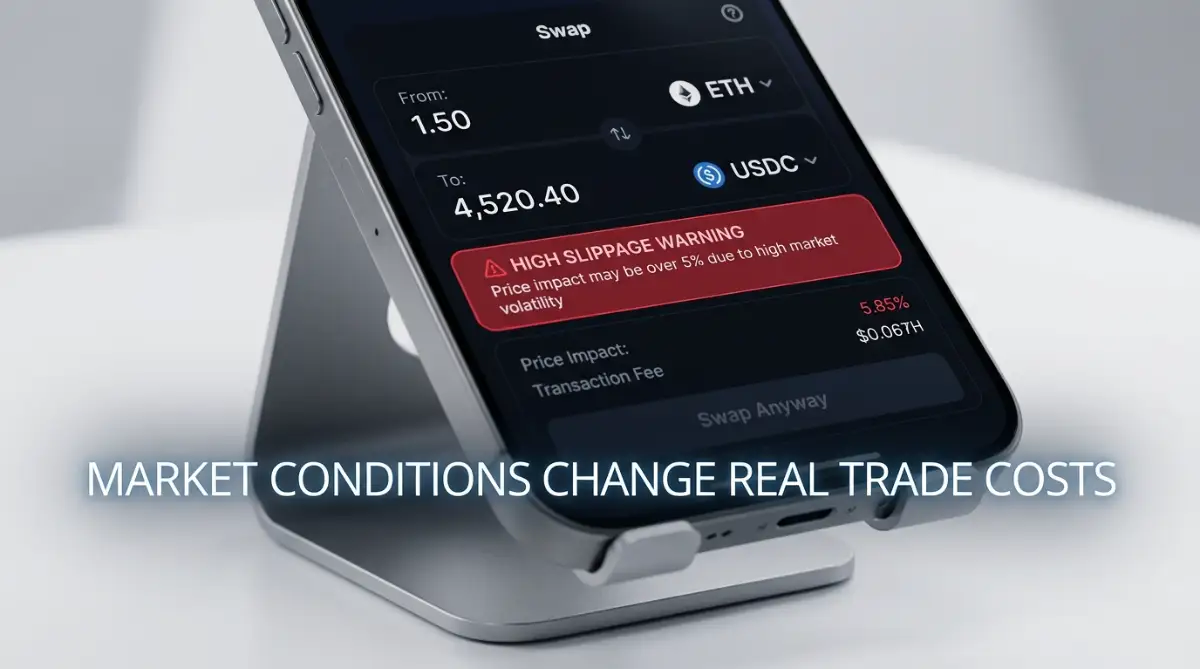
Many enthusiastic beginners decide they want to average their entry price by buying two dollars' worth of an asset every single day. While the math behind daily buying sounds flawless, the reality of platform mechanics tells a different story. Every time you make a purchase, the exchange charges you a transaction fee.
If your platform charges a flat one-dollar fee per transaction, buying two dollars of an asset every day means you are losing half your money to fees immediately. Over a full year, you will give hundreds of dollars directly to the exchange for absolutely no reason. You have to read the fine print of the platform you choose to use.
According to a report by the Financial Industry Regulatory Authority on retail trading habits, hidden fees are the number one reason small portfolios fail to grow. You can easily fix this by grouping your purchases into larger, less frequent transactions. Buying fifty dollars every two weeks is significantly cheaper and much easier to track for tax purposes.
Your Blueprint for Long-Term Financial Freedom
You now possess a complete, battle-tested framework for surviving one of the most unpredictable financial markets on earth. You understand exactly why trying to time the absolute bottom of the market is a fool's errand. Instead of letting sudden price swings ruin your weekend, you can now use them to your advantage.
The beauty of a scheduled buying strategy is that it completely removes the burden of choice from your daily life. You no longer need to spend hours watching YouTube analysts trying to predict tomorrow's price movements. Your only job is to protect your earning power at your day job and let your automated system handle the heavy lifting.
If you follow these steps closely, checking your portfolio will eventually become a boring, uneventful task. And in the world of high-risk assets, a boring portfolio is exactly what leads to massive wealth over time.
A Quick Action Plan for Tomorrow
If you are ready to finally stop stressing and start building, your action plan is incredibly simple. Tomorrow morning, take a hard look at your monthly budget and find an amount of money you can easily throw away. It could be the money you usually spend on buying premium coffee on your way to work.
Next, pick one highly reputable digital asset that you believe will still exist ten years from now. Log into your preferred trusted financial platform and set up an automated, recurring purchase for that exact dollar amount. Once you hit the confirm button, you have officially taken back control of your peace of mind.
Do not tell your friends about it, do not obsess over the daily charts, and do not change the plan when the news gets scary. Just let the math work its slow, steady magic in the background of your life.
Interesting Facts
• Most long-term investors outperform frequent traders.
• Emotional decisions reduce investment performance.
• Automation helps maintain investment discipline.
• Consistency generally beats market timing over long periods.
• Small weekly investments can grow significantly through compounding.
I spent years losing sleep over sudden market crashes and making emotional trades that completely drained my savings. I finally found my peace when I admitted I couldn't outsmart the market, and I just let my automated system do the hard work for me. Trust the math, protect your peace, and your future self will be incredibly grateful.
Your Action Checklist
- Decide your weekly investment amount.
- Build an emergency fund.
- Choose a trusted exchange.
- Enable recurring purchases.
- Ignore daily price changes.
- Review your portfolio monthly.
- Move large holdings to a hardware wallet.
Stay consistent.mon Questions About Automated Asset Buying
What happens if the market keeps dropping for months?
If the market enters a long downward trend, your automated system will simply buy more assets at increasingly cheaper prices. This is actually the best possible scenario for a long-term buyer. When the market eventually recovers, your overall average cost will be so low that you will see profits much faster.
Should I change my buying day based on market trends?
No, you should never try to manually adjust your buying day to catch a temporary dip. The main goal of this strategy is to completely eliminate human decision-making and emotional interference. Stick to your scheduled day religiously, regardless of what the current price chart looks like.
How much money is enough to start this strategy?
You can easily start with as little as ten to twenty dollars a week. The exact amount is far less important than the consistency of your habit. Starting small helps you build the emotional discipline needed to handle larger amounts later on.
Do I need to worry about taxes with regular purchases?
Yes, every time you eventually sell an asset, you will need to calculate your profit or loss for tax purposes. Buying consistently creates a lot of purchase records, which can make tax time slightly complicated. It is highly recommended to use a digital portfolio tracking software to automatically record your entry prices.
Can I withdraw my funds during a financial emergency?
You absolutely can sell your assets at any time if you face a real-world crisis. However, selling during a market crash means you might take a significant financial loss. This is exactly why you must maintain a separate emergency cash fund in your regular bank account.
What is the best day of the week to buy?
Historically, there is no single "magic day" of the week that guarantees better prices. The best day to schedule your purchase is the exact day you receive your paycheck. This ensures the money is invested before you accidentally spend it on unnecessary things.
Is it safe to leave my growing assets on a standard exchange?
It is relatively safe for small amounts when you are just starting out. However, once your portfolio grows to a substantial value, you should immediately move it to a private hardware wallet. Relying on a third-party exchange forever leaves you vulnerable to corporate bankruptcies and hacks.
Why You Can Trust This Guide
This guide is based on established long-term investing principles, publicly available educational resources, and practical risk-management strategies. Its goal is to educate readers about disciplined investing rather than encourage speculation or short-term trading. Readers should always conduct independent research and consult a qualified financial advisor before making investment decisions.
Disclaimer: The information provided in this article is for educational and informational purposes only and does not constitute professional financial or investment advice. Digital assets are highly volatile, and you should always conduct your own research or consult with a certified financial advisor before making any investment decisions. Never invest money you cannot afford to lose.