

Reading Time: 12 Minutes
Difficulty Level: Beginner to Intermediate
Reviewed By: FinanceInfoIn Editorial Team
Car Pulling to One Side: A $100 Alignment or $500 in Ruined Tires
A steering wheel that keeps pulling to one side is more than tiring to wrestle with. It's quietly costing you money every mile.
When your alignment is off, your tires aren't rolling straight. They're being dragged along the road, wearing down unevenly. A simple alignment, usually around $100, can save a set of tires worth $600.
But if you ignore the pull for a few months, the inner edge of the tread can wear all the way down to the cords. That means replacing tires early, and you may also notice you're spending more on fuel, since misaligned tires create extra resistance.
The good news is that this is one of the easiest problems to fix. Getting it checked today is a simple way to stop wasting money on tires you shouldn't have to replace yet.
Quick Summary
A car pulling to one side is a direct warning sign from your vehicle's steering, suspension, or tires. The most common triggers include uneven tire pressure, bad wheel alignment, or a sticking brake caliper holding back one wheel. Addressing these faults quickly saves you from replacing ruined tires and ensures your absolute safety on the highway. Ignoring the drift only leads to heavier mechanical repair bills down the road.
Key Takeaways
- Always check your tire air levels first; it is the cheapest and most common fix.
- Bad alignment geometry (camber, caster, or toe) forces your steering wheel off-center.
- A pulling sensation that only happens when you press the brake pedal usually points to a stuck brake caliper.
- Ignoring the drift will destroy the treads on your brand-new tires in just a few months.
- Professional alignment shops can diagnose suspension wear before it becomes a major highway hazard.
The Exhausting Highway Battle
Gripping the steering wheel so tight your knuckles turn white, just to keep the vehicle from drifting into the next lane, is the fastest way to ruin a road trip. I realized this on a rainy Tuesday morning heading into the city. My shoulder muscles were literally burning after just a forty-minute commute. The steering wheel had a mind of its own, constantly wanting to visit the ditch on the right side of the road.
It feels incredibly unsafe when your vehicle actively fights your every command. You spend the whole drive compensating for the drift, pulling the wheel slightly to the left just to drive straight. This constant physical tension makes driving feel like an intense upper-body workout instead of a relaxing commute.
The mental toll is honestly much worse than the physical strain. Every time a large truck passes by or the wind blows, you feel a sharp spike of anxiety, wondering if you might lose control entirely. You start questioning if a tire is about to blow out at highway speeds.
This is a daily reality for thousands of drivers who slowly get used to a broken driving experience. They adapt to the drift, thinking it is just a quirk of an aging vehicle. But a car pulling to one side is never a harmless quirk; it is your car crying out for help.
The peace of mind that comes from a vehicle that tracks perfectly straight is something you instantly miss when it is gone. You deserve to drive with one hand lightly resting on the wheel, totally relaxed. Let us break down exactly what is forcing your vehicle off its path.
The Silent Thief: Uneven Tire Pressure
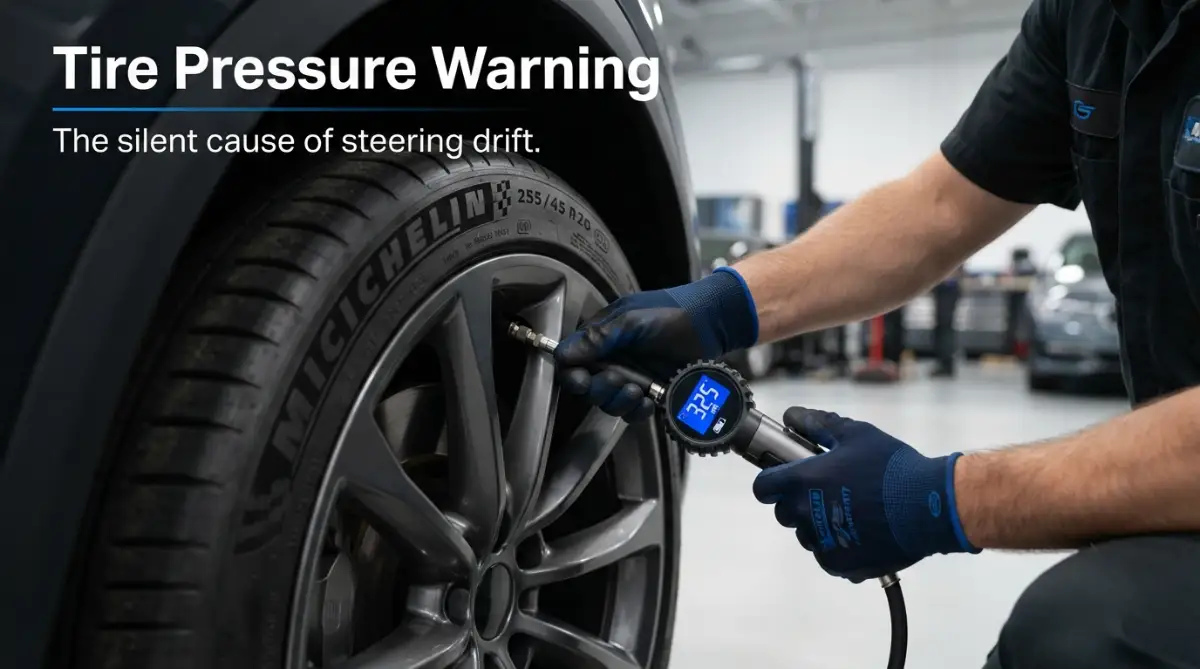
The absolute first thing you should check when your vehicle refuses to drive straight is the air inside the rubber. It sounds almost too simple, but uneven tire pressure is the number one cause of steering drift. Think of it like trying to walk normally while wearing one thick boot and one completely flat sandal.
When the front left tire has 35 PSI and the front right tire drops to 20 PSI, the right tire becomes slightly smaller and softer. It drags on the pavement with much more resistance than the fully inflated side. This uneven rolling resistance physically pulls the nose of your vehicle toward the side with the lower air pressure.
Pro Tip: I once spent an entire week worrying about a failing steering rack, only to find out a tiny nail had caused a slow leak in my front passenger tire. Always carry a cheap digital pressure gauge in your glovebox and check the numbers before paying a mechanic a single dollar.
You will often notice this issue completely randomly after a sharp change in outdoor temperature. Cold mornings can cause the air inside your tires to compress, dropping the pressure drastically. If one tire loses pressure faster than the others, your steering wheel will immediately let you know by dragging to that side.
The Shopping Cart Effect: Wheel Alignment
Have you ever pushed a supermarket shopping cart where one front wheel spins wildly and drags the whole cart into the canned goods aisle? That is exactly what happens when your vehicle's wheel alignment gets knocked out of spec. Your tires are no longer pointing in the exact same direction.
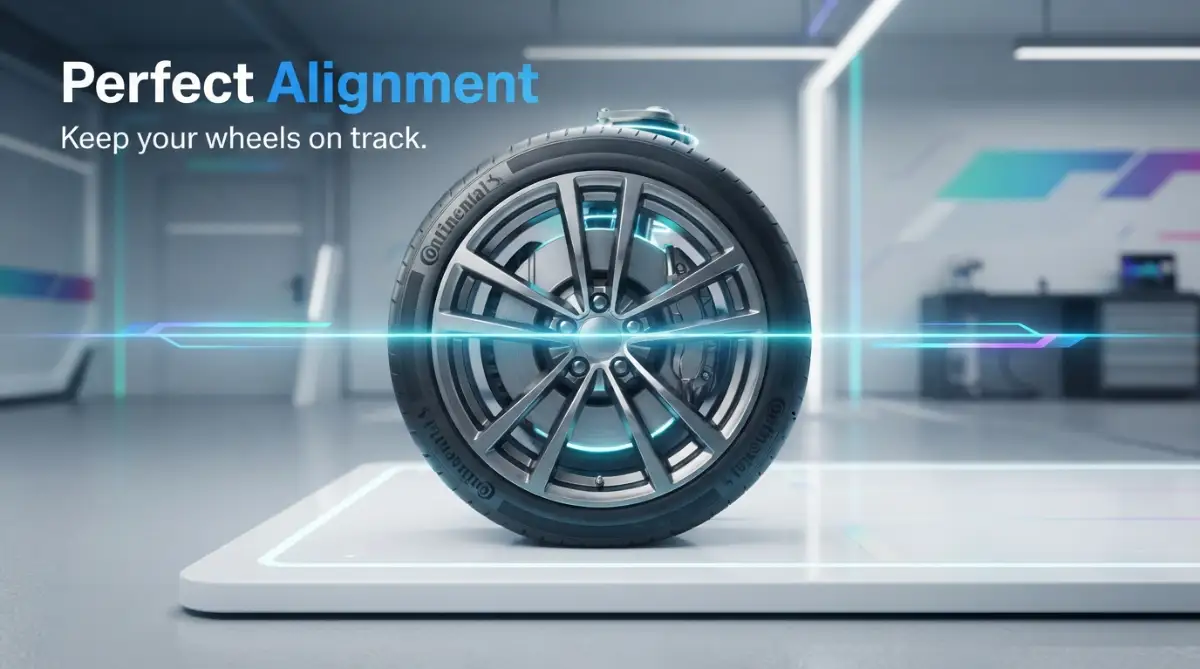
Automotive engineers design your vehicle's suspension with highly specific angles, known as camber, caster, and toe. When you hit a massive pothole on the highway or bump a concrete curb while parking, these precise angles get bent out of shape. Even a shift of half a degree is enough to force your steering wheel off-center.
When the geometry fails, the tires actually fight against each other as they roll down the street. One tire wants to go straight, while the other tire desperately wants to turn left. The stronger, more misaligned side will win, and your arms have to provide the muscle to correct it.
Bold Warning: If you notice your steering wheel sits at an angle when you are driving straight, you have a guaranteed alignment issue. Getting this geometry corrected by a laser alignment machine is the only permanent solution to bring the steering back to normal.
Sticking Brake Calipers: The Hidden Friction That Wastes Fuel & Warps Rotors
Sometimes the pull only happens when you try to slow down. If your vehicle tracks perfectly straight on the highway, but aggressively dives to the right the moment you step on the brake pedal, you have a brake system failure. This usually points to a sticking brake caliper.
Here is an extremely helpful video that shows exactly how to spot uneven brake wear at home.
Watch how this mechanic easily identifies a frozen caliper just by spinning the wheel by hand.
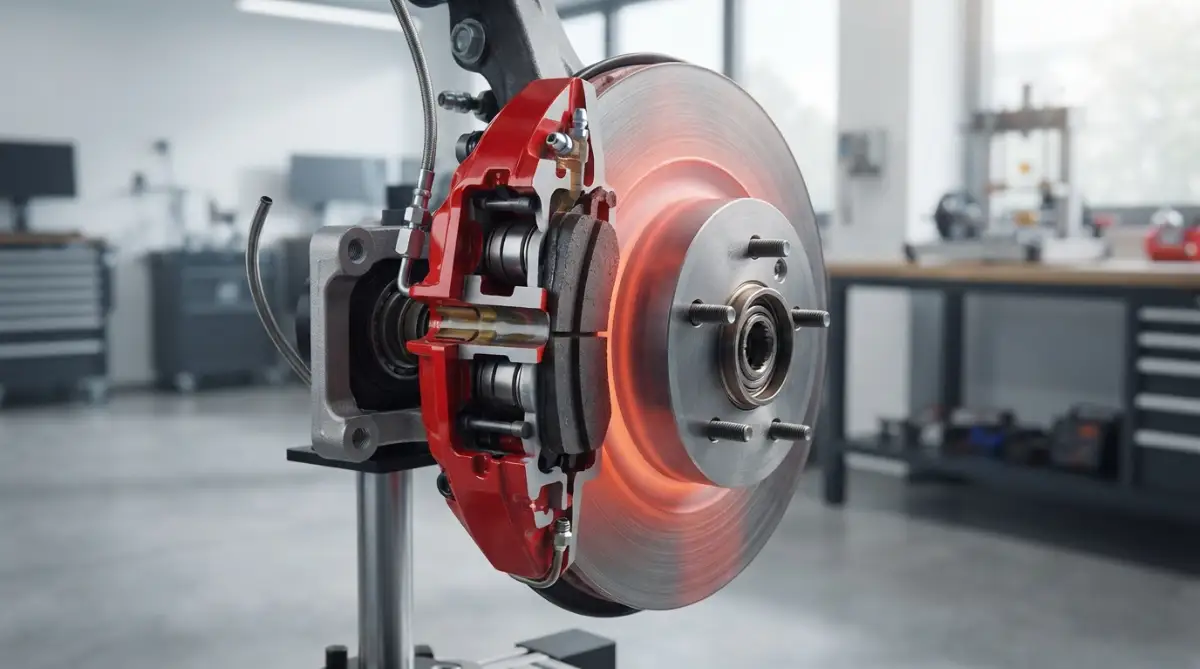
The brake calipers act like a giant pair of mechanical hands that squeeze the spinning metal rotors to stop your vehicle. Sometimes, due to rust, dirt, or bad brake fluid, one of those hands refuses to let go after you take your foot off the pedal.
If the front right caliper is stuck, it constantly drags on the rotor while you drive. This creates a massive amount of friction, literally braking one wheel while the others spin freely. The vehicle has no choice but to pull heavily toward the side with the stuck brake.
Confusing Alternative Comparison
Many drivers easily confuse an alignment drift with a brake drag. Knowing the exact difference can save you from buying the wrong repair service.
Suspension Wear: The Aging Skeleton
Your vehicle's suspension system is a complex web of metal control arms, rubber bushings, and ball joints holding the wheels to the frame. Over time, the constant abuse of rough roads simply beats the life out of these components. The rubber bushings tear, and the metal joints become loose.
When a lower ball joint or a tie rod end develops too much free play, the wheel physically wobbles slightly under the fender. This shifting causes dynamic alignment changes while you are moving. One second the car drives straight, and the next second it pulls heavily into the next lane.
You might hear sharp clunking noises from the front end when going over speed bumps or backing out of your driveway. That noise is the sound of metal hitting metal where a tight rubber joint used to be. A worn-out suspension part makes it completely impossible for any shop to align your wheels correctly.
The Real-Life Math of Ignoring the Drift
Let us talk about the actual financial damage of ignoring a steering drift. Meet David, a daily commuter who noticed his sedan pulling slightly to the left but decided he did not have the time to fix it. He figured he could just hold the steering wheel a bit tighter and save his money.
His vehicle needed a simple four-wheel alignment, which usually costs around $100. Because he skipped that service, the misaligned geometry forced the inside edges of his two front tires to literally scrub against the pavement like sandpaper. Within three months, his completely healthy tires were worn down to the metal wires on the inside edge.
David now had to buy two brand-new premium tires for $150 each, plus paying $40 for mounting and balancing. He still had to pay the original $100 for the alignment anyway to protect the new tires. By trying to save $100, David ended up burning $440 out of his wallet for no reason at all.
The math never works in your favor when you ignore mechanical warning signs. Tires are incredibly expensive pieces of engineering. Letting bad suspension geometry chew them to pieces is simply throwing your hard-earned cash right out the window.
Tire Conicity: The Defective Rubber
Sometimes you can have perfect tire pressure, brand-new suspension parts, and a laser-perfect alignment, yet the car still pulls. This highly frustrating scenario is usually caused by a manufacturing defect called tire conicity. It basically means the tire was poorly built at the factory.
Inside the thick black rubber, tires have strong steel belts running through them to give them shape and strength. If the factory worker or machine accidentally places those internal steel belts slightly off-center, the tire will cure in a very slight cone shape instead of a perfect cylinder.
When a cone rolls on the floor, it naturally turns in a circle. Your defective tire is trying to do the exact same thing on the highway.
Expert Tip: To diagnose tire conicity, simply ask your tire shop to swap the two front tires from left to right. If the car used to pull to the left, and now immediately pulls to the right, you have absolutely proven that one of those tires has a defective shape.
Honest Pros & Cons of Fixing It Now
When you are tight on a budget, it is tempting to delay vehicle maintenance. But understanding the direct benefits versus the massive downsides can help you make a safer choice for your family.
The Pros of Fixing It Now:
- Instant Fuel Savings: Tires rolling perfectly straight have far less friction, immediately boosting your miles per gallon.
- Maximum Tire Life: Your expensive tires will wear evenly, easily lasting their fully rated 50,000-mile lifespan.
- Effortless Driving: You can enjoy road trips again without muscle fatigue or white-knuckle gripping.
- Emergency Safety: The car will react predictably and straight when you need to brake suddenly to avoid an accident.
The Cons of Ignoring the Pull:
- Sudden Blowouts: Worn inner tire edges can pop unexpectedly at highway speeds.
- Snowballing Costs: A cheap $20 worn bushing will eventually destroy a $500 steering rack if left ignored.
- Failed Inspections: Worn suspension parts and bald tires will cause you to fail state vehicle safety inspections.
Next Steps for a Straight Drive
Getting your vehicle to track perfectly straight again is entirely within your control. Do not let the frustration build up day after day. Start with the easiest and cheapest possibilities in your own driveway before heading to the professionals.
Grab a pressure gauge tomorrow morning while the tires are cold. Fill them up exactly to the numbers written on the sticker inside your driver-side door frame. If the drift magically disappears, you just saved yourself a trip to the mechanic.
If the air pressure is perfect but the struggle continues, it is time to schedule a dedicated suspension inspection. Ask the technician to provide a clear digital printout of your current alignment angles. Seeing the actual red and green numbers on the paper will immediately explain exactly why you have been fighting the steering wheel so hard. Driving should be a smooth, comfortable experience, not a daily arm-wrestling match against your own vehicle.
Pro-Level Habits for a Perfectly Centered Drive
Once you figure out why your vehicle is dragging into the next lane, the real secret is keeping that steering wheel dead-center for good. Professional mechanics do not just fix the current problem; they set up the vehicle to prevent future wear. One of the best habits you can build is requesting a tire rotation every single time you change your oil.
Front tires do all the heavy lifting, handling the steering, most of the braking, and bearing the weight of the engine. Because of this extreme stress, the front rubber wears down significantly faster than the rear. Swapping them around balances the tread wear, stopping uneven friction from throwing your steering off track.
If you drive a battery-powered car, this rotation schedule is even more critical due to the massive weight of the battery packs. Heavy vehicles naturally chew through tire tread at a faster rate, which directly impacts your driving geometry. If you want to protect your investment further, check out this excellent guide on how to extend the battery life of an electric vehicle on FinanceInfoIn.
Pro tips: Always mark your tires with a piece of chalk before taking your car to a quick-lube shop for a rotation. This simple trick guarantees the technicians actually perform the swap instead of just charging you for it. I do this every single time, and it gives me total peace of mind before paying the bill.
Quick Action Checklist
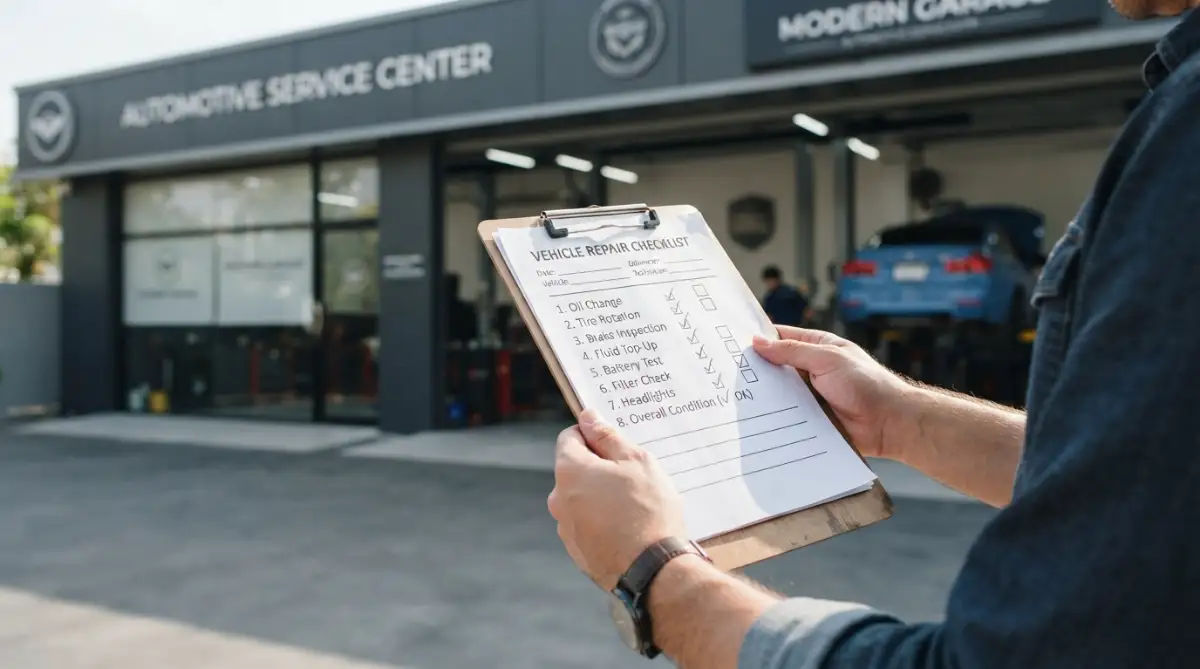
Here is a fast rundown of what you should inspect the moment your steering starts feeling heavy on one side:
- Check all four tires with a digital air pressure gauge while the rubber is cold.
- Look closely at the front wheels to see if one side is visibly lower than the other.
- Run your hand flat across the tire treads to feel for jagged, uneven edges.
- Let go of the steering wheel at a very low speed in an empty parking lot to see which direction the car drifts.
- Smell the front wheels after a long drive to check for the burning scent of a stuck brake caliper.
Different types of tire wear can tell a completely different story about your suspension health. Below is a breakdown of what your tread depth is actually trying to tell you.
Your DIY Garage Diagnostic Plan
You do not need to be a master mechanic to narrow down the cause of a steering drift. By doing a little homework in your own driveway, you protect yourself from paying for unnecessary repairs at the shop. The goal is to gather as much evidence as possible so you can give the technician a highly accurate description of the problem.
The Exact Step-by-Step Execution / Application Guide
Here is exactly how you can test your vehicle safely today before picking up the phone to schedule a repair:
Step 1: Find a large, completely empty parking lot with a perfectly flat surface, away from public traffic and crowned roads.
Step 2: Drive perfectly straight at a very slow speed, roughly 10 miles per hour, and loosely open your grip on the steering wheel.
Step 3: Watch the steering wheel carefully to see if it turns by itself, or if the wheel stays straight but the car drifts away.
Step 4: Accelerate slightly to see if the pull only happens under engine load, which points to a broken engine mount or torque steer.
Step 5: Apply the brakes firmly and notice if the nose of the car violently darts to one side, confirming a brake caliper issue.
Required Document / Preparation Checklist
Before you hand over your keys to an alignment shop, gather these essential items to ensure a smooth transaction:
- The exact tire pressure readings: Write down the cold PSI you measured at home.
- Your current tire warranty: Bring the paperwork if you recently bought new tires, as early wear might qualify for a free replacement.
- Recent repair history: Mechanics need to know if you just had suspension work done, as new parts need time to settle.
- Vehicle specific specifications: Note if your car is carrying heavy cargo in the trunk, as this changes the resting ride height.
- A clear description of the drift: Write down if the pull happens all the time, only when braking, or only at high highway speeds.
Taking these steps ensures your mechanic focuses on the right mechanical system instead of guessing. Proper diagnostics improve rolling resistance, which is a massive bonus if you are looking into how to maximize your electric vehicle range on long road trips.
Separating Fact from Fiction
The automotive world is completely full of outdated advice and neighborhood myths that can actually cost you more money. When it comes to fixing a steering pull, relying on bad advice is a fast track to ruining your suspension. Let us clear up the confusion right now.
If you ever feel like the shop is trying to sell you a service you do not understand, ask them to physically show you the loose part while the car is on the lift. According to guidelines from the National Institute for Automotive Service Excellence (ASE), a certified technician will always gladly demonstrate the failure point before asking for your payment.
The Most Dangerous Pitfalls When Fixing Steering Drift
When a vehicle starts acting up, human nature often pushes us to find the cheapest, fastest bandage possible. However, the steering and suspension systems are literally the only things keeping your family safely on the asphalt. Cutting corners here usually results in terrifying highway emergencies.
Common Mistakes
- Ignoring the road crown: Many drivers panic on country roads, not realizing the steep slope of the road is naturally pushing the car to the right for water drainage.
- Only replacing one tire: Buying just one new tire creates a massive diameter difference on the axle, actively forcing the car to pull toward the smaller, older tire.
- Skipping the suspension check: Paying for an alignment without replacing loose ball joints means the car will drift again the moment you hit a bump.
- Mixing tire brands or treads: Installing a sticky summer tire on the left and a hard all-season tire on the right will create unpredictable steering pulls during rain.
- Over-tightening steering components: Trying to fix a loose steering feel by cranking down on adjustment bolts will eventually lock up your steering rack completely.
A lot of drivers mistakenly blame complex electronic systems for a mechanical pull. For example, some EV owners assume a software glitch is causing their issues, much like they wonder why is my ev charging so slow. The reality is almost always a physical problem involving rubber, metal, and friction.
Taking Back Control of Your Commute
Wrestling with a vehicle that constantly wants to run off the road is a miserable way to start your morning. The good news is that this problem is incredibly common and usually fixed with basic maintenance. You do not have to accept a stressful, white-knuckle driving experience as your daily reality.
By checking your tire pressure, inspecting your tread wear, and trusting a certified alignment shop, you can easily restore that smooth, factory-fresh ride. I know exactly how amazing it feels to finally let go of the steering wheel on a straight highway and watch the car glide perfectly forward. My stress levels dropped instantly, and my daily commute became relaxing again.
Your safety and comfort are absolutely worth the small effort it takes to diagnose the pull today. Stop letting a misaligned wheel dictate how you drive and take action to protect your expensive tires.
Which symptom are you currently experiencing the most, the highway drift or the heavy braking pull? Let me know in the comments below!
Top Questions Drivers Ask About Steering Drift
Why does my car pull to the right on the highway but not in the city?
Highway speeds create much more rolling resistance and magnify tiny alignment issues that you cannot feel at low speeds. The faster you drive, the harder a bad alignment or low tire pressure forces the vehicle to drift.
Can a bad wheel bearing cause my vehicle to pull to one side?
Yes, a severely damaged wheel bearing creates massive friction and drag on one specific wheel. You will usually hear a loud humming or roaring noise coming from that wheel long before it causes a steering pull.
Is it safe to drive my car if it slightly pulls to the left?
A very slight drift might feel manageable, but it is actively destroying your tire treads with every mile. It becomes highly dangerous during heavy rain or snow, where the misaligned tire can easily lose traction and cause a spin.
How often should I realistically get a wheel alignment?
You should ask a professional to check your alignment angles once a year, or immediately after hitting a massive pothole. Preventative checks are much cheaper than buying a completely new set of tires.
Why does the steering wheel shake when the car pulls?
A shaking steering wheel paired with a pulling sensation almost always points to a warped brake rotor or a sticking brake caliper. The uneven braking surface physically vibrates the steering rack as you slow down.
Will balancing my tires fix a steering drift?
No, tire balancing only fixes high-speed vibrations and shaking, not a directional steering pull. If the car pulls, you need an alignment or a pressure check, not a wheel balance.
Can driving with heavy cargo make my vehicle drift?
Absolutely. Loading hundreds of pounds of cargo on one side of the trunk compresses the suspension unevenly, altering the steering geometry. Always diagnose a pulling issue when the vehicle is completely empty.
What is torque steer and why does it pull my wheel?
Torque steer happens in front-wheel-drive vehicles when you accelerate aggressively and the engine power unevenly hits the front wheels. The steering wheel will violently jerk to one side, but it will drive perfectly straight once you stop accelerating.
Does power steering fluid affect how straight my car drives?
Low fluid makes the steering wheel heavy and difficult to turn, but it does not cause a directional drift. If the car actively pulls to one side without you touching the wheel, it is a tire or suspension issue.
Can a bad strut or shock absorber cause a steering pull?
Yes, a blown shock absorber cannot support the weight of the vehicle properly, causing that corner of the car to sag. This uneven ride height completely changes the camber angle, forcing the vehicle to drift.
Trusted Tire Safety & Wheel Alignment Resources
To research official tire safety standards, suspension recall data, and fair alignment pricing, explore these authoritative resources:
-
-
National Highway Traffic Safety Administration (NHTSA) – Tire Safety & Maintenance: (Federal safety regulations governing tire tread wear depth, tire pressure monitoring systems, and blowouts)
-