
Reading Time: 10 Minutes
Difficulty Level: Beginner to Intermediate
Reviewed By: FinanceInfoIn Editorial Team
That Unsettling Sound Coming From the Side of Your House
I was standing in my driveway on an unusually hot Tuesday afternoon, enjoying the clear skies. Everything was completely quiet in the neighborhood until I walked past the side of my house. There, coming straight from my shiny, expensive solar setup, was a distinct, aggressive buzzing noise.
My heart instantly sank. I had just spent a large portion of my savings on this renewable energy system to cut down on electricity bills. Now, it sounded like a tiny swarm of angry bees was trapped inside the metal casing.
I immediately started panicking about potential fire hazards. Was the system overloading? Was I about to lose thousands of dollars because of a blown circuit?
I did what anyone would do and aggressively searched the internet for answers, only to find deeply confusing engineering forums. Some people said it was perfectly fine, while others warned that a house fire was imminent. This massive gap in plain, simple information left me frustrated and anxious for days.
When you invest heavily in a home solar system, you expect quiet, clean energy running seamlessly in the background. You certainly do not expect it to become a noisy nuisance that keeps you awake during your afternoon naps. That low-frequency hum can slowly drive you crazy, making you constantly worry about the safety of your home and family.
Quick Summary: What You Need to Know
A buzzing solar inverter is often just the sound of hard work during peak sunlight hours. This noise usually comes from internal cooling fans or a scientific process called magnetostriction inside the transformer. However, if the buzz turns into a sharp crackle or a loud rattle, it might indicate loose mounting brackets or a genuine electrical fault. Most minor noises can be fixed with simple cleaning and shade management.
Key Takeaways for Homeowners
- Peak times mean peak noise: Inverters work hardest at midday, which is when they naturally hum the loudest.
- Cooling is loud: The fans keeping your inverter from overheating are the most common source of buzzing sounds.
- Vibration is manageable: Simply tightening the wall mounts can instantly eliminate a loud, vibrating rattle.
- Safety first: Crackling or popping sounds require immediate attention from a certified electrician.
Understanding the Science of the Sound
Before we start taking things apart or calling for help, we need to understand what this metal box actually does. Your solar panels collect sunlight and turn it into Direct Current (DC) electricity. However, your home appliances can only use Alternating Current (AC) electricity.
Your inverter acts as the heavy-duty translator between the panels and your home. This conversion process requires massive amounts of energy to pass through electrical transformers.
When electricity flows through these internal parts, the magnetic fields expand and contract rapidly. This creates a physical vibration in the metal components, which scientists call magnetostriction. To put it simply, the buzzing you hear is literally the sound of electricity changing shape.
Just like a heavy truck engine roaring louder as it climbs a steep hill, your inverter gets louder when it is working hard. On a bright, cloudless day, your system is pushing maximum power, making the natural hum much more noticeable.
Are You Hearing a Normal Hum or a Dangerous Buzz?
People often confuse a safe, operational noise with a serious electrical problem. Knowing the difference can save you from a lot of unnecessary panic. Let us look closely at the distinct sounds your system might be making.
If your system falls into the left column, you can probably relax. If you notice anything from the right column, you need to turn off the system immediately.
The Most Common Culprits Behind the Noise
Besides the natural electrical conversion process, a few physical factors can turn a quiet hum into an annoying rattle. The most frequent offender is the internal cooling fan.
Converting raw solar energy generates an incredible amount of heat. To protect the sensitive computer chips inside, the inverter uses fans to push hot air out and pull cool air in. If dust, leaves, or spider webs get sucked into these vents, the fan blades will start vibrating against the debris.
Another highly common issue is the physical mounting on your wall. Inverters are heavy, and the constant micro-vibrations from the transformers can slowly loosen the bolts holding the unit to your house.
When the bracket gets slightly loose, the entire inverter begins to vibrate against the brick or wood siding. This acts like a giant speaker, amplifying a tiny hum into a loud, rattling buzz that echoes through your walls.
The Hidden Cost of Ignoring the Sound
You might be tempted to just put in some earplugs and ignore the noise, but that can be an expensive mistake. Let me share a highly specific example to show you how the math plays out in real life.
Consider a homeowner named David who noticed his inverter buzzing loudly every afternoon. The noise was caused by a thick layer of dust clogging the cooling fan, which meant the inverter was running 20 degrees hotter than normal. David ignored the noise for eight months because the system was still producing power.
Because of the constant overheating, the internal capacitors degraded prematurely, causing the entire $2,500 unit to fail entirely. If David had spent just $15 on a can of compressed air to clean the fan, he would have saved himself thousands of dollars. The math is incredibly simple: small maintenance costs today prevent massive replacement bills tomorrow.
Step-by-Step Guide to Silencing the Setup
If the noise is driving you crazy, there are several extremely safe things you can do right now. You do not need an engineering degree to perform basic solar system hygiene.
First, take a walk around your inverter and inspect the cooling vents. Use a bright flashlight to look inside the grills. If you see clumps of dust, pet hair, or dead bugs, that is likely your problem.
You can use a standard vacuum cleaner with a brush attachment to gently pull the dust away from the vents. Never try to push things inside the unit with a stick or wire.
Expert Tip: Always do your visual inspections and cleaning early in the morning before the sun comes up. The system will be totally powered down, meaning the box will be cool to the touch and completely silent.
Next, check the stability of the unit against the wall. Place your hands flat against the wall right next to the inverter. If you feel a strong vibration in the actual wall, the mounting bracket needs attention.
Sometimes, sliding a small, high-density rubber pad behind the mounting bracket can absorb the vibrations entirely. This tiny adjustment can make your garage instantly quiet again.
Watch the Sun and the Shadows
Believe it or not, the sun's position can cause sudden spikes in inverter noise. When a cloud passes over your panels, the power generation drops suddenly.
When the cloud moves away, a massive surge of direct sunlight hits the panels all at once. The inverter has to scramble to process this sudden rush of power, causing a temporary, loud buzzing sound.
Here is a great way to understand this:
Imagine you are driving a car at a slow, steady pace, and someone suddenly tells you to press the gas pedal to the floor. The engine will roar aggressively as it tries to catch up. Your inverter does the exact same thing when the sun suddenly reappears.
If you want a deeper visual explanation of how these internal components handle the electrical load, this video breaks it down perfectly.
Realizing My Own Mistake
Pro Tip: I used to think my inverter was broken because it would buzz loudly at exactly 1:00 PM every single day. I even called the installation company to complain. Then I realized that my large oak tree was casting a shadow that moved off the panels exactly at 1:00 PM, hitting the system with a massive surge of delayed sunlight. It was not a broken machine; it was just doing its job catching up. Always observe your shade patterns before assuming the worst.
When to Stop Guessing and Call a Professional
We have talked a lot about normal noises and simple fixes. However, electricity is incredibly powerful, and knowing your limits as a homeowner is non-negotiable.
If you hear a noise that sounds like bacon sizzling in a frying pan, you have a serious problem. That specific crackling sound is called electrical arcing. It means electricity is physically jumping across a broken wire or loose connection.
Arcing creates extreme heat and is one of the leading causes of electrical fires. If you hear crackling, popping, or smell melting plastic, walk over to your main electrical panel and flip the solar breaker to the "OFF" position immediately.
At that point, your DIY journey ends. You need to call a certified solar technician.
Decoding Your System's Secret Language
To make things easier to remember, I have categorized the most common noises you might encounter. Think of this as a translation guide for your solar setup.
As you can see, the vast majority of sounds are completely harmless. The machine is just communicating its workload to you.
Keep Your Environment Cool
One of the best ways to stop your inverter from buzzing is to help it stay cool naturally. Inverters installed in unventilated, dark garages have to work twice as hard to lower their internal temperature.
If your unit is inside, consider leaving a window open or installing a small room fan to keep the air moving. If your unit is outside, ensure that tall grass, bushes, or storage boxes are not blocking the airflow around the metal casing.
Your inverter needs to breathe. Giving it at least two feet of clear space in every direction will dramatically reduce the amount of work the cooling fans have to do.
The Pros and Cons of DIY Inverter Maintenance
It can be highly tempting to grab a toolkit and try to fix every little sound yourself. Before you start removing covers, you should clearly understand the benefits and the risks involved.
The Pros:
- You can save hundreds of dollars on basic service call fees.
- Cleaning external vents takes less than five minutes of your time.
- You learn exactly how your home energy system functions daily.
- Adding rubber anti-vibration pads is extremely cheap and highly effective.
The Cons:
- Opening the main casing can instantly void your expensive warranty.
- Touching internal components carries a high risk of electrical shock.
- You might misdiagnose a serious electrical arc as a simple loose screw.
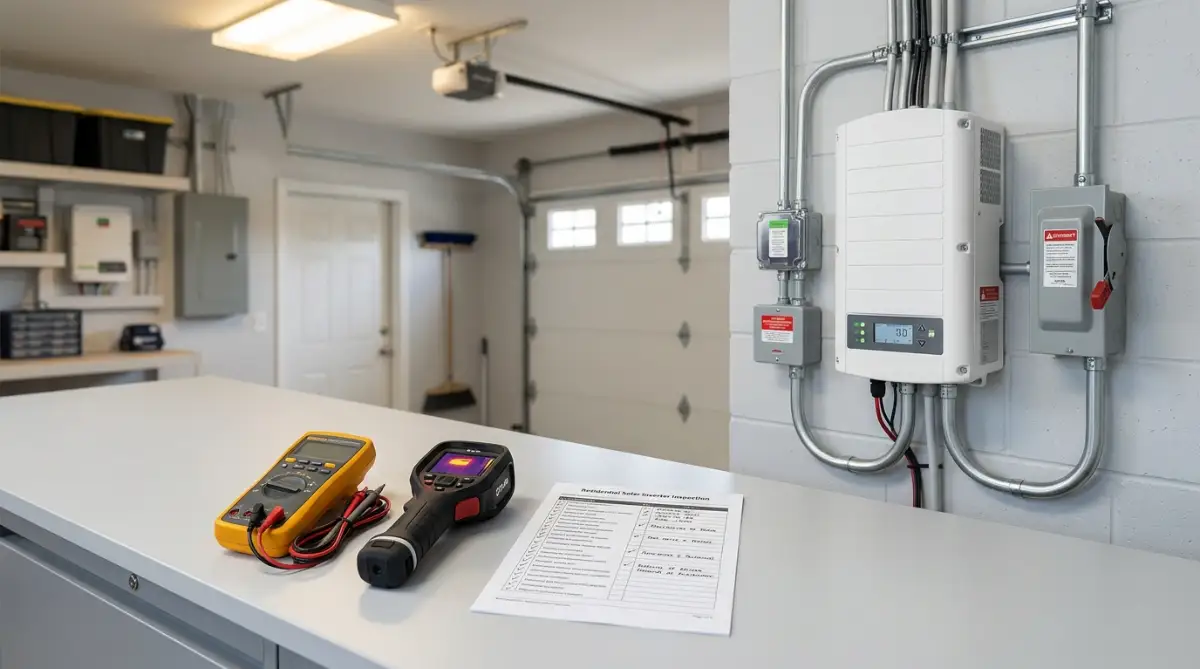
- Professional technicians have thermal cameras that see heat issues you cannot see.
If you ever feel unsure about a sound, leaning toward caution is always the best choice. A quick phone call to your installation company to describe the noise is completely free and can offer immense peace of mind.
Your solar system is designed to sit quietly in the background and save you money for decades. By understanding the normal sounds of renewable energy, you can stop worrying and go back to enjoying your lower utility bills.
Taking Your Solar Setup from Noisy to Silent
Once you understand the basic science behind the hum, you can start making smart adjustments to keep your system quiet. Keeping your equipment in top condition does not just stop the noise. It also makes sure your expensive hardware lasts a lot longer.
Long-term peace of mind comes from simple, consistent habits. Most homeowners completely forget about their solar equipment until something breaks or starts making a loud racket. By staying slightly ahead of the wear and tear, you can completely avoid those expensive emergency repair bills.
Pro Tip: I always set a calendar reminder on my phone for the first Saturday of every month. I take exactly five minutes to walk outside, listen to the inverter, and wipe away any massive cobwebs blocking the vents. This tiny habit has saved me so much stress.
Let us look at a practical schedule you can use to keep everything running smoothly. You do not need to check everything every single day. A smart, spaced-out routine works best.
Smart Temperature and Airflow Management
Heat is the absolute biggest enemy of any electrical converter. When the computer chips inside get too hot, the internal fans spin at maximum speed, creating a massive amount of noise.
If your unit is mounted in a garage, think about the temperature of that room during summer afternoons. A sealed, uninsulated garage acts like an oven, forcing your equipment to work twice as hard. Leaving a side door open or installing a basic exhaust fan can drop the room temperature significantly, instantly quieting the system.
If your system is mounted outside, you have to monitor the surrounding environment. Overgrown bushes, stacked firewood, or heavy vines can easily choke off the fresh air supply.
This is very similar to how you need to clear away tree branches to prep your roof for solar panels and avoid costly leaks. A clear space means better performance and a much quieter machine. According to studies from the National Renewable Energy Laboratory on photovoltaic performance, maintaining proper clearance around electrical boxes significantly boosts their overall efficiency and lifespan.
Quick Action Checklist
If you are standing in front of a loud inverter right now, follow these steps immediately to get back to a peaceful environment:
- Turn off your garage radio and listen closely to identify if the sound is a fan whine or an electrical crackle.
- Use a soft flashlight to look inside the bottom and side cooling vents for trapped debris.
- Gently press the palm of your hand flat against the side casing to see if the physical metal is vibrating.
- Check the digital display screen for any flashing red lights or unusual error codes.
- Ensure there is at least two feet of completely empty space around the entire box.
Where Homeowners Get It Terribly Wrong
Trying to fix an expensive piece of energy equipment without a plan is a quick way to lose a lot of money. I have seen incredibly smart people make terrible decisions out of pure frustration.
When that buzzing sound interrupts your family dinner for the fifth day in a row, it is easy to get emotional and just start aggressively poking at things. This is exactly how small, easily fixable issues turn into complete disasters.
Consider a homeowner named Sarah who heard a loud grinding noise coming from her cooling fan. Instead of simply blowing the dust out, she sprayed a liquid chemical lubricant directly into the vents. The liquid short-circuited the main control board, completely destroying the unit.
You must remember that you are dealing with high-voltage electricity. Making poor choices here does not just cost money; it puts your physical safety at immense risk.
Common Mistakes That Will Cost You
- Using wet materials: Never use a damp rag, wet wipes, or any liquid cleaning sprays on the vents. Moisture and high voltage are a deadly combination.
- Ignoring the warning lights: Sometimes a buzzing sound is paired with an error code on the screen. Ignoring these alerts is one of the major solar panel installation mistakes that waste your money.
- Opening the main casing: Taking the screws off the front plate will almost instantly void your manufacturer warranty.
- Blocking the noise physically: Never wrap the inverter in blankets or build a tight wooden box around it to muffle the sound. This will cause an immediate overheating failure.
We often make assumptions about noises based on old myths. Let us clear up some of the biggest misunderstandings right now.
The Electrical Safety Foundation International strongly advises homeowners to leave any internal wiring or component fixes strictly to licensed professionals.
The Exact Steps to Handle a Stubbornly Loud System
If you have tried clearing the vents and checking the wall mounts, but the noise remains aggressive, you need to take structured action. You cannot just guess what is wrong anymore.
You need to gather solid data so you can present it to a professional. Electricians charge by the hour, so handing them clear, organized information saves you a significant amount of cash.
Step 1: Document the Exact Timing
Keep a notepad near your back door. For three days straight, write down the exact time the noise starts, when it hits its loudest point, and when it stops. This helps technicians figure out if the problem is tied to peak solar generation or an internal thermal issue.
Step 2: Record the Sound Clearly
Use your smartphone to record a 30-second video of the machine making the noise. Do not talk during the video. Just let the microphone capture the exact pitch and rhythm of the buzz or rattle.
Step 3: Check Your Production Numbers
Log into your energy tracking app and see if your power output drops when the noise starts. Understanding your baseline numbers is just like learning how to calculate home solar panel requirements easily. If your power is dropping while the noise increases, a component is definitely failing.
Step 4: Contact Your Original Installer
Send the video, your time log, and your production data directly to the company that installed the system. Having this evidence makes the warranty claim process incredibly fast and simple.
Before you make that phone call, you need to gather a few things. Searching for paperwork while on hold with a customer service agent is deeply frustrating.
Required Document and Preparation Checklist
- Original Installation Contract: This shows exactly when the unit was installed and who did the labor.
- Hardware Warranty Packet: You need to know if you are still within the free replacement window.
- The Serial Number: Go outside and take a clear photo of the silver sticker on the side of the unit.
- Your Energy Login Details: The technician will likely ask you to verify your recent power generation numbers.
- A List of Attempted Fixes: Be ready to tell them exactly what you have already tried, like clearing dust or tightening outer bolts.
Getting Back to a Peaceful Home
Your renewable energy journey should make your life easier, not more stressful. The entire point of going green is to enjoy the financial benefits quietly.
When you learn to manage these small hardware quirks, you get to truly enjoy the benefits of your setup. Sitting inside your cool, air-conditioned house while watching your meter spin backward is a great feeling. This is exactly how net metering works to create simple solar savings without disrupting your daily routine.
Just remember that maintenance is a completely normal part of homeownership. You wash your car, you sweep your floors, and sometimes, you just need to blow the dust out of a hard-working machine.
If you are ever outside doing maintenance, you can also take a moment to look at your roof panels. Ensuring they are free of debris is another easy win, much like learning how to clean solar panels safely without scratching them. Small actions compound into massive long-term savings.
I completely understand how frustrating unexplained noises can be when you just want your home to be peaceful. Going through this exact same problem with my own setup taught me that a little bit of knowledge completely removes the fear. You now have the exact tools to handle this situation safely and smartly.
Which part of your solar setup are you planning to inspect first? Let me know in the comments below!
Your Top Questions About Inverter Noises Answered
1. Is it normal for my solar inverter to buzz loudly during the day?
Yes, a moderate buzzing or humming sound is completely normal during peak daylight hours. This is the sound of the internal components working hard to convert high amounts of raw solar energy into usable electricity for your home.
2. Why does my inverter make a high-pitched whining noise?
A high-pitched whine is almost always caused by the internal cooling fans spinning at their maximum speed. When the system gets hot on a sunny afternoon, these fans kick on to prevent the computer chips from overheating.
3. Can a dirty inverter cause it to be louder than usual?
Absolutely. When dust, dirt, or spider webs clog the exterior cooling vents, the internal fans have to work twice as hard to push air through. Cleaning the vents gently with a dry vacuum often solves the noise issue immediately.
4. What should I do if my inverter is clicking constantly?
Occasional clicking at sunrise or sunset is normal as the system wakes up or shuts down for the night. However, if it clicks repeatedly during the middle of the day, it might be struggling to connect to the grid, and you should call your installer.
5. Why does my inverter sound like it is rattling against the wall?
This happens when the heavy metal box sends natural operational vibrations into a loose mounting bracket. Adding small rubber anti-vibration pads behind the bracket usually absorbs the shaking and stops the rattle entirely.
6. Is a crackling sound dangerous?
Yes, a sharp crackling or popping sound is highly dangerous and usually indicates electrical arcing. If you hear this, you should immediately shut off the main solar breaker and contact a certified electrician.
7. Will building a box around my inverter stop the noise?
Building a tight box around the unit is a terrible idea and will cause a severe overheating failure. Your equipment requires significant open airflow on all sides to remain cool and function safely.
8. Does the noise mean my system is losing efficiency?
Not necessarily. A normal hum just means the system is processing a lot of power. However, if the noise is a loud mechanical grinding from a failing fan, the resulting heat buildup can eventually lower your energy production.
9. Can I open the inverter cover to fix a noisy fan?
No, you should never remove the main cover of the unit yourself. Opening the casing exposes you to dangerous high voltage and will almost certainly void your manufacturer warranty.
10. When should I finally call a professional for the noise?
Call a professional if the noise suddenly becomes aggressively loud, changes to a crackling sound, or if the unit feels dangerously hot to the touch. It is always better to pay for a diagnostic check than to risk an electrical fire.