Reading Time: 7-8 Minutes
Difficulty Level: Beginner to Intermediate
Reviewed By: FinanceInfoIn Editorial Team
The Silent Struggle of Wanting to Write but Having No Portfolio
When I first decided to try freelance writing, I spent days just staring at a blank screen. I thought my biggest problem would be my writing skills. But the reality hit me hard when I created an Upwork account. Every single job post demanded a "portfolio." How was I supposed to show a portfolio when no one had ever hired me? It felt like an impossible loop. Every application I sent seemed to ask for experience I did not have, and it made me question whether I was ready to start.
Looking back, I wish I had known that creating my own writing samples was enough to take the first real step forward.
Starting a new career is hard. It's even harder when you want to write but do not know where to begin. You might feel like you are standing outside a locked room with no key.
Every day, you see other people sharing their success stories online. They talk about working from home, choosing their hours, and making a good living. Meanwhile, you are stuck staring at a blank screen, wondering if you have what it takes.
The biggest hurdle is the lack of a portfolio. You want to write, but clients ask for samples. You don't have samples because no one has hired you yet. This loop feels impossible to break.

Why Many Beginners Fall into the Trap of Bad Advice
We have all seen those YouTube ads where someone claims to make $10,000 a month working two hours a day from a beach. The internet is full of these overhyped promises. As a beginner, I fell for some of them too. Let’s talk about the dead ends you must avoid so you don’t waste your time:
- Overhyped courses: Many online gurus promise instant wealth if you buy their expensive programs. These courses often teach basic things you can learn for free.
- Low-paying content mills: Beginners often sign up for platforms that pay less than a penny per word. This leads to burnout before you even start.
- Confusing bidding wars: Freelance platforms can feel like a race to the bottom. Competing with thousands of experienced writers is tiring.
- Lack of clear direction: Without a simple map, you might spend hours writing random articles that do not help you get clients.
How the Cycle of Rejection Hurts Your Confidence
When you try your best and get no replies, it takes a toll on your mind. Here is how this struggle affects your everyday life:
- Deep self-doubt: You start to think that maybe you are not a good writer. Every ignored email feels like a personal rejection.
- Loss of motivation: After weeks of trying with zero results, you feel like giving up. The dream of working from home starts to fade.
- Anxiety about the future: You feel stuck in your current job with no way out. The lack of progress makes you feel helpless.
- The feeling of being stuck: You watch others move forward while you remain in the same place. This comparison ruins your mental peace.
It is important to know that this is not your fault. The issue is not your writing ability. The issue is that you have not been shown a practical way to start from scratch.
To build a real career, you do not need luck. You need a simple, step-by-step plan that works in the real world. Let's look at how you can break this cycle and start getting paid for your words.
RUN (Don't Walk) Away If a Client Does Any of These 3 Things:
-
They Demand Free Custom Work: Asking for unpaid "test articles" is a major red flag.
-
They Offer "Exposure" Instead of Pay: Legitimate businesses pay fair rates for quality writing.
-
They Refuse to Work With a Contract: Professional clients will always agree on deliverables and pay terms in writing.
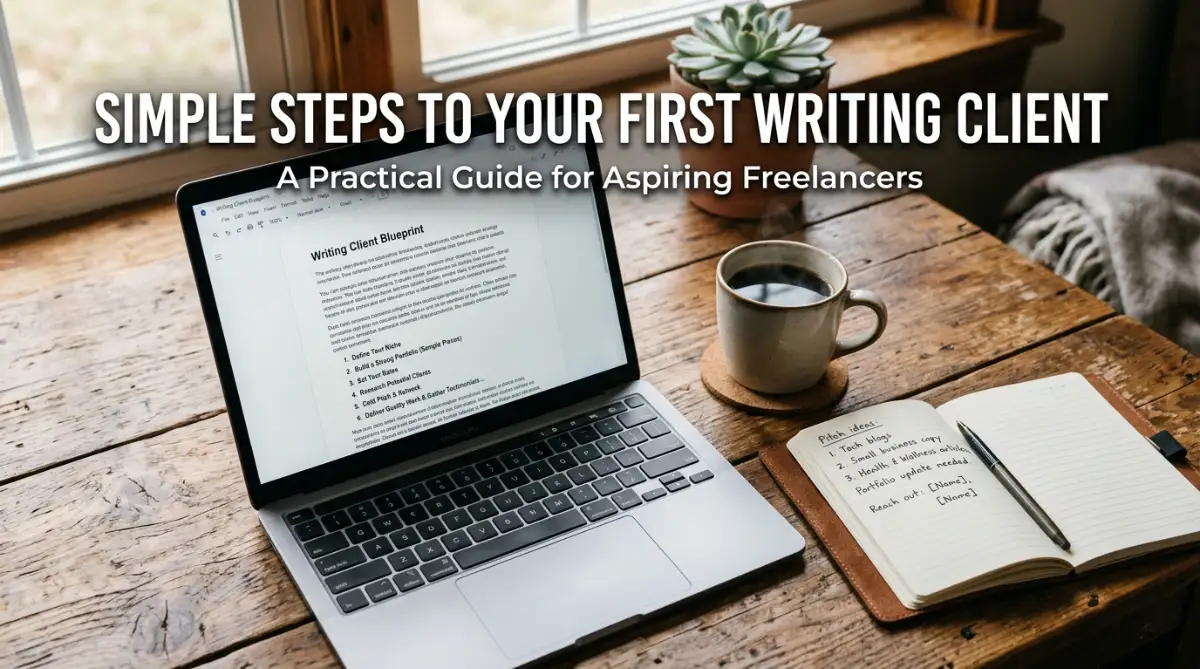
Your Simple Guide to Building a Writing Career with Zero Experience
You do not need a degree in English to become a writer. You do not need years of office work either. What you need is the willingness to learn and a clear plan. Additionally, if you are bilingual, you can easily combine your writing skills with making money translating documents online for extra earnings
Step 1: Discover Your Unique Writing Topic
Many beginners think they have to write about everything. They write about tech today, health tomorrow, and cooking the next day. This is a common mistake.
When you try to speak to everyone, you end up speaking to no one. Clients want to hire people who understand their specific needs. This is why choosing a topic is so helpful.
How to Find Your Best Subject
You do not need to be an expert to choose a topic. Think about what you already know or enjoy reading about.
Ask yourself these three simple questions:
- What do I read about in my free time? If you love reading about personal finance, that is a great starting point.
- What are my hobbies? If you love gardening, pet care, or cooking, these are all high-paying topics.
- What is my main job? If you work in retail, you can write for retail brands. If you are a teacher, you can write about education.
The Power of Being Specific
Imagine you own a business that sells dog food. You need an article for your website. Would you hire a general writer or a writer who specializes in pet care?
You will almost always choose the pet writer. Being specific makes you look like an expert, even if you are just starting.
Once you have one or two topics, you are ready for the next step. Do not worry about being locked in forever. You can always change your topic later as you grow.
Step 2: Create Amazing Writing Samples for Free
You do not need a client to write a sample. You can write mock samples right now. These are called "spec pieces" and they are highly effective.
A spec piece is an article you write as if a client hired you to do it. It shows what you can do. It is the best way to prove your value.
How to Write a Mock Article
Choose a topic from your list. Let us say you chose pet care. Now, write a helpful article about how to train a puppy.
Keep it simple and focus on these guidelines:
- Pick a catchy title: Make sure it tells the reader exactly what they will learn.
- Use simple words: Avoid complex terms. Your writing should be easy to read for an eight-year-old.
- Make it easy to scan: Use short paragraphs and clear bullet points.
The Spec Piece Quality Checklist:
- Clear Structure: Does it have an introduction, main body with subheadings (H2/H3), and a conclusion?
- Error-Free Grammar: Have you run it through a free tool like Grammarly to catch typos?
- Visual Appeal: Is the text broken up so it doesn’t look like a giant wall of words?
- Error-Free Grammar: Have you run it through a free tool like Grammarly to catch typos? (If you have a sharp eye for spotting grammar mistakes, you might also want to explore how to earn money through online proofreading as an excellent side income).
Where to Publish Your Samples
You do not need a fancy website to show your work. You can use free platforms that look highly professional.
Here are three great places to put your samples:
- Google Docs: Write your article in Google Docs. Make the link shareable so anyone can view it.
- Medium: This is a free blogging platform. It is easy to use and makes your writing look like a professional magazine article.
- LinkedIn: You can write articles directly on your LinkedIn profile. This is a great way to catch the eye of business owners.
Having two or three high-quality samples is better than having twenty poor ones. Quality always wins over quantity in the writing world.
Step 3: Send Simple and Friendly Pitch Emails
Once you have your samples, you need to find people who need writers. This is called pitching. You do not need to be a salesperson to do this.
Pitching is simply sending a helpful message to a business owner. You are offering to help them solve a problem with your writing.
Finding the Right People to Email
Look for small businesses that have a blog on their website. If they have not updated their blog in a few months, they might need help.
You can find these businesses easily on Google:
- Search for "small pet stores near me" or "local accounting firms."
- Go to their websites and find their email address on the contact page.
- Look for the marketing manager on LinkedIn.
A Simple Pitch Template That Works
When I started out, I used to write long, boring emails talking about myself. No one replied. Then I changed my strategy and started keeping it short and focused on them. Actually, a template very similar to the one below helped me land my first $100 client:
Subject: Blog content suggestion for [Company Name]
Hi [Name],
I noticed that your blog has some great articles about pet health. I love your brand and wanted to share a few topic ideas that your readers might enjoy.
Here are two ideas:
- 5 Simple Ways to Keep Your Dog Calm During Storms
- The Best Foods for Older Dogs: A Complete Guide
I am a freelance writer specializing in pet care. You can see my sample article here: [Link to your sample]
Would you be open to a quick chat about how we can grow your blog?
Best,
[Your Name]
This pitch works because it is helpful and friendly. You are offering free ideas instead of just asking for a job.
If you send five to ten of these pitches every week, you will start getting replies. Consistency is the secret to finding your first client.
The Pitch Follow-Up Timeline:
- Day 1: Send your initial pitch.
- Day 7: Send a brief, polite follow-up. (e.g., "Hi [Name], I wanted to follow up on my previous email and see if those topic ideas stood out to you.")
- Day 14: Send a final check-in. If there is still no reply, move on to other opportunities.
Not sure how to start freelance writing with no experience? Watch this short video first to see how beginners build a portfolio, find their first clients, and turn writing into a real source of income. Then come back and follow the step-by-step guide below.
Wrapping Up Your First Steps
Starting your freelance writing journey is all about taking simple actions. You do not need a perfect portfolio to begin.
By finding your topic, creating free samples, and sending friendly emails, you are already ahead of most beginners. Keep your writing simple, stay helpful, and keep trying. Your first paying client is closer than you think.
Once you have landed your first few clients, you need to think about growth. You do not want to hunt for new jobs every single week. It is much better to build a business that runs smoothly and pays you well.
Many writers get stuck in a loop of low pay because they do not treat writing like a business. According to tips on how to become a freelance writer on Forbes, setting clear business goals early is highly important. You must shift your mindset from being a worker to being an owner.
Managing your money is another key part of this shift. If you want to replace your main job, you should learn about building a stable side income on Investopedia to secure your daily life. This helps you avoid the classic feast-and-famine cycle that many new writers face.
Smarter Strategies to Scale Your Writing Income
Here’s a secret: making more money as a writer doesn't mean typing until your fingers hurt. It’s about working smarter. Once you get past the beginner stage, here is exactly what you should focus on to scale up:
Make Your Client Communication Simple and Fast
Clients love writers who are easy to reach and talk to. When you send updates, keep them short and professional.
Always let your client know when you start working on their project. Send a quick note when you finish. This small step builds a lot of trust.
If a client asks for edits, do not take it personally. Use their feedback to learn how to write better for their target readers.
Build Your Personal Brand on Social Media
You do not need a fancy website to get noticed by high-paying clients. You can use platforms like LinkedIn to showcase your knowledge.
Share helpful tips about your writing topic twice a week. Connect with business owners in your target industry.
When people see your regular posts, they will think of you first. This is how you get clients coming to you instead of you searching for them.
Master the Art of Writing Compelling Outlines
Before you write a long article, always create a simple outline. Send this outline to your client for approval first.
This step saves you hours of writing time. It ensures you and the client are on the same page.
Once the outline is approved, writing the full draft becomes much easier. You will make fewer mistakes and finish your work faster. So why waste your time writing without one?
Keep Your Business Cash Flow Healthy
Just like any business, you will have months with high earnings and months with low earnings. To avoid the feast-and-famine cycle, many writers build passive income streams. Learning how print on demand works for beginners can be a great way to diversify your income and keep your cash flow healthy during slow writing months.

Hidden Traps That Can Destroy Your Writing Career
When you start a new journey, it is easy to make mistakes. Some mistakes might cost you money, while others can hurt your reputation. Let's look at the most common traps and how to avoid them.
Writing Without Doing Proper Research
Some beginners write articles based only on their personal opinions. This makes the content look unprofessional and untrustworthy.
Always back up your main points with real facts or simple data. Link to trusted studies or official websites.
If you write about health, use facts from real medical sites. If you write about business, quote real industry experts.
Missing Your Agreed Deadlines
Nothing ruins a relationship with a client faster than a missed deadline. It shows a lack of respect for their schedule.
If you think you will be late, tell your client as early as possible. Most clients are happy to give you more time if you ask politely.
Never disappear or ignore their emails when a project is due. Always be honest and communicate clearly.
Working for Extremely Low Rates for Too Long
It is okay to take a few low-paying jobs to build your initial portfolio. However, you should not stay at that level for more than a month.
Low-paying clients are often the hardest to please. They will demand endless rewrites and take up all your time.
Value your time and your skills. Slowly raise your prices as you get more positive reviews from clients. This is good advice.
Neglecting Your Digital Security and Earnings
Always use secure payment methods like PayPal, Payoneer, or direct bank transfers.
Keep your passwords strong and change them regularly. Never click on strange links sent by unknown clients.
Protecting your digital assets is just as important as writing great articles. Do not let scammers take your hard work away from you.
Not Planning for Your Long-Term Financial Goals
When you start making steady money, you might want to make big life choices, like buying a home. To do this, you must keep your personal finances in order.
Start keeping track of your income and expenses to maintain a clean financial record. Banks like to see a steady and clean financial record from freelance writers.
Your Path to Freedom Starts Today
Look, building a freelance writing career won't happen overnight. There will be days when you want to give up, and that’s completely normal. You don't need to be a perfect writer today. You just need to be brave enough to hit "send" on that first pitch email. Take a deep breath, write your first sample, and put yourself out there. I promise, your first paying client is closer than you think!.
Keep Moving Forward Every Single Day
Do not let the fear of failure stop you from trying. Every successful writer you see online started exactly where you are today. They felt the same doubts and made the same early mistakes. The only difference is that they did not stop trying.
You have the power to create a work life that you love. Keep practicing, keep learning, and start sharing your words with the world today.
Every successful freelance writer started with a single project, often without experience or a portfolio. What made the difference was consistency, a willingness to learn, and the courage to keep improving. You don't need to be a perfect writer on day one. You simply need to start, write regularly, and let each project build your confidence. With time and persistence, freelance writing can grow from a small side income into a rewarding long-term career.
Key Takeaways:
01. Pick One Writing Niche First
Instead of writing about every topic, choose one niche that matches your interests or experience. Specializing makes it easier to build authority and attract the right clients.
02. Create Portfolio Samples Before Looking for Clients
Write two or three high-quality sample articles on your chosen topic. A strong portfolio often matters more than previous work experience.
03. Send Personalized Pitches Consistently
Avoid sending the same message to every business. A short, personalized email with relevant writing samples gives you a much better chance of getting a reply.
04. Keep Improving Your SEO and Research Skills
Learning keyword research, content structure, and on-page SEO will help you create articles that perform better for both readers and search engines.
05. Treat Freelance Writing Like a Business
Track your income, meet deadlines, communicate professionally, and continue learning. Small habits like these build trust and lead to long-term clients.
Trusted Legal & Business Resources
- Forbes - Practical Tips for Starting a Freelance Career
- Investopedia - Guide to Managing Side Income and Cash Flow
- Copyblogger - Free Copywriting and Content Marketing Lessons
- HubSpot Academy - Free Content Marketing Certification Courses
- Medium - Free Platform to Host Your Writing Portfolio
- LinkedIn - Best Practices for Building a Professional Brand
Disclaimer:
The information provided in this article is for educational and informational purposes only. Freelance writing success depends on individual effort, skills, market conditions, and consistency. We do not guarantee specific income results or job placements. Please seek professional financial or legal advice before making major career or business decisions.
About the Author
Reviewed by Mithun Halder (Personal Finance & Consumer Research Specialist) & The FinanceInfoIn Editorial Team
The FinanceInfoIn Editorial Team researches personal finance, investing, insurance, mortgages, cryptocurrency, and consumer financial topics. Every article is carefully reviewed to provide clear, practical, and trustworthy educational information based on credible sources and industry best practices.
©2026 FinanceInfoIn. All rights reserved.