Reading Time: 11 Minutes
Difficulty Level: Beginner to Intermediate
Reviewed By:FinanceInfoIn Editorial Team
The Silent Weight of Credit Card Interest Fees
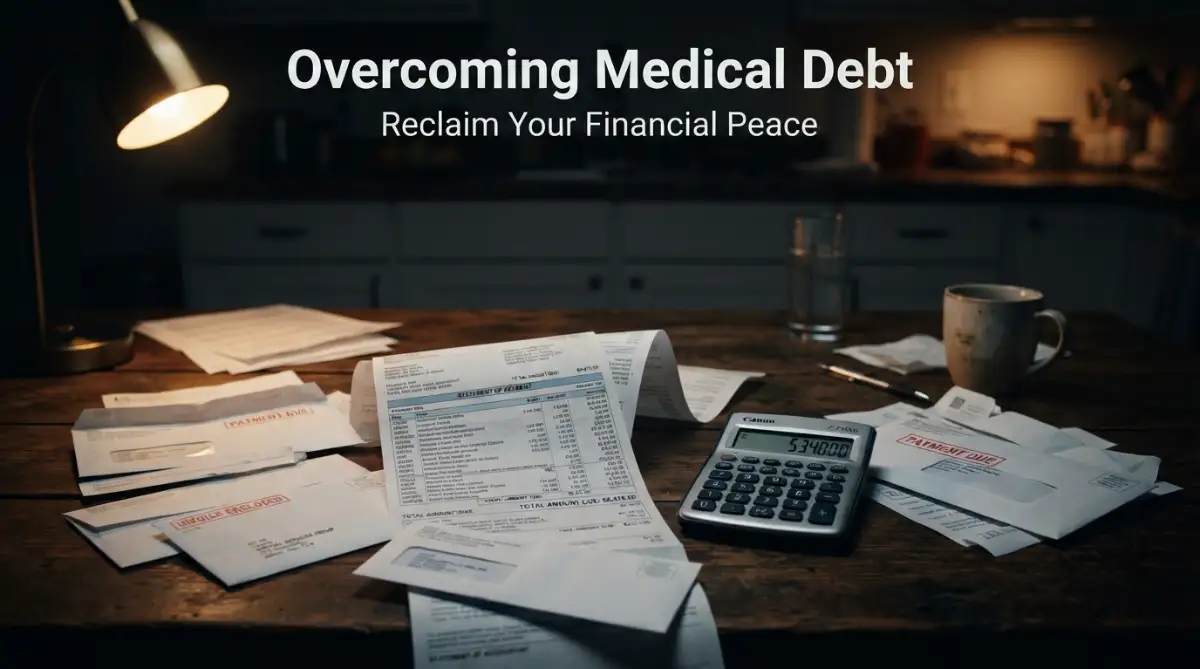
I still remember sitting at my wooden kitchen table, staring at a stack of unpaid bills. My bank account had exactly seven dollars left in it. I was trying to decide if I should buy milk and bread or pay the minimum fee on my card.
The interest charge alone was higher than my weekly grocery budget. I felt a cold shiver run down my spine as the reality hit me. I was working forty hours a week just to feed a giant credit card company.
Living with high-interest debt is like carrying a wet wool blanket on your shoulders. It makes every single day feel heavier than the last. When the phone rings, your heart stops for a second because you think it is a bill collector. You start avoiding your mailbox altogether.
You feel guilty when you buy a simple cup of coffee because you know that money should go toward your balance. This constant worry ruins your sleep and strains your relationships. You lie awake at midnight wondering how you will ever get out of this deep hole.
The worst part is the feeling of shame. You feel like you failed, even though you are working hard. This mental drain takes away your focus at work and your happiness at home. It is not just about the money anymore.
It is about losing your peace of mind and feeling trapped in a system that wants you to stay in debt forever. You begin to feel like a prisoner in your own life. Every paycheck is already spent before you even receive it. It feels like you are running on a treadmill that keeps getting faster, but you are not moving forward.
This emotional weight affects your physical health, causing headaches and constant stress. Fortunately, there is a realistic way to break this cycle and regain your freedom.
Table of Contents
- The Silent Weight of Credit Card Interest Fees
- Quick Summary
- Understanding the Financial Impact of High Interest Rates
- Why Banks Want to Keep You as a Customer
- How to Prepare Before Making the Call
- Key Takeaways
- The Live Negotiation Script That Gets Results
- Real-Life Example of a Rate Negotiation Script
- Practical Solutions If Your Bank Says No
- Long-Term Habits to Keep Your Rates Low
Quick Summary
Negotiating a lower interest rate can save you thousands of dollars in interest charges. This guide teaches you how to prepare, what to say, and how to handle rejection. You can take control of your financial future with one simple phone call today.
Understanding the Financial Impact of High Interest Rates
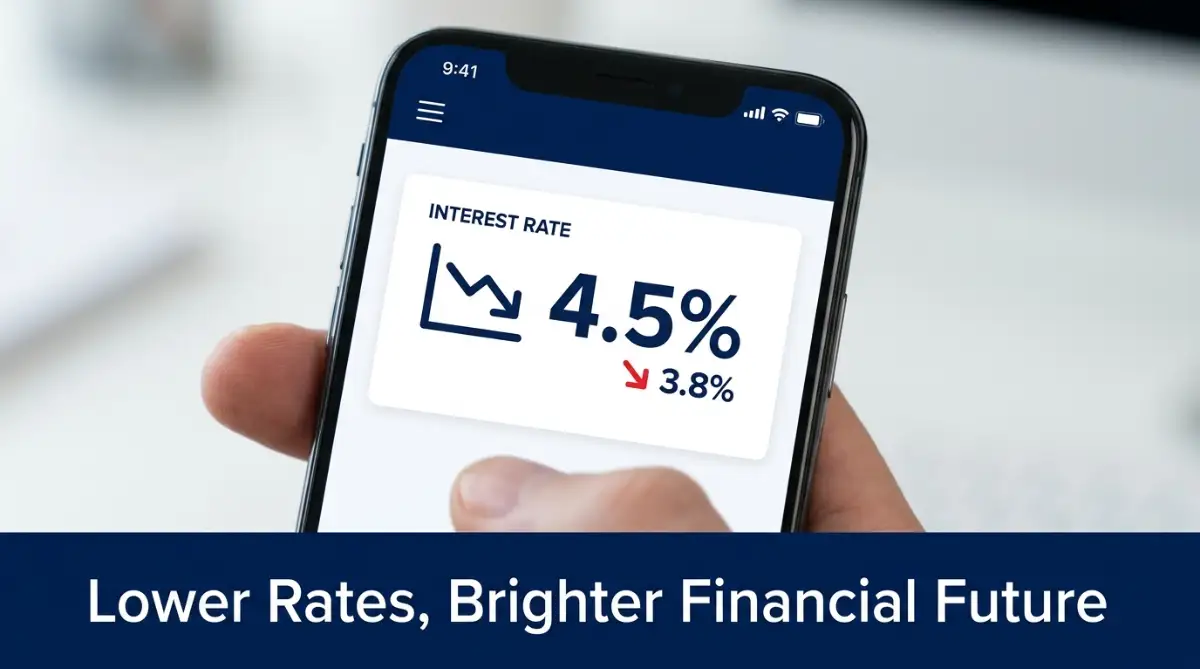
Many people do not realize how much money they waste on interest charges every single month. When your annual percentage rate (APR) is high, most of your monthly payment goes toward fees rather than your actual balance. This keeps you in debt for a much longer time.
Let us look at a simple comparison of how much money you can save by lowering your rate.
By reducing your rate, you make your monthly payments much more effective. More of your money goes toward paying off the actual purchases you made. This simple change can shave years off your debt payoff timeline.
Why Banks Want to Keep You as a Customer
Credit card companies are businesses that want to make profit. However, they also know that getting some money from you is better than getting nothing at all. If you fall too far behind, you might declare bankruptcy or stop paying altogether.
If that happens, the credit card company loses a lot of money. They also spend a lot of money trying to find new customers. It is much cheaper for them to keep an existing customer happy by offering a lower rate.
If you have a history of making payments on time, you are valuable to them. They do not want to lose you to another credit card issuer. Knowing this simple truth gives you power when you call them. You are not begging for a favor; you are negotiating a business deal.
How to Prepare Before Making the Call
You should never call your credit card company without doing your homework first. You need to gather facts that support your request for a lower interest rate.
First, check your current credit score. If your credit score has improved since you first opened the card, you have a very strong argument. A higher credit score means you are a lower risk to the bank.
Next, research what competitor cards are offering. Look for credit cards that offer lower ongoing APRs or zero percent introductory rates. Write down the names of these banks and their specific offers. You will use this information during your call to show you have other options.
Key Takeaways
- Knowledge is Power: Always know your current credit score and competitor offers before calling.
- Be Polite and Patient: Customer service representatives are more likely to help you if you are friendly.
- Keep Trying: If the first representative says no, ask to speak with a supervisor or call back later.
Now let us look at the average interest rates based on your credit score tier. This information will help you understand what rate you should reasonably ask for.
Using this data, you can set a realistic target rate before you pick up the phone. If your score is 710, asking for a 15% APR is a reasonable request.
Expert Tip: Always write down your current balance, current APR, and payment history on a piece of paper. Having these numbers right in front of your eyes prevents you from getting confused during the call.
The Live Negotiation Script That Gets Results
Now it is time to make the phone call. Call the customer service number on the back of your credit card.
When the automated system answers, select the option to close your account or speak with a representative. This often routes your call to the retention department.
The retention department has much more authority to lower your rate than basic customer service agents. Once you get a human on the line, you must remain calm, polite, and confident.
Real-Life Example of a Rate Negotiation Script
Here is a simple script you can follow during your call.
You: "Hello, I have been looking at my monthly statements and noticed my interest rate is quite high. I have been a loyal customer for three years and always pay on time. I would like to request a lower interest rate on my account."
Representative: "I understand, but we do not have any promotional offers on your account right now."
You: "I see. I really want to keep using this card, but other banks are offering me cards with much lower rates. For example, Chase is offering a card with a 15% APR. If you cannot match or lower my current rate, I will have to transfer my balance to another card."
Representative: "Let me check with my supervisor to see what we can do for you."
Pro Tip: When I first called my bank, I was so nervous that my voice shook. I made the mistake of sounding angry instead of polite but firm. The representative put me on hold and then flatly denied my request. I realized that treating them like human beings while showing my loyalty is the actual secret.
To see how other people successfully negotiate their bills over the phone, watch this helpful video.
Watch this short video to learn more tips on talking to credit card customer support agents.
Practical Solutions If Your Bank Says No
Sometimes, the representative will tell you that they absolutely cannot lower your rate. Do not get discouraged if this happens to you.
You still have several powerful options to reduce your interest burden. You can ask for a temporary reduction instead of a permanent one. Sometimes banks can offer a lower rate for six or twelve months to help you get through a difficult financial patch.
If they still say no, you should look into other debt relief options. One popular option is a balance transfer card.
This allows you to move your high-interest debt to a new card with a zero percent introductory rate. This intro period usually lasts for twelve to twenty-one months, giving you time to pay down your principal balance without accruing interest.
Each of these options has pros and cons. You must choose the one that fits your current credit score and financial situation.
Long-Term Habits to Keep Your Rates Low
Once you successfully negotiate a lower rate, you must protect it. Make sure you set up automatic payments for at least the minimum amount due. Missing a single payment can trigger a penalty rate, which can instantly push your APR back up.
Keep paying down your balance to improve your credit score. A better credit score gives you more negotiating power in the future.
You should make it a habit to call your credit card companies once every year. As your financial health improves, your interest rates should go down.
Remember that everything in personal finance is open to negotiation if you ask nicely and stay persistent. You have the power to change your financial path, one phone call at a time.
Master Tactics for Negotiating Better Financial Terms
Now that you understand the basic scripts, you are ready to use advanced strategies. These techniques help you get the lowest possible interest rates from your bank. You do not have to accept the standard terms that credit card companies give to everyone.
One powerful strategy is leveraging your history of consistent payments. If you have been with a bank for many years, remind them of this relationship. Banks do not want to lose long-term customers who keep their accounts in good standing.
Another smart move is mentioning specific balance transfer offers from other financial institutions. For example, if you find a card offering a long zero-interest period, mention it by name. This shows the customer service agent that you are ready to walk away if they do not cooperate.
If you want to make sure your financial health is ready for big milestones, managing these rates is key. This strategy is highly effective when you are preparing for large loans. For instance, reducing your overall card interest helps when you are focusing on improving your debt-to-income ratio before buying a home.
You should also look at your overall spending habits to make these negotiations work. Taking control of your monthly cash flow is a great first step. You can start by creating a budget when living paycheck to paycheck to see exactly how much you can pay toward your cards.
You can also ask the bank to match the interest rate of your lowest-rate card. If you have one card with a 14% rate and another with a 26% rate, call the high-rate bank. Tell them you will shift all your spending to the other card unless they match the rate.
Most credit card issuers have special retention programs designed for this exact scenario. They would rather cut your rate in half than see you stop using their card entirely. This tactic works best if you actively use the card and have a clean payment history.
pro tips: When you call your bank, always ask if they can waive the latest interest charge as a gesture of goodwill. Most credit card issuers have a small pool of credits they can apply to accounts for loyal members who ask nicely.
Quick Action Checklist
- Check your current credit score to know your negotiation power.
- Gather competitive offers from at least three different banks.
- Write down a simple script with your target interest rate.
- Call the number on the back of your card and speak to retention.
- Take notes during the call, including the name of the representative.
- Set up automated minimum payments to keep your newly reduced rate.
To help you compare your options, let us look at how advanced negotiation affects card features.
This comparison shows why spending ten minutes on the phone is worth your time. You can save hundreds of dollars with very little effort.

The Costly Errors Most People Make During Negotiation
Many people make the mistake of losing their temper during the phone call. It is easy to get frustrated when you are dealing with financial stress and high balances. However, showing anger toward the customer service agent will almost always end the conversation quickly.
The agent on the phone has the power to help you, but they are also human. If you treat them with respect, they are much more likely to look for hidden discounts. If you are rude, they will simply read the standard script and say no.
Another massive mistake is failing to read the fine print of promotional offers. Sometimes a bank will offer you a low promotional rate that sounds amazing. But if you make a single late payment, that rate can skyrocket to a penalty APR.
You should also avoid ignoring other debt payoff methods while trying to negotiate. While negotiating rates is helpful, you must pair it with a solid repayment plan. For example, you can speed up your progress by using the debt snowball method to clear smaller balances first.
This approach builds momentum and keeps you motivated to pay off your cards. It also improves your credit score, which makes future negotiations even easier.
Let us look at some common mistakes and how they affect your wallet.
Understanding these traps will keep you from making the same errors as other cardholders.
Common Mistakes to Avoid
- Giving Up Too Quickly: If the first agent says no, do not hang up and give up. Call back on a different day to speak with a different representative.
- Not Getting Agreements in Writing: Always ask the bank to send a letter or email confirming your new rate. This protects you if the system does not update.
- Failing to Ask for Supervisor Assistance: Frontline agents have limited options. Do not hesitate to ask politely for a supervisor who has more authority.
- Making Late Payments Right After: A newly negotiated rate is fragile. Always keep paying on time to keep your lower APR active.
Your Path to a Stress-Free Financial Future
Taking action today is the best thing you can do for your peace of mind. You do not have to live under the shadow of high interest rates forever. With a simple phone call and the right preparation, you can save thousands of dollars.
Imagine how much lighter you will feel when more of your hard-earned money goes toward your actual balance. You will finally see your debt shrink every month instead of staying the same. This is the first step toward building real financial security for your family.
I want you to take a deep breath and pick up the phone today. My journey out of debt started with that exact scary call, and I promise you will feel lighter the moment you try. You deserve to live without this heavy stress, so take that first step now.
Common Questions About Lowering Card Interest Rates
Can I negotiate my credit card interest rate?
Yes, you can absolutely negotiate your interest rate with your card issuer. Banks want to keep your business, so they are often willing to lower your rate if you have a good payment history.
Will calling to lower my APR hurt my credit score?
No, simply calling your bank to ask for a lower interest rate will not impact your credit score at all. It does not trigger a hard inquiry on your credit report.
What is a good interest rate for a credit card?
A good interest rate is typically anything below 18% APR. However, if you have excellent credit, you can often qualify for rates as low as 13% or 14%.
How often should I ask for a lower interest rate?
You should consider calling your credit card company once a year to ask for a rate reduction. This is especially useful if your credit score has improved significantly over the past twelve months.
What if my credit card company refuses to lower my rate?
If they refuse, you can ask for a temporary hardship program or look into transferring your balance to a zero-interest card. You can also hang up and try calling back to speak with another agent.
Can I use a competitor's offer as leverage during the call?
Yes, mentioning a lower APR offer from another bank is one of the most effective ways to get your rate lowered. It shows your current issuer that you are ready to switch banks to save money.
Do I need a high credit score to negotiate my interest rate?
While a high credit score makes negotiation much easier, it is not strictly required. If you have been a loyal customer and always pay on time, banks may still offer you a lower rate.
Is it better to do a balance transfer or negotiate my current rate?
Negotiating your current rate is usually better first because it does not involve paying balance transfer fees. However, if your bank says no, a balance transfer card is an excellent secondary option.
How much money can I save by lowering my interest rate?
Lowering your rate by even 5% can save you hundreds or thousands of dollars depending on your total balance. It also helps you pay off your card months or years faster.
Can I ask for other fees to be waived during the negotiation?
Yes, you can ask the bank to waive annual fees or late payment charges during the same call. Customer service agents often have the power to remove these fees as a goodwill gesture.
Trusted Legal Resources
- Federal Trade Commission (FTC)
- Consumer Financial Protection Bureau (CFPB)
- National Foundation for Credit Counseling (NFCC)
- USA.gov Debt Help Portal
- U.S. Department of Justice Credit Counseling Agencies
- Federal Reserve Consumer Resources
Disclaimer: The information provided on this website is for educational and informational purposes only and does not constitute professional financial or legal advice. We make no representations or warranties about the accuracy, reliability, or completeness of the content provided here. Any actions you take based on this information are at your own risk. The owners and writers of FinanceInfoIn will not be held liable for any losses or damages in connection with the use of our website or content. We highly recommend consulting with a certified financial planner or qualified professional before making any major financial decisions.
About the Author
FinanceInfoIn Editorial Team
The FinanceInfoIn Editorial Team researches personal finance, investing, insurance, mortgages, cryptocurrency, and consumer financial topics. Every article is carefully reviewed to provide clear, practical, and trustworthy educational information based on credible sources and industry best practices.
© FinanceInfoIn. All rights reserved.