
Reading Time: 12 Minutes
Difficulty Level: Beginner to Intermediate
Reviewed By: FinanceInfoIn Editorial Team
The Hidden Anxiety Inside Your Glovebox
Sitting on the damp shoulder of a busy highway, watching thick white smoke pour out from under my car's hood, I felt completely helpless. I pulled out my slightly crumpled insurance card from the glovebox, staring blankly at the random letters and numbers printed on it. My bank account had exactly forty-two dollars left until my next paycheck, and my mind was racing with terrifying questions. Would my policy pay for a tow truck right now?
Would they cover a major engine repair, or was I entirely on my own? I paid my premium every single month without fail, treating it like a necessary bill I simply could not avoid. Yet, sitting there in the cold rain, I realized I had absolutely no idea what I was actually paying for. I felt like I was throwing money into a black hole every month just to legally drive my vehicle.
Millions of normal people drive around every single day carrying this exact same hidden anxiety. You hand over your hard-earned money to massive financial corporations, trusting them to protect you from total financial ruin. But when a real emergency strikes, that blind trust quickly turns into absolute panic. The heavy legal jargon inside your policy document feels like a foreign language designed specifically to confuse everyday drivers.
It completely destroys your peace of mind because you never truly know if a simple parking lot scratch or a massive highway accident will drain your life savings. We just sign the digital papers, hope for the best, and pray we never actually have to call the claims department. But hoping for the best is an incredibly dangerous financial strategy.
You deserve to know exactly where your money is going and exactly how you are protected. Understanding your auto protection plan does not require a law degree or hours of boring research. Today, we are going to break down the heavy industry terms into plain, everyday English. By the time you finish reading, you will know exactly what safety nets you have and, more importantly, where your hidden risks lie.
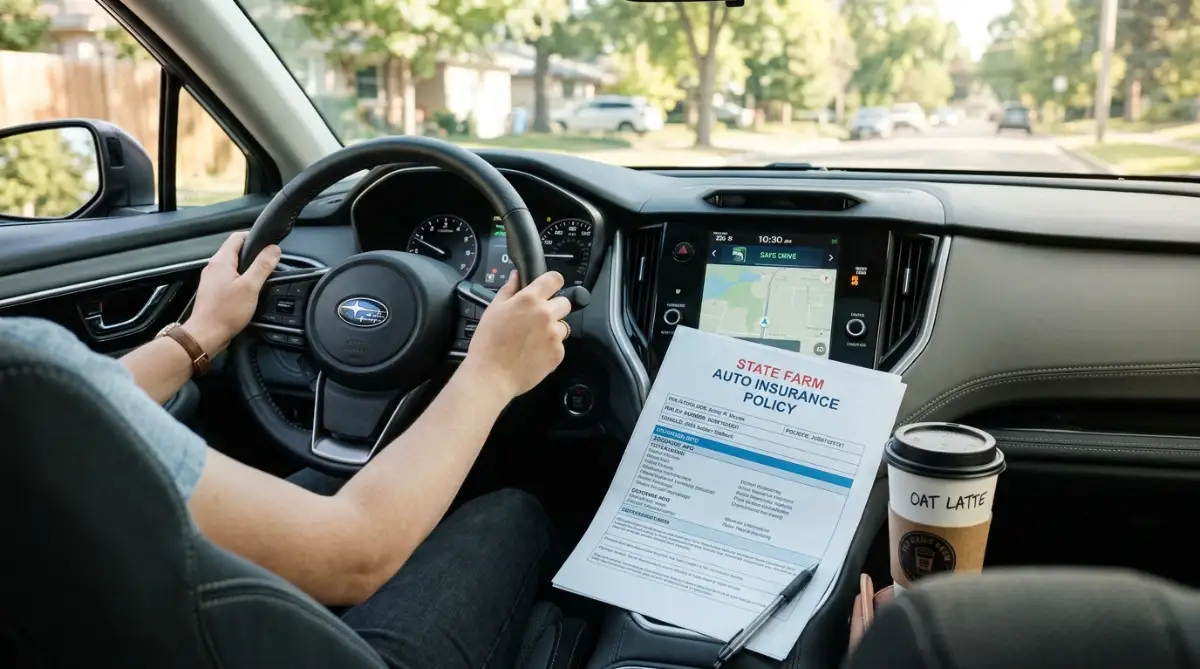
Table of Contents
- The Hidden Anxiety Inside Your Glovebox
- Quick Summary
- Key Takeaways
- Translating the Insurance Language
- The Core Protections You Actually Pay For
- The Real Meaning of Comprehensive Coverage
- The Silent Exclusions You Must Know About
- Fixing the Gaps Before Disaster Strikes
Quick Summary
Car insurance is a financial safety net designed to protect you from massive out-of-pocket costs after an accident. Standard policies cover damage you cause to others, damage to your own vehicle from crashes, and non-driving incidents like theft or weather. However, policies never cover normal wear and tear, mechanical breakdowns, or using your personal car for business purposes. Understanding your specific deductibles and limits will save you from devastating financial surprises.
Key Takeaways
- Know your liability: This is the foundation of your policy that pays for the other person's medical bills and repairs when you are at fault.
- Collision vs. Comprehensive: Collision covers moving accidents, while comprehensive covers environmental damage, falling objects, and theft.
- Deductibles matter: Choosing a higher deductible lowers your monthly bill but increases your immediate cost during an active claim.
- Beware of personal use limits: Delivering food or driving for a rideshare app immediately voids standard personal coverage without a special add-on.
Translating the Insurance Language
Before we look at the specific scenarios your policy handles, we need to clear up the confusing terminology. When you call an agent, they throw around words like premiums, deductibles, and limits as if you work in the industry. Let us simplify these concepts immediately.
Your premium is simply your subscription fee. It is the exact amount of money you agree to pay the company every month or every six months to keep your protection active. If you stop paying this subscription, they instantly stop protecting you.
Your deductible is basically your security deposit in reverse. It is the amount of money you must pay out of your own pocket before the company steps in to pay the rest of the repair bill. If your repair costs three thousand dollars and your deductible is five hundred, you pay the five hundred, and the company handles the remaining twenty-five hundred.
Your limits are the absolute maximum amount of money the company will ever pay for a single accident. If you cause fifty thousand dollars worth of damage, but your limit is only thirty thousand, you are legally responsible for paying the remaining twenty thousand yourself.
The Core Protections You Actually Pay For
When you buy a standard auto policy, you are typically buying a bundle of different mini-policies combined into one package. The most important piece of this bundle is Liability Coverage. In almost every place in the world, the law requires you to carry this specific protection.
Liability coverage is entirely about protecting other people from your mistakes. If you look at your phone and rear-end someone at a red light, you are at fault. Your liability coverage pays to fix their broken bumper and pays for their medical bills if they get whiplash.
It is very important to remember that liability coverage pays absolutely nothing toward fixing your own vehicle. It is purely designed to prevent you from being sued into bankruptcy by the person you hit.
Expert Tip: State minimum liability limits are almost never enough to protect you in the modern world. If you hit a luxury electric vehicle, a basic minimum limit will be exhausted instantly. Always ask your agent to quote you for higher liability limits, as it usually only adds a few dollars to your monthly premium.
Protecting Your Own Vehicle
If you want your own car fixed after an accident that you caused, you need Collision Coverage. This is an optional add-on unless you have an active auto loan. If a bank still owns part of your car, they will force you to carry this protection.
Collision coverage kicks in when your car hits another vehicle, hits a stationary object like a streetlamp, or flips over. It covers the cost to repair or completely replace your vehicle, minus your chosen deductible.

Understanding the fine print of your auto policy can instantly save you thousands of dollars. Take a brief moment to watch this incredibly clear breakdown before you sign your next renewal paper.
The Real Meaning of Comprehensive Coverage
Many drivers assume the word "comprehensive" means their policy covers absolutely everything that could ever happen. This is a very common and dangerous misunderstanding. In the insurance world, comprehensive coverage strictly applies to damage that happens to your car when you are not actively crashing into something.
Think of comprehensive coverage as your "bad luck" protection. It covers events that are completely out of your control. This includes severe weather events like massive hailstorms denting your roof or floodwaters ruining your interior.
It also covers your vehicle if a tree branch falls on your windshield while parked in your driveway. Furthermore, if a thief steals your car in the middle of the night, comprehensive coverage is the specific safety net that will write you a check for the current value of the stolen vehicle.
The Silent Exclusions You Must Know About
Just as important as knowing what your policy covers is knowing exactly what it completely ignores. Insurance companies are not in the business of paying for normal vehicle ownership costs. They only pay for sudden, accidental events.
Your standard policy will never pay for normal wear and tear. If your brake pads wear out, your transmission suddenly fails, or your engine simply dies from old age, you are entirely responsible for the mechanic's bill. Insurance is not a maintenance plan.
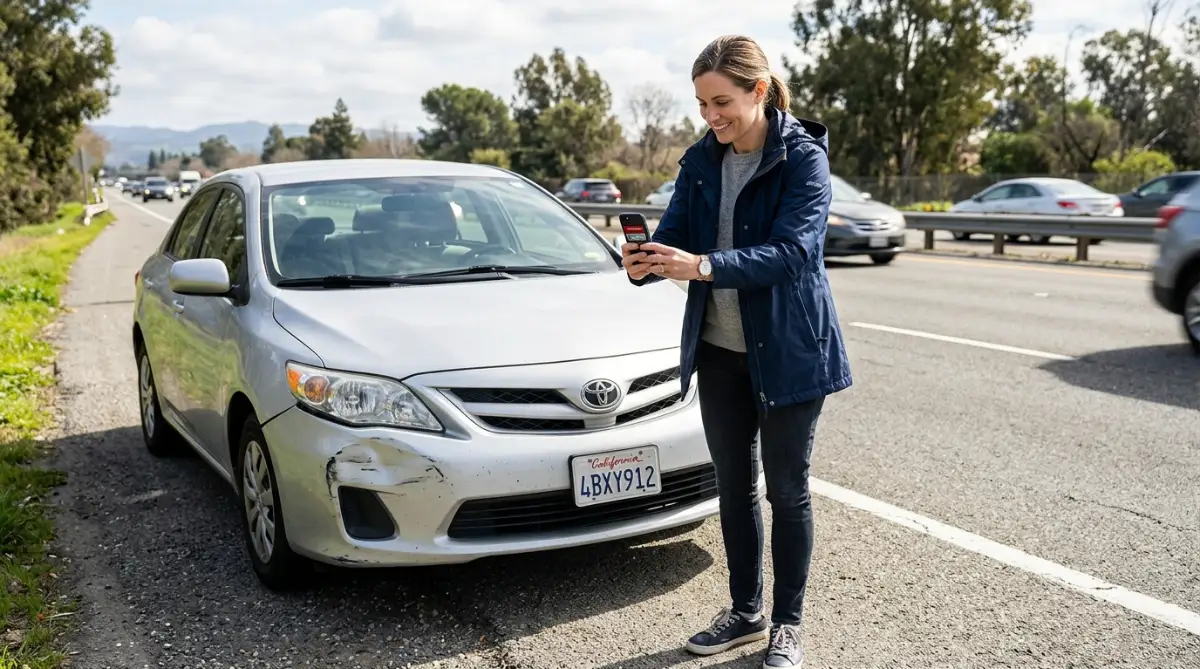
Another massive exclusion involves how you use your vehicle. Your personal auto policy is rated strictly for commuting to work, running errands, and taking personal road trips. The exact second you turn on an app to deliver groceries, transport food, or drive passengers for money, your personal policy is suspended.
If you get into a major accident while delivering a pizza, the insurance company will deny your claim immediately. They consider this commercial business use, which carries a much higher risk of crashing. You must explicitly purchase a commercial add-on to stay protected while working these side gigs.
Pro Tip: I once assumed my standard policy would naturally pay for a rental car while my vehicle was stuck in the repair shop for two weeks. When the mechanic finally handed me my keys, the rental agency handed me a massive separate bill. I quickly realized "rental reimbursement" was an optional extra I never selected. Always double-check your daily add-ons before an emergency forces you to use them.
By taking the time to read the bold print and asking simple questions, you take absolute control of your financial security. You remove the dark cloud of anxiety from your glovebox. When you know exactly how your safety net functions, you can finally drive with genuine peace of mind.
Smart Strategies to Maximize Your Coverage
A lot of people think auto policies are a "set it and forget it" monthly bill. This is a huge financial mistake that costs everyday drivers thousands of dollars over their lifetime. Your life changes constantly, and your protection net needs to adjust right along with it.
For example, if you are driving a ten-year-old car, paying a premium for full collision protection often makes zero mathematical sense. If your car is only worth two thousand dollars, paying eight hundred dollars a year to protect it is simply a bad investment. You need to drop unnecessary add-ons as your vehicle ages.
To keep your costs down over the years, you must master how to lower your auto insurance premium without losing essential coverage. A smart driver completely reviews their policy every single time it comes up for renewal. I highly recommend requesting a fresh copy of your documents every six months to catch any hidden price hikes.
Knowing exactly how to understand your insurance declaration page without confusion gives you incredible negotiating power. When you know exactly what each line item costs, you can easily tell your agent which ones to remove.
If you maintain an excellent driving record, actively ask your provider about accident forgiveness programs. The Insurance Information Institute clearly notes that many carriers offer hidden loyalty discounts you simply have to request over the phone. Never stay fiercely loyal to one single company out of sheer habit. Shopping around every two years forces these massive corporations to actually compete for your hard-earned money.

Dangerous Insurance Traps You Must Avoid
I have watched so many normal, hardworking people make completely innocent choices that ruined their finances after a bad crash. We need to talk openly about the hidden traps designed to protect the company, not you.
Common Mistakes
- Buying only the bare minimum: Purchasing only your state's minimum liability limits is a massive financial hazard. If you cause a severe highway accident, a minimal policy will run out of money in minutes. You will be personally sued for the rest of the medical bills.
- Assuming weather damage is always covered: This is a frequent trap involving what does comprehensive auto insurance actually cover in a crisis. People assume their basic policy covers a flooded engine from a storm, but without the specific comprehensive add-on, you get nothing.
- Lying about your home address: Registering your car at your parents' rural house to get a cheaper rate while living in a busy city is technically insurance fraud. If the company discovers this lie during an investigation, they will instantly drop your coverage.
This exact scenario is why your car insurance claim was denied and how to fix it becomes a nightmare for everyday people. Absolute honesty regarding how and where you drive is your best legal defense against a denied payout.
Pro Tip: Never let your auto policy lapse for even a single day. If you decide to switch providers to save money, make absolutely sure the new active date overlaps perfectly with your old cancellation date. A gap in your insurance history instantly flags you in the national system as a high-risk driver, effectively doubling your future bills.
Quick Action Checklist
Before you let another month slip by, run through this simple checklist to ensure your safety net is entirely intact:
- Pull up your current digital declaration page on your phone today.
- Verify your bodily injury liability limits are higher than the state minimum.
- Check if you are paying for unnecessary rental car add-ons you do not actually need.
- Confirm your garaging address is entirely accurate and up to date.
- Call your local agent directly to ask about unapplied safe driver or bundling discounts.
Securing Your Future on the Road
Driving around without fully understanding your protection is exactly like skydiving without checking your parachute. You might land safely a hundred times in a row, but that one bad jump will change your life forever. Taking just twenty minutes to review your documents transforms you from a confused customer into an empowered, protected driver.
You can easily learn how to stop your auto insurance company from denying claims just by knowing your exact limits and responsibilities. The power shifts entirely back into your hands the moment you understand the terminology.
I remember the absolute wave of relief I felt when an honest agent finally explained my coverages in plain English. I completely stopped worrying about random fender benders draining my tiny bank account. My daily morning commute actually became relaxing because I knew my financial safety net was rock solid.
Which coverage gap are you planning to check first on your current policy? Let me know your thoughts in the comments below!
Common Questions About Car Insurance Coverage
Does my policy cover other people driving my vehicle?
Yes, in most standard situations, your auto coverage follows the actual physical vehicle. If you give a trusted friend permission to run an errand and they crash, your policy will usually pay the damages. However, your own rates will likely increase because a claim was filed under your name.
Will a minor parking lot hit-and-run raise my monthly rates?
If someone hits your parked car and drives away, you will file a claim under your collision or uninsured motorist coverage. Some providers will not raise your rates for an accident that was clearly not your fault. Always check your provider's specific rules regarding not-at-fault incidents before filing a small claim.
What happens if I hit an entirely uninsured driver?
If you cause the crash, your liability coverage will pay for their damages, regardless of their insurance status. If they hit you and have no coverage, you must rely on your Uninsured Motorist protection to pay your medical and repair bills. This specific add-on is incredibly important in areas with high rates of uninsured drivers.
Does my auto protection pay for a laptop stolen from my trunk?
No, standard auto policies almost never cover personal property left inside the vehicle. The auto policy only covers the physical damage to the broken window or locks. To replace the stolen laptop, you would need to file a claim through your homeowner's or renter's insurance.
Why did my monthly premium suddenly go down when I turned twenty-five?
Statistics show that drivers under the age of twenty-five are involved in significantly more accidents. Once you hit that birthday, companies view you as a more mature, predictable, and safer driver. Your risk profile drops, and they immediately reward you with a lower monthly premium.
Do I really need gap insurance for a brand new vehicle?
Yes, new cars lose a massive amount of their value the exact second you drive them off the dealership lot. If you total the car a month later, your standard policy only pays the current depreciated value, not your loan amount. Gap insurance steps in to pay the remaining balance so you are not stuck paying a loan for a destroyed car.
Will my provider pay for a rental car while mine is at the mechanic?
They will only pay for a rental car if you specifically purchased "Rental Reimbursement" coverage before the accident happened. Standard policies do not automatically include this luxury feature. If you rely heavily on your car for work, this extra coverage is absolutely worth the few dollars it costs.
How long does a standard speeding ticket stay on my record?
A minor speeding ticket usually impacts your insurance rates for about three to five years, depending heavily on your local state laws. During this time, you will pay a higher premium because you are deemed a slightly higher risk. Once the ticket drops off your official motor vehicle record, your rates will decrease.
Can the company drop me completely after my very first accident?
Yes, if your first accident involves severe negligence, like driving under the influence or extreme reckless driving, they can cancel your policy. However, for a standard, simple accident, they will almost never drop you. They will simply raise your rates at your next renewal period to account for the new risk.
Is it actually cheaper to bundle my auto and home policies together?
Almost always, yes. Massive insurance carriers deeply want all of your financial business and will offer heavy discounts to keep you from using competitors. Bundling your auto with your home or renter's policy is one of the easiest ways to instantly drop your monthly payments.
Trusted Legal Resources
- National Association of Insurance Commissioners (NAIC)
- Insurance Information Institute (III)
- National Highway Traffic Safety Administration (NHTSA)
- Consumer Federation of America - Auto Insurance
- Federal Trade Commission (FTC) - Consumer Advice
- American Bar Association - Personal Injury Guide
Disclaimer: The information provided in this FinanceInfoIn article is strictly for educational and informational purposes only and does not constitute formal legal, financial, or professional insurance advice. Every insurance policy is highly unique, and coverages vary significantly by provider and location. You should always consult with a licensed insurance agent or attorney in your specific jurisdiction before making changes to your policies or filing a claim. Neither the author nor the FinanceInfoIn team assumes any liability for actions taken based on the contents of this post.
About the Author
Reviewed by Mithun Halder (Personal Finance & SEO Expert) & The FinanceInfoIn Editorial Team
The FinanceInfoIn Editorial Team researches personal finance, investing, insurance, mortgages, cryptocurrency, and consumer financial topics. Every article is carefully reviewed to provide clear, practical, and trustworthy educational information based on credible sources and industry best practices.
©2026 FinanceInfoIn. All rights reserved.