Reading Time: 12 Minutes
Difficulty Level: Beginner to Intermediate
Reviewed By: FinanceInfoIn Editorial Team
Why Faster Blockchain Transactions Matter More Than Most People Think
I still remember the first time I tried to move a small amount of cryptocurrency between two wallets. The transfer itself was worth less than the fee I had to pay. I refreshed my wallet again and again, wondering why it was taking so long. My heart sank because I needed the funds quickly, but the transaction stayed pending for what felt like forever. That experience made me realize something important. Blockchain technology is powerful, but speed and cost still stop many people from using it every day.
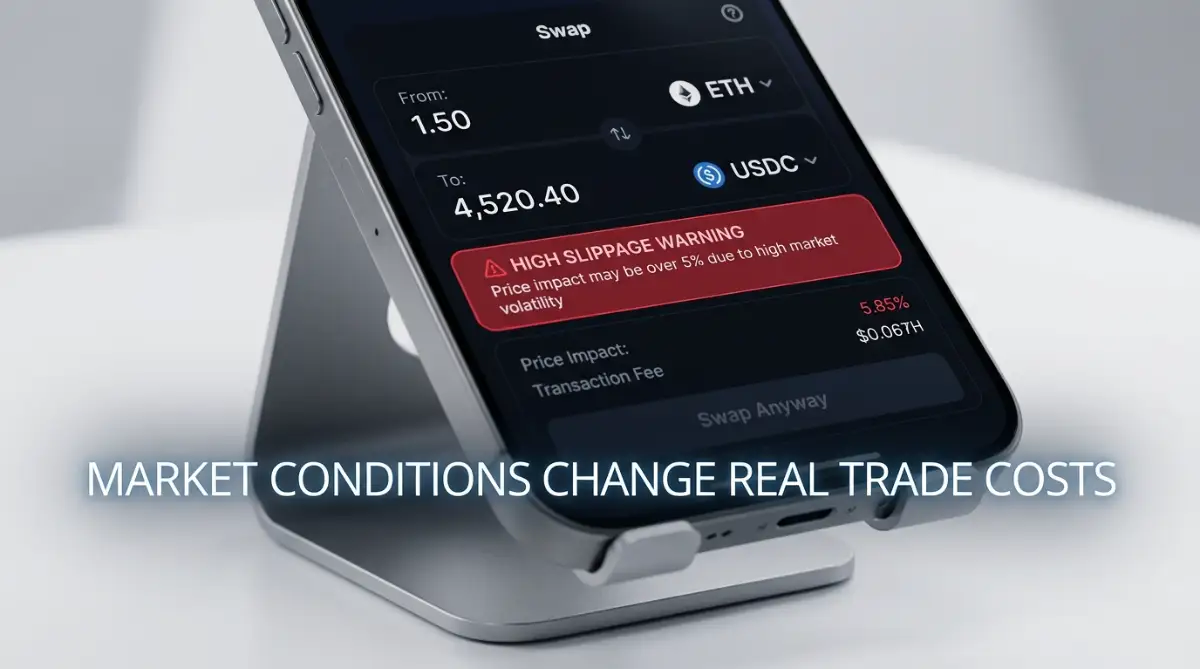
If you have ever waited for a payment confirmation or felt frustrated by high network fees, you are not alone. Many beginners enter the crypto world expecting instant transfers. Instead, they discover delays, expensive fees, and confusing technical terms.
The good news is that this problem already has a solution. That solution is called Layer-2 scaling.
These technologies are helping blockchain networks process more transactions while keeping fees much lower. They are becoming one of the biggest reasons why blockchain can move beyond investors and become useful for millions of everyday users.
Table of Contents
- What Is Slowing Down Blockchain Networks?
- A Quick Look at Layer-2 Scaling
- Quick Summary
- Key Takeaways
- Why Scalability Matters
- How Layer-2 Networks Actually Work
- Popular Types of Layer-2 Solutions
- Benefits for Everyday Users
- Common Misunderstandings
- Final Thoughts
Quick Summary
Layer-2 scaling solutions process many blockchain transactions more efficiently without reducing the security of the main network. They lower transaction fees, improve speed, and make blockchain technology practical for everyday payments, gaming, decentralized finance, and digital assets.
Key Takeaways
- Layer-2 networks reduce blockchain congestion.
- Users usually pay much lower transaction fees.
- Transactions become much faster.
- Blockchain becomes easier for businesses and everyday users.
The Growing Problem Behind Popular Blockchains
Every successful technology eventually faces one difficult challenge. More users. That sounds like good news, but it creates new problems.
Imagine a two-lane highway during a normal weekday. Cars move smoothly because traffic is light. Now picture that same highway during a holiday weekend. Thousands of extra vehicles enter the road, and suddenly everything slows down.
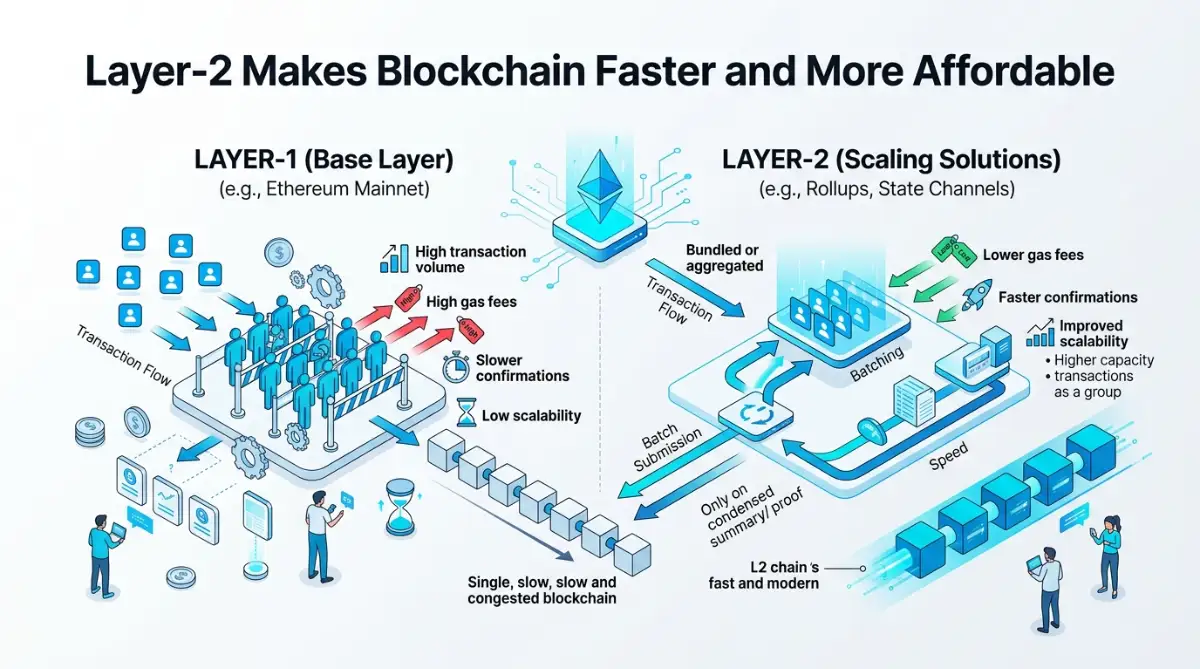
Blockchain networks work in a similar way. When only a small number of people send transactions, everything works efficiently. As millions of users begin buying cryptocurrencies, trading NFTs, using decentralized finance applications, or playing blockchain games, the network becomes crowded. This congestion increases transaction costs and slows confirmation times.
For many people, that becomes their first disappointing experience with blockchain.
Instead of feeling simple, blockchain suddenly feels expensive and complicated.
Why High Fees Push New Users Away
Think about buying a cup of coffee.
If your coffee costs $4, would you happily pay another $15 just to complete the payment?
Most people would say no.
Yet this situation has happened many times on busy blockchain networks.
During periods of heavy activity, transaction fees can become much higher than the value being transferred.
That creates a poor experience for:
- New investors
- Small traders
- Online shoppers
- Blockchain gamers
- NFT collectors
Many people simply decide not to use blockchain again.
That slows down adoption.
It also limits innovation because developers know that users dislike expensive transactions.
Why Scalability Is Becoming One of Blockchain's Biggest Challenges
Blockchain technology promises transparency, security, and decentralization. Those strengths make it attractive. But if millions of people cannot use it comfortably, the technology cannot reach its full potential. Imagine if a popular social media app worked perfectly for only 500 users at a time. It would never become a global platform.
The same idea applies to blockchain. Developers are constantly searching for ways to increase transaction capacity without sacrificing security. That search led to the development of Layer-2 scaling solutions. These technologies work alongside existing blockchains instead of replacing them.
They help process large numbers of transactions more efficiently while still relying on the security of the main blockchain.
Understanding the Idea Behind Layer-2 Networks
The easiest way to understand Layer-2 is to think about a busy restaurant. Customers place orders. The kitchen prepares meals. The cashier processes payments. If every employee had to perform every task, the restaurant would become painfully slow. Instead, work is divided among different people. Blockchain scaling follows a similar principle.
Rather than forcing the main blockchain to handle every small transaction directly, Layer-2 networks process much of the activity separately before recording the final result on the primary blockchain.
This reduces congestion while maintaining trust.
People still receive the security of the main network.
They simply avoid asking it to perform every tiny task.
Expert Tip
When I first started learning about Layer-2 technology, I assumed it was replacing the blockchain itself. I was wrong. Once I understood that it works alongside the main blockchain instead of replacing it, the entire concept became much easier to understand.
Why This Matters for the Future of Crypto
Many people believe cryptocurrency is only about investing. That is only part of the story. The bigger goal is creating financial systems that anyone can access. For that vision to become reality, blockchain networks must support millions of daily transactions.
People want to:
- Pay for services
- Send money internationally
- Buy digital products
- Play blockchain games
- Trade digital assets
- Use decentralized finance applications
None of this works well if transactions are slow or expensive. Layer-2 scaling helps remove these barriers.
As a result, blockchain becomes more practical for ordinary users instead of remaining a technology used mainly by enthusiasts and professional investors..
How Layer-2 Scaling Solutions Actually Work
At first, the phrase "Layer-2 scaling" sounds technical. Many beginners assume they need programming knowledge to understand it.
The truth is much simpler.
Layer-2 solutions are designed to take pressure away from the main blockchain. Instead of asking the blockchain to verify every single action one by one, Layer-2 networks process many transactions together and then send the final result back to the main chain.
Think of it like writing rough notes on a piece of paper before copying only the final version into your notebook. You still end up with the same accurate information, but you spend much less time writing.
That simple idea is what makes Layer-2 so powerful.
The Relationship Between Layer-1 and Layer-2
A blockchain like Ethereum is known as a Layer-1 network.
It provides the security, decentralization, and permanent record of transactions.
Layer-2 networks build on top of that foundation. They don't replace Ethereum or other Layer-1 blockchains. Instead, they extend their capabilities.
Here's an easy comparison:
Both layers work together rather than competing with each other.
The Most Popular Types of Layer-2 Solutions
Not every Layer-2 solution works in the same way. Developers have created different approaches to improve blockchain performance.
Rollups
Rollups group hundreds or even thousands of transactions into a single package before sending the final proof to the main blockchain.
This reduces network congestion while maintaining strong security.
Rollups have become one of the most widely adopted Layer-2 technologies because they offer an excellent balance between speed, security, and cost.
State Channels
State channels allow two or more users to perform multiple transactions privately without recording every action on the blockchain.
Only the opening and closing balances are written to the main chain.
This makes repeated transactions extremely fast.
A good example would be two gamers making hundreds of moves during an online match without updating the blockchain after every move.
Sidechains
Sidechains operate as separate blockchains connected to the main network.
They have their own rules and validation systems while allowing assets to move between chains.
This gives developers more flexibility for specialized applications.
However, security models can differ from the main blockchain, so users should understand how each sidechain works before using it.
Real-Life Example
Imagine a football stadium with only one entrance gate.
When thousands of fans arrive at the same time, everyone must wait.
Now imagine the stadium opens five additional gates.
The number of visitors stays the same, but people enter much faster.
Layer-2 solutions work in a similar way.
They create additional pathways for transactions while still allowing everyone to enter the same secure blockchain ecosystem.
Pro Tip
I used to believe that paying a higher transaction fee always meant my transfer would be completed much faster. Later, I realized that choosing a reliable Layer-2 network often saved me both time and money without sacrificing security.
Why Developers Love Layer-2 Networks
Developers want users to enjoy smooth experiences.
Nobody wants an application that freezes every time more people join.
Layer-2 technology helps developers build applications that can serve many more users without overwhelming the blockchain.
This is especially important for:
- Decentralized Finance (DeFi)
- Blockchain Gaming
- NFT Marketplaces
- Payment Applications
- Social Blockchain Platforms
Lower fees also encourage people to use these applications more frequently.
Myth vs Reality
Why Businesses Are Paying Attention
Businesses care about one thing above almost everything else.
Customer experience.
If customers need to wait several minutes for every payment or pay high transaction fees, many will leave.
Layer-2 solutions help companies reduce those problems.
That is why more payment providers, financial platforms, and blockchain startups are integrating Layer-2 technology into their products.
The easier blockchain becomes, the more likely businesses are to adopt it.
Watch This Before Moving to Layer-2
If you're new to Layer-2 networks, this short video will help you understand how transactions become faster and cheaper. It also explains the basic concepts visually, making the rest of this guide much easier to follow.
Looking Ahead
Layer-2 scaling is not just about making crypto transactions faster.
It is about making blockchain practical for everyday life.
As adoption grows, millions of users will expect blockchain applications to feel just as smooth as online banking, mobile payments, and modern apps.
Layer-2 solutions are helping move the industry closer to that goal.
In the next part, we'll explore the **leading Layer-2 platforms, their strengths and limitations, common risks, best practices for beginners, and what the future of blockchain scaling may look like.
Leading Layer-2 Networks You Should Know
Layer-2 technology is no longer just an experimental idea. Today, several mature networks are helping millions of users enjoy faster and more affordable blockchain transactions.
Each network has its own strengths. Choosing the right one depends on what you want to do, whether that is trading, gaming, sending payments, or using decentralized finance applications.
Let's look at some of the most recognized Layer-2 ecosystems.
Arbitrum
Arbitrum has become one of the largest Layer-2 ecosystems built for Ethereum.
It focuses on lowering gas fees while maintaining compatibility with existing Ethereum applications. This makes it easier for developers to move their projects without rebuilding everything from scratch.
Many DeFi platforms and decentralized exchanges now support Arbitrum because users can complete transactions much faster than on Ethereum's main network.
Optimism
Optimism follows a similar goal.
It reduces network congestion while helping developers continue using familiar Ethereum development tools.
Its growing ecosystem includes lending platforms, decentralized exchanges, NFT marketplaces, and blockchain games.
For beginners, Optimism often feels almost identical to using Ethereum, except transactions generally cost much less.
zkSync
zkSync uses advanced cryptographic technology to improve transaction speed and efficiency.
Although the underlying mathematics are complex, users do not need to understand the technical details.
From a user's perspective, the experience is simple:
- Faster confirmations
- Lower fees
- Strong security
- Easy wallet integration
Polygon
Many people associate Polygon with Layer-2 scaling because it significantly improves the Ethereum user experience.
Polygon supports thousands of decentralized applications across finance, gaming, NFTs, digital identity, and enterprise projects.
Its popularity comes from balancing affordability with an easy onboarding experience for new users.
Comparing Popular Layer-2 Networks
Each network continues to evolve as blockchain adoption grows.
Benefits That Everyday Users Notice First
Technical improvements matter.
But what people really notice is how much easier blockchain becomes.
Here are the biggest improvements users often experience.
Much Lower Transaction Costs
Small payments finally become practical.
Instead of worrying that transaction fees might exceed the amount being sent, users can move smaller amounts with greater confidence.
This opens the door for everyday purchases, microtransactions, and frequent transfers.
Faster Confirmation Times
Nobody enjoys waiting.
Layer-2 solutions dramatically reduce waiting times during periods of heavy blockchain activity.
For traders, this means fewer delays.
For gamers, it means smoother gameplay.
For businesses, it means happier customers.
Better User Experience
Lower fees and faster processing make blockchain feel more like traditional digital payment systems.
Users spend less time worrying about network congestion and more time using the applications they actually care about.
Growing Developer Innovation
Lower operating costs encourage developers to experiment with new ideas.
Projects that once seemed too expensive to build can now become practical.
This creates more innovation across:
- Decentralized Finance
- NFT ecosystems
- Blockchain gaming
- Supply chain systems
- Digital identity
- Cross-border payments
Expert Insight
One thing I noticed while learning blockchain is that beginners often focus only on cryptocurrency prices.
My perspective changed when I started looking at the technology behind those assets. Faster, cheaper transactions create a better experience for everyone, and that is what encourages long-term adoption.
Challenges That Still Exist
Layer-2 solutions solve many problems.
However, they are not perfect.
Like every technology, they continue to improve.
Some common challenges include:
Learning Curve
New users sometimes struggle with:
- Bridging assets
- Switching blockchain networks
- Understanding supported wallets
- Managing multiple addresses
Fortunately, wallet interfaces continue becoming much simpler.
Ecosystem Differences
Not every decentralized application supports every Layer-2 network.
Before transferring assets, users should always confirm that the application they plan to use supports their chosen network.
Doing this simple check can prevent unnecessary transfers.
Security Awareness
Although many Layer-2 solutions inherit security from Ethereum, users should still remain careful.
Good habits include:
- Double-checking wallet addresses.
- Using official bridges.
- Keeping recovery phrases offline.
- Verifying websites before connecting wallets.
Small security habits can prevent expensive mistakes.
Looking Toward the Future
Blockchain adoption continues to expand into industries beyond cryptocurrency.
Companies are exploring blockchain for:
- Healthcare records
- Digital identity
- Online gaming
- International payments
- Supply chain tracking
- Financial services
As millions of new users enter the ecosystem, Layer-2 scaling solutions will become even more important.
Without faster and cheaper transactions, global blockchain adoption would be difficult.
With Layer-2 technology, blockchain moves much closer to becoming part of everyday digital life.
Common Mistakes That Can Cost You Time and Money
Layer-2 technology makes blockchain easier to use, but mistakes can still happen. Most problems are not caused by the technology itself. They happen because users rush through transactions or skip simple safety checks.
Learning these mistakes now can save you money later.
Sending Assets to the Wrong Network
One of the most common beginner mistakes is selecting the wrong blockchain network before transferring funds.
For example, someone may withdraw tokens using one network while their wallet is expecting another. The transaction may complete successfully, but the funds may not immediately appear where expected.
Before confirming any transfer, always verify:
- The destination wallet address
- The selected blockchain network
- The token type
- Whether the receiving platform supports that network
Taking an extra minute to review these details is much easier than trying to recover lost assets.
Ignoring Transaction Fees
Many beginners assume Layer-2 transactions are always free.
That isn't true.
Fees are usually much lower, but they still exist.
Understanding the estimated fee before sending funds helps you avoid surprises, especially during periods of high network activity.
Using Unofficial Bridges
Moving assets between blockchain networks often requires a bridge.
Not every bridge offers the same level of reliability.
Always use:
- Official project websites
- Trusted wallet integrations
- Well-known blockchain platforms
Avoid clicking random links shared on social media or messaging apps.
Best Practices Before Using Any Layer-2 Network
Following a few simple habits can greatly improve your blockchain experience.
Start With a Small Test Transaction
Before transferring a large amount of cryptocurrency, send a small amount first.
If everything arrives correctly, you can confidently transfer the remaining balance.
This simple habit has helped many users avoid expensive mistakes.
Keep Your Wallet Secure
Your wallet is your responsibility.
No blockchain network can recover lost recovery phrases or stolen private keys.
Follow these security habits:
- Store your recovery phrase offline.
- Never share your private key.
- Enable two-factor authentication whenever possible.
- Update your wallet software regularly.
- Double-check every website before connecting your wallet.
Stay Updated
Blockchain technology changes quickly.
Networks continue improving their performance, security, and user experience.
Following official announcements from the projects you use helps you stay informed about important updates.
Frequently Asked Questions
What is a Layer-2 scaling solution?
A Layer-2 scaling solution is a technology built on top of a blockchain that processes transactions more efficiently while relying on the security of the underlying Layer-1 network.
Why are Layer-2 transactions cheaper?
Many transactions are processed together before the final result is recorded on the main blockchain. This reduces congestion and lowers transaction costs.
Are Layer-2 networks secure?
Many leading Layer-2 networks inherit security from their underlying blockchain. However, users should still follow good security practices and use trusted applications.
Can beginners use Layer-2?
Yes.
Modern wallets and decentralized applications have made Layer-2 much easier to use than in the past.
Most beginners can learn the basics within a short time.
Will Layer-2 replace Ethereum?
No.
Layer-2 solutions are designed to work alongside Ethereum and other Layer-1 blockchains, not replace them.
Final Thoughts
Blockchain technology has made remarkable progress, but widespread adoption depends on making transactions faster, cheaper, and easier for everyone.
Layer-2 scaling solutions play an important role in achieving that goal.
By reducing congestion and lowering transaction costs, these technologies help blockchain become more practical for everyday payments, decentralized finance, gaming, digital ownership, and many other real-world applications.
Whether you are completely new to cryptocurrency or already exploring decentralized applications, understanding Layer-2 technology will help you make better decisions as the blockchain ecosystem continues to grow.
The future of blockchain is not only about stronger security or new digital assets. It is also about creating an experience that feels simple enough for anyone to use with confidence.
Disclaimer
The information in this article is provided for educational and informational purposes only. It should not be considered financial, investment, legal, or tax advice. Always conduct your own research and evaluate your personal financial situation before making decisions related to cryptocurrencies, blockchain technology, or digital assets.
About the Author
FinanceInfoIn Editorial Team.
The FinanceInfoIn Editorial Team creates practical, well-researched, and easy-to-understand educational content covering personal finance, cryptocurrency, insurance, mortgages, legal topics, and financial planning. Every article is carefully reviewed to provide accurate, reader-focused information while following high editorial and content quality standards.
© 2026 FinanceInfoIn. All rights reserved.