Reading Time: 12 Minutes
Difficulty Level: Beginner to Intermediate
Reviewed By: FinanceInfoIn Editorial Team
Table of Contents
- Quick Summary
- Key Takeaways
- The Silent Killer of Expensive Home Power Systems
- Understanding the Core Function of a Power Regulator
- Confusing Alternatives: MPPT vs PWM
- The Real Cost of Skipping This Component (Case Example)
- How the Device Actually Saves Your Setup Daily
- Breaking Down the Three Essential Charging Stages
- Honest Pros & Cons
- Stopping Reverse Current Drain at Night
- Choosing the Right Size for Your Home Setup
- Expert Tips for a Safer Installation
Quick Summary
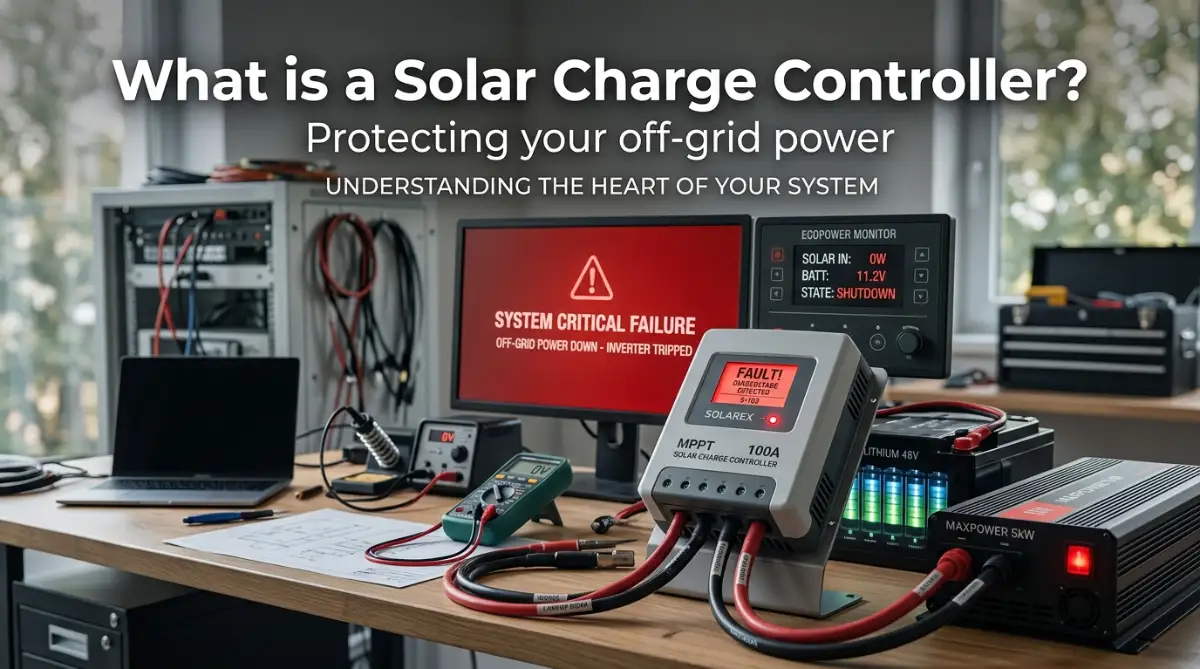
A solar charge controller acts as the central brain of your off-grid or home power system. It takes the wild, unpredictable energy generated by your roof panels and transforms it into a safe, steady flow for your batteries. Without this small device, your battery bank would quickly overcharge, overheat, and permanently fail. Investing in the right regulator ensures your home stays powered and your expensive equipment lasts for years.
Key Takeaways
- These devices prevent your battery bank from catastrophic overcharging.
- They block reverse energy drain, stopping panels from sucking power back at night.
- MPPT models offer significantly higher efficiency for modern home setups compared to older PWM models.
- Proper sizing is strictly based on your total panel wattage and battery voltage.
- Skipping this component will absolutely void battery warranties and create extreme fire hazards.
The Silent Killer of Expensive Home Power Systems
Hearing the aggressive hiss of boiling battery acid inside your utility room is a sound that instantly sinks your stomach. I stood there staring at my brand new battery bank, watching $1,200 worth of equipment literally cook itself to death. I thought I had done everything right by buying the best panels and the thickest cables.
But I completely misunderstood how raw energy behaves when it travels from a rooftop down into an enclosed storage unit. Solar panels are entirely unpredictable. When the sun hits them directly, they blast out massive spikes of high-voltage electricity, acting like a fully opened firehose.
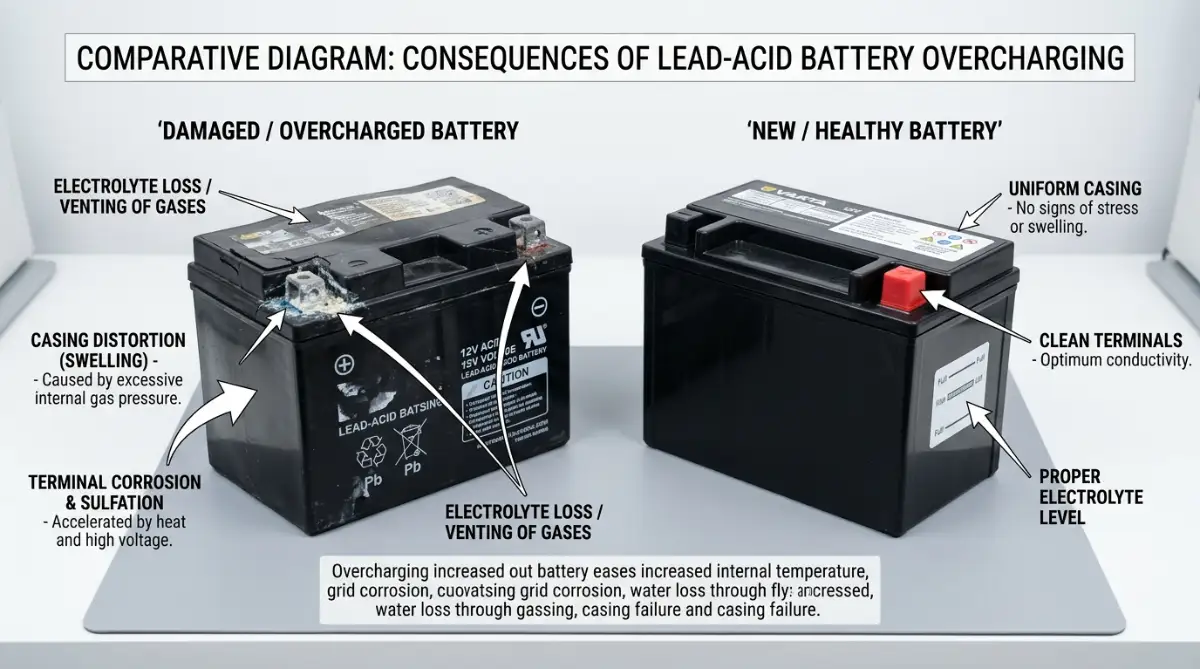
Your batteries, on the other hand, are delicate chemical storage tanks. They need energy delivered in a smooth, highly controlled trickle to survive. When you connect a high-powered panel directly to a battery, you are effectively forcing a firehose into a fragile glass bottle.
This causes immediate internal swelling, extreme heat, and permanent chemical degradation. Families often lose their entire off-grid investment within a single sunny weekend simply because they lacked the proper translation device between their roof and their storage room.
The mental stress of constantly worrying about voltage levels or running out to physically disconnect wires when the sun gets too bright is exhausting. You deserve a home setup that works quietly in the background without constant babysitting. You need a highly reliable system that guarantees your lights turn on when the neighborhood grid fails.
Understanding the Core Function of a Power Regulator
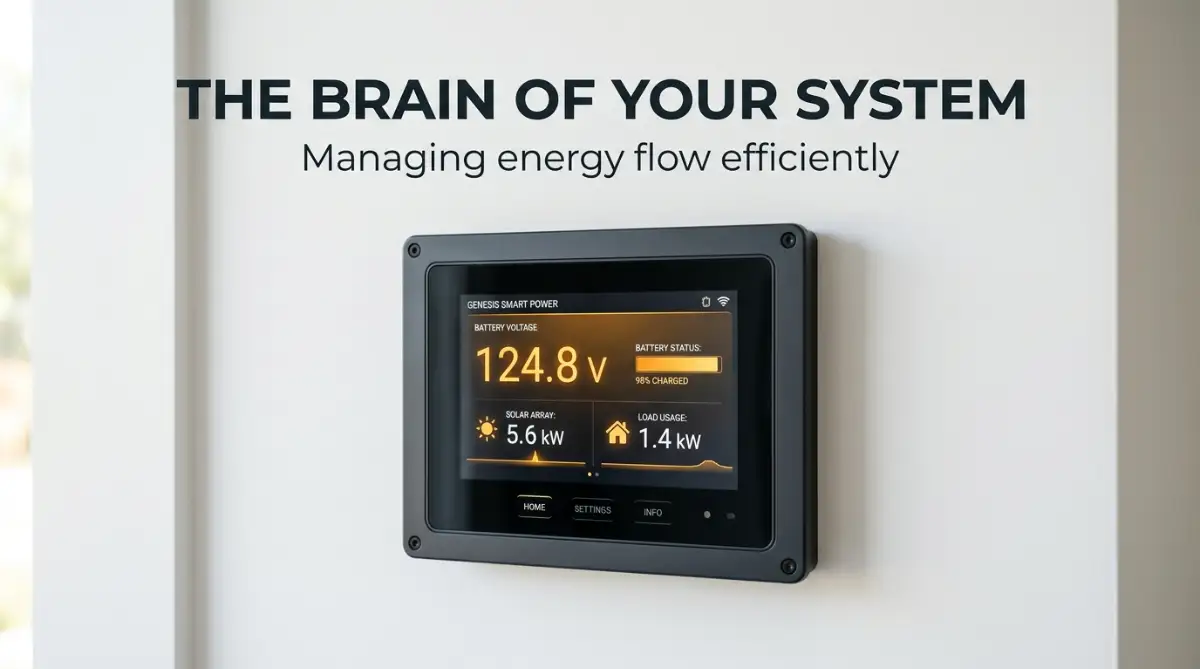
To fix this massive problem, you need a solar charge controller. Think of this device as an extremely strict traffic cop standing directly between your energy source and your storage bank.
Its only job is to monitor exactly how much power is coming down the line and decide how much of it is actually safe to let through. When your batteries are completely empty in the morning, the controller opens the gates wide to let maximum energy flow in.
As the storage tanks get closer to full, the device actively chokes the energy flow down to a slow, gentle drip. Once the system reaches 100% capacity, the traffic cop completely stops all incoming power. This absolute protection guarantees your setup never experiences an overvoltage event.
Confusing Alternatives: MPPT vs PWM
When you start shopping for a solution, you will immediately hit a wall of confusing technical jargon. The biggest trap beginners fall into is not understanding the difference between the two main technologies available on the market.
People often buy the cheapest option without realizing it is actively throwing away a huge percentage of their daily generated power. Below is a clear breakdown of how the two primary choices actually compare in the real world.
The Real Cost of Skipping This Component
Let us look at a real-world mathematical scenario that happens every single day. Meet David, a homeowner who wanted to build a backup power system for his deep freezer during storm season.
David spent $1,500 on four high-quality deep cycle batteries and $600 on two large solar panels. He decided to save a little money by skipping the $150 smart controller, wiring his panels directly to the battery terminals.
On day one, the sun was exceptionally bright, and the panels pushed 21 volts directly into his 12-volt battery system for eight straight hours. The batteries severely overcharged, the internal plates warped, and all four units were permanently destroyed by sunset.
By trying to save $150, David completely burned through $1,500 of sensitive equipment in less than 24 hours. A proper MPPT regulator would have easily capped that 21-volt spike, bringing it down to a safe 14.4 volts, saving his entire investment.
How the Device Actually Saves Your Setup Daily
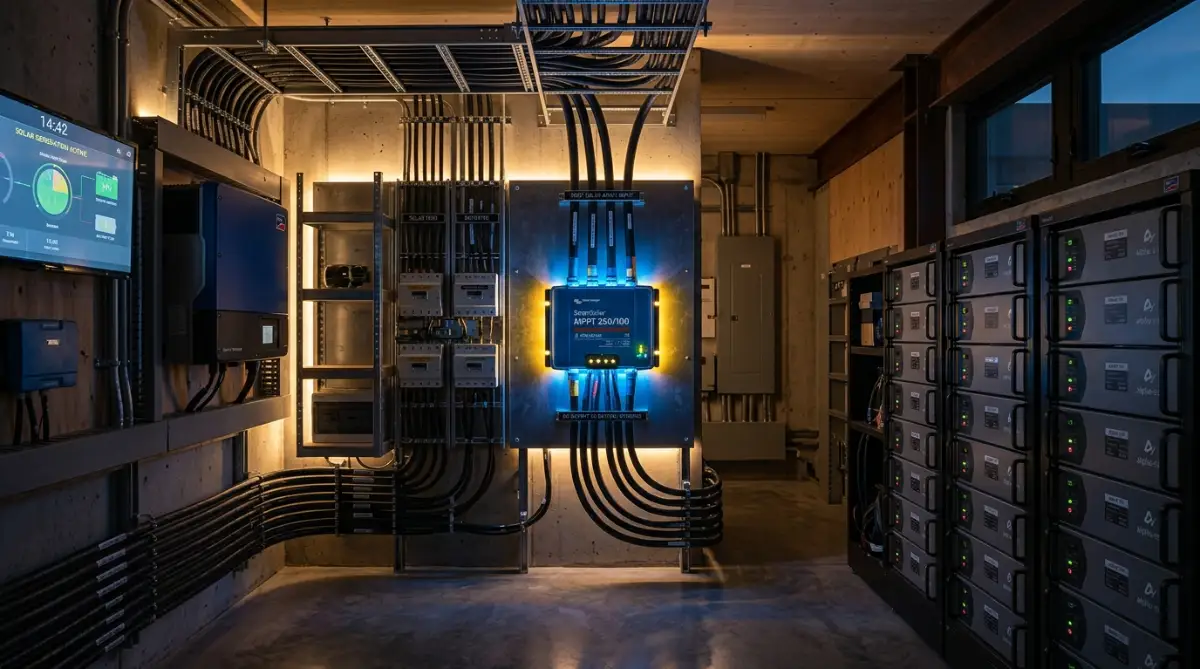
The internal computer inside these devices is constantly reading the chemical state of your battery bank. It never just throws raw electricity at your storage unit.
Instead, it strictly follows a scientifically proven charging algorithm. If you want your system to last for a decade instead of a few months, you must understand how this algorithm operates.
It is very similar to filling a completely dry sponge with water. You cannot just dump a bucket over it, or most of the water will simply bounce off and make a mess. You have to pour slowly, let it absorb, and then reduce the flow.
Breaking Down the Three Essential Charging Stages
Every high-quality regulator manages your energy using three distinct stages. This process ensures absolute chemical health for your storage bank.
Pro Tip: I completely ruined my first set of golf cart batteries by forgetting to program the correct battery chemistry into my new regulator. Always take five minutes to dive into the settings menu and tell the device whether you are using Lead-Acid, AGM, or Lithium. I promise this small step will double the lifespan of your setup.
Honest Pros & Cons
Before you spend your hard-earned money, you need a totally transparent look at what these devices bring to the table. They are non-negotiable for safety, but they do come with a few minor headaches you should prepare for.
The Pros:
- Completely prevents catastrophic battery overheating and fire risks.
- Greatly extends the physical lifespan of your entire storage bank.
- Gives you a digital screen to monitor your exact daily power generation.
- Automatically cuts off loads if the batteries get too dangerously low.
The Cons:
- High-end MPPT models can take a noticeable bite out of your project budget.
- They require careful wire sizing to prevent internal melting.
- You must mount them in a well-ventilated area because they generate physical heat.
Stopping Reverse Current Drain at Night
Overcharging is not the only threat your system faces on a daily basis. Something very strange happens to solar panels when the sun goes down completely.
Because of their internal electrical design, panels naturally want to draw power back out of your batteries at night. Without protection, your system would slowly leak energy backward into the dark sky while you sleep.
A quality regulator completely solves this issue by acting as a strict one-way electrical valve. The moment it senses the sun has vanished, it instantly closes the gate.
This simple mechanism guarantees that every single drop of energy you collected during the afternoon stays safely locked inside your house. You will wake up with a full tank of power, ready to run your coffee maker and refrigerator.
If you are a visual learner, understanding how to properly connect these components can feel a bit overwhelming. Check out this excellent breakdown below that shows exactly how energy flows safely through a modern home setup.
Choosing the Right Size for Your Home Setup
Buying a unit that is too small for your roof is a massive fire hazard. Buying one that is way too large is just a waste of money.
You must match the amperage rating of the controller to the total output of your solar array. The math is extremely simple and only requires basic division.
Take the total wattage of all your panels combined, and divide that number by the voltage of your battery bank. This will give you the absolute maximum amps your system can produce.
For example, if you have 400 watts of panels on your roof and a 12-volt battery bank, you divide 400 by 12 to get 33.3 amps. You would want to buy a 40-amp regulator to give yourself a safe cushion.
Expert Tips for a Safer Installation
Always connect your regulator to your battery bank first, before you ever attach the solar panels. The internal computer needs to wake up and recognize the battery voltage so it knows how to behave.
If you connect the high-voltage panels first, the sudden rush of unregulated power can permanently scramble the device's brain. I recommend installing a simple breaker switch between the panels and the regulator so you can easily cut the power during maintenance.
Make sure you mount the unit on a non-flammable surface, like concrete or metal, rather than directly on plywood. These devices work hard and will get noticeably warm to the touch during peak afternoon sunlight.
Give the unit plenty of breathing room. Do not shove it inside a tightly sealed plastic box where the heat cannot escape. Proper airflow is the easiest way to ensure your entire off-grid investment survives for the next ten years. By taking these small precautions, you secure total peace of mind for your home energy independence.
Mastering Your Energy Flow for Maximum Efficiency
Now that you understand the basic mechanics of power translation, you must learn how to push your equipment to its absolute highest performance limit. The most successful off-grid setups do not just randomly collect sunlight. They actively adapt to changes in their environment.
One of the biggest secrets in home energy management is dealing with temperature swings. Batteries behave very differently in the freezing cold compared to the blistering heat. According to safety guidelines published by the Department of Energy on residential storage, charging a freezing battery with standard voltage can cause permanent internal damage.
Smart regulators solve this entirely by using temperature compensation. They read the ambient temperature of your storage room and slightly adjust the voltage dial up or down automatically.
Pro Tip: Always buy a unit that comes with an external temperature probe wire. Tape this small sensor directly to the side of your main battery block. This tiny $15 accessory will easily add three extra years of life to your expensive storage bank.
Here is a clear look at how your system should adjust its charging behavior based on the weather outside.
Your Complete Preparation Blueprint
Before you start connecting random cables, you need a solid plan of attack. Rushing an electrical project is the easiest way to cause a dangerous spark. Setting up this specific piece of equipment requires exact precision.
You cannot simply guess which wires go where. To avoid major solar panel installation mistakes that waste your money, gather everything you need before you even walk into your utility room.
Required Equipment & Information Checklist:
- Your exact panel wattage and total array voltage.
- The specific battery chemistry (AGM, Lithium, Flooded Lead-Acid).
- A digital multimeter to double-check live power.
- Properly sized copper stranded wires (never use solid core house wire).
- In-line fuses or DC breakers for ultimate fire protection.
How to Install and Activate Your Regulator
If you want to handle this installation yourself, you must follow the correct sequence of events. Doing this backwards will instantly destroy the computer chip inside your new device. Here is your step-by-step execution guide.
Step 1: Cover Your Energy Source
Go outside and throw a heavy blanket or thick cardboard over your roof panels. You must stop them from producing live electricity while you are handling the bare copper wires. Never work with live DC power in broad daylight.
Step 2: Connect the Storage Bank First
Always attach the positive and negative cables from your battery bank to the controller before anything else. The device needs to turn on, scan the system, and recognize whether it is working with a 12V, 24V, or 48V setup.
Step 3: Program Your Chemistry
Once the screen lights up, navigate to the settings menu immediately. Tell the computer exactly what type of battery you own. A lithium battery requires a completely different charging algorithm than an old-school lead-acid unit.
Step 4: Attach the Panels
Only after the system is properly programmed should you connect the wires coming down from the roof. Go outside, remove the blanket, and watch your digital screen come alive with fresh, clean power.
Where Most Beginners Destroy Their Equipment
I have seen countless homeowners ruin amazing energy setups simply because they ignored basic electrical physics. The most dangerous mistake you can make is trying to push too much power through a tiny wire.
Think of electricity like water flowing through a hose. If you attach a massive fire hydrant (your roof panels) to a flimsy plastic drinking straw (a thin wire), the straw will instantly burst. In the electrical world, that "bursting" translates directly into extreme heat and house fires.
Always over-engineer your cables. The thicker the cable, the easier the power flows, which means less heat and far better efficiency. If you are ever unsure about sizing, reviewing how to calculate home solar panel requirements easily will keep your math entirely accurate.
Here is a simplified guide showing you exactly how thick your cables should be based on how much power you are moving.
Separating Fact From Fiction
The renewable energy industry is filled with bad advice and outdated forums. Believing these myths will severely hold your project back. Let us clear up the most common misunderstandings right now.
Your Action Plan for Today
To keep your momentum going, you need a clear checklist. Print this out and tape it next to your electrical panel. Keeping things organized prevents expensive disasters.
Quick Action Checklist:
- Double-check that your total roof wattage does not exceed your device's maximum limit.
- Verify your battery terminals are completely free of blue or white acid corrosion.
- Confirm your DC breaker switch is securely mounted between the panels and the regulator.
- Take a moment to read how to prep your roof for solar panels and avoid costly leaks before adding more weight up top.
- Ensure your equipment is mounted on a non-combustible wall with plenty of airflow around the heat sinks.
Building Your Reliable Energy Future
Creating your own independent power grid is one of the most rewarding projects you will ever take on. By simply installing this one intelligent device, you completely remove the anxiety of ruined batteries and system failures. You are now the master of your own electricity, safely harnessing the sun to protect your family during grid outages.
I remember the massive wave of relief I felt when I finally upgraded to a proper MPPT unit and watched my storage bank fill up smoothly by noon. You have the exact knowledge right now to build a system that works tirelessly in the background, keeping your home bright and comfortable.
So, which part of your setup are you planning to upgrade or build first? Let me know in the comments below!
Questions People Always Ask About Solar Regulators
Can I connect my panels directly to my battery without a controller?
Doing this is extremely dangerous and will permanently destroy your storage bank within hours. The raw, unregulated voltage from the sun will violently boil the internal chemicals and create a massive fire hazard. You must always use a regulator to control the traffic.
How do I know if my regulator is actually working?
Most modern units feature an LCD screen or a smartphone app showing real-time energy flow. If the sun is shining brightly but your screen shows zero incoming amps, you likely have a blown fuse or a loose wire.
Will an MPPT unit really make a difference on cloudy days?
Yes, it makes a massive difference when the weather turns bad. It constantly hunts for the perfect voltage sweet spot, squeezing every single drop of available power out of the overcast sky.
Can I run two different regulators on the same battery bank?
Yes, you absolutely can connect multiple units to the same storage bank to handle massive arrays. Just ensure they are programmed with the exact same charging parameters so they do not conflict with each other.
Why is my controller getting so hot during the afternoon?
These devices naturally produce heat as they work hard to step down high voltage into usable current. As long as it is mounted with proper ventilation and is not melting the plastic casing, a warm heat sink is completely normal behavior.
Do I need to turn the system off when I leave for vacation?
Not at all. The computer is designed to sit in "float mode" safely for months at a time, keeping your power perfectly topped up. Just leave it alone and let it do its job.
What happens if I accidentally wire the battery backwards?
Quality models have built-in reverse polarity protection to prevent instant explosions if you cross the positive and negative cables. However, cheaper models will instantly fry their internal circuitry, completely ruining the device.
Can I use a 12V panel on a 24V battery system?
No, energy behaves like water pressure, and it must flow downhill. Your incoming roof voltage must always be noticeably higher than your storage voltage to push the electricity inward.
How often should I replace this component?
If you keep the device away from moisture and ensure the cooling fins remain dust-free, a high-quality unit will easily last 10 to 15 years. They have no moving internal parts, making them incredibly durable over time.
Does this equipment help lower my monthly electric bill?
While it protects your off-grid storage, understanding how net metering works is the real key to lowering your utility costs. The controller simply ensures the power you keep at home is safely managed and stored.
Trusted Legal Resources
When planning a home energy project, ensuring your work meets strict safety, fire, and building codes is non-negotiable. Review these trusted regulatory resources to ensure your off-grid setup is legally compliant and completely safe.
- National Fire Protection Association (NFPA) - Solar Safety Standards
- National Renewable Energy Laboratory (NREL) - System Guidelines
- Underwriters Laboratories (UL) - Energy Storage Standards
- Occupational Safety and Health Administration (OSHA) - Electrical Safety
- U.S. Department of Energy (DOE) - Solar Integration Basics
- Solar Energy Industries Association (SEIA) - Consumer Protection
Disclaimer: The information provided in this article is for educational and informational purposes only and does not constitute professional electrical, engineering, or legal advice. Solar energy systems involve high-voltage electricity and serious fire risks. Always consult with a licensed, certified electrician or solar professional before purchasing, installing, or modifying any electrical equipment in your home. The author and FinanceInfoIn assume no liability for any personal injury, property damage, or financial loss resulting from the use or application of the information contained within this article.
About the Author
Reviewed by Mithun Halder (Personal Finance & SEO Expert) & The FinanceInfoIn Editorial Team
The FinanceInfoIn Editorial Team researches personal finance, investing, insurance, mortgages, cryptocurrency, and consumer financial topics. Every article is carefully reviewed to provide clear, practical, and trustworthy educational information based on credible sources and industry best practices.
©2026 FinanceInfoIn. All rights reserved.


