

Reading Time: 12 Minutes
Difficulty Level: Beginner to Intermediate
Reviewed By: FinanceInfoIn Editorial Team
Quick Summary
Closing on a home often feels like a highly stressful race against the clock. This guide breaks down exactly what happens between getting your offer accepted and getting the keys. You will learn how to read your Closing Disclosure, properly handle your final walkthrough, and safely transfer your funds. By preparing ahead of time, you can walk into signing day feeling completely confident and in control.
The 4:45 PM Panic Attack (My Wake-Up Call)
I stood in the bank lobby at 4:45 PM, sweating through my shirt. The bank teller was staring at my driver's license with a confused look on her face. At the exact same time, my phone was buzzing uncontrollably in my pocket.
My real estate agent was sending me rapid-fire text messages. We needed to send a specific wire transfer before the bank closed at 5:00 PM. If that money did not hit the title company's account, our entire home purchase would fall apart.
I had exactly 15 minutes to prove my identity, authorize a massive transfer of my life savings, and pray that a single digit in the account number was not typed wrong. My heart felt like it was going to beat right out of my chest.
Nobody warned me that the final steps of buying a house would feel like disarming a bomb. You spend months looking at beautiful kitchens and backyards. Yet, the final two weeks turn into a chaotic storm of confusing paperwork, bank statements, and legal jargon.
Key Takeaways
- The final weeks of buying a house require massive organization.
- Knowing the exact steps ahead of time removes 90% of the anxiety.
- Your closing team (agent, lender, title company) is there to guide you, but you must advocate for yourself.
The Sleepless Nights of Handing Over Your Life Savings
Let us be completely honest about what happens when your offer is accepted. The excitement lasts for about 24 hours. Then, a heavy blanket of stress drops over your shoulders.
You suddenly realize you are about to make the largest financial transaction of your entire life. Everyday people are forced to become overnight experts in mortgage underwriting, escrow accounts, and title insurance.
This lack of clear information causes real, daily disruptions. You might find yourself snapping at your family because you are worried about a sudden credit check. You might lose sleep wondering if hidden fees are going to drain your bank account at the last second.
The fear of the unknown is what creates this overwhelming panic. You are terrified of making one wrong move that could cost you your dream home.
Down Payment vs. Closing Costs: Stop Mixing These Up
One of the biggest sources of financial panic comes from a very common misunderstanding. People often confuse their down payment with their closing costs.
Let us clear this up right now. These are two completely different buckets of money. If you do not plan for both, you will face a nasty surprise on closing day.

Navigating the Final Stretch: Your Clear Action Plan
You do not need to stumble through this process blindly. Closing on a home is simply a sequence of highly predictable events.
Once you understand the timeline, the fear disappears. You stop reacting to emergencies and start checking items off a logical list. Let us walk through exactly what you need to do to cross the finish line without losing your mind.
The Real Math Behind Your Closing Disclosure
About three days before you sign the final papers, your lender will send you a document called the Closing Disclosure (CD). This is the most important piece of paper in the entire transaction.
It tells you exactly what your monthly payment will be. It also tells you the exact dollar amount you need to bring to the closing table.
Let us look at a real-life math scenario. Meet David. He is buying a modest home for $300,000. He saved up a 10% down payment, which is $30,000.
David felt great until he received his Closing Disclosure. The document showed he actually needed to bring $39,000 to the table. Where did that extra $9,000 come from? It came from loan origination fees, a full year of upfront home insurance, and property taxes required to fund his new escrow account.
David was not being scammed. He just did not understand the math beforehand.
Expert Tip: Review your Closing Disclosure side-by-side with your original Loan Estimate. The numbers should look very similar. If a specific fee suddenly jumped by thousands of dollars, call your lender immediately and ask for an explanation.
Demystifying Escrow and Title Searches
You will hear the word "escrow" a lot during this phase. Think of escrow like a trusted middleman.
Imagine you are buying a rare watch from a stranger online. You do not want to send the money until you hold the watch. They do not want to send the watch until they have the cash. Escrow solves this by holding both the money and the deed until everyone agrees the deal is fair.
While the money sits in escrow, the title company does a deep background check on the house. This is called a title search. They want to make sure the seller actually has the legal right to sell the property.
The Final Walkthrough: Don't Skip This Test Drive
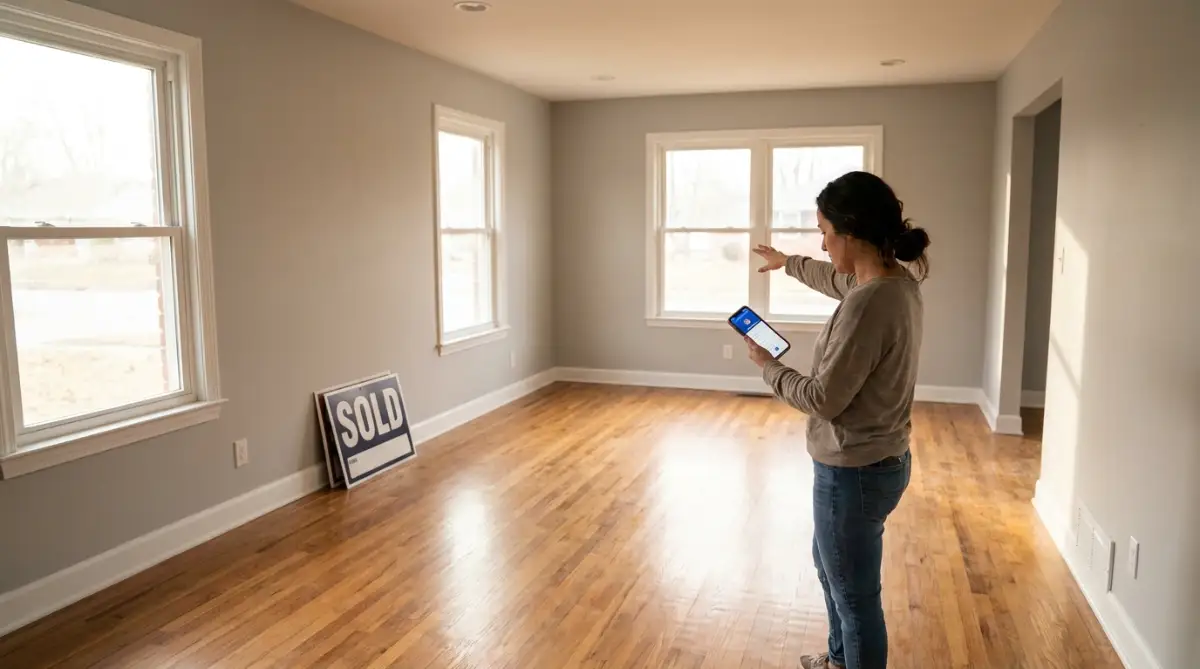
About 24 to 48 hours before you sign the papers, you will do a final walkthrough of the empty house. Many buyers rush through this step because they are excited.
Do not rush. This is your final test drive. You are not looking for new things to complain about. You are verifying that the house is in the exact same condition as when you made the offer.
Turn on every single faucet. Flush every single toilet. Plug your phone charger into the wall outlets to make sure they work.
I learned the hard way how easy it is to miss things during the excitement of the final walkthrough.
I once rushed through a walkthrough, just glancing at the rooms. When I moved in three days later, I discovered a massive water stain hidden under a rug the sellers had left behind "as a favor." Always look under rugs, open every cabinet, and take your time.
If you find a broken window that was fine last week, your agent can delay the closing or demand a cash credit. Once you sign the papers, that broken window is 100% your problem.
If you are feeling completely lost looking at a Closing Disclosure, you are not alone. Watch this short video where a mortgage expert breaks down every single line item in plain English, so you know exactly where your money is going.
Securing the Funds: How to Move Your Money Safely
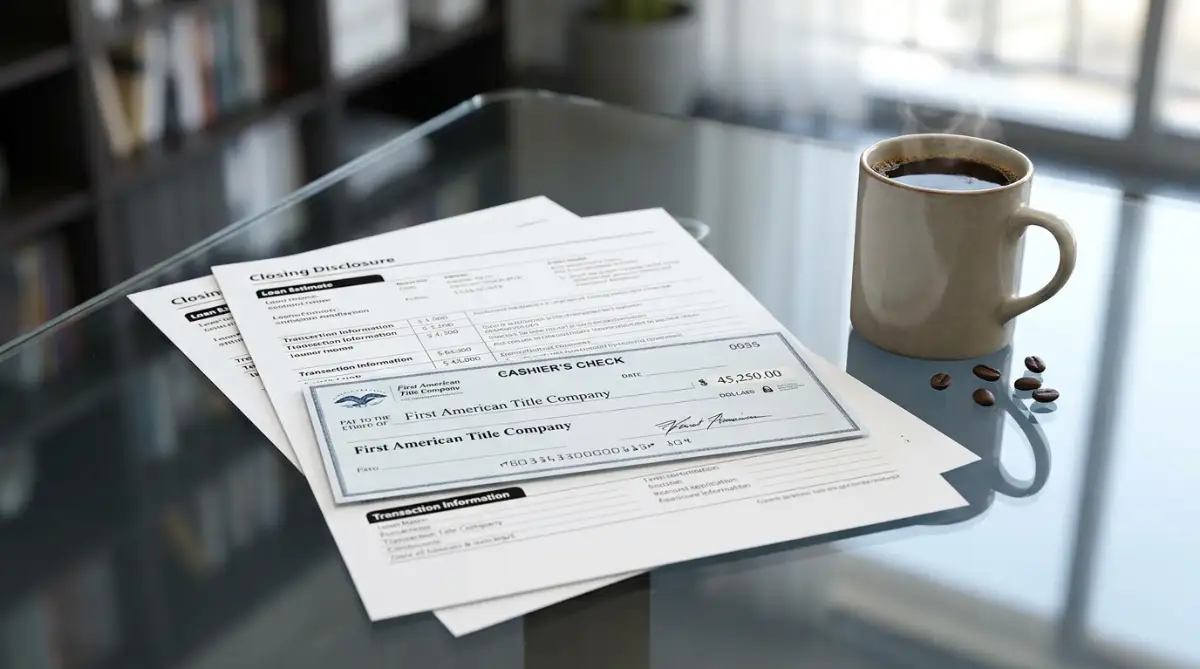
You cannot just show up on closing day with a personal check or a briefcase full of cash. The title company requires secure, verified funds.
You usually have two choices: a cashier's check or a wire transfer. Both have distinct advantages and drawbacks.
Honest Pros & Cons: Wire Transfer vs. Cashier's Check
Wire Transfer
- Pros: The money moves instantly on closing day. You do not have to worry about losing a physical piece of paper.
- Cons: Wire fraud is a massive problem. If you send money to the wrong account, it is gone forever. Banks charge a fee (usually $25 to $50) to send a wire.
Cashier's Check
- Pros: Highly secure against digital hacking. You physically hand it to the closing agent, giving you peace of mind.
- Cons: You must visit a physical bank branch during business hours to get it. If you lose the check, replacing it is a nightmare.
Always call your title company using a verified phone number to confirm wiring instructions. Never trust an email with bank routing numbers, even if it looks like it came from your real estate agent. Hackers frequently spoof emails to steal down payments.
Signing the Mountain of Paperwork Like a Pro
The big day is finally here. You will sit at a large conference table with your agent, a closing agent (or notary), and a massive stack of papers.
Expect this appointment to take at least an hour. You will be signing your name so many times that your hand will start to cramp.
Do not feel pressured to speed-read. The closing agent is there to explain exactly what each document means. If something sounds confusing, stop and ask a question.
You will sign two main sets of documents. The first stack is the agreement between you and your mortgage lender. This includes the promissory note, which is your legal promise to repay the loan.
The second stack contains the property transfer documents. This includes the deed, which officially transfers ownership of the house from the seller to you.
Once the final signature is complete, and the funds are verified by the bank, the magic happens. The title agent will smile, hand you a shiny set of keys, and congratulate you.
The heavy stress will instantly melt away. You will walk out of that office not just as a buyer, but as a proud homeowner ready to start a brand new chapter.
Beyond the Basics: Mastering Your Final Closing Strategy
Getting your keys is not just about showing up and signing your name. The smartest homebuyers treat the final week like a highly coordinated military operation.
You have already survived the first mortgage application process. Now, you need to protect that approval at all costs. The background details matter more than you think.
Many people assume that once they get the "clear to close" message, they can completely relax. This is a very dangerous mindset. Lenders often do a final "soft check" on your credit profile just 24 hours before your appointment.
If you suddenly open a new credit card to buy furniture, your debt-to-income ratio changes. That simple mistake can instantly freeze your loan funding. You must keep your financial profile completely frozen until the deed is recorded in your name.
Pro Tip: Always call your utility companies at least two weeks before closing. Tell them the exact date you need the water, electricity, and internet transferred to your name. If you wait until moving day, you might spend your first night in the dark.
This is also the perfect time to review the true cost of your first home. You will need extra cash on hand for immediate repairs, new locks, and moving expenses. Do not drain your bank account entirely for the down payment.
The Home Buying Myth vs. Reality
People often listen to bad advice from friends or family members who bought a house twenty years ago. The real estate market has changed dramatically. Let us clear up some of the biggest misunderstandings right now.
If you want to protect yourself, you need to rely on verified legal and financial sources. For example, reading guidelines from the Consumer Financial Protection Bureau (CFPB) can help you understand your exact rights during a real estate transaction.

Common Mistakes You Must Avoid at the Finish Line
I have seen grown men cry in a title company lobby because they made one simple mistake. Buying a house is an emotional rollercoaster. When people get tired, they start making careless decisions.
The biggest trap is shifting money around without telling your lender. Let us say your parents give you a surprise $5,000 gift to help with the hidden expenses of homeownership. If you deposit that cash three days before closing, the underwriter will flag your account for money laundering.
You must provide a clear paper trail for every single dollar entering your bank account. If you cannot prove exactly where the money came from, you cannot use it to buy the house.
Another massive mistake is ignoring warning signs to spot in a home inspection just because you love the kitchen. Never let your emotions override basic logic. If the roof is leaking during your final walkthrough, stop the signing process immediately.
Here is a simple breakdown of what you should bring to the table versus what you can leave at home.
Quick Action Checklist: Your 7-Day Pre-Closing Preparation
You do not want to be running around printing documents on the morning of your appointment. Use this simple checklist to get your life organized exactly one week before the big day.
- Review the Final Numbers: Compare your Closing Disclosure to your original Loan Estimate.
- Call the Title Company: Verify wire transfer instructions over a recorded phone line.
- Secure Your Insurance: Send the final homeowners insurance binder directly to your lender.
- Schedule the Walkthrough: Book your final house visit 24 hours before your signing time.
- Gather Your IDs: Put your driver's license and passport in a folder right by your front door.
If you are struggling to understand how much house you can actually afford before reaching this step, make sure you know how to get pre-approved for a house safely.
The Exact Step-by-Step Execution Plan
Are you ready to take control of this process today? Here is your exact action plan to ensure a smooth transition from buyer to homeowner.
Step 1: Lockdown Your Credit Profile
Call your credit card companies and freeze any automatic credit limit increases. Do not apply for store cards, do not co-sign a loan for anyone, and pay all your current bills exactly on time.
Step 2: Initiate the Bank Transfer
Visit your local bank branch in person two days before closing. Speak directly to the branch manager to initiate your wire transfer. Keep the physical printed receipt in your secure closing folder.
Step 3: Conduct a Ruthless Walkthrough
Bring your phone charger, a flashlight, and a notebook to the final walkthrough. Check under every sink for fresh water drips. Turn on the heating and air conditioning systems to ensure they still function perfectly.
Your New Chapter Begins Now
You have made it through the stress, the endless paperwork, and the confusing bank rules. Taking the keys to your new home is one of the most rewarding feelings in the world.
I remember unlocking my front door for the first time and just sitting on the empty living room floor. It felt like all the late nights and financial sacrifices had finally paid off. You are about to experience that exact same joy.
Take a deep breath, trust your preparation, and walk into that closing room with total confidence. You have done the hard work, and now it is time to celebrate your massive achievement.
Which room are you most excited to paint or decorate first? Let me know in the comments below!
Common Questions About the Home Closing Process
How long does a house closing take?
The actual signing appointment usually takes between one and two hours. However, the entire escrow period leading up to that day normally takes 30 to 45 days.
Can a seller back out at closing?
It is extremely rare and legally difficult for a seller to back out on the final day. If they refuse to sign, the buyer can sue them for breach of contract to force the sale.
What happens if my wire transfer is delayed?
If the title company does not receive your funds by their daily cutoff time, the closing will be delayed. You will not get the keys until the money officially clears the bank.
Do I get the keys immediately after signing?
It depends on your local state laws and the exact time of day. Most of the time, you get the keys as soon as the loan funds and the deed is recorded with the county.
Should I tip the closing agent?
No, you do not need to tip your closing agent, notary, or real estate agent. They are already compensated through the fees built directly into your closing costs.
What if I find damage during the final walkthrough?
Immediately tell your real estate agent to contact the seller's agent. You can ask for a cash credit at closing or delay the signing until the repairs are properly made.
Do I really need to buy title insurance?
Yes, lender's title insurance is always mandatory to get a mortgage. Buying an owner's policy is technically optional, but it is highly recommended to protect you against future legal claims.
Can I close on a house remotely?
Many states now allow Remote Online Notarization (RON). This means you can sign your final documents through a secure video call, but you must arrange this with your title company early.
What is an escrow shortage?
A shortage happens when your property taxes or home insurance premiums go up unexpectedly. Your lender will require you to pay the difference to keep the account properly funded.
Can my loan be denied on closing day?
Yes, it can absolutely happen. If you lose your job, open a massive line of credit, or drain your bank accounts right before signing, the lender will pull your funding.
Trusted Insurance & Consumer Resources
-
Consumer Financial Protection Bureau (CFPB) – Owning a Home Guide – Official federal guide breaking down the Closing Disclosure (CD), Loan Estimates, and closing day consumer rights.
-
U.S. Department of Housing and Urban Development (HUD) – Settlement Cost Booklet – Official federal guidance for home buyers on closing fees, title charges, and real estate settlement procedures.
-
American Land Title Association (ALTA) – Homebuyer Guide – National standards and consumer education on title searches, title insurance, and wire fraud prevention.
-
Federal Trade Commission (FTC) – Real Estate Wire Fraud Advice – Government warnings on how to identify and prevent title company wire scams.
Disclaimer: The content provided on FinanceInfoIn is for general educational and informational purposes only and does not constitute professional financial, legal, or certified insurance advice. While we strive to provide accurate and up-to-date information, insurance laws, policy terms, and coverage options vary significantly by state and provider, and are subject to change. We make no representations or warranties regarding the completeness or accuracy of this information. Always consult directly with a licensed insurance agent, broker, or qualified financial advisor to discuss your specific circumstances before making any policy changes or purchasing decisions.