Reading Time: 15 Minutes
Difficulty Level: Beginner to Intermediate
Reviewed By: FinanceInfoIn Editorial Team
Waking Up to a Freezing House and Massive Bills
I stood in my kitchen wearing a thick winter coat, rubbing my hands together just to feel my fingers. My breath actually formed a tiny white cloud in the air, right inside my own house. The thermostat was set completely down because the previous month's heating bill had completely wiped out my grocery budget.
I was exhausted from constantly choosing between staying warm and saving money. Every time I heard the furnace kick on, all I could think about was the dollars literally burning away. My home felt more like an icebox than a place of comfort, and the constant stress was ruining my mental peace.
Then, I walked into the living room and noticed something amazing. The sun was streaming through the bare glass window, hitting the dark tile floor. I took off my slippers and stepped onto that patch of floor, and it was radiating intense, comforting heat. That exact moment changed everything I knew about home heating.
I realized the sun was offering me free, abundant warmth, and I was completely ignoring it. I was so focused on expensive artificial heat that I missed the natural energy pouring through my windows every single day. Today, I want to show you exactly how to capture that free warmth and make your home incredibly comfortable.
Table of Contents
- Waking Up to a Freezing House and Massive Bills
- Quick Summary
- Key Takeaways
- The Science of Capturing Free Warmth
- A Common Mix-Up: Passive vs. Active Heating
- Step 1: Maximize Your Collection Points
- Step 2: The Magic of Thermal Mass
- Real-Life Math: How Sarah Slashed Her Heating Costs
- Step 3: Trapping the Heat When the Sun Goes Down
- Expert Pro Tip: My Biggest Sun-Blocking Mistake
- Step 4: Stop the Invisible Heat Leaks
- Honest Pros and Cons of This Approach
- Making Your Home Naturally Cozy
Quick Summary
Passive solar heating is a smart, free way to warm your home by capturing the sun's natural energy. By optimizing window exposure, using thermal mass to store heat, and insulating properly, you can drastically reduce heating bills. This guide breaks down the exact steps to turn your living space into a natural heat trap. You will learn actionable, everyday routines to maximize warmth without spending money on mechanical heaters.
Key Takeaways
- South-facing windows are your primary source for collecting natural winter heat.
- Thermal mass materials like dark stone, tile, or water absorb heat during the day and release it at night.
- You must use insulated curtains at sunset to prevent the captured warmth from escaping through the cold glass.
- Removing rugs from sunny floor patches instantly improves your home's natural heat absorption.
- Small daily habits, like opening blinds early in the morning, make a massive difference in indoor temperatures.
The Science of Capturing Free Warmth
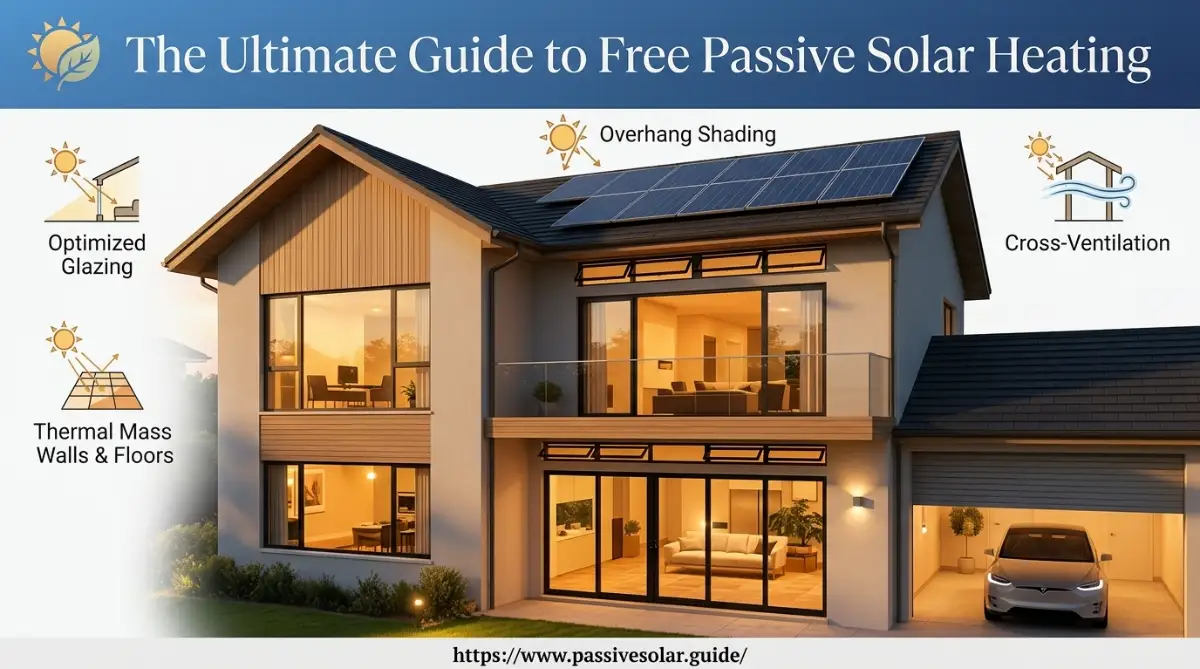
Think of your house like a giant greenhouse. When sunlight passes through glass, it brings radiant heat energy directly into your living space. This energy hits solid objects inside your rooms and warms them up instantly.
If you do nothing, that heat just bounces around a little and disappears once the sun sets. However, if you control where that light lands, you can store the warmth for hours. This entire process does not require a single solar panel, wire, or expensive gadget.
It simply requires you to rethink how you arrange your rooms and manage your windows. Once you understand this flow of energy, you can take control of your indoor climate naturally.
A Common Mix-Up: Passive vs. Active Heating
Many people get completely confused when they hear the word "solar." They immediately picture expensive rooftop panels, giant batteries, and complicated electrical wiring.
Let me clear this up right now so we are on the same page. Below is a simple breakdown of the main differences between the two concepts.
Step 1: Maximize Your Collection Points
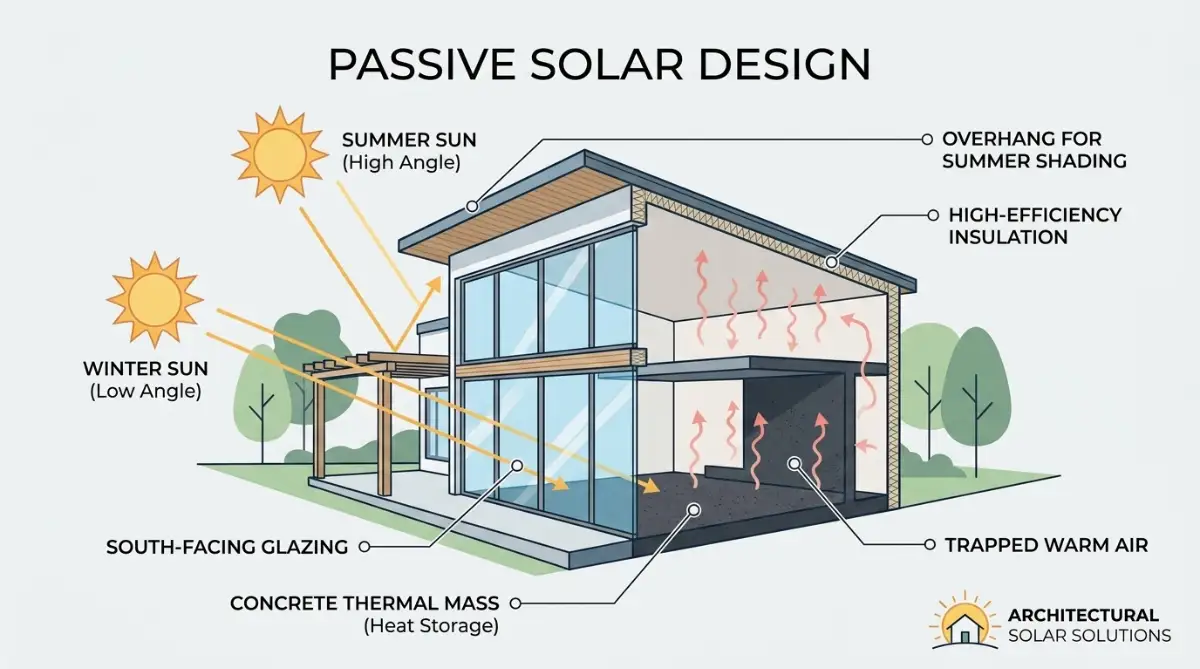
Your windows are the solar collectors for your home. To make this work, you need to identify which windows get the most direct sunlight during the winter months. In the Northern Hemisphere, your south-facing windows are your best friends.
During the winter, the sun sits lower in the sky. This low angle allows the sunlight to penetrate deep into your south-facing rooms. Your first actionable step is to completely clear these pathways.
Move heavy furniture, large plants, or anything that blocks the light from hitting the floor. You want the maximum amount of floor space exposed to the raw sunlight for as many hours as possible. Wash your windows inside and out, because even a thin layer of dust blocks a surprising amount of thermal energy.
Step 2: The Magic of Thermal Mass
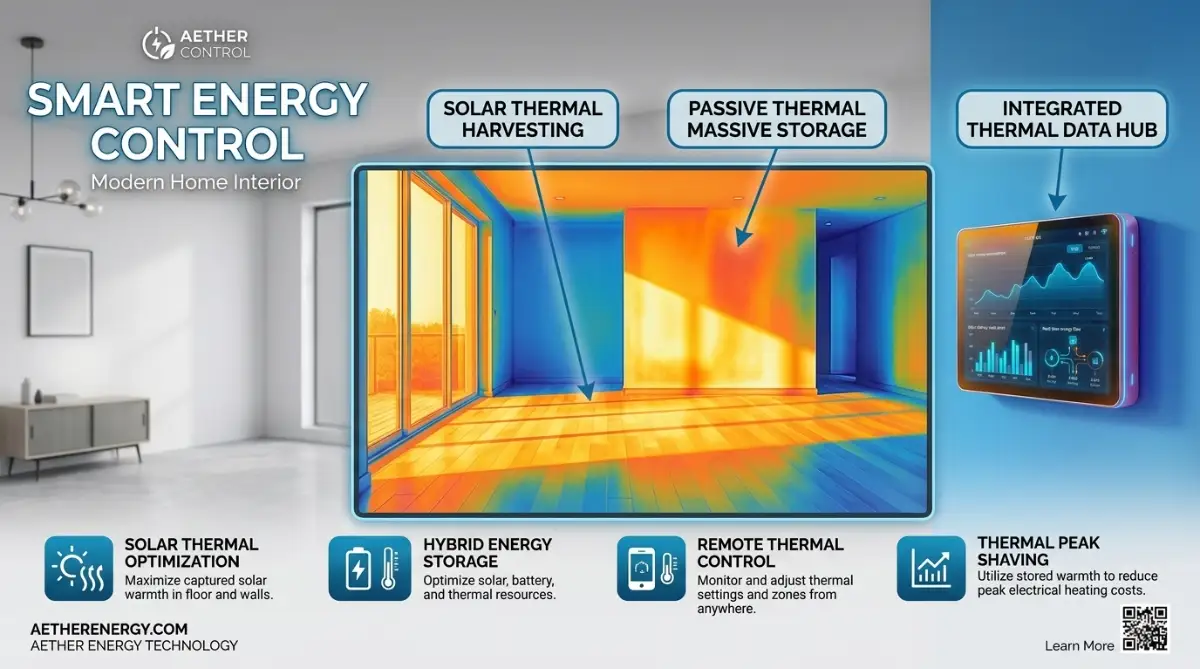
Now that you have sunlight pouring in, you need a way to grab it and hold onto it. This is where "thermal mass" comes into play. Thermal mass refers to dense materials that can absorb a lot of heat, hold it, and slowly release it later.
Imagine a sponge soaking up water. Thermal mass soaks up the sun's heat all afternoon. When the sun goes down and the room air gets cooler, the "sponge" slowly releases that stored heat back into the room.
Watch this incredibly helpful video to see thermal mass in action: Let a professional explain exactly how dense materials change the entire temperature profile of a room in this short visual guide.
Real-Life Math: How Sarah Slashed Her Heating Costs
Let’s look at a practical example of how much this actually matters. Sarah lives in a cold region and was paying around $300 a month to keep her gas furnace running all winter. Her living room had large south-facing windows, but they were covered by light-blocking decorative shades, and her dark tile floor was hidden under a massive, thick carpet.
Sarah decided to make a change. She rolled up the carpet to expose the dark tiles directly to the sun and opened her shades wide from 8 AM to 4 PM every day. She also bought a $50 set of thermal curtains to close tightly at sunset.
By simply capturing the sun during the day and trapping the heat at night, the room stayed 8 degrees warmer naturally. Her furnace worked significantly less. Her heating bill dropped to $180 a month. By spending just a little on curtains and rearranging her floor, she saved $120 a month in pure cash.
Choosing the Right Materials
Not all floors or walls can hold heat equally. If you have light-colored carpet, the sunlight will just bounce off and fail to warm the room long-term. Here is a look at what materials actually work best for holding heat.
Step 3: Trapping the Heat When the Sun Goes Down
Getting the heat inside is only half the battle. Your windows are giant holes in your home's insulation, and glass is a terrible at keeping heat inside. The moment the sun drops below the horizon, all that lovely warmth tries to escape back out through the cold glass.
You need to create a physical barrier to lock the heat inside your home. This means shutting your blinds and pulling heavy, insulated curtains shut the second the sun goes away. Do not wait until it gets dark; do it right at sunset.
Insulated honeycomb blinds or heavy thermal drapes are incredible investments. They create a pocket of dead air between the warm room and the freezing glass. This simple daily habit acts like putting a warm winter coat on your house every evening.
Expert Pro Tip: My Biggest Sun-Blocking Mistake
I completely ruined my own passive heating strategy when I first started. I bought this beautiful, thick wool rug and placed it right in front of my giant living room window because I thought it would feel warm on my feet.
I didn't realize that the rug was acting as a massive insulator against the sun. The rug stopped the sunlight from reaching the dense concrete floor beneath it. Once I moved the rug just three feet away from the window, the floor finally absorbed the heat, and my living room stayed warm well into the night.

Step 4: Stop the Invisible Heat Leaks
You can collect all the sun in the world, but if your house is full of invisible holes, the cold air will always win. Drafts are the ultimate enemy of a warm home. You need to seal up the gaps where your precious solar heat is leaking out.
Check the weatherstripping around your exterior doors and the caulking around your window frames. If you can feel a cold breeze on the back of your hand on a windy day, your money is flying out that crack.
A $5 tube of clear silicone caulk can save you hundreds of dollars over a winter season. Apply draft stoppers or simple rolled-up towels at the bottom of doors leading to unheated spaces like garages or basements. Keep the warm air exactly where you want it.
Honest Pros and Cons of This Approach
Before you completely turn off your furnace, it is smart to understand the reality of natural heating. Here is a totally honest look at what you can expect.
The Pros:
- Absolutely Free Energy: Once set up, the heat from the sun costs zero dollars.
- Silent and Natural: No loud blower motors, blowing dust, or dry artificial air.
- Environmentally Friendly: Reduces your carbon footprint drastically.
- Improves Mental Health: Bright natural sunlight in winter fights off seasonal blues.
The Cons:
- Weather Dependent: On heavily overcast or stormy days, you will still need backup heating.
- Requires Daily Action: You must actively open and close curtains at specific times.
- Can Fade Furniture: Direct, intense sunlight can fade fabrics or artwork over time.
- Overheating in Summer: You must use proper shading to block the sun during hot months.
Controlling the Summer Sun
A common fear is that this system will turn your house into an oven during the summer. Fortunately, nature has a built-in solution for this problem. The sun sits much higher in the sky during summer than it does in winter.
Because of this steep angle, roof overhangs or exterior awnings will naturally block the summer sun from hitting your windows directly. The sunlight hits the roof instead of passing through the glass.
If you don't have good overhangs, you can plant deciduous trees in front of your south-facing windows. These trees grow leaves in the summer to provide heavy shade. When winter arrives, they drop their leaves, allowing the low winter sun to shine right through the bare branches.
Managing Indoor Humidity
One hidden benefit of using natural heat is that it doesn't dry out your air the way mechanical furnaces do. Forced-air systems suck the moisture out of your rooms, leading to dry skin and sore throats.
By relying more on the sun, your indoor air retains a much more comfortable humidity level. If you use water features or dark containers of water for thermal mass, they also add a gentle, natural humidity to the room.
It makes the air feel softer and much warmer against your skin. You feel comfortable at a slightly lower room temperature simply because the air is not bone-dry.
Making Your Home Naturally Cozy
You now have a clear roadmap to stop fighting the cold and start using the sun to your advantage. It does not take expensive renovations or a degree in engineering to make a massive difference.
Start small tomorrow morning. Open your south-facing curtains wide, move that heavy rug out of the light, and let the sun hit your floors. Pay attention to how that room feels when evening approaches.
You will be amazed at how much natural, free energy is available to you. By combining smart window management, dense floor materials, and good insulation, you can transform your freezing house into a deeply comfortable, warm sanctuary. Take back control of your comfort and start enjoying the warmth you deserve.
Taking Your Natural Heat Strategy to the Next Level
Once you understand the basic concept of capturing sunlight, it is time to optimize how that heat moves through your home. The biggest challenge people face is having one incredibly hot sunroom while the rest of the house remains freezing. This happens because hot air gets trapped and cannot circulate naturally.
To fix this, you have to create a natural thermal loop. Warm air naturally rises to the ceiling, while cold air sinks to the floor. By understanding this simple law of physics, you can force the warm air out of your sun-facing rooms and push it into the colder, shaded areas of your house.
I started using a very simple trick to distribute the warmth. I placed a tiny, silent desk fan on the floor in the doorway of my darkest room, pointing it out toward the sunny living room. The fan blows the heavy cold air out of the dark room, which forces the warm ceiling air from the sunny room to flow in and replace it.
Pro Tip: Never point a fan directly at the ceiling to push warm air down. Instead, always move the cold air at floor level, and the warm air will naturally follow the vacuum you create.
This simple airflow trick completely balanced my home's temperature. You do not need to install expensive ductwork or complicated HVAC zoning systems. You just need to help the air move freely from the warm zones to the cold zones.
If you decide to upgrade your home's energy efficiency later, you might want to look into active systems. Learning how to calculate home solar panel requirements easily is a great next step if you want to completely eliminate your electricity bills. However, maximizing your passive setup first will mean you need a much smaller, cheaper active system later.
If you are serious about understanding building science, the National Renewable Energy Laboratory (NREL) offers amazing public resources on how air movement affects indoor climates. The science is incredibly clear on how effective passive design can be.
The Trap of Good Intentions: What Ruins Solar Heat
People often get incredibly excited about natural heating, but they accidentally sabotage their own efforts. I have seen homeowners spend a weekend rearranging their living rooms, only to feel absolutely zero difference in their indoor temperature. This usually happens because of a few invisible, yet highly destructive, mistakes.
The most painful mistake I see involves window upgrades. Many people spend thousands of dollars on brand new "energy-efficient" windows to keep their house warm. However, they buy windows with heavy Low-E (low-emissivity) coatings on the glass.
Low-E coatings are designed specifically to reflect the sun's heat away from your house. If you put these on your south-facing windows, you are literally bouncing your free winter heat back out into the yard. If you are learning how to prep your roof for solar panels and avoid costly leaks, you already know that small design choices have massive financial consequences. The same rule applies to your window glass.
Another massive failure is ignoring window cleanliness. You might think a thin layer of winter dust on the outside of your glass is harmless. In reality, that dust acts like a micro-shade, blocking up to 20% of the radiant energy from entering your home.
You must keep your south-facing glass spotless. If you know how to clean solar panels safely without scratching them, use those exact same gentle cleaning methods on your home's windows. Clean glass is the absolute foundation of natural warmth.
Debunking Natural Heating Myths
There is a lot of terrible advice floating around the internet about home heating. Let’s clear up the biggest misunderstandings right now so you do not waste your time or money.
If you are planning to eventually combine your passive setup with active grid-tied panels, you will also want to read up on how net metering works a simple guide to solar savings. Understanding how to balance natural heat with electrical power generation is the ultimate way to secure your financial freedom.
Your Weekend Sun-Harvesting Blueprint
Reading about thermal dynamics is great, but taking action is what actually lowers your gas bill. You do not need to hire a contractor to start capturing this energy. You can optimize your living space this coming weekend with just a few basic tools and a clear plan.
To make this completely foolproof, I have broken down exactly what you need to gather and the exact steps you need to take. Treat this like a fun weekend project that pays you back in cash every single month. By avoiding major solar panel installation mistakes that waste your money, you are already ahead of the game. Now, let's apply that same logic to your passive setup.
Required Document & Preparation Checklist
- A simple compass app on your smartphone (to find exact true south).
- An infrared laser thermometer (costs about $15 online, used to find cold air leaks).
- Heavy, insulated thermal curtains (measured to fit your south-facing windows perfectly).
- Clear silicone caulk and a caulking gun (for sealing invisible drafts).
- A notebook and pen (to track the sun’s path through your rooms at 10 AM, 12 PM, and 2 PM).
The Exact Step-by-Step Execution Guide
Step 1: Map the Solar Path
On your next day off, grab your notebook and track exactly where the sunlight lands on your floors throughout the day. Mark these areas mentally. These specific sun patches are your new heat engines, and they must remain completely unobstructed.
Step 2: Clear the Heat Engines
Remove any rugs, coffee tables, or large furniture sitting in those sun patches. If you have a dark-colored tile or hardwood floor, expose it directly to the light. The darker the material, the faster it will absorb the warmth.
Step 3: Seal the Envelope
Use your infrared thermometer around the edges of those windows. If you find spots that read significantly colder than the rest of the wall, you have a draft. Apply a thin line of clear silicone caulk to seal those tiny gaps and lock the cold air out.
Step 4: Establish the Nighttime Routine
Install your thermal curtains tightly against the window frames. Set a daily alarm on your phone for 15 minutes before sunset. When the alarm goes off, close the curtains completely to trap all the heat your floors absorbed during the day.
Quick Action Checklist
- Open all south-facing blinds fully by 8:00 AM every morning.
- Wash the exterior and interior of the glass to maximize light entry.
- Move all thick rugs away from the direct sunlight paths.
- Set up a small floor fan in a dark hallway pointing toward the sunny room.
- Close all insulated curtains the exact moment the sun begins to set.
Common Questions About Harnessing The Sun
What is the best material for thermal mass in a house?
Dark, dense materials like slate, ceramic tile, polished concrete, and stone are the absolute best for storing heat. They absorb energy quickly and release it slowly.
Do I need a special kind of glass for this to work?
For south-facing windows, you want glass with a high Solar Heat Gain Coefficient (SHGC). Avoid heavy Low-E coatings on the south side, as they reflect the free heat away.
Will my house get too hot in the summer?
Not if your roof has proper overhangs. The summer sun sits much higher in the sky, so a standard roof overhang naturally blocks direct light from hitting the glass.
Can I use indoor plants for thermal mass?
Large ceramic pots filled with damp soil hold a surprising amount of heat. Placing heavy potted plants in the sun path is a beautiful, functional way to add mass.
Why does my sunroom get cold so fast at night?
Glass offers almost zero insulation value, so heat escapes rapidly when the sun sets. You must use heavy, insulated thermal curtains to trap the warmth inside.
Does passive heating work on cloudy days?
You will capture significantly less heat during heavy overcast weather. This system relies on direct or bright indirect sunlight, so you will need your regular furnace as a backup.
Can I paint my floors black to hold more heat?
While black absorbs the most heat, any dark, earthy tone like deep brown, slate gray, or dark red works wonderfully. You do not have to ruin your home's aesthetic to make it functional.
How much money can I actually save doing this?
Depending on your climate and window size, optimizing passive heat can reduce your winter heating bills by 15% to 40%. It is a massive return for very little effort.
Do skylights help with passive heating?
Skylights are generally terrible for passive heating because they lose too much heat at night. Vertical, south-facing windows are far superior for controlling the climate.
What if my house faces east or west?
East windows provide nice morning warmth, and west windows get hot afternoon sun, but they are harder to control. South-facing glass is the only reliable way to capture consistent, low-angle winter heat.
Trusted Legal Resources
If you are planning major renovations, always consult official guidelines. Here are excellent resources for building standards and energy efficiency:
- U.S. Department of Energy (DOE)
- Environmental Protection Agency (EPA)
- National Renewable Energy Laboratory (NREL)
- Energy Star Official Guidelines
- Department of Housing and Urban Development (HUD)
- Database of State Incentives for Renewables & Efficiency (DSIRE)
Disclaimer: The information provided in this article is for educational and informational purposes only and does not constitute professional financial, architectural, or engineering advice. FinanceInfoIn and its authors are not liable for any damages, structural issues, or financial losses resulting from the implementation of these techniques. Always consult with a licensed contractor, architect, or local building authority before making any structural changes, modifying your home's HVAC system, or purchasing new windows. Regulations and building codes vary widely by location.
About the Author
Reviewed by Mithun Halder (Personal Finance & SEO Expert) & The FinanceInfoIn Editorial Team
The FinanceInfoIn Editorial Team researches personal finance, investing, insurance, mortgages, cryptocurrency, and consumer financial topics. Every article is carefully reviewed to provide clear, practical, and trustworthy educational information based on credible sources and industry best practices.
©2026 FinanceInfoIn. All rights reserved.