

Reading Time: 15 Minutes
Difficulty Level: Beginner to Intermediate
Reviewed By: FinanceInfoIn Editorial Team
Quick Summary
Starting your own company does not mean you have to pay massive attorney fees. You can legally establish your brand by understanding basic entity structures and filing directly with your state. Grabbing your federal tax numbers and setting up local permits is totally doable on your own. This guide walks you through every action you need to take to protect your assets while keeping your startup budget fully intact.
Key Takeaways
- You can file official formation documents yourself through simple state websites.
- Getting an Employer Identification Number (EIN) is absolutely free directly from the government.
- Knowing the difference between an LLC and a Sole Proprietorship saves you from future tax headaches.
- Using a registered agent service is much cheaper than keeping a lawyer on a monthly retainer.
The Overwhelming Reality of Startup Costs
Getting your official state approval certificate in the mail feels amazing, but many founders think the legal journey ends there. In reality, registering your LLC is only step one. The real challenge is keeping that legal protection alive year after year without paying a massive monthly retainer to a corporate attorney. If you fail to maintain proper corporate boundaries, courts can dissolve your liability protection instantly.
When you have limited funds, every single dollar feels heavy. You start doubting yourself when experts throw complicated legal words your way. The fear of doing something wrong and getting sued completely destroys your mental peace.
Every time you try to read a legal website, it feels like it is written in an alien language. It causes massive anxiety for ordinary hard-working people who just want to do things by the book. You want to focus on your customers, but instead, you are panicking over government forms.
Breaking Down the Legal Jargon
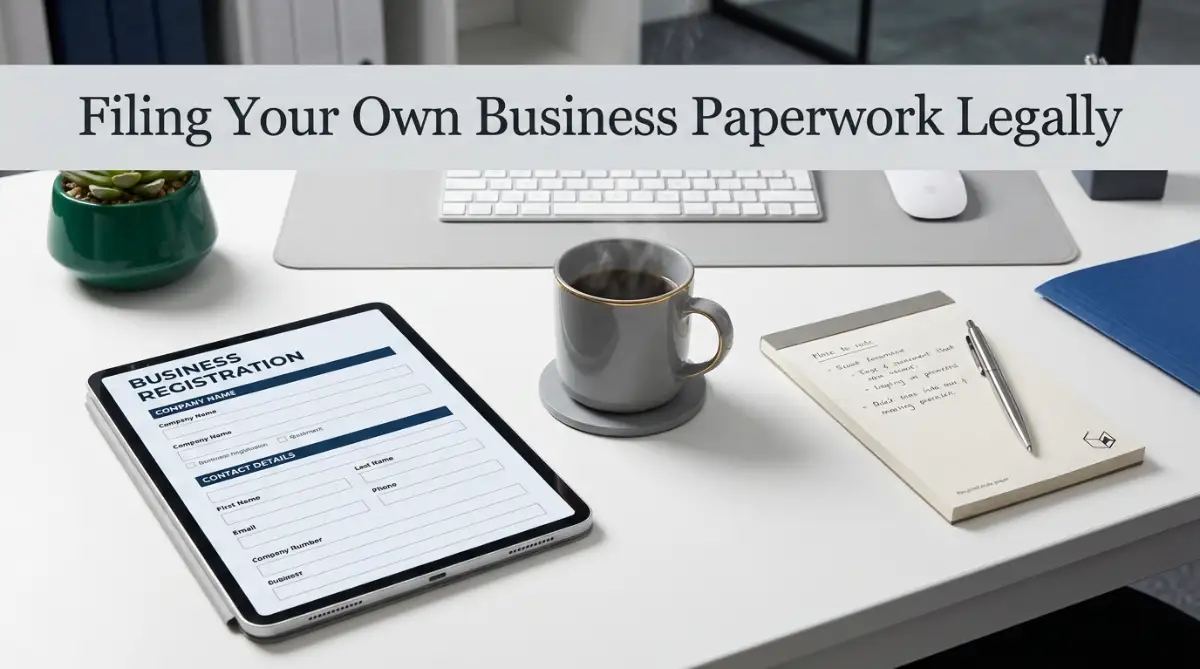
The truth is, attorneys often use big words for very simple forms. You do not need a law degree to understand how to legally protect your assets. The entire process is basically just filling out your name, address, and answering a few basic questions on a government website.
Think of registering your startup like applying for a driver's license. The first time you look at the manual, it seems intimidating. But once you understand the basic rules of the road, filling out the application is actually incredibly straightforward.
Expert Tip: Before you fill out any official forms, take a deep breath. Write out your business details on a plain piece of paper first. Having your address, desired name, and contact info ready makes the online process super smooth.
When you do the setup yourself, you take total control of your future. You learn exactly how your company operates from the inside out. This knowledge gives you massive confidence when talking to future investors or tax professionals.
Choosing the Right Legal Home for Your Dream
Before you file anything, you must decide what shape your company will take. This is simply deciding how the government will view you for taxes and liability. It sounds scary, but it is actually a very simple choice.
If you do absolutely nothing, you automatically operate as a Sole Proprietorship. This means you and the business are exactly the same person. If the business gets into trouble, your personal bank account is at risk.
On the other hand, a Limited Liability Company (LLC) creates a strong wall between your personal life and your business life. If the LLC gets sued, they generally cannot touch your personal house or car. For most ordinary people, this is the safest and most popular route.
Pro Tip: When I first started out, I operated as a sole proprietor to save money. I quickly realized the constant stress of personal liability was absolutely not worth the small savings. Setting up an LLC gave me total peace of mind and helped me sleep better at night.

The Free Secret: Claiming Your Business Identity
Once you know your structure, you need to lock down your brand name. You definitely do not want to print expensive signs or labels and then get a warning letter from someone else. You must make sure your chosen name is totally available.
You can do this by using the free search tool on your Secretary of State's website. Just type in your idea. If nothing exactly similar pops up, you are usually good to go.
Watch this helpful video before choosing your final name. Understanding how to check trademark databases early on will save you massive headaches later.
After checking the state, quickly search the federal trademark database. It is totally free and takes about five minutes. You are just making sure a big corporation does not already own the rights to your clever name.
Mapping Out the Necessary Paperwork
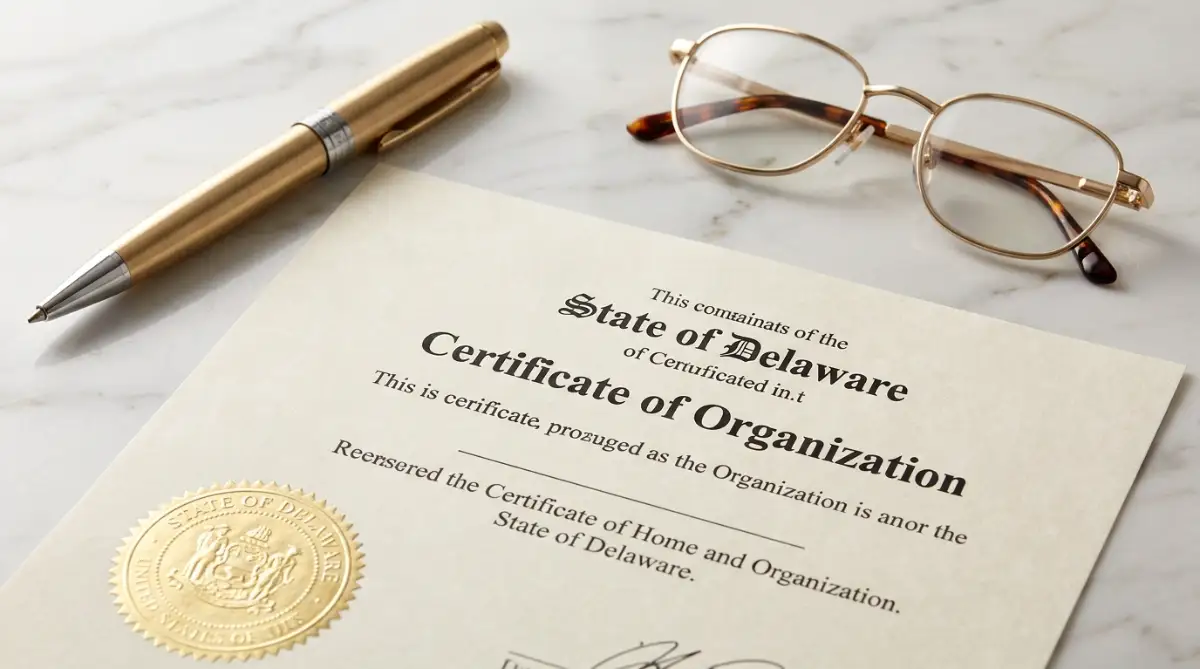
Now comes the actual legal step that makes you official. You need to file a document usually called the "Articles of Organization". Again, this sounds fancy, but it is really just a simple questionnaire.
You can find this form directly on your state's official website. You will fill in your approved name, your main address, and the name of the person running things. There is always a filing fee, which goes directly to the state, not an expensive middleman.
You also need to appoint a Registered Agent. This is simply someone who is available at a physical address during normal business hours to receive official mail. You can completely be your own agent for free if you work from home and do not mind your address being public.
If you want to keep your home address private, you can hire an affordable online agent service. They usually charge a very small yearly fee, which is a tiny fraction of what a lawyer would charge for the exact same service.
Navigating State Rules Like a Pro
Right after you get approved by the state, you must talk to the federal government. You need an Employer Identification Number, commonly called an EIN. Think of this as a social security number specifically for your company.
Many sketchy websites will try to charge you a hundred dollars to get this number. Do not fall for this trap. You can get an EIN completely for free directly from the official IRS website in about ten minutes.
You will need this nine-digit number to open a proper business bank account. It is also required if you ever plan to hire employees. Keeping your business money totally separate from your grocery money is the number one rule of good business.
Expert Tip: Open your business checking account the exact same week your state paperwork is approved. Do not mix a single personal dollar with your business cash, or you might accidentally break that legal wall protecting your personal assets.
Staying Compliant Without the Big Bills
The final piece of the puzzle is checking for local permits. Even if you are running a graphic design studio from your living room, your local city hall might want you to have a basic home occupation permit.
You do not need a lawyer to figure this out. Just call your local city clerk's office and talk to them like a normal human being. They are public servants, and they are usually extremely happy to tell you exactly which forms you need to fill out.
You should also type up a basic Operating Agreement. This internal document acts like a rulebook for how your company runs. Even if you are the only owner, having this document printed and signed makes your business look incredibly legitimate to banks and judges.
There are hundreds of affordable templates online that you can customize yourself. You just fill in the blanks with your company details. By taking these smart, actionable steps, you completely bypass the rich man's system. You keep your hard-earned cash where it belongs—growing your new business.
Next-Level Moves for Long-Term Business Protection
Once your initial state paperwork is approved, you might feel tempted to just relax. However, setting up your company is only the very first chapter of your business journey. You must establish a strong foundation so your personal assets stay permanently protected.
Think of your newly formed LLC like a waterproof tent during a rainstorm. It works perfectly until you start poking unnecessary holes in the canvas. The biggest hole new founders create is treating their business checking account like a personal ATM machine.
To keep that legal wall totally solid, you need an internal rulebook. This is called an Operating Agreement, and it explains exactly how your company makes decisions. Even if you are a one-person show, having this document printed and signed sitting on your desk is incredibly powerful.
Pro Tip: I highly recommend keeping a physical binder for all your official state documents. Having your EIN letter, state approval, and operating agreement in one physical place reduces massive anxiety when tax season arrives.
If you skip this step, a judge might view your company as a fake shield. You do not need to pay a lawyer thousands of dollars to write this rulebook for you. You can easily find free templates through trusted resources like the official SCORE business mentorship program to draft your own.
You should always focus on the big picture before spending more money on unnecessary advanced legal setups. In fact, many successful founders take the time to deeply understand how to validate your startup idea for free before they even worry about complex tax structures. Testing your market early saves you from registering a company that nobody actually wants to buy from.
Another expert secret is securing a DUNS number from Dun & Bradstreet. This is a totally free nine-digit number that helps establish your business credit profile. Building business credit early means you can eventually get loans without using your personal credit score.
Getting this right from day one puts you miles ahead of the competition. If you want to review the foundational steps again, checking out how to register your small business legally will refresh your memory. Always keep your corporate veil strong by treating your business like a completely separate living entity.

The Hidden Traps That Destroy New Founders
I have personally seen brilliant entrepreneurs lose their life savings simply because they made easily avoidable administrative errors. The legal system does not care about your good intentions if your paperwork is a total mess. Ignoring the basic rules can quickly strip away your personal liability protection.
One of the saddest situations is when a founder completely forgets to file their state annual report. Your state requires a simple yearly check-in, usually accompanied by a small fee. If you miss this deadline, the state can forcefully dissolve your company without any warning.
When your company gets dissolved, you lose your legal shield instantly. Suddenly, you are personally responsible for every single business debt or customer lawsuit. To avoid this nightmare, set up a recurring calendar alarm one month before your state deadline.
Common Mistakes to Avoid:
- Mixing the Money: Buying personal groceries with your business debit card is a massive red flag for the IRS. This completely destroys your legal separation.
- Ignoring Local Licenses: State approval does not mean you have permission to operate in your specific city. Always call your local city hall to check for zoning permits.
- Using a Fake Agent Address: Trying to save money by listing a fake address for your Registered Agent can result in missing a legal lawsuit notice.
- Delaying Tax Prep: Waiting until April to figure out your business taxes usually results in massive late fees and sheer panic.
Many people also start paying monthly subscriptions for expensive legal retainer services out of fear. You absolutely do not need an attorney on speed dial to run a standard online store or service business. Understanding basic cash management prevents you from wondering why bootstrapped startups collapse early.
Do not let the fear of making a mistake stop you from moving forward. The rules are honestly very logical once you remove the complicated legal vocabulary. Stay highly organized, keep your receipts, and always treat your newly formed company with absolute respect.
Quick Action Checklist
- Search your desired business name on the state database today.
- Write down your physical business address and contact information clearly.
- File your Articles of Organization through your official state website.
- Apply for your free Employer Identification Number (EIN) directly via the IRS.
- Open a dedicated business checking account using your new EIN.
- Print a basic Operating Agreement and sign it for your personal records.
- Call your local city clerk to ask about simple home business permits.
Your Future Begins with a Single Signature
I remember the exact afternoon my state approval email finally arrived in my inbox. Holding that printed document made every late night and moment of self-doubt completely worth it. You are entirely capable of taking control of your future without handing your hard-earned cash to an expensive attorney.
By taking these steady, methodical steps, you are actively building a safe home for your big ideas. You are protecting your family's assets while giving your business the professional respect it deserves. The paperwork might seem boring, but it is the strongest foundation you will ever build for your financial independence.
I know the journey ahead feels massive, but you have already taken the hardest step just by educating yourself. Which state are you planning to register your new business in? Let me know in the comments below!
Frequently Asked Questions About Business Formation
Do I absolutely need a lawyer to start my business?
No, you do not need a lawyer to file standard formation documents. Most states have very simple online portals designed specifically for everyday people to use.
How much does an EIN actually cost?
An Employer Identification Number is completely free when you apply directly through the official IRS website. Never pay a third-party service to get this number for you.
Can I use my home address for my LLC?
Yes, you can use your home address in most states. However, remember that this address will become part of the public record.
What is a Registered Agent anyway?
A registered agent is simply a person or service available during normal working hours to accept official legal mail. You can serve as your own agent if you meet the state requirements.
Is an LLC always better than a Sole Proprietorship?
For most people, an LLC is much safer because it protects your personal bank account from business lawsuits. A sole proprietorship offers zero personal asset protection.
How long does state registration usually take?
Online filings are often approved within a few business days, depending on your specific state. Mailing physical paper forms can sometimes take several weeks.
Do I need an Operating Agreement if I am the only owner?
Yes, having one is highly recommended even for single owners. It proves to banks and courts that your business is a legitimate, separate entity.
Will my business name be protected nationwide?
Registering your LLC only protects your name in that specific state. To get nationwide protection, you must apply for a federal trademark.
Do I have to file business taxes if I made zero money?
Yes, you usually still have to file an informational return or annual report with your state. Always check with a certified accountant regarding your specific tax filing duties.
Can I change my business structure later on?
Yes, you can upgrade your structure from an LLC to a Corporation in the future as you grow. The process simply requires filing conversion paperwork with your state.