
Reading Time: 15 Minutes
Difficulty Level: Beginner to Intermediate
Reviewed By: FinanceInfoIn Editorial Team
The Hard Truth About Car Repair Bills
Standing in the middle of a noisy auto repair shop, holding a greasy printed estimate, my stomach completely dropped. The mechanic pointed to my smashed bumper and calmly said a number that was bigger than my entire savings account.
I had just rear-ended a luxury sedan at a stoplight on my way home from work. Because I wanted to save a few dollars a month, I only bought the absolute minimum legal coverage.
My basic policy paid to fix the other driver’s fancy car, which was a huge relief. But I was left completely on my own to figure out how to pay for my own repairs.
I had to take the bus for three months while slowly paying off the mechanic. That one simple misunderstanding about what my policy actually covered set me back financially for a long time.
Millions of drivers make this exact same mistake every single day. We buy a policy just to get the legal paperwork, without understanding what happens when metal actually hits metal.
The stress of an accident is bad enough. Finding out your insurance company will not give you a single penny to fix your ruined car makes the nightmare so much worse.
If you are staring at an insurance quote right now, wondering which option to pick, you are in the right place. We are going to break down exactly what you are paying for, so you never have to feel that stomach-dropping panic at a repair shop.
Quick Summary
Third-party insurance only pays for the damage you cause to other people and their property. Comprehensive insurance pays to repair or replace your own vehicle if it is damaged by events outside of a collision, like theft, weather, or vandalism. Choosing between them depends entirely on your car's value and your personal savings.
Key Takeaways
- Legal Minimums: Third-party liability is usually required by law, while comprehensive is optional unless you have a car loan.
- Your Own Car: Third-party will never pay to fix your own vehicle under any circumstances.
- Weather and Theft: Only comprehensive coverage protects you against hail, floods, falling trees, and stolen cars.
- Value Matters: If your car is old and worth less than a few thousand dollars, extra coverage might be a waste of money.
Breaking Down Third-Party Protection
Let us start with the foundation of all auto policies. Third-party insurance is often called liability coverage.
Think of this as your legal shield. If you cause an accident, you are legally responsible for the mess.
This policy steps in to pay for the other person's medical bills and the repairs to their vehicle. It also covers damage you might cause to public property, like knocking over a street sign or a fence.
However, there is one massive rule you must remember. Third-party coverage never covers you or your car.
If you drive into a ditch and total your vehicle, a third-party policy gives you absolutely nothing. You will have to pay for a new car entirely out of your own pocket.
How Comprehensive Coverage Actually Works
Now, let us look at the other side of the coin. Many people assume comprehensive means everything is covered, but that is actually a myth.
Comprehensive insurance is very specific. It protects your car from things that happen when you are not driving, or from unavoidable natural events.
If a massive hailstorm shatters your windshield, this policy pays for it. If someone steals your car from your driveway overnight, this policy writes you a check for the vehicle's value.
It also covers fire damage, vandalism, floods, and hitting an animal on the highway.
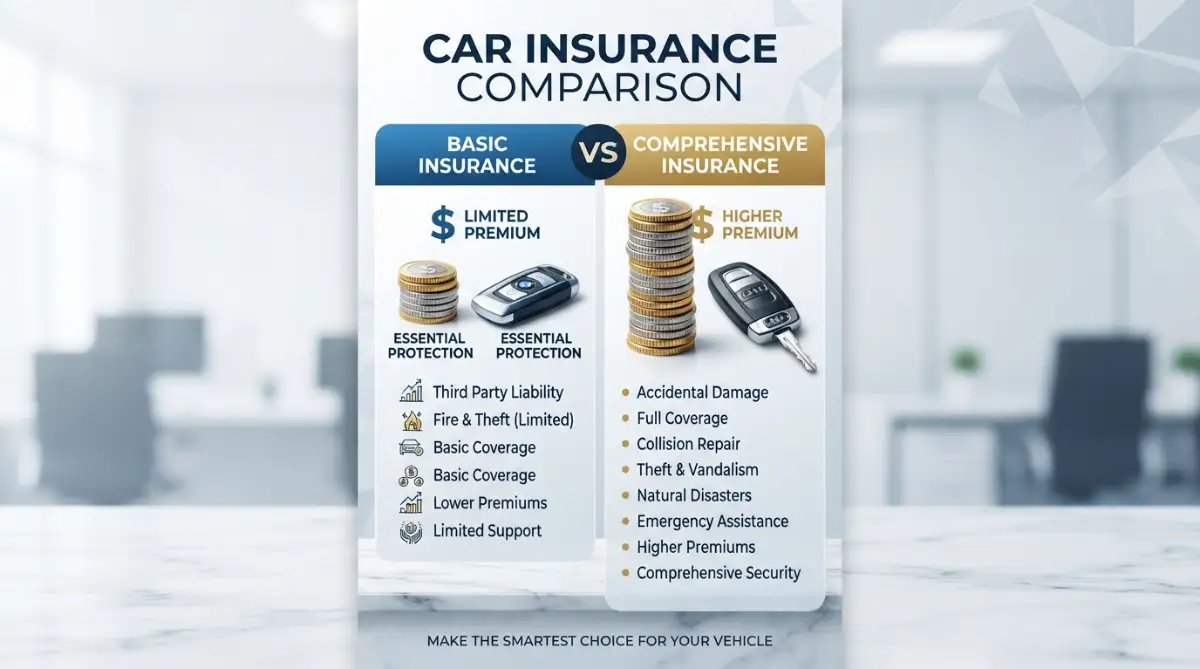
To make this super simple to understand, let us look at how these two options compare directly against each other.
Expert Tip: Before buying comprehensive coverage, always check the deductible. If your deductible is $1,000 and the hail damage to your car is only $800, your insurance will not pay anything. Always pick a deductible you can comfortably afford to pay on short notice.
The Financial Reality of a Claim
Understanding definitions is helpful, but seeing the actual math makes the choice much clearer.
Let us look at a completely realistic scenario. Meet David.
David drives a reliable sedan worth $15,000. One evening, during a violent thunderstorm, severe winds snap a massive tree branch right outside his house. The heavy limb crashes directly onto his parked car, crushing the hood and shattering the entire windshield.
The local repair shop inspects the vehicle and gives David an estimate of $8,000 to repair the bodywork and replace the broken glass.
If David only carries Third-Party liability insurance, he is in for a devastating financial shock. Because Third-Party coverage strictly pays for damage you cause to other people and their property, it pays exactly $0 for storm damage to your own vehicle. David is stuck paying the full $8,000 repair bill entirely out of pocket, potentially draining his savings or forcing him into high-interest debt.
Now, let us imagine David had added Comprehensive coverage with a $500 deductible.
Because falling objects and severe weather damage are explicitly covered under comprehensive policies, David simply pays his $500 deductible to the mechanic.
His insurance provider steps in and covers the remaining $7,500 of the repair bill. David gets his vehicle restored to perfect condition, and his personal finances survive an unpredictable disaster completely intact.
Here is an incredible resource to help you visualize this. Before we break down the exact math on how premiums are calculated, watching a visual explanation can really help clear up the confusion. This short video explains the core differences perfectly.
Honest Pros and Cons of Each Choice
Google loves to see clear, honest breakdowns. Before you sign any paperwork, you need to weigh the good against the bad.
Here is exactly what you need to know about choosing extra protection.
The Pros of Comprehensive Coverage:
- Peace of mind knowing your own asset is financially protected.
- Covers completely unpredictable events like wild weather and theft.
- Prevents you from taking on massive unexpected debt after a disaster.
- Often required by lenders, keeping you in good standing with your bank.
The Cons of Comprehensive Coverage:
- Makes your monthly or yearly premium significantly more expensive.
- You still have to pay a deductible before the company helps you.
- The company will only ever pay up to the current cash value of the car, which drops every year.
Navigating the Cost Factors
You are probably wondering how much this extra protection will actually cost you.
Insurance companies do not just guess a number. They use a very strict mathematical formula based on risk.
First, they look at where you live. If you park your car in a neighborhood with high crime rates, your cost for theft protection will spike.
They also look at the local weather. Drivers living in areas famous for hurricanes or massive hailstorms will pay more for this protection than someone living in a mild climate.
The actual car you drive is a massive factor. Parts for a rare European sports car cost much more than parts for a standard reliable sedan.
Therefore, the company will charge the sports car owner a much higher premium.
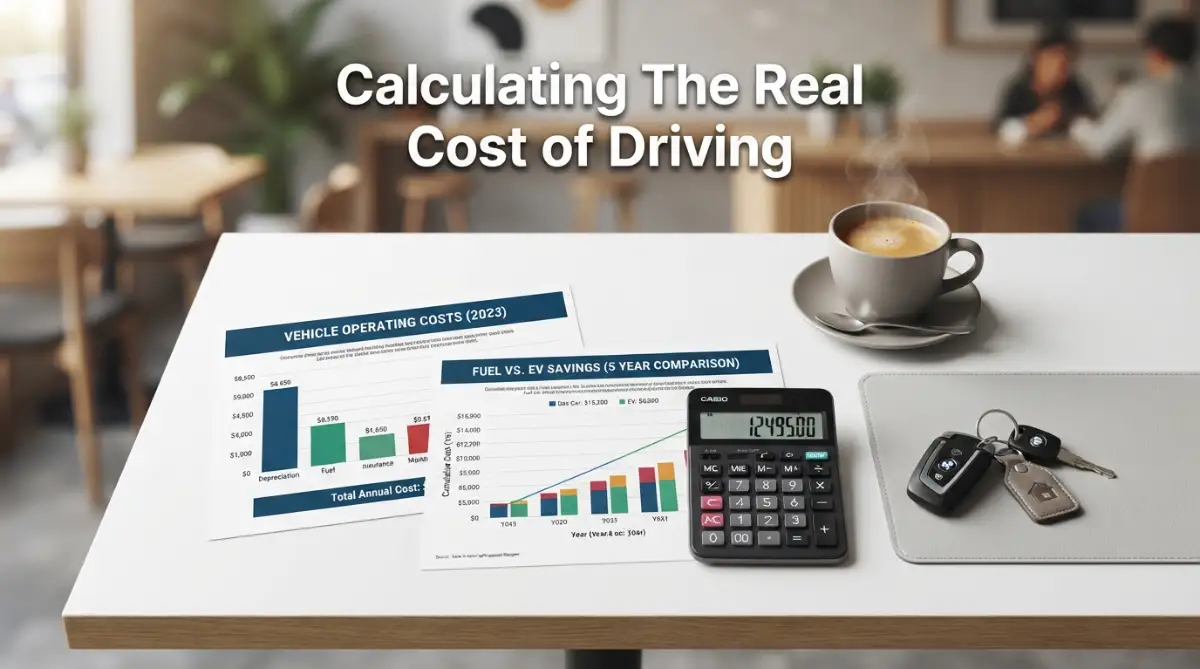
Here is a quick look at how your daily choices impact your wallet.

When to Drop Your Extra Protection
This is a question financial planners hear all the time. When is it safe to cancel your comprehensive protection and just stick to the basics?
I actually faced this exact dilemma a few years ago. My old sedan had 150,000 miles on it and the paint was peeling.
I was still paying $400 a year for extra protection. One day, I looked up the actual cash value of the car online and realized it was only worth $1,500.
My deductible was $500. This meant the maximum payout I could ever get from the insurance company, even if the car was stolen and completely destroyed, was $1,000.
Pro Tip: I realized I was paying nearly half of the car's potential payout every single year in premiums. I immediately called my agent, dropped the extra coverage, and put that $400 straight into a savings account for a future down payment.
If your car is older and the total value is less than what you would pay in a few years of premiums, it is time to drop the coverage.
On the other hand, if you are driving a brand new SUV worth $40,000, dropping your extra coverage is a massive financial gamble.
If a tree falls on that new SUV, losing a $40,000 asset overnight could ruin your financial future.
Structuring Your Final Decision
Making the right choice really boils down to three simple questions.
Do you have a loan on the vehicle? If yes, your bank will automatically force you to carry full protection. You do not have a choice.
Could you afford to replace the car tomorrow with cash? If the answer is no, you need the extra protection to act as your financial safety net.
What is the actual Kelley Blue Book value of the vehicle right now? If the number is incredibly low, stick to the basic legal liability limits.
Here is a final decision matrix to help you lock in your choice.
Wrapping Up Your Coverage Decision
Insurance is essentially just a way to transfer financial risk from your own shoulders onto a large company.
You pay them a small amount of money every month so they take on the big risks.
Basic policies keep you out of court and cover the damage you cause to others. It is the polite and legal way to operate a machine on public roads.
The extra protection is entirely about defending your own net worth. It stops bad luck, bad weather, and bad people from draining your bank account.
Take a hard look at your current policy today. Check your deductibles, look up the current value of your car, and make sure your safety net actually makes mathematical sense for your life.
Smart Strategies to Master Your Auto Coverage and Save Money
Managing your car policy does not have to be a guessing game. By understanding a few insider secrets, you can protect your wallet and your peace of mind. Many drivers simply pay their renewal bill every year without realizing they are overpaying for outdated coverage.
To take control of your financial future, you need to understand how the system works. Learning the basic details of how policies are priced can save you thousands of dollars over the lifetime of your vehicle. A great place to start is by checking out our guide on car insurance explained simply to understand what is covered.
One of the smartest long-term strategies is to bundle your policies. Most major providers will offer massive discounts if you purchase both your home or renters coverage and your auto coverage from them. This simple step can immediately lower your monthly bills without reducing your protection.
Another advanced strategy is to look into telematics programs. Many modern providers offer a small plug-in device or a mobile app that tracks your driving habits. If you drive safely, keep low mileage, and avoid driving late at night, you can unlock premium discounts of up to thirty percent.
You should also review your policy details regularly to make sure you are not paying for duplicate services. For example, if you already have a premium credit card or a motor club membership, you probably do not need to pay extra for roadside assistance on your auto policy. Eliminating these small, overlapping add-ons can quickly clean up your insurance budget.
Here are some highly effective, practical actions you can take today to optimize your insurance costs:
Pro Tip: Never set your comprehensive deductible higher than what you can pull from your emergency fund within twenty-four hours. If you cannot afford to pay your deductible after a storm or a theft, your policy cannot help you get back on the road quickly. Keep that money parked in a safe, accessible place.
Before changing any coverage, it is wise to learn how to manage your deductibles correctly. You can learn more about how deductibles work by reading our simple guide on what is a deductible and how it works. This will help you balance your monthly budget against unexpected emergency costs.
Hidden Risks and Costly Missteps Drivers Make When Buying Policy Coverage
Selecting the wrong type of policy can lead to severe emotional stress and financial devastation. Many people try to save money by purchasing a cheap third-party policy, only to regret it deeply when a natural disaster strikes.
Imagine waking up after a terrible storm to find a massive oak tree lying across the roof of your car. If you only bought basic liability coverage, your provider will deny your claim instantly, leaving you with a crushed vehicle and no way to get to work. Understanding what comprehensive auto insurance actually covers is essential to protecting yourself from these sudden natural disasters.
Common Mistakes
- Choosing the Absolute Lowest Legal Limits: Minimum legal liability limits are often far too low to cover a modern multi-car accident.
- Hiding Your Daily Commute Details: Telling your insurer that you only use your car for pleasure when you actually drive sixty miles a day to work can void your policy.
- Neglecting to Report Car Modifications: Installing expensive custom parts without informing your provider means those parts will not be covered if stolen.
- Failing to Update Your Household Drivers: Leaving a teenager or spouse off your policy can lead to a completely denied claim after an accident.
If you ever find yourself in a situation where your insurer refuses to pay, you need to know your rights. Read our guide on why your car insurance claim was denied to discover how you can contest their decision. You can also explore our expert tips on how to stop your auto insurance company from denying claims to protect your policy from the start.
To help you decide when it is actually smart to use your insurance, use this helpful guide to weigh your options: