

Reading Time: 12 Minutes
Difficulty Level: Beginner to Intermediate
Reviewed By: FinanceInfoIn Editorial Team
The Sudden Shock of a Legal Notice
Standing in the grocery checkout line with barely two dollars in my pocket was already stressful enough. I was quietly calculating how long a single loaf of bread could actually last me. Then, my phone buzzed with an urgent text from my roommate about a strange delivery person leaving a thick, certified envelope at our front door. When I finally got home and tore the paper seal open, my stomach completely dropped. Right there, printed in bold black ink, was a formal legal order demanding my appearance in court. My mind instantly went entirely blank.
You feel an overwhelming wave of panic, instantly assuming you did something terrible. Your sleep becomes completely impossible because your brain keeps playing out the worst possible scenarios. A subpoena feels like a direct threat to your normal everyday life, even if you are just being called as a simple witness. But I want you to take a deep breath right now.
You are entirely capable of handling this, and you are definitely not alone. I have been in those exact shoes, feeling completely powerless and confused by the heavy legal jargon. We will walk through this process together, step by step, so you can regain your confidence and protect your peace of mind.
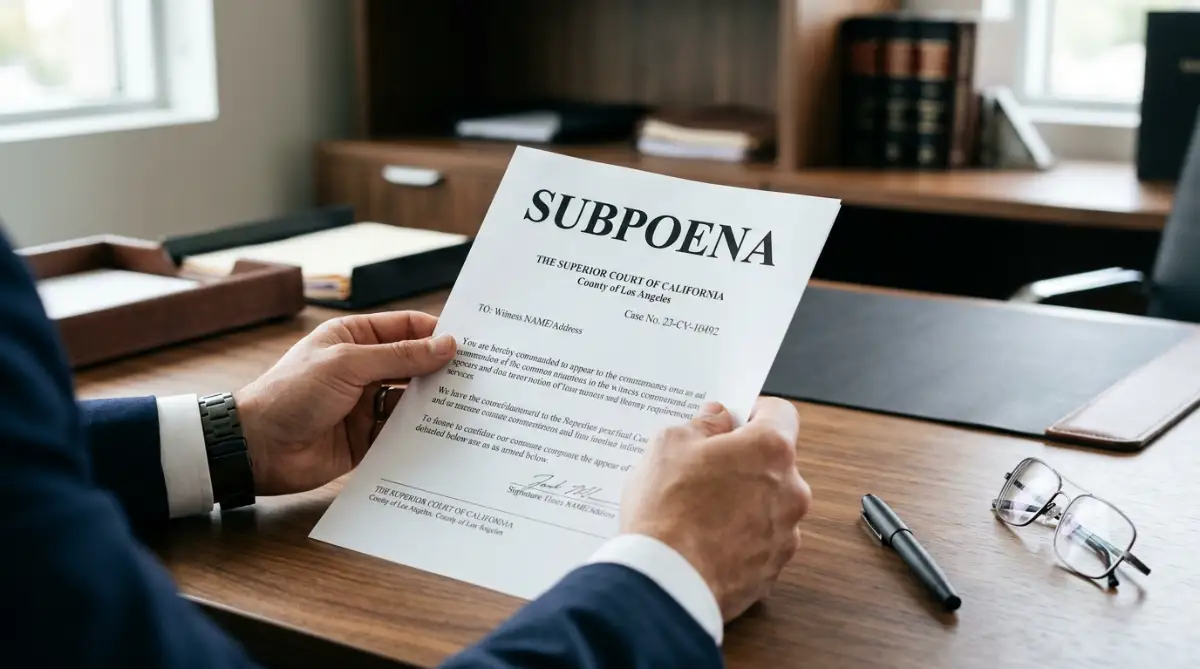
Table of Contents
- The Sudden Shock of a Legal Notice
- Quick Summary
- Key Takeaways
- Pausing and Understanding Your Position
- Immediate Actions You Must Take Today
- Gathering and Protecting Your Evidence
- Seeking Professional Guidance
- Preparing Yourself Mentally for the Day
Quick Summary
Getting a subpoena can be terrifying, but it simply means the court needs your specific knowledge. Do not ignore the document, as that can lead to serious penalties. Read the instructions carefully, preserve all related documents, and consult a qualified attorney immediately. Taking calm, organized steps right now will heavily reduce your stress and protect your rights.
Key Takeaways
- Never ignore a subpoena: Pretending it does not exist can result in severe legal trouble.
- Identify the type: Understand if you need to just speak or if you need to provide documents.
- Keep your mouth shut: Do not discuss the case with anyone other than your hired lawyer.
- Preserve evidence: Immediately stop deleting emails, texts, or files related to the specific case.
Pausing and Understanding Your Position
The very first thing you need to realize is that being summoned does not automatically mean you are in trouble. A subpoena is essentially just a formal invitation that you cannot decline. The court or a lawyer believes you have information that can help uncover the truth in a specific case.
Think of the justice system as a massive puzzle. Right now, they believe you are holding one of the missing pieces. They just want to look at your piece to see how it fits into the bigger picture.
It is absolutely normal to feel intimidated by the heavy legal language used in the document. Lawyers write these forms for other lawyers, not for everyday people. Instead of trying to understand every single complicated word, just focus on the basics. Find out who is asking for you, where you need to be, and exactly when you need to be there.
Immediate Actions You Must Take Today
Once the initial shock wears off, you need to shift into action mode. The clock starts ticking the moment you accept that envelope. Do not put it in a drawer and tell yourself you will deal with it next week.
Your first actionable step is to read the entire document slowly, from the first line to the very last. Grab a highlighter and mark the exact date of your required appearance. If you miss this deadline, the court can hold you in contempt, which means fines or even jail time.

Watching a real-world explanation can instantly calm your nerves. Before you make a single phone call, take a moment to watch this short guide on handling legal summons without panicking.
Do Not Talk About the Case
Human nature makes us want to talk about stressful events with our friends, family, or coworkers. You must fight this urge completely. Discussing the details of the subpoena with anyone other than a lawyer can actually harm the case and your own standing.
If you talk to someone else involved in the case, it might look like you are trying to coordinate your stories. This can destroy your credibility as a witness. Keep the information entirely to yourself.
Expert Tip: Always scan your subpoena using your smartphone and email a copy to yourself. Physical papers can get lost or damaged by an accidental coffee spill. Having a digital backup ensures you always have the court dates and contact numbers right in your pocket.
Gathering and Protecting Your Evidence
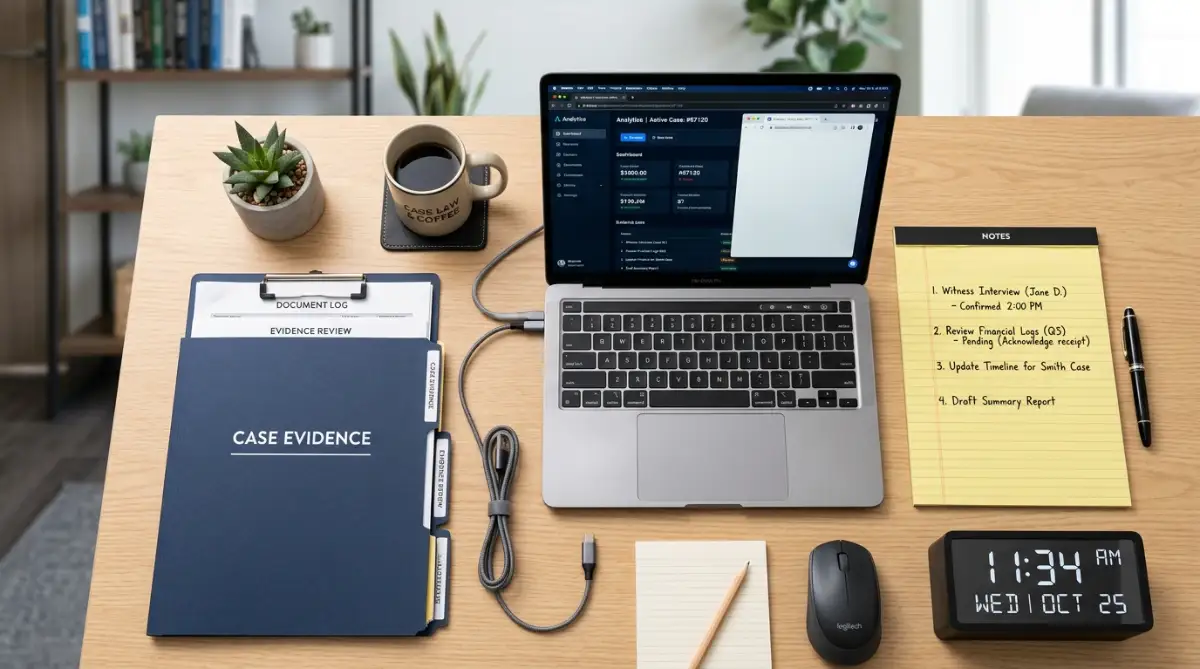
If your summons asks for documents, your next phase is preservation. This is where many people make completely innocent mistakes that look highly suspicious to a judge. You might think cleaning up your email inbox is harmless, but the court might see it as destroying evidence.
The moment you receive the document, you have a legal obligation to stop deleting anything related to the individuals or the specific topic mentioned. This includes text messages, voicemails, printed receipts, and even calendar appointments.
Imagine you are preserving a historical site. You cannot move, alter, or paint over anything. You just need to put a fence around it and keep it exactly as it is.
Organizing Your Digital and Physical Life
Start by creating a dedicated space for this specific issue. Buy a thick physical folder for printed papers and create a new folder on your computer desktop for digital files. Move copies of everything relevant into these spaces.
Do not edit, crop, or alter any digital photos or documents. Provide them in their raw, original format.
Pro Tip: I learned this the hard way during a minor dispute a few years ago. I thought I was being helpful by highlighting sections on an original document before submitting it. My lawyer later explained that altering an original piece of evidence, even with a highlighter, can make it completely invalid in court. Always make a photocopy if you need to make personal notes.
Seeking Professional Guidance
Many people assume they only need a lawyer if they are guilty of a crime. This is a massive misconception. Consulting with an attorney after receiving a subpoena is just basic self-protection.
The legal system has complex rules that you simply do not know. A lawyer will translate the legal demands into plain English for you. They can also look over the document to make sure it was issued correctly. Sometimes, subpoenas are too broad or demand things that violate your personal rights.
If the request is unreasonable, your attorney can file a motion to modify or completely dismiss the subpoena. You do not have the power to do this on your own effectively.
What to Bring to Your Consultation
When you schedule an appointment with an attorney, be completely prepared. Bring the original subpoena, any documents you have gathered, and a list of questions you want to ask.
Be one hundred percent honest with your lawyer. They cannot protect you if you hide embarrassing or damaging facts from them. Their office is a safe zone where you can share the entire unpolished truth.
Preparing Yourself Mentally for the Day
Testifying under oath is rarely like the dramatic scenes you see in movies. It is usually a very slow, methodical, and quiet process. The opposing lawyer is not going to pace around the room screaming at you.
Your main job is to tell the simple truth based entirely on what you personally saw, heard, or experienced. You do not need to guess, and you do not need to fill in the blanks. If you do not know the answer to a question, "I do not know" is a perfectly acceptable and legally sound answer.
Listen to every single question carefully. Take a full two seconds before you open your mouth to respond. This gives you time to digest the question, and it gives your lawyer time to object if the question is unfair.
By taking these calm, structured steps today, you strip the fear away from the process. You shift from being a panicked recipient to a prepared, organized individual ready to fulfill your civic duty without compromising your own peace of mind.
Mastering the Deposition Room Without Breaking a Sweat
Walking into a deposition room or a courtroom feels intimidating, but it is actually a very controlled environment. The secret to surviving this process is understanding that you are only there to answer questions, not to tell a story. Many people mistakenly believe they need to convince the room of their innocence or prove a specific point.
Your sole responsibility is to provide absolute facts based on what you directly observed. If you did not see it with your own eyes, it does not belong in your testimony. Think of your testimony like taking a highly specific multiple-choice test where you only answer the exact question written on the paper.
When you sit down with your attorney, they will likely teach you the "Listen, Pause, Answer, Stop" method. This is a brilliant psychological tool that keeps you grounded and prevents you from rambling. You listen carefully, wait two full seconds, give a direct answer, and then completely shut your mouth.
Pro Tip: Never volunteer extra information that the lawyer did not explicitly ask for. If they ask if you know the time, you simply say "Yes" or "No". You do not look at your watch and tell them it is four o'clock unless their next specific question asks for the exact time.
If you run an internet-based company and receive a demand for server logs, knowing how to legally protect your online business is a massive advantage. Corporate demands often require huge amounts of data extraction. Finding an experienced attorney is critical, and the process is very similar to how to choose the right personal injury lawyer for your case. You want someone with an excellent track record in specific document defense.
Preparation is the ultimate cure for courtroom anxiety. Getting your files ready for review is exactly like preparing for a divorce lawyer consultation. You need everything clearly labeled, chronologically sorted, and safely backed up before you ever step foot inside a legal office.