Reading Time: 12 Minutes
Difficulty Level: Beginner to Intermediate
Reviewed By: FinanceInfoIn Editorial Team
Table of Contents
- Quick Summary
- Key Takeaways
- The Empty Wallet and the Official Envelope
- Making Sense of Digital Slices and Real-World Dirt
- How Automated Escrow Changes the Game
- Who Actually Cuts the Check to the Government?
- The Hidden Danger of Overlooking Local Assessments
- Debunking the Biggest Digital Real Estate Tax Myths
Quick Summary
Understanding tokenomics property tax does not have to be complicated for first-time homeowners. This guide breaks down how fractional ownership on the blockchain intersects with local government tax laws. You will learn how smart contracts handle escrow payments, who holds the final liability, and how to protect your investment.
Key Takeaways
- Tokenomics does not replace local tax laws; your local county still expects traditional property taxes.
- Fractional ownership means your tax burden is usually split proportionally based on your token share.
- Smart contracts often automate tax deductions, acting like a digital escrow account.
- Keeping a cash reserve in your digital wallet is essential to avoid defaulted automated payments.
The Empty Wallet and the Official Envelope
I was standing at the kitchen counter staring at an official brown envelope from the local county tax assessor. My bank account had exactly $43 left after paying all the closing costs for my very first home purchase. This was not just a regular house, though.
I had bought into a tokenized property, completely believing that the blockchain would magically handle all the boring administrative stuff. Suddenly, massive panic set in as I looked at the heavy tax figure printed on the paper. Did I owe this entire amount all by myself?
Would the decentralized platform pay it automatically, or was the local government about to put a lien on my new home? My chest felt incredibly tight, and I honestly just wanted to throw the paper in the trash and pretend it did not exist. I felt entirely overwhelmed by a system I thought I understood.
The anxiety of hidden fees is a massive weight on the shoulders of any new homeowner. You finally get the keys or, in this case, the digital tokens, but then the local government steps in to demand their cut. Add digital assets into the mix, and it feels like you are reading a foreign language.
Ordinary people lose sleep worrying about losing their hard-earned investment over unpaid, confusing dues. The mental exhaustion is completely real when traditional bureaucracy clashes with modern technology. You just want to enjoy your new asset in peace, without the constant fear of making a costly legal mistake.
Making Sense of Digital Slices and Real-World Dirt
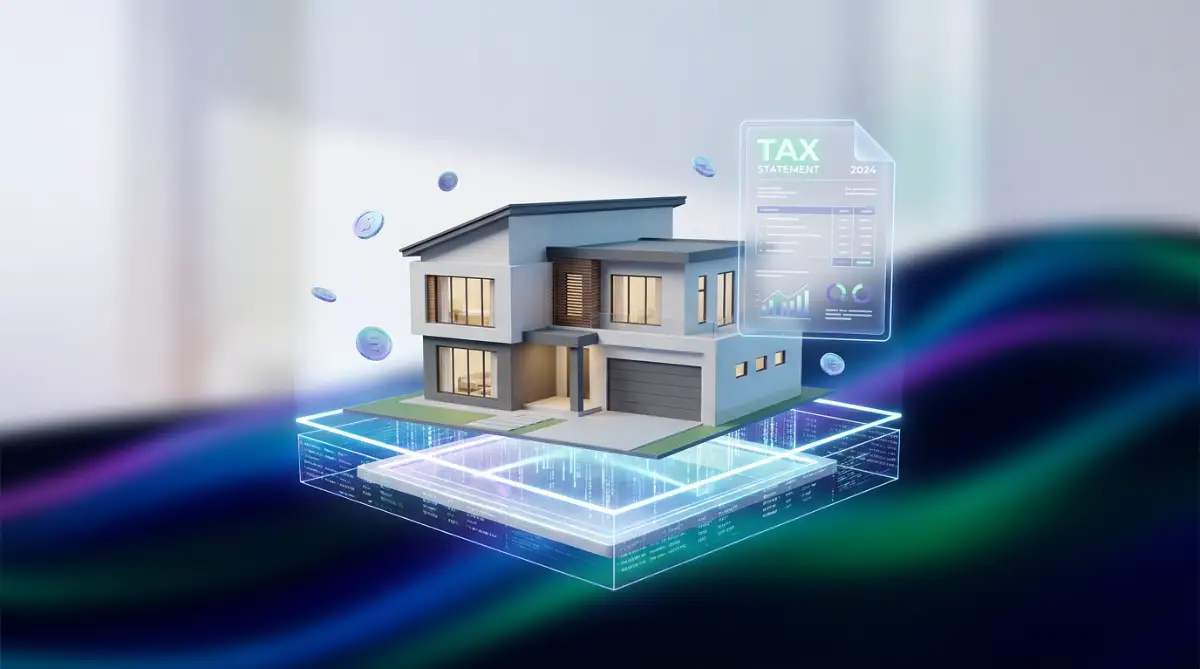
Let us break down what tokenomics actually means when you connect it to a physical piece of real estate. Think of a physical house as a large, whole pizza sitting on a table. Tokenization simply means cutting that pizza into hundreds of tiny, equal slices so multiple people can buy a piece.
Even though you only own a digital token on your phone, that token represents real-world dirt and bricks. The local government does not care about blockchains, digital wallets, or crypto terminology. They only care about the physical land and the building sitting on it.
When the town assesses the value of that property, they issue one single tax bill for the entire house. They do not send a tiny tax bill to every single person who owns a digital token. This creates a bridge that must be crossed between the digital owners and the traditional tax collector.
To solve this, the platform that sold you the tokens usually sets up a specific legal entity, like an LLC, to hold the actual paper deed. That LLC is the official owner in the eyes of the local government. Therefore, the LLC receives the property tax bill in the mail, not you.
Expert Tip: Always read the governing documents of the real estate token platform before you buy. You need to know exactly which legal entity is holding the deed and taking responsibility for dealing with the local county tax assessor.
How Automated Escrow Changes the Game
If the LLC gets the bill, how do you end up paying your fair share? This is where the magic of tokenomics property tax really shines through smart contracts. A smart contract is simply a piece of computer code that automatically follows instructions without human intervention.
In the traditional mortgage world, your bank collects a little extra money every month and puts it into an escrow account to pay your taxes at the end of the year. Tokenized real estate does the exact same thing, but it uses code instead of a bank manager. The smart contract automatically holds back a tiny percentage of your rental income or digital dividends.
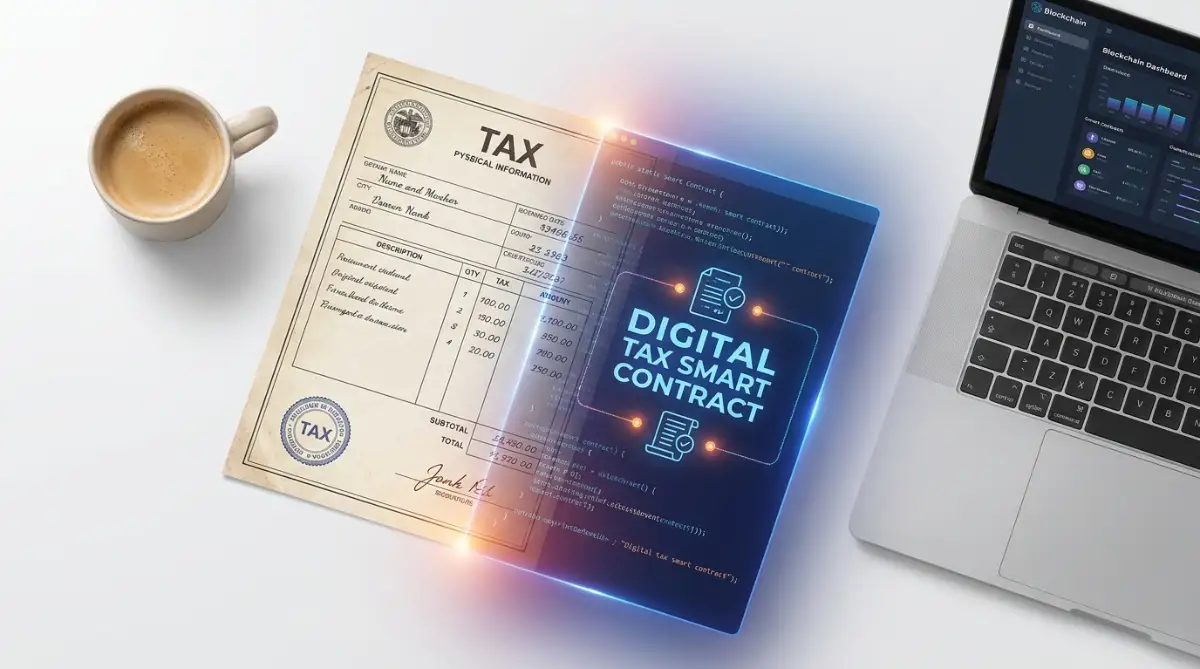
"Watch this quick breakdown to understand exactly how smart contracts automate your monthly property expenses without needing a bank manager."
By the time the annual property tax bill is due, the smart contract has already pooled enough money from all the token holders. It then converts those digital funds into regular cash and pays the local tax authority. You never have to write a physical check or worry about missing a deadline.
I actually learned a harsh lesson about this system during my first year of fractional ownership. I assumed the smart contract would just deduct the tax from my future profits automatically.
I didn't realize my specific platform required me to keep a small balance of stablecoins in my wallet to cover property taxes during vacant months. When the automated deduction triggered, my transaction failed due to insufficient funds, and I was hit with a hefty late penalty fee by the platform. Always keep a small cash buffer in your connected digital wallet just in case the property doesn't generate income one month.
Who Actually Cuts the Check to the Government?
Even with smart contracts doing the heavy lifting, there is still a physical process that has to happen. The local tax collector still expects US dollars, not digital tokens. The management company handling the property takes the pooled money from the smart contract.
They are the ones who actually interface with the government, clear the payment, and ensure the property remains in good standing. Your primary job as a token holder is simply to ensure your account is funded.
This setup massively reduces the stress of homeownership for beginners. You get the financial benefits of owning real estate without the headache of tracking assessment dates. However, you are still financially liable for your portion of the tax.
If the entire network of token holders fails to cover the tax bill, the local government can still foreclose on the property. That means everyone loses their investment, regardless of what the blockchain says. It is a shared responsibility managed by technology.
The Hidden Danger of Overlooking Local Assessments
One thing many new investors forget is that property taxes do not stay the same forever. Local governments regularly reassess the value of homes in their area. If the neighborhood improves or the property gets renovated, the assessed value goes up.
When the assessed value goes up, the tokenomics property tax burden increases for every single token holder. Your smart contract might suddenly start deducting more money from your digital wallet than it did last year. This catches a lot of first-time buyers completely off guard.
You need to pay attention to the local real estate market where your tokenized property is located. Do not just look at the digital dashboard provided by the blockchain platform. Read local news about tax rate changes in that specific county.
Understanding the physical location of your digital asset gives you a massive advantage. You will know exactly when to expect an increase in your automated deductions. Planning ahead keeps your budget safe and your mind at peace.
Debunking the Biggest Digital Real Estate Tax Myths
When new technologies blend with old laws, rumors spread quickly. Many people think that buying real estate on the blockchain makes them completely invisible to the IRS or local tax authorities. This is a massive and dangerous misconception.
Digital tokens leave a permanent, public trail on the blockchain. Every single transaction you make, including the taxes you pay via smart contracts, is recorded forever. Tax authorities are getting very good at tracking digital property ownership.
Another common myth is that owning a fraction of a home means you do not have to report it on your personal income taxes. While the LLC pays the local property tax, you are still earning income from your tokens. You must report those earnings to your national tax agency.

Tokenomics property tax is simply the modernization of a very old system. It takes the heavy lifting off your shoulders by using code to pool money and pay the bills. As long as you understand the basic mechanics, you can enjoy the benefits of property ownership with significantly less stress.
Advanced Strategies for Managing Digital Real Estate Levies
Now that you understand the basic mechanics, we need to talk about protecting your investment long-term. Just buying a token and hoping for the best is a recipe for a massive financial headache. You must actively monitor how your local county assesses the underlying physical land.
One of the smartest things you can do is treat your digital asset exactly like a physical property. You should review the official tax records of the physical property at least once a year. Many beginners skip this step, completely forgetting that local tax rates frequently change.
If the county raises the property value, your automated blockchain deductions will increase as well. To prepare for this, you must grow your digital asset portfolio without losing sleep by keeping a healthy cash reserve. I always recommend keeping an extra 15% of your expected tax bill sitting in stablecoins inside your wallet.
This simple buffer protects you if the property faces a sudden special assessment by the local government. To handle these technical elements confidently, mastering smart contract basics is an absolute must for every new buyer. You need to know how to read the code that legally binds your digital money to physical tax obligations.
Pro Tip: I once ignored an email update from my platform's decentralized autonomous organization (DAO) about a local tax hike. Because I didn't adjust the stablecoin balance in my wallet, my automated payment failed, and I was locked out of my rental dividends for an entire quarter. Always read platform governance updates and adjust your digital reserves immediately.
By taking a proactive approach, you stay entirely in control of your financial future. You can check the Internal Revenue Service digital assets guide to see how these payments might affect your personal income reporting. Staying compliant keeps the government out of your wallet and secures your peace of mind.

Your Quick Action Checklist for Tax Season
Before the annual assessment period rolls around, you need to make sure your digital house is in order. Missing a single step can lead to failed payments or unexpected penalties from the management platform. Follow these actionable steps to keep your investment entirely safe.
- Review the deed holder: Verify the exact name of the LLC that holds the physical property deed in the county records.
- Check wallet balances: Ensure your connected digital wallet has enough stablecoins to cover upcoming automated deductions.
- Secure your assets: Take immediate easy security steps to secure your crypto wallet so hackers cannot drain your tax reserve funds.
- Read the latest whitepaper updates: Platforms change rules; always know how to read a crypto whitepaper like a pro to spot hidden administrative fees.
- Monitor local news: Set a Google Alert for the city or county where your tokenized property is located to track municipal tax hikes.
- Export transaction history: Download your entire smart contract payment history as a CSV file before you visit your personal accountant.
Dangerous Pitfalls That Can Cost You Your Investment
The intersection of real-world real estate and blockchain technology creates plenty of room for error. When things go wrong here, they go wrong in a very expensive way. People easily get caught up in the excitement of digital ownership and completely ignore the boring, legal realities of physical dirt.
Ignoring the Platform's Fiat Conversion Fees
Many smart contracts collect your tax money in crypto, but the county only accepts US dollars. The platform management company has to convert your tokens into cash, and they rarely do this for free. If you do not account for these hidden conversion fees, your actual tax contribution will fall short.
Failing to Report Income to National Agencies
People mistakenly believe that if the LLC pays the local county tax, their hands are entirely clean. However, the rental yields you earn before the tax deduction are still considered personal income. If you hide this from your national tax agency, you could face severe audits and massive legal fines.
Panicking During Market Swings
Sometimes, the value of the digital token drops while the physical property tax goes up. This mismatch scares many new buyers into selling their shares at a massive loss. Learning how to use dollar-cost averaging to survive digital asset volatility helps you stay calm and maintain your tax reserves during wild market swings.
If the overall platform fails to pay the county, the government will seize the physical property. The blockchain cannot protect you from a county sheriff putting a padlock on the front door. You must actively monitor the health of the management company running the project.
Taking Control of Your Modern Property Portfolio
Navigating the world of tokenized real estate does not have to be a terrifying experience. Once you realize that the blockchain simply acts as an automated escrow manager, everything becomes much easier to handle. The local government still gets their money, and you still get the benefits of fractional ownership.
Just remember that technology never replaces personal responsibility. You still have to monitor local county assessments, keep your digital wallet funded, and report your earnings accurately. A little bit of proactive planning today saves you from a massive legal headache tomorrow.
I know exactly how intimidating it feels to stare at a complicated tax document while trying to manage a brand-new digital asset. Taking that first step toward understanding the system is the hardest part, but you are already doing it! Keep learning, stay organized, and watch your portfolio grow safely.
Which part of your new home journey are you planning to tackle first? Let me know in the comments below!
Common Questions About Blockchain Property Taxes
Can the local government confiscate my digital tokens for unpaid taxes?
No, the local county cannot directly access your digital wallet or take your tokens. However, they can put a legal lien on the physical property and eventually seize the house. If the house is seized, your digital tokens instantly become completely worthless.
Do I pay tokenomics property tax if the house is currently vacant?
Yes, local governments charge property taxes based on the assessed value of the land and building, regardless of occupancy. If there is no rental income to cover the bill, your smart contract will likely demand funds directly from your wallet balance.
Is the property tax automatically deducted from my crypto wallet?
Usually, the smart contract intercepts your portion of the rental income before it even reaches your wallet. However, if the income falls short, the platform might require you to manually authorize a deduction from your stored stablecoins.
How do I prove I paid my share of the property tax to the IRS?
The management platform running the LLC should provide you with an annual tax statement detailing the exact expenses deducted from your yields. Additionally, you can point to the public blockchain ledger, which records every single automated deduction made by the smart contract.
What happens if other token holders refuse to pay their share of the tax?
Good platforms build safety nets, such as holding emergency reserve funds, to cover defaulting members. If a user fails to pay, the smart contract typically locks them out of future profits until their debt is settled.
Will buying tokenized real estate improve my personal credit score?
No, fractional ownership on the blockchain is rarely reported to traditional credit bureaus. If you are looking for traditional financial growth, you should explore how to improve your credit score fast through standard credit building methods.
Can I appeal a high tax assessment on a tokenized property?
As an individual token holder, you cannot appeal the tax directly with the county. The legal entity (the LLC) holding the paper deed must file the formal appeal on behalf of all the token owners.
Are tokenomics property taxes considered a deductible expense?
In many jurisdictions, real estate taxes paid on income-producing properties are deductible against the rental income earned. You should speak with a licensed crypto tax professional to confirm exactly how this applies to your specific local laws.
Does inflation change how much tokenomics tax I pay?
Yes, when inflation drives up physical home values, the county assessor will raise the tax bill accordingly. You can study how global inflation directly impacts digital assets to prepare your portfolio for these rising municipal costs.
What happens if the blockchain platform goes bankrupt before paying the taxes?
This is the biggest risk of tokenized real estate. If the managing LLC dissolves or goes bankrupt, the property could easily default on its local taxes and face foreclosure unless the token holders quickly form a new legal entity to take over.
Trusted Legal Resources
- IRS Digital Assets Guide
- SEC Educational Bulletin on Digital Assets
- FinCEN Guidance on Virtual Currencies
- Nolo Guide to Property Taxes
- Cornell Law School Property Tax Overview
- Consumer Financial Protection Bureau (CFPB)
Disclaimer: The information provided on FinanceInfoIn is for educational and informational purposes only and does not constitute financial, legal, or tax advice. Cryptocurrency and tokenized real estate investments carry significant risks, including the potential loss of principal. Always consult with a certified financial planner, licensed real estate attorney, or professional tax advisor regarding your specific situation before making any investment decisions. FinanceInfoIn and its team are not responsible for any financial losses or legal liabilities resulting from the use of this information.
About the Author
Reviewed by Mithun Halder (Personal Finance & SEO Expert) & The FinanceInfoIn Editorial Team
The FinanceInfoIn Editorial Team researches personal finance, investing, insurance, mortgages, cryptocurrency, and consumer financial topics. Every article is carefully reviewed to provide clear, practical, and trustworthy educational information based on credible sources and industry best practices.
ยฉ2026 FinanceInfoIn. All rights reserved.