

🕒 Reading Time: 14 Mins | ✍️ Reviewed By: FinanceInfoIn Editorial Team
The Quiet Checkbox That Costs Buyers Thousands
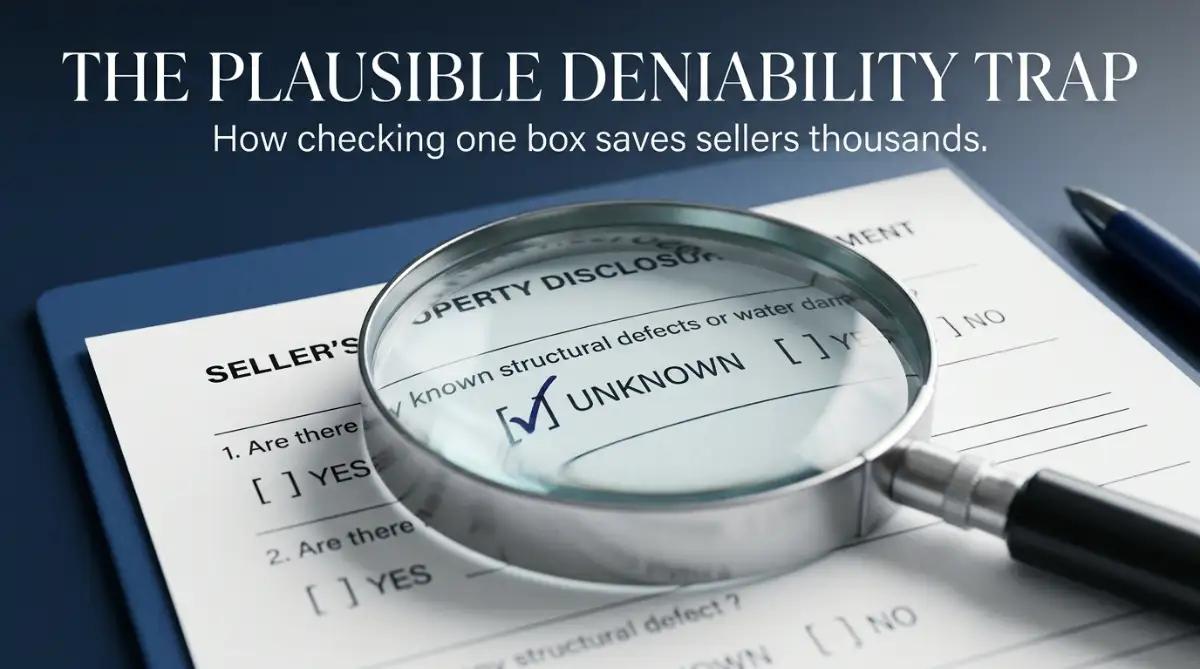
Staring at page four of a standard property disclosure document, a tiny checkbox labeled "unknown" caught my full attention. The seller had checked it right next to the foundation status, despite a fresh, thick coat of paint covering the entire basement wall. A quick review of the standard contract revealed a quiet "as-is" addendum buried deep in the fine print.
"That simple checkmark legally shielded the seller from a $25,000 structural repair bill." Looking at the numbers, it seems the buyer is walking straight into a financial trap, completely unaware that the law is actually on the seller's side.
When you're trying to secure a mortgage and buy a home, you naturally assume the paperwork protects you. You trust the glossy brochures, the friendly listing agent, and the seemingly official seller's disclosure form. But the reality is, the real estate market operates on a very strict set of rules that often favor the person walking away with the cash.
A lot of people assume that if a house has a major problem, the seller is legally obligated to point it out. Sadly, that's probably a bad idea to rely on.
Buyers are draining their life savings for a down payment, only to move in and discover a failing roof or a sinking foundation just weeks later. The stress is overwhelming, turning what should be a dream milestone into a daily financial nightmare. You lose sleep wondering how you will afford a massive repair bill while simultaneously paying a brand-new mortgage. "It feels like a betrayal, but this isn't an accident; it is actually by design."
Quick Summary
Standard real estate disclosure forms allow property sellers to exploit plausible deniability by marking defects as "unknown" while hiding physical deterioration behind cheap cosmetic fixes. Because standard bank appraisals protect the lender rather than the buyer, purchasers who sign "as-is" agreements without independent diagnostic audits often face immediate financial hardship from catastrophic structural failures.
Key Takeaways
-
The Ignorance Defense: Sellers are only obligated to disclose known material defects; if they intentionally choose not to investigate an issue, they do not have to disclose it.
-
Appraisals Are Not Inspections: Lenders order appraisals strictly to verify collateral value for mortgage underwriting, never to evaluate foundation integrity or pipe durability.
-
The "As-Is" Trap: Agreeing to an "as-is" addendum permanently shifts 100% of physical and financial repair liabilities to you the second closing papers are signed.
-
Forensic Audits Level the Field: Deploying independent sewer camera scopes, thermal imaging scans, municipal permit audits, and C.L.U.E. insurance loss records eliminates the seller's legal shield.
The "Plausible Deniability" Defense in Real Estate
Here is the breakdown of how this actually happens. In the real estate industry, there is a massive difference between what is morally right and what is legally required. The entire system is built around a concept called "Caveat Emptor," which is just a legal phrase for "Buyer Beware."
If you're anything like me, you probably think a seller lying about a bad plumbing system is straight-up fraud. And you are right. But the loophole isn't about lying; it's about the legal power of simply not knowing.
Sellers are only required to disclose known material defects. The keyword there is known. If a seller notices a water stain on the ceiling, they can quickly paint over it. When it comes time to fill out the disclosure form, they simply check the box that says they have no current knowledge of active leaks.
Proving in court that they knew about the leak and actively tried to deceive you is incredibly difficult and expensive. You'll want to look at this as the ultimate plausible deniability trap.
How "Latent" vs "Patent" Defects Work Against You
To put it simply, the law categorizes property damage into two distinct buckets. Patent defects are obvious—like a giant hole in the wall or a visibly shattered window. Buyers are expected to see these during a basic walk-through.
Latent defects are the dangerous ones. These are hidden issues, like termite colonies chewing inside walls or a fractured sewer line buried deep underground.
All these things combined mean that sellers have a massive financial incentive to turn a blind eye to their own house's problems. If they don't look for the problem, they don't know about it. And if they don't know about it, they don't have to disclose it.
The Institutional Data Banks Won't Tell You
When it comes to mortgages, lenders know exactly how dangerous these hidden structural defects are. Recent tracking by the Federal Reserve Consumer Resources shows that unexpected, massive home repairs are one of the leading drivers of early-stage mortgage delinquency.
Banks protect themselves against this risk, but they do not necessarily protect you. Insider secrets from mortgage underwriting departments reveal an uncomfortable reality. "Lenders rely on automated underwriting algorithms that prioritize loan-to-value ratios rather than physical structural longevity."
Underwriters evaluate credit scores, debt ratios, and desk appraisals. But an appraiser is not a home inspector; their primary job is confirming the collateral satisfies minimum guidelines for secondary market resale. This is a calculated risk premium strategy where the lending institution secures the note while transferring physical structural liabilities onto your personal balance sheet.
Real-Life Math: The $15,000 HVAC Disaster
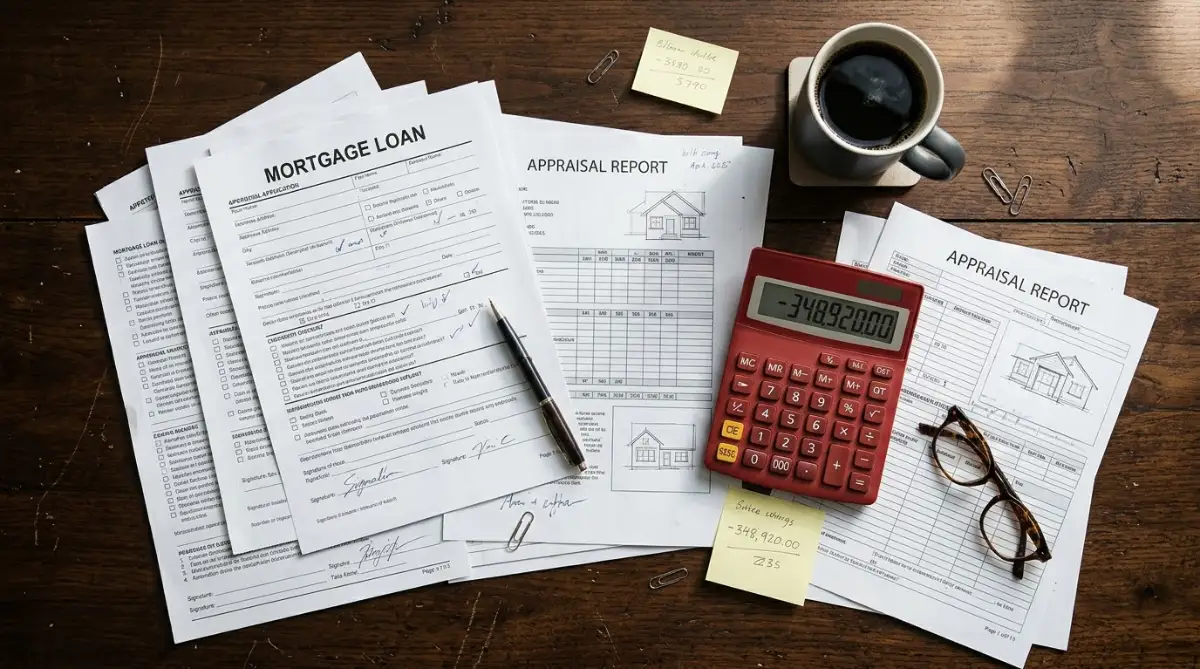
Let's look at why this happens in a real-world scenario. Consider a homebuyer financing a $400,000 property with a 5 percent down payment of $20,000. That initial payment, combined with closing fees, already completely drains their liquid cash reserves.
During negotiations, the seller insists on an "As-Is" addendum, claiming they do not want the hassle of renegotiating minor cosmetic points. Desperate to win the home in a competitive bidding environment, the buyer accepts the clause without ordering a specialized mechanical review. Three months after moving in, the dual-zone heating and cooling system suffers a catastrophic compressor burnout.
The complete system replacement bid totals $15,000. Because the purchase contract waived repair credits, the homeowner must finance the repair using a high-interest unsecured loan at 12 percent APR. The resulting $350 monthly unsecured debt payment drives their total debt-to-income (DTI) ratio past 48 percent, pushing the household to the brink of financial insolvency.
"You can get completely wiped out by simply overlooking one sentence in a purchase contract."
The Appraisal vs. Inspection Illusion
A lot of people assume that because the mortgage company ordered an appraisal, the property is certified as physically sound. That is probably a bad idea to rely on.
There is a massive, confusing difference between a bank appraisal and an independent home inspection. Blurring the line between these two procedures is precisely how sellers offload flawed properties onto unsuspecting families.
Bottom line? The bank's appraiser is an asset valuation specialist, not your personal structural advocate.
My advice would be to always hire an independent inspector who has absolutely no commercial ties to your real estate agent. I'd suggest finding a professional certified by the American Society of Home Inspectors (ASHI) who uses infrared thermography, as that is often the only non-invasive way to spot moisture pockets behind fresh paint.
Here’s a quick tip: I learned early on that relying on a seller's disclosure statement is a dangerous financial strategy. I once evaluated a property where the seller swore the basement had remained bone dry for a decade. It was only because my inspector ran a calibrated pinless moisture meter along the bottom plates that we discovered hidden black mold blooming behind new drywall. That $450 independent inspection saved me a $12,000 remediation bill.
Watch how certified inspectors expose hidden structural and moisture defects that appraisals miss:
The "As-Is" Clause: Honest Pros & Cons
Sometimes, purchasing real estate with an "As-Is" addendum is unavoidable, especially when evaluating bank-owned foreclosures or highly distressed properties. Here is the straightforward reality of what that contract structure means for your money.
The Pros:
-
Lower Purchase Price: You can often negotiate a substantially lower entry price relative to neighboring properties.
-
Faster Closing Timelines: Transaction timelines are typically faster because back-and-forth repair arguments are eliminated.
-
Flipping Advantage: It works well for professional renovators who plan to strip building systems down to the studs anyway.
The Cons:
-
Total Liability Transfer: You assume full legal and financial responsibility for every existing physical flaw the moment title transfers.
-
Emergency Fund Depletion: Catastrophic foundation or underground sewer failures can quickly overwhelm your personal emergency fund.
-
Legal Shield for Sellers: Sellers frequently use this language as a shield to mask major defects without triggering direct liability.
Unmasking the Most Common Hidden Defects
Sellers and fix-and-flip investors often use inexpensive cosmetic updates to draw attention away from failing mechanical and structural systems. When touring any prospective property, keep in mind that cosmetic presentation can function as theatrical staging.
Quick heads-up: If you walk into an open house that smells aggressively like artificial cinnamon or heavy lavender, proceed with caution. "A home that smells like a perfume factory is usually an active cover-up operation."
How to Outsmart the Loophole Legally
Since property purchase transactions default to "buyer beware" principles, building your own legal safety net is mandatory. You've got several effective contract strategies to level the playing field before loan closing.
Experts suggest writing highly explicit contingency addendums into your initial purchase agreement. Instead of relying solely on a standard inspection contingency, you can specify individual diagnostic inspections for the roof decking, underground sewer line, and structural slab.
If the seller flatly refuses your request for specialized diagnostics, that refusal is a major warning signal. On the flip side, if they agree, you create an official discovery record that eliminates plausible deniability.
You can also request a certified property insurance loss history. By asking the seller to furnish a Comprehensive Loss Underwriting Exchange report, you can review insurance claims filed on the parcel over the preceding five to seven years.
If the seller marked "unknown" for roof leaks, but the insurance history shows a $9,000 payout for wind-driven hail damage three years back, their plausible deniability argument collapses. You now hold the documented proof needed to demand closing credits or exit the purchase contract with your earnest money intact.
At the end of the day, your mortgage is likely the largest financial liability you will ever manage. Don't get burned by blindly trusting a boilerplate seller statement. The takeaway is simple: verify physical building systems independently, require written documentation, and never let a checked box dictate your financial health.
Advanced Forensic Strategies to Beat the Disclosure Loophole
Institutional property buyers and private equity firms rarely fall victim to seller disclosure games. That is not accidental; it happens because professional investors deploy methodical verification systems that disregard seller disclosure paperwork entirely.
Official consumer bulletins published by the Consumer Financial Protection Bureau (CFPB) emphasize that prospective borrowers must verify all property documentation before waiving inspection rights. Underwriting teams calculate risk models to ensure loan performance, but those internal risk buffers offer zero cash assistance when a homeowner's pipes rupture.
To protect your equity, you need to conduct your due diligence like an institutional asset manager before clearing purchase contingencies. The reality is, dishonest sellers rely on your eagerness to close quickly.
One of the most effective ways to bypass the "unknown" checkbox is by pulling a municipal open-permit history directly from the local building department. Sellers frequently execute major electrical panel updates, basement finishes, or structural wall removals without securing city permits to keep property assessments low.
If unpermitted mechanical work triggers a fire or water failure, your insurer can deny the resulting claim under unapproved modification clauses. When you uncover unpermitted alterations in city hall archives, you strip away the seller’s legal defense. Identifying unapproved work early also prevents municipal stop-work orders outlined in our guide on overlooked zoning rules that freeze renovations, which can immediately lock up lender financing.
Another proven safeguard used by experienced portfolio investors involves an escrow repair holdback agreement. Instead of forcing an adversarial seller to rush a foundation or sewer repair prior to funding, your closing attorney drafts a specialized escrow addendum.
This binding instrument directs the settlement agent to retain a portion of the seller's sales proceeds—typically 150% of verified contractor repair estimates—in a segregated escrow account. If structural settlement continues or hidden defects surface within sixty days post-closing, the repair funds are disbursed directly from the seller's withheld equity.
Before committing capital to expensive structural engineers, review the major warning signs in a home inspection to quickly identify high-risk mechanical red flags during your initial walkthrough.

Critical Pitfalls That Trap Unsuspecting Buyers
When buyers encounter competitive bidding conditions, practical financial judgment frequently gets sidelined. Homebuyers regularly make predictable emotional errors that listing agents leverage to transfer repair liabilities permanently onto the buyer.
Getting distracted by modern interior cosmetics remains the most expensive psychological trap in residential real estate. Sparkling quartz countertops, polished brass hardware, and trendy luxury vinyl plank flooring routinely distract buyers from degraded cast-iron waste lines and obsolete electrical panels.
Common Mistakes
-
Waiving inspection contingencies under sales pressure: Dropping your right to terminate the contract based on physical condition leaves you with zero financial recourse when major structural failures emerge.
-
Relying on verbal reassurances from the listing representative: Real estate contracts are interpreted strictly under integration doctrines, meaning spoken conversations carry zero legal enforceability once contracts are executed.
-
Neglecting municipal permit and zoning verifications: Assuming an attic conversion or finished basement is legally permitted without checking municipal records leaves you vulnerable to city fines or mandated tear-outs.
-
Skipping the property insurance claim history: Failing to review past insurance payout records leaves you blind to recurring storm runoff, sewer backup, or roof damage claims.
-
Failing to budget an adequate post-closing cash reserve: Moving into a newly purchased home without a dedicated liquid repair fund converts ordinary mechanical wear into an immediate financial crisis.
pro tips: Never hire an inspector recommended directly by the seller's listing agent. "Independent inspectors whose business models rely on direct buyer referrals operate without transaction bias and have zero incentive to downplay defects to keep a deal together."
Sidestepping these disclosure traps protects you from loan-clearing delays during the mortgage underwriting process. Combining forensic physical audits with legal safeguards against skipping a title search guarantees that neither hidden builder liens nor concealed structural decay can jeopardize your purchase.
Step-by-Step Action Plan to Protect Your Mortgage
Here is how to get it done systematically from the day your purchase offer is accepted:
-
Step 1: Require an official insurance loss disclosure: Request that the seller pull their Comprehensive Loss Underwriting Exchange record during your standard contingency window to review all historical casualty losses.
-
Step 2: Submit a formal public records request at city hall: Cross-check the home's existing floor plan against permitted drawings on file with the local building inspection department.
-
Step 3: Schedule layered trade-specific evaluations: Bring in a licensed master plumber with a digital camera crawler and an HVAC contractor to inspect the furnace heat exchanger before contingency deadlines expire.
-
Step 4: Secure binding, itemized contractor estimates: Present formal, itemized repair bids from licensed trades rather than ballpark figures when negotiating purchase price adjustments or closing cost credits.
-
Step 5: Have your attorney include an escrow holdback clause: If major mechanical or roof concerns remain unsettled before closing day, draft an escrow holdback addendum rather than relying on unverified seller promises.
Executing these protective contract riders insulates your family balance sheet from concealed seller liabilities while preserving your hard-earned equity.
Quick Action Checklist
-
Examine every line of the seller property disclosure with a magnifying glass for ambiguous "unknown" marks.
-
Test baseboards and basement framing using an inexpensive digital moisture meter.
-
Request certified copies of equipment permits and transferable HVAC/roof warranties.
-
Ensure your purchase agreement includes an unrestricted property inspection contingency.
-
Review your total transaction budget to ensure you maintain a minimum 3% liquid contingency buffer post-closing.
Required Document & Preparation Checklist
-
Signed Seller’s Property Condition Disclosure Document.
-
Five-to-seven-year insurance claim history report (C.L.U.E. or equivalent).
-
Municipal building permits, certificates of occupancy, and approved architectural plans.
-
Complete independent home inspection report complete with thermal scan imagery.
-
Specialized trade reports (sewer lateral camera video, roof evaluation, radon test results).
-
Written contractor estimates for all discovered safety or structural defects.
Securing these verified diagnostic reports gives you decisive leverage when demanding mandatory repair escrow holdbacks before executing final loan paperwork.
Moving Forward with Confidence and Clarity
Buying a home should be an empowering milestone, but approaching closing with blind trust creates massive financial vulnerability. Legal disclosure loopholes and "as-is" contract language are designed to shield property sellers from ongoing liability, not to safeguard your personal net worth.
When you manage your purchase process with the discipline of an auditor, the leverage swings completely back in your favor. Demanding transparent records, hiring independent diagnostic trades, and structuring firm contractual contingencies protects your family's savings from unexpected catastrophes.
"My greatest real estate investments were defined by having the discipline to walk away from properties where sellers hid behind disclosure ambiguities." Never let emotional excitement trap you into funding someone else's deferred maintenance.
What is the most concerning issue you have encountered while touring properties in your local market? Share your experiences and questions in the comments below!
Frequently Asked Questions About Property Defect Loopholes
Can a seller legally check "unknown" if they have owned the property for years?
Yes, in many jurisdictions, sellers can legally check "unknown" as long as they have not received a formal diagnosis from a contractor or observed active, undeniable signs of damage. The legal burden rests on the buyer to prove that the seller possessed active prior awareness of the problem.
What does buying a home "as-is" actually mean for a mortgage applicant?
An "as-is" clause indicates that the seller will not fund repairs or provide monetary credits for defects discovered during the transaction. However, mortgage underwriting guidelines can still block final loan funding if those defects breach minimum habitability or structural safety standards.
Can a lender cancel my mortgage approval if structural flaws are found?
Lenders do not automatically read your home inspection report unless you furnish it to them directly. But if the appraiser notes significant safety hazards or structural rot in the appraisal documentation, underwriters will place a funding condition requiring repairs before settlement.
Will a basic residential home warranty cover defects hidden by the seller?
Standard home warranty agreements routinely exclude pre-existing defects from their coverage terms. If an authorized technician determines that a mechanical component failed because of long-standing deterioration predating your policy date, your claim will almost certainly be denied.
How can a buyer review a property's insurance loss history before closing?
Because of data privacy statutes, buyers cannot directly generate a C.L.U.E. report independently. However, you can make the delivery of an official loss history report a contractual contingency for the seller, or ask your insurance broker to run the property through insurance underwriting databases.
Can I sue a seller after closing if I discover concealed water leaks?
You can file a civil action, but prevailing in court requires documented proof that the seller deliberately concealed the defect or committed civil fraud. Legal proceedings are often slow and expensive, making upfront independent diagnostics much more practical.
What are "Caveat Emptor" jurisdictions in residential real estate?
Caveat emptor jurisdictions follow traditional "buyer beware" statutes, meaning sellers carry minimal statutory obligation to volunteer property conditions. In these areas, the buyer carries nearly total legal responsibility for discovering physical defects before title transfers.
What is an escrow repair holdback, and how does it protect buyers?
An escrow repair holdback is a contract arrangement where a portion of the seller's sales proceeds is retained in a title escrow account after closing. Those funds are disbursed to licensed contractors only after identified repairs are verified and completed.
Will a standard property appraisal uncover hidden foundation settlement?
Appraisers generally complete a basic visual walkthrough to support valuation estimates and confirm minimum property conditions. They do not carry specialized engineering lasers, moisture meters, or crawl into tight spaces to measure foundation deflection.
How do I confirm whether a finished basement was permitted correctly?
You can visit your local municipal building department and request the official permit jacket for the street address. Compare the approved construction drawings and closed permit sign-offs against the existing physical layout of the home.
Trusted Legal Resources
-
-
Cornell Law School: Legal Information Institute (Caveat Emptor) — Authoritative legal analysis defining historical buyer-beware doctrines, common-law real estate liabilities, and fraud exceptions regarding seller concealment.
-
American Society of Home Inspectors (ASHI) Standards of Practice — Premier North American professional association establishing mandatory diagnostic procedures, thermal imaging ethics, and defect classification for home inspectors.
-
Consumer Financial Protection Bureau (CFPB) Settlement Booklet — Federal agency resource offering standardized closing disclosure guides, escrow retainage rules, and consumer protection toolkits.
-
U.S. Department of Housing and Urban Development (HUD) — Federal government portal defining Minimum Property Standards (MPS) for federally backed mortgages and seller disclosure compliances.
-
Federal Reserve Consumer Guidance — Official supervisory resources regarding consumer mortgage protection, credit rights, and residential underwriting transparency.
-
Disclaimer
The content published on this website is provided solely for general educational and informational purposes and does not constitute formal legal, real estate, engineering, or financial advice. Real estate disclosure statutes, contract forms, and mortgage underwriting regulations vary significantly by jurisdiction, state law, and individual lending institutions. Neither Mithun Halder nor the FinanceInfoIn editorial team assumes any legal liability or financial responsibility for decisions, transactions, or contracts executed based on the information provided in this article. Readers are strongly advised to consult with an independent licensed real estate attorney, an accredited structural engineer, and a certified financial planner before signing binding real estate agreements or waiving contractual contingencies.
About the Author & Review Process
Written & Fact-Checked by: Mithun Halder & The FinanceInfoIn Editorial Team
Mithun Halder is a dedicated personal finance researcher and educator with a deep focus on insurance, investing, and wealth management. At FinanceInfoIn, our editorial team rigorously researches and cross-references every topic with official government resources, insurance regulations, and industry best practices. Our mission is to break down complex financial jargon into clear, actionable, and trustworthy guidance, helping you make informed decisions about your financial security.
📧 Contact Mithun: [email protected] | 💼 Connect on LinkedIn: Mithun Halder