

Reading Time: 15 Minutes
Difficulty Level: Beginner to Intermediate
Reviewed By: FinanceInfoIn Editorial Team
Table of Contents
- The Silent Shock of the First Big Repair
- The Everyday Struggle of Financial Drain
- Escrow Shortages and Property Tax Surprises
- Breaking Down the Hidden Costs (What Actually Breaks)
- Home Emergency Fund vs. Relying on Credit
- Sarah’s Nightmare: A Real-Life Repair Math Breakdown
- Smart Strategies to Build Your Maintenance Buffer
- Expert Advice for New Homeowners
Quick Summary
Buying a house is just the beginning of your financial journey. Sudden plumbing disasters, broken HVAC units, and rising property taxes can easily wipe out your savings. This guide breaks down the most common hidden expenses of owning property. You will learn practical, actionable strategies to build a dedicated maintenance fund without stressing your daily budget.
The Silent Shock of the First Big Repair
I stared blankly at the wet spot slowly spreading across my living room ceiling. My bank account had exactly $114 left until payday, and the plumber on the phone had just quoted an amount that made my stomach completely drop. I had just poured every single penny into the down payment and closing costs for this house. Moving day was less than three months ago, and I thought the hard part was over. I remember holding a dripping bucket under that leak, feeling a massive wave of regret wash over me. No one warned me that the real financial test begins after they hand you the keys.
That sinking feeling is something almost every new property owner experiences at least once. You carefully budget for your mortgage, your insurance, and your basic utility bills. You feel proud and responsible. Then, out of nowhere, the water heater bursts in the middle of winter.
Suddenly, your mental peace is entirely shattered. You start losing sleep because you have to choose between fixing a major electrical issue and paying for your child's upcoming school trip. The daily stress of not knowing what might break next can easily turn your dream sanctuary into a heavy burden.
We work so hard to secure a piece of property, assuming rent was our biggest enemy. But when you rent, a broken furnace is just a quick phone call to the landlord. When your name is on the deed, that broken furnace is a direct threat to your financial stability.
The anxiety of unexpected bills can strain relationships and completely drain your joy. You start avoiding certain rooms, ignoring strange noises from the basement, simply because you are terrified of what it might cost to investigate. This kind of financial fear is exhausting and incredibly common.
Living on the edge of the next big repair bill is no way to enjoy your new space. We have to face these harsh realities head-on and stop pretending that a mortgage payment is the only monthly responsibility.

Breaking Down the Hidden Costs
Most people severely underestimate the ongoing cost of keeping a structure safe and comfortable. We tend to focus entirely on the purchase price. However, physical structures naturally degrade over time, and Mother Nature is incredibly unforgiving.
Let's look at the things that almost always catch people off guard. First, there is basic routine maintenance. Things like gutter cleaning, power washing, tree trimming, and HVAC servicing seem small. But when you add them up over twelve months, they require a decent chunk of cash.
Then we have the major system failures. An air conditioning unit might run perfectly during the home inspection. Six months later, during the hottest week of the summer, the compressor might completely fail.
Key Takeaways
- Your mortgage is only the baseline of your housing costs.
- Routine maintenance is cheaper than emergency replacements.
- Property taxes and insurance rates rarely stay the same.
- A proactive sinking fund is your best defense against debt.
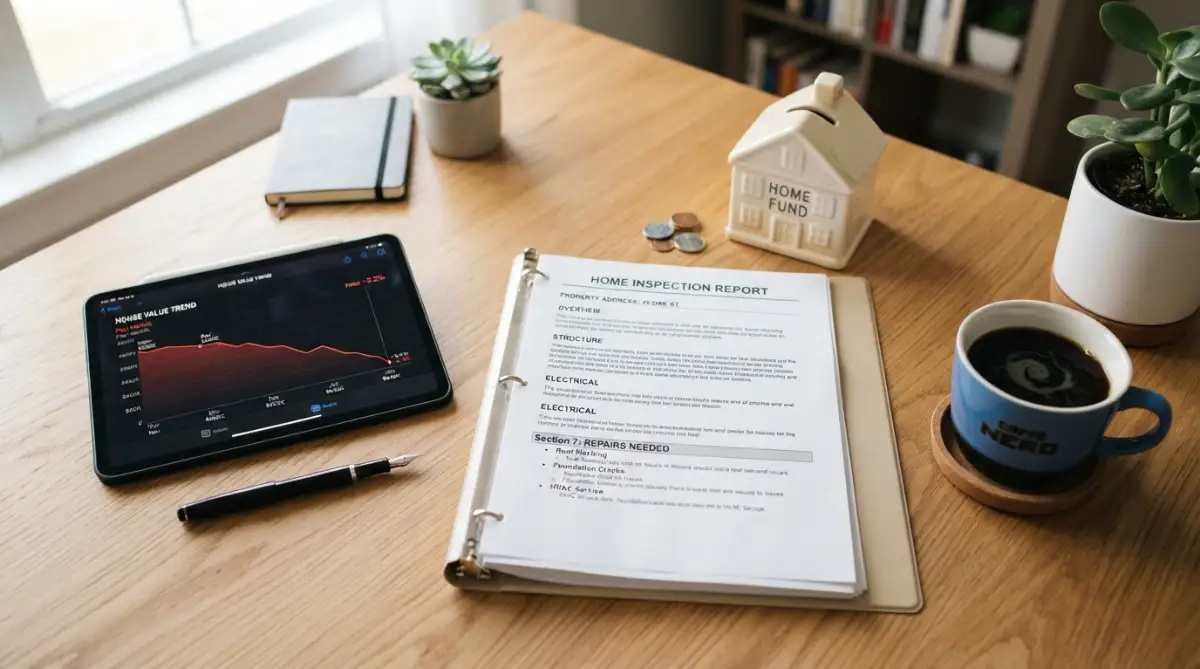
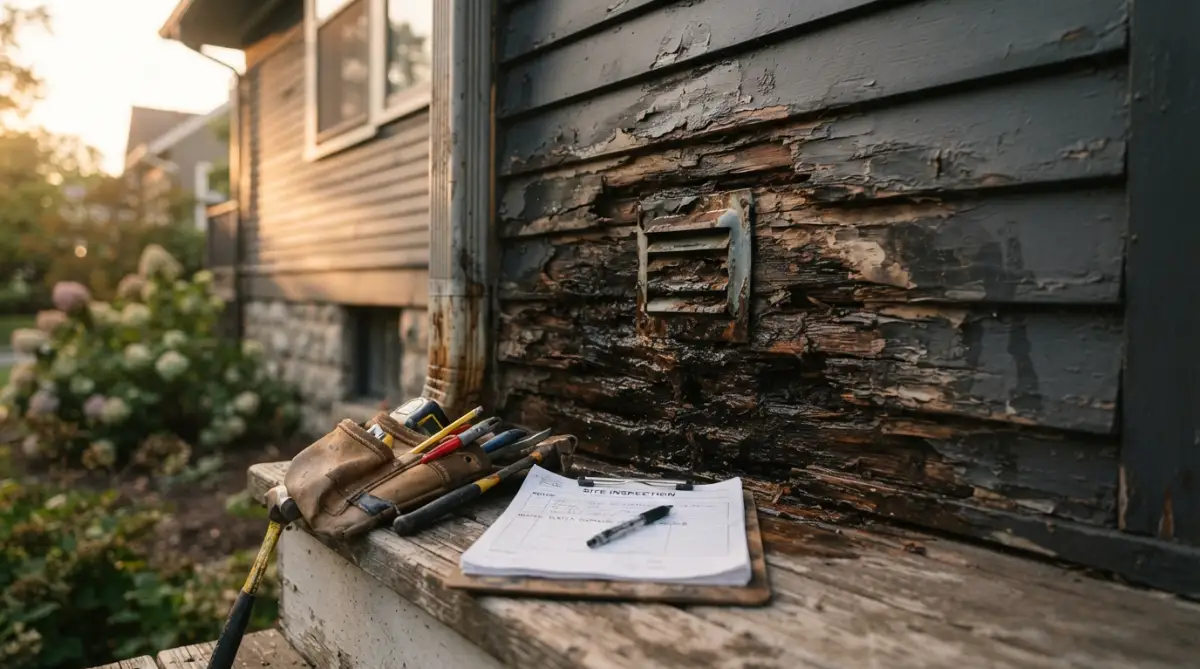
If you ignore routine maintenance to save a few dollars today, you are practically guaranteeing a massive bill tomorrow. Ignoring a small roof leak will eventually rot your interior framing and ruin your drywall.
Understanding Escrow Shortages and Property Tax Surprises
One of the biggest shocks for new buyers involves the mail they receive from their local tax authority. When you purchase a property, your initial property taxes are often based on the previous owner's assessed value.
Once the sale is recorded, the local government will usually reassess the property based on the new purchase price. If you bought the house for significantly more than the previous owner paid, your property taxes are going to jump.
This creates an escrow shortage. Your mortgage company has been collecting a set amount each month for taxes, based on the old numbers. When the new, higher tax bill arrives, the escrow account does not have enough money to cover it.
Your mortgage servicer will pay the bill, but then they will send you a notice. You will either have to write a massive check to cover the shortage immediately, or your monthly mortgage payment will increase significantly to make up the difference. Always expect your monthly payment to fluctuate due to tax and insurance changes.
Home Emergency Fund vs. Relying on Credit
When disaster strikes, how you pay for it will dictate your financial health for years. Many people simply swipe a high-interest credit card because they have no liquid cash available.
Using credit for home repairs is incredibly dangerous. It turns a temporary problem into a long-term debt cycle. You end up paying thousands of dollars in interest for a roof repair that was already expensive to begin with.
Let us clearly look at why separating a specific fund for your house is better than relying on borrowed money. People often confuse a Home Equity Line of Credit (HELOC) with a cash emergency fund. While a HELOC uses your home's value, it is still borrowed money with an interest rate.
A cash buffer gives you negotiating power. When you can pay a contractor in cash immediately, you can often negotiate a better price. If you have to wait for a loan approval, you lose that leverage entirely.
Honest Pros & Cons: Creating a Sinking Fund
- The Pros:
- Complete peace of mind when things break.
- Zero interest paid to banks.
- Faster repair times since cash is ready.
- Ability to negotiate cash discounts with local contractors.
- The Cons:
- Takes time and severe discipline to build.
- Cash sits idle instead of being invested in the stock market.
- Requires you to sacrifice some fun spending today for safety tomorrow.
Sarah’s Nightmare: A Real-Life Repair Math Breakdown
Let us look at a practical example to see how fast numbers add up. Meet Sarah. She bought a beautiful older property for $350,000. Her monthly payment is comfortable, but she neglected to save any extra cash after closing.
During her second month, a severe thunderstorm knocks a large tree branch onto her garage roof. The structural damage is significant. Her homeowners insurance will cover the main repair, but she has a strict $2,500 deductible.
While the roofers are fixing the garage, they discover that the main house gutters are completely failing and causing water to pool near the foundation. Fixing the drainage issue will cost another $1,800 out of pocket.
Total immediate cash needed: $4,300.
Because Sarah has no buffer, she puts the entire $4,300 on a rewards credit card with a 22% annual interest rate. She can only afford to pay $150 a month toward this specific balance.
By the time she finally pays off that balance, it will take her about 40 months. She will pay roughly $1,600 in pure interest to the credit card company. That initial
4,300emergencyeffectivelymorphedintoa∗∗
4,300emergencyeffectivelymorphedintoa∗∗
5,900 financial anchor**.If Sarah had saved just $300 a month into a dedicated house fund for the first year, she could have paid cash, saving herself years of debt and stress.
Smart Strategies to Build Your Maintenance Buffer
You cannot predict exactly what will break, but you can absolutely predict that something will break. The best rule of thumb is to save 1% to 2% of your property’s total purchase price every single year for maintenance.
If your place cost $300,000, you need to set aside roughly $3,000 to $6,000 annually. That sounds like a massive number, but if you break it down into monthly automated transfers, it becomes manageable.
Start by opening a high-yield savings account that is completely separate from your normal checking account. Do not link a debit card to this account. You want this money to be slightly difficult to access so you are not tempted to use it for a vacation.
Expert Tip: Whenever I get a small windfall—like a work bonus, a tax refund, or even cash back from a credit card—I immediately push 50% of it directly into my home maintenance account. I don't even let the money sit in my main checking account for 24 hours. Out of sight, out of mind.
Look carefully at your monthly budget and find small areas to trim. Canceling two unused subscription services and eating out one less time per month can easily free up $100. Direct that money straight into your house fund.
How to Prioritize Immediate Fixes
When you have limited funds and multiple things need attention, you have to prioritize ruthlessly. Never spend money on cosmetic upgrades if your core systems are failing.
Water is the enemy of any structure. Anything related to plumbing leaks, roof damage, or poor exterior drainage must be fixed instantly. A tiny drip today is a $10,000 mold remediation job next year.
Watch This Expert Breakdown on Prioritizing Repairs
If you are feeling overwhelmed by a list of things to fix in your new place, taking a moment to understand which systems directly impact safety and value can save you thousands. The following video perfectly explains how to separate urgent needs from cosmetic wants.
After water issues, focus on electrical and heating systems. Safety always comes before aesthetics. Painting the kitchen cabinets can wait; replacing an outdated, sparking electrical panel absolutely cannot.
Embracing the Reality of Property Ownership
We have to shift our mindset. Owning property is like running a small business. You are the CEO, the janitor, and the financial officer all at once.
Do not beat yourself up if you feel overwhelmed during the first year. It is a massive learning curve. Every time you fix something, you are protecting your investment and learning a new skill.
Keep a detailed log of every repair and maintenance task you complete. Save all receipts and warranties in a physical binder or a cloud folder. When you eventually sell the place, handing the new buyer a well-documented maintenance history will significantly increase your property's value.
Preparation is the ultimate antidote to anxiety. By acknowledging that things will break and methodically building a cash buffer, you take away the fear. You transform an unexpected expense from a devastating financial crisis into a minor weekend inconvenience. Take a deep breath, review your budget today, and start building your safety net one dollar at a time.
Unlocking Long-Term Home Stability Through Smart Systems
Taking care of a house over several years requires a completely different approach than paying rent. You need structured habits that catch small wear-and-tear issues before they turn into four-figure nightmares. Understanding the hidden expenses of homeownership nobody tells you helps you build a system that protects your equity over time.
One smart move is scheduling two deep seasonal audits every single year. Walk around your entire perimeter before the cold season arrives, checking caulking, window seals, and foundation drainage slopes. You can also contact the U.S. Department of Energy for specialized resources on running an energy audit to spot drafts that quietly inflate your utility bills.
Another practical method is building a preferred trade contact list before anything breaks. When a pipe bursts at midnight on a holiday weekend, you do not have time to compare ratings or negotiate fair pricing. Ask your neighbors for their trusted plumbers, roofers, and electricians so you have vetted numbers ready on your refrigerator.