
Reading Time: 12 Minutes
Difficulty Level: Beginner to Intermediate
Reviewed By: FinanceInfoIn Editorial Team
Quick Summary
Starting a business does not require massive investor backing. By focusing on service-based models, preselling your ideas, and leveraging free digital tools, you can build a highly profitable company from scratch. This guide breaks down exactly how to bypass the venture capital trap. You will learn how to rely on customer revenue instead of investor checks to fund your growth.
Key Takeaways
- Venture capital is meant for scaling, not necessarily for starting.
- Service businesses are the fastest way to generate initial cash flow.
- Preselling your product eliminates financial risk.
- Free digital tools have drastically lowered the barrier to entry.
- Reinvesting early profits is the most sustainable way to grow.
The Heavy Cost of the Silicon Valley Illusion
Standing at the checkout counter with a basket full of basic groceries, I felt a familiar knot in my stomach. My debit card had just been declined for a simple $14 charge. I had to awkwardly hand the cashier back a jar of peanut butter and a loaf of bread, pretending I simply brought the wrong card.
Walking to my car empty-handed, the frustration was absolutely crushing. I had a solid business idea mapped out in my notebook, but my bank account was completely empty. Everywhere I looked online, articles claimed you needed at least fifty grand in venture capital to start a real company. It felt like a massive, invisible wall standing directly between me and my future.
The anxiety of wanting to build something but feeling completely locked out because of money is exhausting. You wake up every single day knowing you have the skills to succeed, yet you are stuck working a job you hate just to survive. The constant stress of unpaid bills makes it impossible to focus on creative ideas.
Thousands of incredibly talented people give up on their dreams simply because they cannot afford this imaginary entry fee. They watch tech founders raise millions on the news and assume they are permanently disqualified from the game. This financial pressure destroys your daily mental peace and makes you feel like a failure before you even try. It is a deeply unfair feeling, and honestly, it is based on a complete lie.
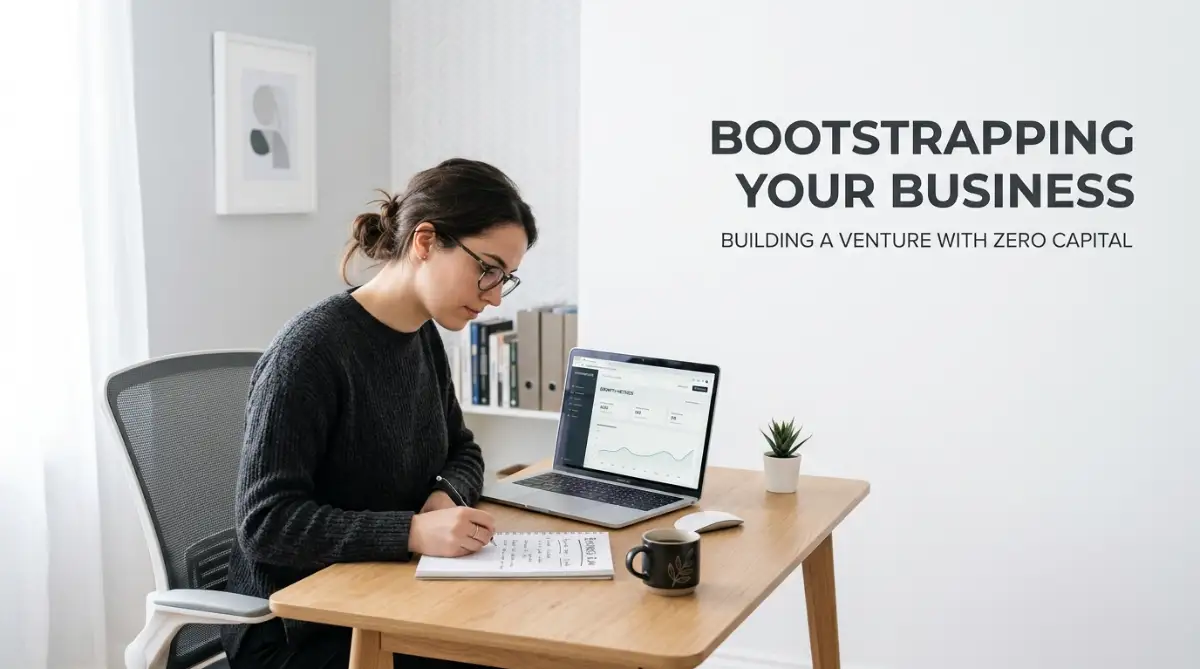
Why the "Big Money" Requirement is a Massive Illusion
Let us clear the air right now. The media loves stories about companies raising millions of dollars in a Series A funding round. It sounds exciting and glamorous.
But for the average person looking to build a sustainable, profitable life, chasing venture capital is often the worst possible path. When you take investor money, you immediately give away a piece of your company. You stop being the boss and start reporting to a board of directors who only care about massive, rapid returns.
Think of it like buying a house. You do not need to build a massive mansion on day one. You can start by pitching a tent on a solid piece of land and building it up brick by brick. By bootstrapping—which means using your own existing resources—you retain complete ownership and control.
Pro Tip: I spent three months waiting for an investor to reply to my emails before I realized I was just wasting time. The moment I stopped asking for permission (and money) and just started offering a simple service to local clients, I made my first $500. Stop waiting for a savior; your first paying customer is the only investor you need.
The Lean Approach: Testing the Waters First
You do not need a massive budget to find out if people actually want what you are selling. You just need a deep understanding of your customer's pain points.
Instead of spending thousands on inventory or software development, you can test your concept practically for free. This is called validating your idea. If people are willing to give you their hard-earned cash for a promise or a basic version of your idea, you have a real business.
As you can see in the table above, the traditional way requires you to empty your wallet before making a single dime. The lean method protects your bank account. It forces you to be creative instead of just throwing money at a problem.
Expert Tip: Always focus on getting your first three paying customers before you even think about printing a business card or registering a fancy domain name.
Step 1: Selling Before You Build
The biggest mistake new founders make is building a product in secret, launching it, and hearing crickets. They spend money they do not have on things nobody wants.
The smartest way to start without capital is to flip this process upside down. You need to presell your idea. Create a simple landing page explaining the benefits of your upcoming product or service. Tell your audience exactly what you plan to build and offer them a massive discount if they pay upfront.
Want to see exactly how regular people are building massive companies with zero initial funding? Watch this incredible breakdown of the lean startup method in action below!
If no one buys, you have lost absolutely nothing but a few hours of your time. You can simply refund anyone who did buy and move on to the next idea. This strategy acts as a safety net for your finances.
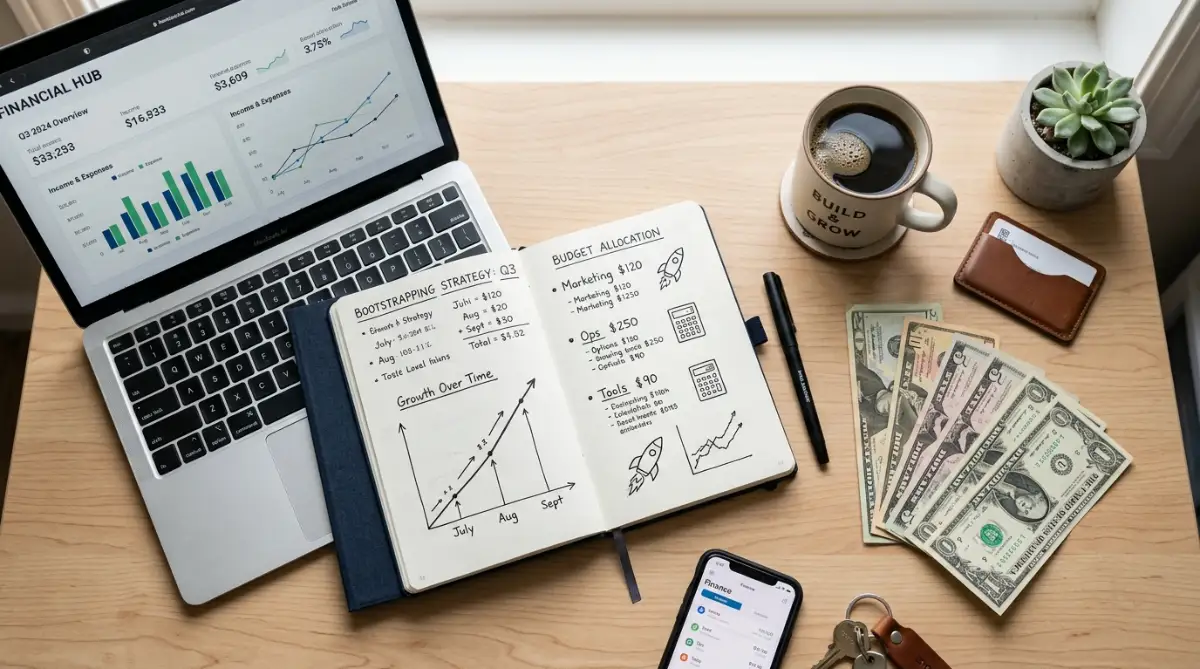
When I wanted to launch a coaching program, I did not rent a studio or hire a videographer. I wrote a simple Google Doc outlining the curriculum and sent it to my small network. Three people paid me upfront, and I used that exact money to buy the microphone and software I needed to actually record the lessons.
Step 2: Trading Your Sweat for Initial Cash Flow
If you have zero dollars, you have to use your other primary asset: your time. Service-based businesses are the absolute best way to generate cash quickly without needing a loan.
When you offer a service, your brain and your skills are the product. Whether it is freelance writing, graphic design, consulting, or even pet sitting, the startup cost is essentially zero. You just need to let people know you exist and that you can solve their specific problem.
The data speaks for itself. Once you start earning money from your service business, you can use those profits to fund a product-based business later. You become your own angel investor.
This approach removes the desperation from your decision-making. When your basic bills are covered by your service income, you can take calculated risks with your new ideas. You are no longer acting out of fear.
Step 3: Utilizing Free Digital Infrastructure
We live in an era where the tools needed to run a global company are available for free on our phones. Ten years ago, you needed custom software, expensive servers, and a dedicated IT team. Today, the internet has completely leveled the playing field.
You can set up a professional email, design a logo, host virtual meetings, and manage customer relationships without spending a single penny. The myth of needing venture capital often stems from outdated thinking about overhead costs.
By leveraging these free tools, you keep your operating costs at rock bottom. When your expenses are practically zero, every dollar you make is pure profit. This allows you to survive the difficult early months that usually bankrupt heavily funded startups.
Expert Tip: Do not upgrade to the paid version of any software tool until the free version is physically holding back your ability to make more money.
Step 4: The Power of the Reinvestment Snowball
When you finally start making money, the temptation to spend it on yourself is huge. You want to celebrate your hard work. But if you want to scale without outside funding, you must practice aggressive reinvestment.
Think of your early profits as seeds. If you eat the seeds, you will never get a harvest. If you plant them back into the ground, they will multiply.
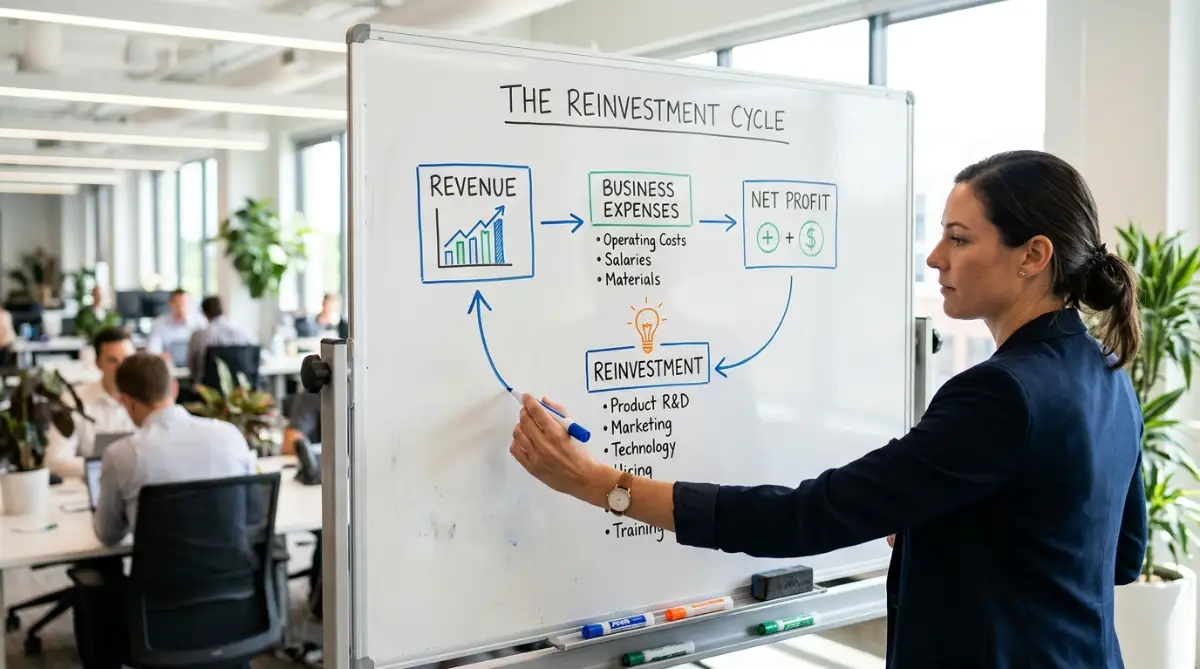
By slowly rolling your profits back into the business, you create a snowball effect. Your growth might be slightly slower at first compared to a venture-backed competitor. However, your foundation will be made of solid rock, not borrowed money.
You will never have to worry about an investor pulling the plug on your dream. Your business will be self-sustaining, healthy, and entirely yours.
Shifting Your Mindset from Raising Money to Making Money
At the end of the day, a business is simply a system that solves a problem for a customer in exchange for money. Venture capital is not a requirement; it is just one type of fuel.
When you remove the mental block of needing a massive budget, you suddenly realize how much power you already hold. You can start today, right from your kitchen table, using the skills you already possess. Focus heavily on providing massive value to one single person first.
Make them happy, collect their payment, and then go find the next person. That is the raw, unglamorous, and incredibly rewarding reality of building a business from nothing. You do not need their thousands of dollars. You just need the courage to start with what you have right now.
Strategic Moves for Self-Funded Founders
Once you get your first few paying customers, the real game begins. Surviving the first few months without outside funding requires extreme discipline and focus. Many beginners make a little money and immediately start acting like a massive corporation. They rent office space, buy premium software, and print expensive merchandise.
You must resist this urge completely. Your primary goal right now is keeping your operating costs as close to zero as humanly possible. Treat every single dollar that enters your bank account like a highly trained employee. Ask yourself exactly how that specific dollar is going to go out and bring more dollars back to you.
If you are struggling to figure out what people actually want to buy, you need to step back and listen. Stop guessing what the market needs. Instead, you should learn how to validate your startup idea for free by simply asking your target audience. A simple social media poll or a direct message to a potential client can save you months of wasted effort.
Myth vs Reality of Bootstrapping
I always tell new entrepreneurs to operate from a place of logic, not emotion. When you rely solely on your own cash, every decision feels heavy. To manage this stress, build a separate bank account for your business immediately. Mixing your grocery money with your business expenses is a guaranteed way to lose track of your financial health.
According to guidance from the Small Business Administration's funding research, self-funding lets you retain total control over your business decisions. You get to steer the ship without a wealthy investor breathing down your neck.
Quick Action Checklist
- Open a completely separate checking account for your new business today.
- Cancel any software subscriptions you have not used in the last seven days.
- Identify one free marketing channel (like LinkedIn or TikTok) and post helpful content daily.
- Ask your most recent happy customer for a public review or testimonial.
- Set a strict weekly budget for yourself and refuse to cross it.
Pro Tip: Never pay for an expensive tool if a free spreadsheet can do the exact same job. When I started my first consulting agency, I tracked every single lead on a blank Google Sheet. I only bought a fancy CRM software when my customer list got so big that the spreadsheet kept freezing.

Where New Bootstrappers Lose Their Money
The freedom of running your own company can sometimes trick you into making terrible financial choices. When you do not have an investor checking your budget, you have to police your own spending habits. It is surprisingly easy to drain your hard-earned cash on things that do not actually grow your business.
One major trap is suffering from "shiny object syndrome." This happens when you constantly buy new courses, tools, or coaching programs hoping for a magic shortcut. Real business growth is boring, repetitive, and requires daily patience. If you want to understand this deeper, read about why bootstrapped startups collapse early and how to avoid the cash flow trap.
Common Mistakes to Avoid
- Hiring Too Fast: Bringing on full-time employees before your monthly income is completely stable and predictable.
- Ignoring the Legal Basics: Skipping basic contracts because you want to save time, which often leads to unpaid invoices.
- Underpricing Your Work: Charging too little just to get clients, which leaves you exhausted and entirely unprofitable.
- Focusing on Logo Design: Spending three weeks arguing over a brand color instead of actually picking up the phone to sell.
- Forgetting About Taxes: Spending all your profit and having absolutely zero cash left when the government asks for their share.
Another massive pitfall is falling in love with your product instead of falling in love with your customer. You might spend weeks building a feature that you think is amazing. But if the customer does not care about it, you just wasted valuable time and money. Always let the people paying you dictate what you build next.
The Do's and Don'ts of Early Startup Spending