
🕒 Reading Time: 13 Mins | ✍️ Reviewed By: FinanceInfoIn Editorial Team
I spent an entire weekend scrubbing baseboards and oiling a squeaky front door before my very first home valuation. I even lit a vanilla candle in the living room, as if the house were auditioning for a movie role.
The appraiser walked through the door, stayed for about twenty minutes, and spent most of that time staring at a faint water stain in the upstairs hallway. He left without saying a single word about the beautiful kitchen I had been so incredibly proud of.
That is exactly when it clicked for me. The appraiser wasn't judging my home's memories or my interior design skills. They were simply building a mathematical case for a number.
The most important thing is understanding that this specific number decides your financial flexibility. It dictates whether your refinance goes through, whether your buyer's loan gets approved, and how much equity you can actually borrow against. When that final report lands thousands of dollars below what you expected, it feels incredibly personal.
But it isn't personal at all. Once you understand exactly how this number is built, you can easily take control and influence it in completely legitimate ways.
How The Expert Actually Sees Your Property
You see the cozy nursery you just painted and the warm holidays spent in the dining room. The appraiser sees a strict set of measurable features. They are looking at the overall size, structural layout, functional condition, and what similar homes in your specific zip code have recently sold for.
A lot of people assume that a messy house will ruin their property value. The reality is, dirty dishes in the sink, toys scattered on the floor, and unmade beds do not change the number at all. Clutter only becomes a serious problem if it physically blocks access to the attic, electrical panel, or furnace.
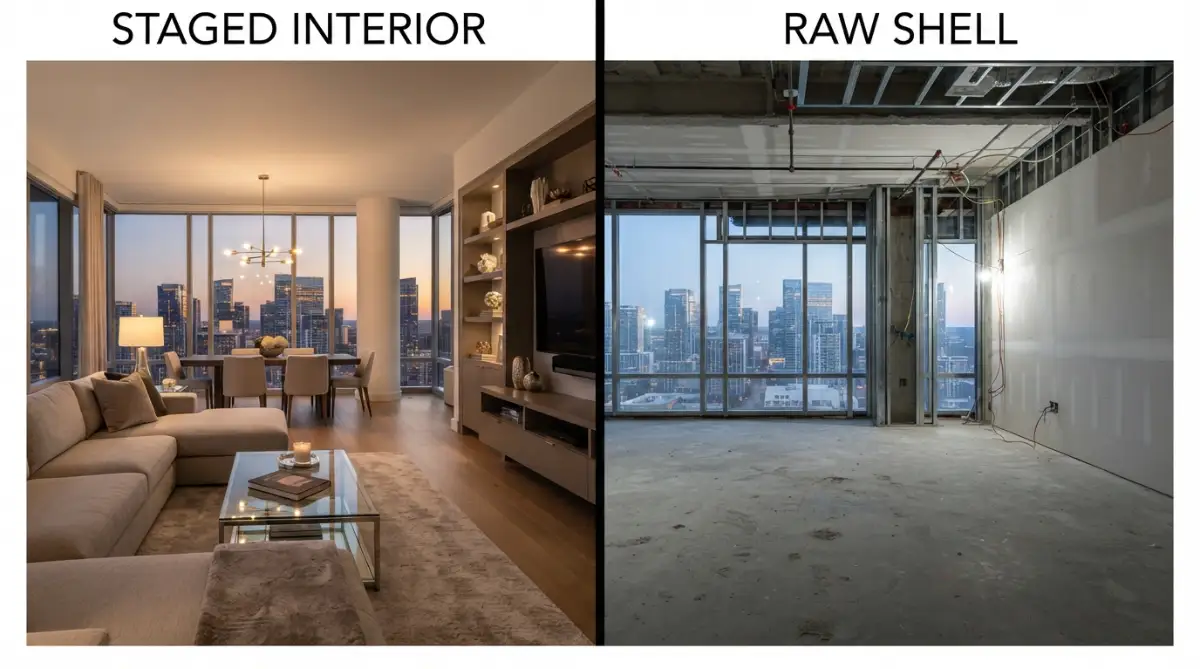
You might run into situations where you feel the need to rent expensive furniture just for the walkthrough. I’d steer clear of that idea. Staging your home with fancy couches does absolutely nothing for the official report because appraisers value the physical real estate, not your modern sofa.
Clearing Up The Confusion: Appraiser vs. Home Inspector
People mix up these two professionals constantly. All these things combined mean homeowners end up preparing for the completely wrong test.
To put it simply, here is a breakdown of what each person is actually looking for when they walk into your house.
The bank just wants to know they can quickly sell the house and recover their money if the loan defaults. On the flip side, the inspector wants to know whether the roof is going to collapse next month. If you want to dive deeper into this, you can easily learn about the warning signs during an inspection to protect yourself.

The Kitchen Remodel Trap (Real-Life Math)
Let's look at why going overboard with renovations is a terrible idea. We’ve seen that homeowners naturally believe every single dollar spent will come back as a dollar of value.
Take David and Sarah, for example. They decided to upgrade their standard suburban kitchen into a massive culinary paradise. They spent exactly $45,000 on imported marble countertops, commercial-grade appliances, and custom oak cabinets. They confidently expected their home value to instantly jump by $50,000.
When the official report came back, the appraisal only added roughly $15,000 to their home's total value. Why did they lose $30,000 in equity?
Because of the neighborhood ceiling. No home in their immediate area had ever sold at a price that supported a luxury kitchen like that. The market simply won't pay for features that go way beyond what is typical for the street. If you want to avoid this trap, you should learn exactly how to boost your home's valuation without spending a fortune.
Pro Tip: Improve your property toward the neighborhood's norm, not past it. Fix what is completely worn out, update what looks terribly dated, and be very cautious with any project that makes your house the single most expensive one on the block.
Debunking The Biggest Valuation Illusions
There's a chance you've been given some terrible advice about how to handle your property value. Let's set the record straight on a few things.