
🕒 Reading Time: 13 Mins | ✍️ Reviewed By: FinanceInfoIn Editorial Team

The Silent Trap of Building in the Dark
I spent eleven months coding a specialized project management tool for freelance writers. By launch day, my bank balance was down to about $14, and dinner was usually instant noodles. I refreshed my Stripe dashboard, then refreshed it again. Absolutely nothing. Not a single sale.
It took a few painful conversations afterward to figure out what went wrong. I assumed freelancers wanted complex organizational features. The reality was they just wanted one thing: to get paid by their clients on time. Late invoices were what kept them up at night, and I never bothered to ask. I just built an entire software product based on a guess. Assuming you know exactly what your market wants without asking? That’s probably a bad idea.
A lot of people assume that if you build something great, buyers will naturally show up with credit cards in hand. You've got a few options when starting a business without venture capital, but guessing what people want is the fastest way to go broke. We pour our hearts, our savings, and our weekend hours into building solutions for problems that don't actually exist.
When you build a product nobody wants, it takes a massive toll on your mental health. You start second-guessing your own skills. You watch a competitor with a clumsier product succeed, and it feels incredibly unfair. Bottom line? You need to find a problem people already pay to solve before you invest a single dime into building the solution.
Why Smart People Build the Wrong Things
When it comes to business, our egos often get in the way. An idea arrives in the shower, and within an hour, you are already checking if the web domain is available. We fall in love with our own brilliant solutions.
Here is the thing: nobody cares about your solution. They only care about their own problems. They care about the things that cost them time, money, or sleep.
If you're anything like me, you probably want to skip the boring research phase and just start creating. But looking at the numbers, it seems that a huge chunk of startups fail simply because there is no real market need. They built a key for a door that doesn't exist.
Comparing the Two Mindsets
You’ll find that successful founders operate very differently from struggling ones. To put it simply, you have to become obsessed with the customer's pain, not your shiny new product. Let's look at how these two approaches differ in the real world:
The Right Way to Talk to Strangers
Customer interviews are the cheapest research you can do, but they are also the easiest to get wrong. People are naturally polite. If you pitch them your idea, they will smile, nod, and tell you it sounds fantastic. Ask them to actually pay, and your emails will suddenly go unanswered.
Stop Pitching Your Idea
Here's how to get it done without falling into the politeness trap. As entrepreneur Rob Fitzpatrick brilliantly explains in his famous framework The Mom Test, you should never mention your idea at all during the first conversation. Instead, act like an investigator.
Ask about their life and specifically about the past. What people did last Tuesday is far more reliable than what they claim they will do next month. Ask them about the last time they experienced the problem. If they can't remember the last time it came up, the problem probably isn't painful enough to build a business around.
Expert Tip: Pay close attention to their face and tone. If they get visibly irritated or start venting when describing a specific task, write that task down immediately. That emotional spike is a goldmine. Strong emotion usually sits right next to money.
Real-Life Math: Sarah’s $50 Validation Test
Let’s look at a concrete example of how to test demand cheaply. Sarah wanted to build a premium dog-walking app that featured GPS tracking and live video feeds.
A development agency quoted her $15,000 for a basic prototype. Instead of handing over her savings, she spent $15 on a web domain and $35 on local Facebook ads.
-
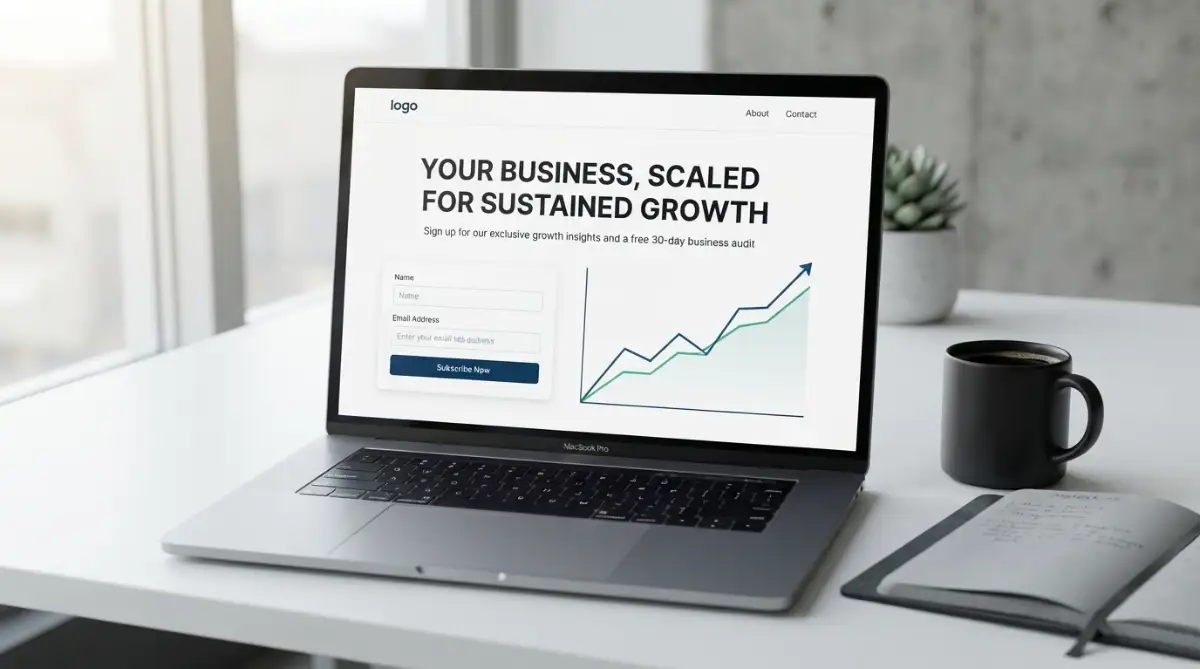
She set up a simple one-page website explaining the service.
-
She added a "Book a Walk" button.
-
When clicked, a form popped up asking for an email and a phone number, stating she was launching soon and taking bookings in order.
Over a few days, roughly 120 people clicked the ads. Nine left their details. She emailed all nine, offering a $10 refundable deposit to secure a spot in her first week. Three of them actually paid.
For just $50, she learned something a $15,000 prototype never could: strangers will pay in advance for this service. You can get real market proof by simply doing small, scrappy tests like this.
Testing Their Willingness to Pay
Finding a problem is only half the job. The other half is checking that it's painful enough to open a wallet. A lot of problems are annoying, but they aren't annoying enough to pay for.
Think of it like the difference between taking a daily vitamin and needing a painkiller. People forget to take their vitamins, but they will drive through a snowstorm at 2 AM to buy a painkiller.