

🕒 Reading Time: 13 Mins | ✍️ Reviewed By: FinanceInfoIn Editorial Team
The Shock of Waking Up to Severe Property Damage
I will never forget the sound of the wind howling outside my window that night. The storm hit so fast that we barely had time to move away from the glass. By the morning, I walked outside to find shingles scattered across my front yard and a massive tree branch resting heavily on my garage roof.
My heart completely sank. I had just two dollars in my pocket for a morning coffee, and suddenly I was staring at thousands of dollars in property damage. I remember standing there in the damp grass, shivering in my thin jacket, feeling completely overwhelmed by the reality of the situation.
How was I going to pay for this? Would my insurance company actually help me, or would they find an excuse to deny my request? These questions raced through my mind as I watched water slowly drip from my ceiling onto the living room floor. I felt completely powerless, and the stress was incredibly heavy.
For most regular people, our home is our biggest financial safety net. When a severe weather event damages that safety net, it destroys our mental peace and daily routine. You suddenly have to juggle your regular job, family duties, and the massive headache of fixing a broken house.
The worst part is dealing with the fear of making a wrong move. We worry that if we say the wrong word to the company representative, our entire payout will be rejected. Families often spend sleepless nights wondering if they will have to drain their entire savings just to put a secure roof back over their heads.
Quick Summary
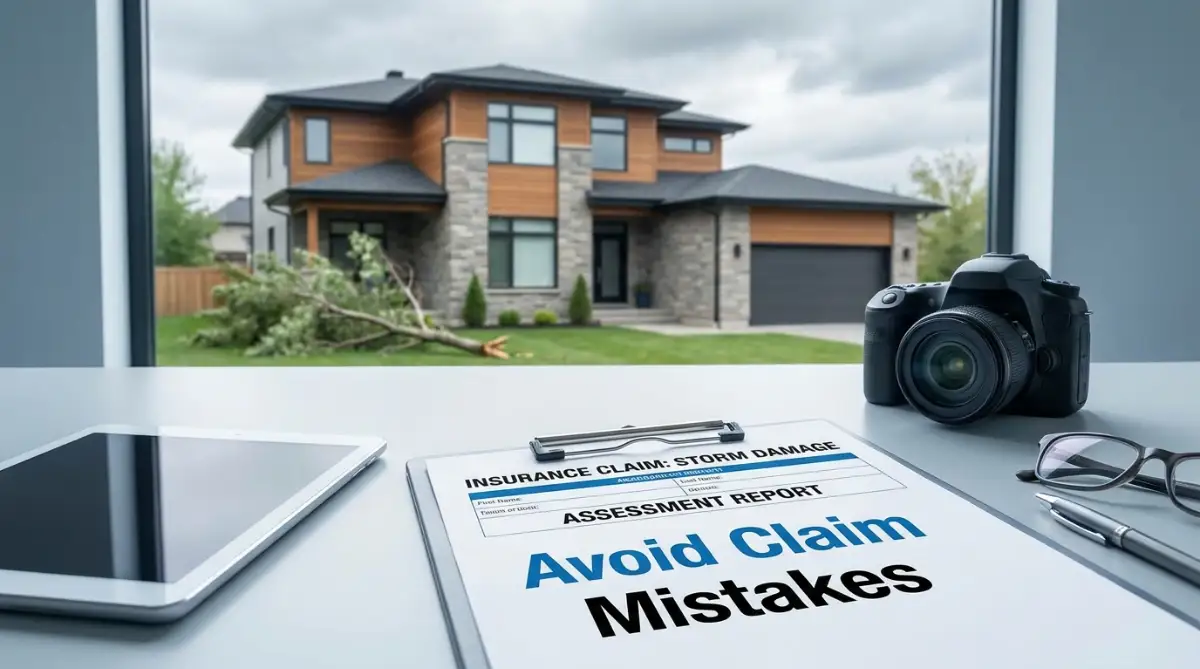
Filing a request for property repairs after a severe weather event can be a confusing maze. Many homeowners accidentally lower their payout or get denied by making simple errors early in the process. This guide breaks down exactly what you should not do, from cleaning up too fast to trusting verbal promises. You will learn practical, step-by-step methods to protect your home and your wallet.
Key Takeaways
- Never throw away damaged items before taking clear, detailed photos and videos.
- Always cover broken windows and leaking roofs quickly to prevent secondary issues.
- Keep every single receipt for temporary repairs and emergency supplies.
- Do not rely on verbal agreements; get every detail in writing from your adjuster.
Stop Cleaning Up: Why Throwing Away Debris is a Bad Idea
When you see your living room soaked in rainwater and your favorite sofa ruined, your first instinct is to clean it up. You want to drag that wet, smelly furniture to the trash immediately so your house feels normal again. This is exactly what I tried to do, and it almost cost me my entire settlement.
If you throw away the broken pieces of your property before the company representative sees them, you are throwing away your only proof. The person assigned to review your case needs to see the exact condition of the items right after the event. Without visual proof, they have no reason to believe the item was actually ruined by the weather.
Before you touch a single broken branch or move a wet rug, pull out your smartphone. Take hundreds of pictures from every possible angle. Record a video walking through your house, clearly explaining what you see and pointing out the specific areas that got hit.
Common Evidence Checklist
The Hidden Trap of Delayed Action
Many people think they should wait for the weather to completely clear up before making a phone call. Others assume they need to wait until they get a formal estimate from a local builder. This delay is one of the easiest ways to get your case thrown out completely.
Insurance policies have strict time limits hidden in their rules. If you do not notify them promptly, they can argue that the damage might have happened later or worsened because of your neglect. You need to call your agent the exact same day you notice the destruction.
Even if you do not know the full extent of the problems yet, open the case. You can always add more details and newly discovered issues to the file later on. The most important thing is getting your name in their system and starting the official timeline.
Prevent the Bleeding: Stop Secondary Problems
Let us talk about a major misunderstanding. Your policy requires you to take reasonable steps to protect your property from getting worse after the initial event. If a tree breaks your window and you leave it open for three days, the company will not pay for the extra rain damage that happens on day two and three.
You must take immediate action to cover holes in your roof with a waterproof tarp. You need to put wooden boards over broken windows to keep the wind and rain out. This shows the company that you are being a responsible homeowner.
Expert Tip: Always save the receipts for the plastic tarps, nails, and wooden boards you buy for emergency fixes. The company will usually reimburse you for these emergency supplies if you submit the receipts properly.
Why You Should Never Accept the Very First Offer
The person sent by the company to inspect your house is called an adjuster. They are usually very polite and professional, but you have to remember who signs their paycheck. Their job is to calculate the repair costs while saving their employer as much money as possible.
When they hand you that first estimate paper, do not assume it is the final, absolute truth. They might have missed the structural damage hidden behind the dry wall. They might be pricing your custom hardwood floors as cheap laminate flooring.
My Personal Realization:
I remember looking at the first check they offered me, and I almost accepted it just to get the process over with quickly. But my gut told me to wait, and I ended up hiring an independent local roofer to take a second look. That roofer found massive hidden water issues the adjuster completely missed, and my final payout ended up being double the initial offer!
To protect yourself, you need to bring in your own local experts. Have a trusted contractor walk through the house with the adjuster. Your contractor can point out technical building codes and repair requirements that the adjuster might conveniently ignore.
Myth vs. Reality in Claim Payouts
The Paperwork Maze: Keep Everything Documented
One of the biggest headaches is keeping track of all the conversations. You might call the main office and speak to a representative who promises to send a check by Friday. When Friday comes, no check arrives, and the next person you talk to has no record of that promise.
Always Get It In Writing
If you have a phone call with your agent, follow up immediately with an email summarizing what was said. Write something simple like, "Thank you for speaking with me today. To confirm, you mentioned that the roof inspection will happen on Tuesday." This creates a solid paper trail.
If you are forced to move into a hotel because your house is unlivable, keep every single food and lodging receipt. Most standard coverage plans include "Loss of Use" funds, which pay for your living expenses while your home is a construction zone. But they will only pay if you can prove exactly what you spent.
Knowing the Difference Between Cash Value and Replacement Cost
You might look at your policy and see that you are covered for fifty thousand dollars in personal property. So, when your five-year-old television gets destroyed, you expect a check for a brand new television. This is where a lot of people get a very nasty surprise.
You need to know if your coverage is for "Actual Cash Value" or "Replacement Cost." Actual Cash Value means they will look at your old television, calculate how much the value dropped over five years, and give you a tiny fraction of what a new one costs.
Comparing Payout Types
If you have Replacement Cost coverage, they usually send you the depreciated amount first. Then, once you actually go to the store, buy the new item, and send them the receipt, they will send you the rest of the money. Understanding this multi-step payment process will save you a lot of frustration and panic.
Stay Calm and Professional During the Process
It is completely normal to feel angry when a giant corporation seems to be moving slowly while your house is in ruins. The stress of managing contractors and arguing over estimates can easily make anyone lose their temper. But shouting at the customer service representative on the phone will not make your check arrive any faster.
The people handling your file are dealing with hundreds of other angry homeowners at the same time. If you remain polite, organized, and cooperative, they are much more likely to return your calls promptly. Being kind does not mean you have to accept a bad deal. It just means you communicate firmly and professionally.
Always keep a dedicated notebook just for this event. Write down the name, date, and time of every person you speak with. Keep all your printed emails, contractor estimates, and photos in one single physical folder. When you are highly organized, the representatives realize you are serious, and they are less likely to try and rush you through the system.
Protecting your home after a severe weather event is a marathon, not a sprint. By avoiding these common errors, documenting everything like a professional, and standing up for your rights, you can successfully navigate the system. You work hard to pay your premiums every month, and you deserve to get your home fully restored without losing your peace of mind.
Advanced Strategies for Maximum Claim Success
Once the initial shock of the storm passes, you have to start thinking like a professional negotiator. The insurance company handles thousands of these cases every single month, but this might be your very first time. You need to level the playing field to protect your family’s financial future.
The biggest secret I learned during my own home repair journey is the power of a Public Adjuster. When your insurance provider sends someone to inspect your property, that person works for the company. A public adjuster works entirely for you. They understand the complex math behind property damage and know exactly how to fight for a fair settlement.
If your repair costs are extremely high, hiring your own advocate can easily double your final check. They handle all the stressful phone calls, write detailed damage reports, and argue with the corporate representatives on your behalf. You pay them a small percentage of the final payout, which means they are highly motivated to get you every single dollar you deserve.
Pro Tip: Always request a certified copy of your complete policy book before you accept any payout offers. Do not just rely on the short summary page; read the deep details to find extra funds for debris removal, temporary housing, or code upgrades that the company representative might "forget" to mention.
Before you make any permanent decisions, you need to deeply understand your specific insurance declaration page to see exactly what is protected. The fine print often contains strict limits on certain items like outdoor sheds, fences, or expensive electronics. Knowing your true limits prevents you from spending money you will never get back.
Quick Action Checklist
- Secure all broken windows with thick wooden boards immediately.
- Cover roof leaks with heavy-duty waterproof tarps.
- Create a dedicated physical folder for all your paperwork and receipts.
- Email a written summary to your agent after every single phone call.
- Get at least three independent repair estimates from local licensed contractors.
Many homeowners do not realize they can also claim a specific benefit called "Loss of Use" if their house is completely unlivable. If the city cuts your power or your roof is missing, you do not have to sleep in a damp, freezing living room. Your policy usually pays for a decent hotel and even covers your extra restaurant meals while your kitchen is destroyed.
To make sure your expenses get approved, you must track every single dollar you spend during this emergency period. If you buy a flashlight, save the receipt. If you grab a quick burger because your stove is broken, keep the restaurant ticket. The Federal Emergency Management Agency (FEMA) always recommends taking clear pictures of these receipts with your phone in case you lose the paper copies.
If you feel completely overwhelmed by the paperwork, you are definitely not alone. It is very similar to figuring out exactly how much homeowners insurance coverage you actually need before a disaster strikes. You have to take things one step at a time, breathe deeply, and refuse to let the corporate system bully you into a quick, cheap settlement.

The Biggest Pitfalls Homeowners Fall Into
Common Mistakes
- Throwing away ruined items too early: If you toss your damaged carpets or broken furniture before the inspector arrives, you destroy your own evidence.
- Cleaning up water without taking photos: Wiping up severe indoor flooding before snapping clear pictures gives the company a reason to deny the severity of the incident.
- Trusting a single contractor's word: Letting a random door-to-door roofer handle your entire claim often leads to scams or poor-quality repair work.
- Signing a "Direction to Pay" form blindly: This legally allows the insurance company to send your money directly to a builder, leaving you with zero control over the repair quality.
- Ignoring the strict filing deadlines: Waiting a few weeks to see if the roof leaks again will almost certainly cause your case to be thrown out completely.
I have seen so many hardworking families lose thousands of dollars simply because they panicked and rushed the cleanup process. When a massive tree crushed my neighbor's garage, he immediately chopped it up and hauled it to the dump. Because he had no photos of the tree actually resting on his roof, the company claimed the structural damage was caused by "old age" instead of the storm.
You must treat your damaged house like an active crime scene. The burden of proof is completely on your shoulders. The National Association of Insurance Commissioners (NAIC) clearly states that homeowners must provide concrete visual evidence to support their financial demands.
Another massive error is assuming a denial letter is the end of the road. If the company sends you a letter rejecting your request, you still have enormous power to fight back. Just like when you are trying to stop your auto insurance company from denying claims, you can demand a second inspection with a different supervisor.
Never let a polite but aggressive adjuster rush you into signing a final release form. Once you sign a document stating the claim is fully closed, you cannot ask for another dime if your contractor finds rotting wood hidden behind your walls a month later. You always want to leave the file open for "supplemental" additions until the very last nail is hammered into your house.
Your Next Steps to Rebuild Your Home
Dealing with property destruction is incredibly exhausting, but you absolutely have the strength to get through this. By understanding the rules of the game, gathering unbreakable photographic evidence, and standing firm on your rights, you can successfully rebuild your sanctuary. The insurance companies rely on your fear and confusion, but now you have the exact knowledge you need to demand a fair payout.
You paid your monthly premiums faithfully, and now it is their turn to uphold their side of the contract. Take a deep breath, grab your camera, and start documenting everything you see. If you follow these practical steps and refuse to back down, you will protect your family's biggest financial asset.
I know how terrifying it feels to look at a broken roof, but taking that first organized step today will bring your peace of mind back. Which repair project are you planning to tackle first once your settlement check arrives? Let me know in the comments below!
Questions Homeowners Always Ask About Storm Damage Claims
Can my insurance company cancel my policy after a severe weather claim?
It is illegal for a provider to cancel your active coverage directly because you filed a legitimate weather-related request. However, they might decide not to renew your contract when your current term expires. If you have multiple severe losses in a short time, they consider your property a high financial risk.
Will my monthly rates go up if I report roof damage?
A single act of nature, like a severe windstorm or hail, usually does not cause an automatic rate increase for just your specific house. However, if your entire neighborhood gets destroyed, the provider might raise the base rates for everyone in your zip code. The overall financial risk in your area directly affects your future premiums.
How long does the company have to respond to my initial phone call?
Most states have strict consumer protection laws that force providers to acknowledge your request within 15 to 30 days. They must also accept or deny the payout within a specific legal timeframe after you submit all your proof. You should always check your local state laws to know exactly what deadlines the corporation must follow.
What if I completely disagree with the initial repair estimate?
You absolutely do not have to accept their first lowball offer. You can hire an independent licensed builder to write a detailed, competing estimate. You can also invoke the "Appraisal Clause" in your contract, which forces an unbiased third party to review the math and determine a fair final price.
Do I have to use the specific repair company my agent recommends?
No, you have the absolute legal right to hire any licensed, bonded, and insured contractor you trust. The provider might suggest their "preferred vendors" because it saves the corporation money. You should always do your own research, read local reviews, and hire the person who will do the highest quality work for your home.
Are fallen trees covered if they do not actually hit the house?
If a heavy tree simply falls on your empty front lawn, standard policies usually will not pay to remove it. They only pay for tree removal if it crushes a covered structure like your house, a fence, or a detached garage. If the tree blocks your main driveway completely, some policies might offer a very small debris removal allowance.
How do I handle emergency temporary repairs right after the event?
You are legally required to stop your home from suffering additional harm, so you must cover broken windows and leaking roofs immediately. Buy heavy plastic tarps and thick wooden boards to secure the property. Save every single hardware store receipt, because your provider will reimburse you for these reasonable emergency expenses.
Can I keep the extra money if I do the repair work myself?
If you have an "Actual Cash Value" policy, they will send you a check based on the depreciated value, and you can generally use that money to fix it yourself. However, if you have a "Replacement Cost" policy, they require exact contractor invoices to release the final payment. Trying to profit off a disaster can easily lead to serious fraud investigations.
What happens if my chosen contractor finds hidden water damage later?
This is extremely common, especially with heavy rain that soaks deep into your interior walls. Your contractor simply pauses their work, takes clear photos of the newly discovered rot, and submits a "supplemental request" to the provider. The company will usually review the new evidence and issue a secondary check to cover the extra repairs.
Is wind-driven rain completely covered under a standard policy?
If the severe wind physically breaks your window or rips off your roof shingles, the resulting rain damage inside is almost always covered. However, if the rain simply seeps through an old, poorly sealed window without any structural wind breakage, they will likely deny the request. They will blame the water entry on your lack of normal home maintenance.