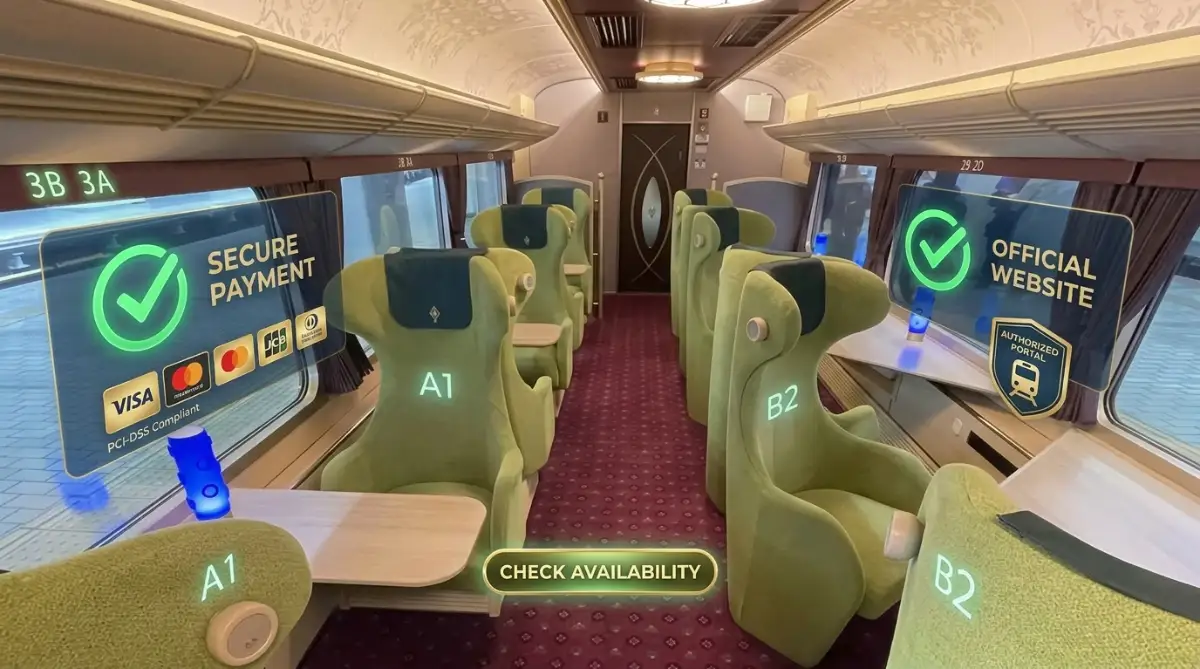
Reading Time: 14 Minutes
Difficulty Level: Beginner to Intermediate
Reviewed By: FinanceInfoIn Editorial Team
The Exhaustion of Booking the Wrong Seat
Sitting on a metal bench at a freezing train station, staring at a ticket I barely understood, I felt completely defeated. My back was aching, my eyes were heavy, and the journey had not even started yet. I honestly thought I had purchased a comfortable bed for the 14-hour overnight trip across the country. Instead, I accidentally paid for a rigid wooden seat located right next to the noisy bathroom door.
My entire next day of sightseeing was completely ruined before it even began. I spent the whole night listening to sliding doors and harsh announcements, unable to close my eyes for more than ten minutes. It is a terrible feeling to step off a long-distance train feeling significantly worse than when you boarded.
Many travelers face this exact nightmare when trying to plan overnight journeys. You spend hours trying to decode confusing booking websites filled with strange abbreviations and hidden rules. You just want a clean bed, a safe place for your bags, and a good night of rest while moving toward your destination.
But one wrong click on a ticketing portal turns a dream journey into an endless night of loud noises and zero rest. It drains your hard-earned travel budget and kills your excitement for the trip. This constant anxiety over getting the right cabin makes the whole planning process feel like a heavy burden. Let us fix that right now and turn you into a confident rail traveler.
Table of Contents
- The Exhaustion of Booking the Wrong Seat
- Quick Summary
- Key Takeaways
- Why Overnight Rail Beats the Alternatives
- Decoding the Ticket Classes
- How to Pick the Perfect Bed
- Timing Your Ticket Purchase
- Real-Life Math: The Hidden Hotel Savings
- The Honest Reality of Train Sleeping
- Avoiding Third-Party Portal Traps
Quick Summary
Booking a sleeper train requires understanding the difference between regular seats, couchettes, and private sleeper cabins. This guide walks you through the exact steps to secure a flat bed, avoid noisy train cars, and time your booking for the lowest price. You will learn how to read seating maps and calculate the true savings of combining your transport and hotel costs into one ticket.
Key Takeaways
- Always book directly through the official national railway website to avoid high third-party markups.
- A "couchette" is a shared sleeping space, while a "sleeper" usually means a private, higher-quality cabin.
- Booking 60 to 90 days in advance unlocks massive early-bird discounts on premium beds.
- Choosing a lower berth is better for mobility, while an upper berth offers more privacy and security.
- Treat an overnight train ticket as both a transportation fee and a hotel bill to see its true value.
Why Overnight Rail Beats the Alternatives
When planning a long journey, most people automatically open a flight booking app. They assume that flying is always the smartest and fastest option available. However, they completely forget about the hidden time sinks associated with airports.
You have to travel far outside the city, wait in long security lines, and deal with stressful boarding processes. By the time you reach your destination, you are exhausted and just want to sleep.
Sleeper trains flip this entire concept upside down. You board the train right in the middle of the city center just minutes before departure. You go to sleep in one city and wake up refreshed right in the heart of your next destination.
Sleeper Train vs. Red-Eye Flight
People constantly confuse the benefits of a red-eye flight with an overnight train. They are completely different experiences for your body and your wallet. Let us look at a clear comparison.
Decoding the Ticket Classes
The absolute biggest mistake beginners make is misunderstanding what they are actually buying. Train companies use highly specific terms to describe their sleeping arrangements. If you do not know these terms, you might end up sitting up straight all night.
A standard ticket often just gets you a regular seat in an open carriage. To actually lie down, you have to look for specific keywords during the checkout process.
The two most common terms you will see globally are "Couchette" and "Sleeper." Understanding the difference between these two will save your back and your budget.
How to Pick the Perfect Bed
Once you choose your class, the system will often ask you to pick a specific bed or "berth." This is where strategy really matters. Not all beds in a train carriage offer the same experience.
The lower berth is incredibly easy to access and usually gives you direct access to the main window. However, you might have to share that space as a seating area during the daylight hours.
The upper berth requires climbing a small ladder, which can be tricky in the middle of the night. But once you are up there, you have total privacy, nobody sitting on your bed, and your bags are safely tucked away.
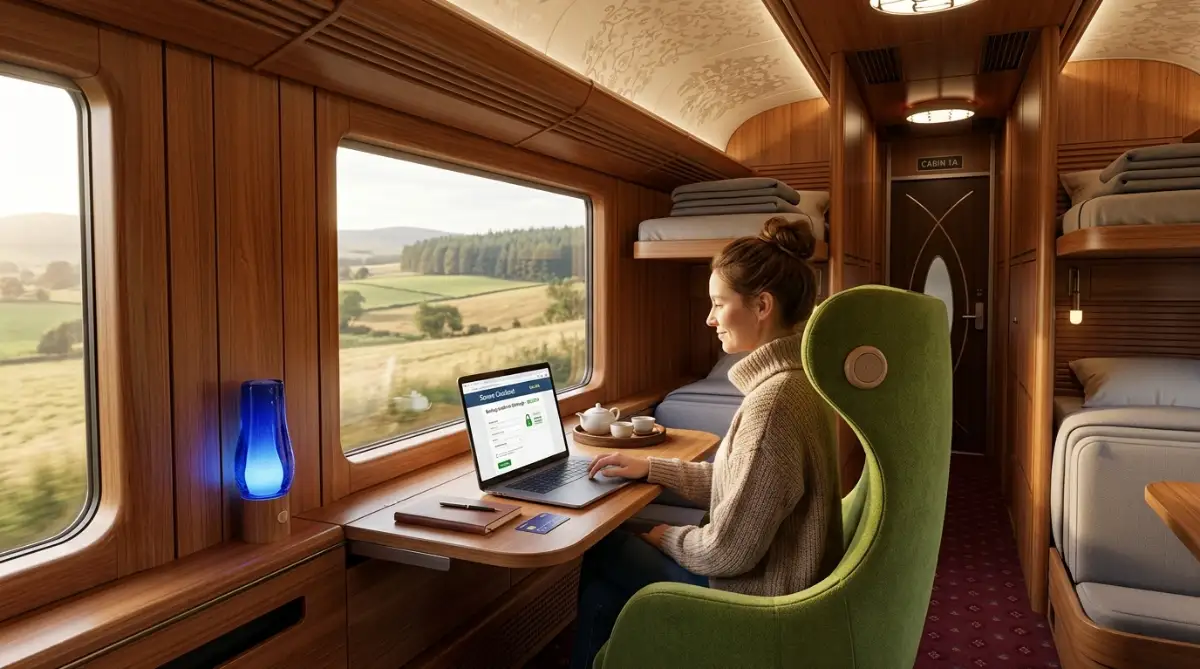
Expert Tip: I always book the top bunk when traveling alone on a shared couchette. It keeps me far away from the main door, meaning I never get woken up when someone leaves to use the restroom in the middle of the night.
Watch this visual breakdown of train bed options: Seeing the actual size of the beds makes choosing so much easier. Check out this quick tour before you finalize your selection.
Timing Your Ticket Purchase
Train pricing operates on a dynamic model, much like airlines. If you wait until the week of your trip, the prices will skyrocket, and all the good bottom bunks will be sold out.
To get the best deals, you need to understand the release windows for train tickets. Most national rail networks open their booking portals exactly 60 to 90 days before the departure date.
The moment these tickets go live, they are sold at heavily discounted "early bird" rates. Setting a calendar reminder for this exact release date is the easiest way to travel in a luxury cabin for the price of a regular seat.
Real-Life Math: The Hidden Hotel Savings
Let us break down the true cost of booking a sleeper train using a realistic example. Imagine David is planning a trip from London to Scotland. He looks at a budget flight that costs $60 and a sleeper train ticket that costs $140.
At first glance, the flight seems like the obvious winner. But David needs to look at the whole picture. If he flies, he has to pay $20 for the airport train and $40 to check his suitcase. He also has to pay $120 for a hotel room that night when he arrives.
His total cost for the flight plus hotel is actually $240. By choosing the $140 sleeper train ticket, David gets his transportation and his hotel room combined into one single purchase. He actually saves $100 and completely avoids the stress of airport security.
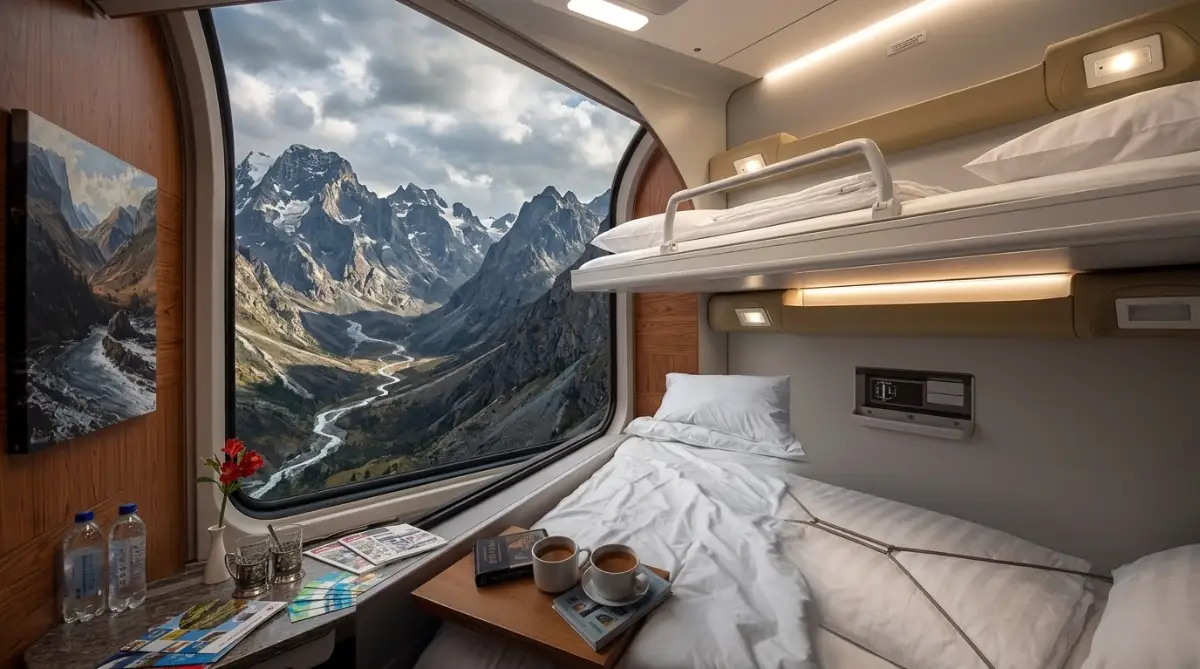
Avoiding Third-Party Portal Traps
When you search for train tickets online, the first results are almost always third-party travel agencies. These websites look incredibly professional and promise easy booking in your native language.
However, these convenience portals often charge massive hidden markups at the final checkout screen. They also make it incredibly difficult to change your dates or get a refund if something goes wrong.
Always find out the name of the official national railway operator for the country you are visiting. Go directly to their official website, switch the language to English, and book your tickets straight from the source.
The Honest Reality of Train Sleeping
Before you book, it is highly important to set your expectations correctly. A train is still a moving vehicle, and it will never be exactly like your silent bedroom at home. Here is a clear look at what to expect.
The Pros of Overnight Trains:
- You save a full day of daylight for actual sightseeing instead of traveling.
- The gentle rocking motion of the train helps many people fall asleep quickly.
- You get to wake up to stunning morning views out of your window.
- It is heavily eco-friendly, producing far less carbon than a short flight.
The Cons of Overnight Trains:
- The tracks can occasionally be noisy or bumpy depending on the route.
- Shared bathrooms in the hallway can become messy by the morning.
- The air conditioning or heating is sometimes difficult to control perfectly.
- Train stations late at night can be confusing to navigate for beginners.
Knowing these facts helps you pack smarter. Bringing a good eye mask, a pair of foam earplugs, and some comfortable sleepwear completely neutralizes most of these minor inconveniences. You are now equipped with the basic knowledge to secure your bed on the tracks.
Mastering the Overnight Rail System Like an Expert
Getting a good deal on your ticket is only the first part of the puzzle. To truly enjoy your journey, you need to understand how life actually works inside a moving train car. Experienced rail travelers have specific routines that keep them safe, comfortable, and completely stress-free during the night.
One of the best strategies I use is managing my luggage before I even leave for the station. Sleep cabins are incredibly compact, meaning there is zero room to open a massive suitcase on the floor. I always pack a small, separate overnight bag containing my toothbrush, pajamas, and electronics.
When I board the train, I shove my heavy suitcase under the bottom bunk and never look at it again until morning. I only keep my small overnight bag on my bed, giving me plenty of space to stretch out.
Pro Tip: I always bring a large carabiner clip and attach my daypack directly to the metal frame of my bed while I sleep. It provides total peace of mind knowing nobody can quietly grab my bag in the middle of the night.
If you are planning an extensive trip, combining train travel with flights can save you a fortune. Learning how to book multi-city flights step by step perfectly complements overnight rail travel. You can fly into one city, take a sleeper train across the country, and fly home from a completely different airport.
The Step-by-Step Ticket Securing Process
Many people get highly intimidated by foreign railway websites. However, the process is actually quite straightforward if you follow a set routine. Here is exactly how you should secure your bed today.
Step 1: Locate the Official Railway Operator
Do a quick search to find the official government-run railway site for your destination country. Never click on the first sponsored ad on Google, as these are almost always expensive third-party agencies.
Step 2: Map Your Exact Route and Time
Enter your departure and arrival cities, ensuring you select the late evening departure times. Look specifically for train icons that indicate a bed or mention the words "night jet" or "sleeper."
Step 3: Select Your Cabin Class
Carefully choose between a shared couchette or a private sleeper cabin based on your budget. Immediately select the lower or upper berth preference before the system assigns you a random bed.
Step 4: Check the Cancellation Policy
Before entering your payment details, read the fare rules regarding ticket flexibility. Knowing how to handle a cancelled flight booking without losing money is great, and those same consumer protection rules often apply to flexible train tickets.
Step 5: Save Your Digital Pass Offline
Once purchased, download the PDF ticket directly to your phone and take a screenshot. Internet connections frequently drop when trains pass through mountains or rural areas.
Traps That Will Ruin Your Sleeper Journey
Even smart travelers fall into hidden traps when booking overnight transport. The absolute worst mistake you can make involves the "midnight departure" trap. If your train departs at 12:15 AM on a Tuesday, you actually need to be at the train station late Monday night.
I once saw a family completely break down in tears at a station in Europe. They arrived on Tuesday night for a 12:15 AM train, only to realize their train had left 24 hours earlier. They lost hundreds of dollars and were stranded with nowhere to sleep.
Just like you must carefully research mistakes to avoid when booking international flights online, you have to double-check your train dates. Always look at the day of the week printed on your confirmation email, not just the date.
The Most Common Mistakes Travelers Make
- Ignoring the luggage dimensions: Train corridors are extremely narrow, making oversized hard-shell suitcases almost impossible to roll down the aisles.
- Booking connecting trains too tight: Overnight trains can easily be delayed by freight traffic. Never book a morning connection with less than a two-hour buffer window.
- Assuming food is available 24/7: The dining car usually closes around 10:00 PM. If you board late, you will go to bed hungry unless you bring your own snacks.
- Trusting fake agency websites: Booking through beautiful but unofficial portals often leads to terrible seat assignments and zero customer support.
You also need to watch out for unexpected charges when combining train travel with short hotel stays. If you arrive early in the morning and need a place to shower, day-use hotels are great. Just make sure you understand how to avoid hidden fees when booking a hotel online before paying.
Myth vs Reality: Overnight Rail Travel
There is a lot of outdated information circulating on travel forums. Let us clear up the biggest misunderstandings right now.
Your Pre-Departure Preparation
You have your ticket, and your travel dates are locked in. Now you just need to organize your belongings so boarding goes smoothly. Standing on a crowded platform is not the time to search for your passport.
Required Document & Preparation Checklist
- A fully charged smartphone with your downloaded PDF ticket saved offline.
- Your physical passport or valid national ID card (conductors check this against your ticket).
- A printed paper backup of your ticket just in case your phone battery dies.
- A small lock for your main suitcase zippers.
- Euro coins or local currency for purchasing small items at the station vending machines.
Quick Action Checklist
- Pack your small overnight essential bag and place it at the top of your main suitcase.
- Download a few podcast episodes or movies to your phone for offline entertainment.
- Buy two bottles of drinking water and a heavy snack before you leave the city center.
- Double-check your exact departure platform number online before you arrive at the station.
- Arrive at the train station exactly 45 minutes before departure to find your specific railcar.
Your Blueprint for a Stress-Free Departure
You now have the exact knowledge required to book the perfect bed on any long-distance railway. You understand how to decode the classes, avoid the third-party markups, and protect your belongings. You no longer have to dread long travel days or waste money on uncomfortable airplane seats.
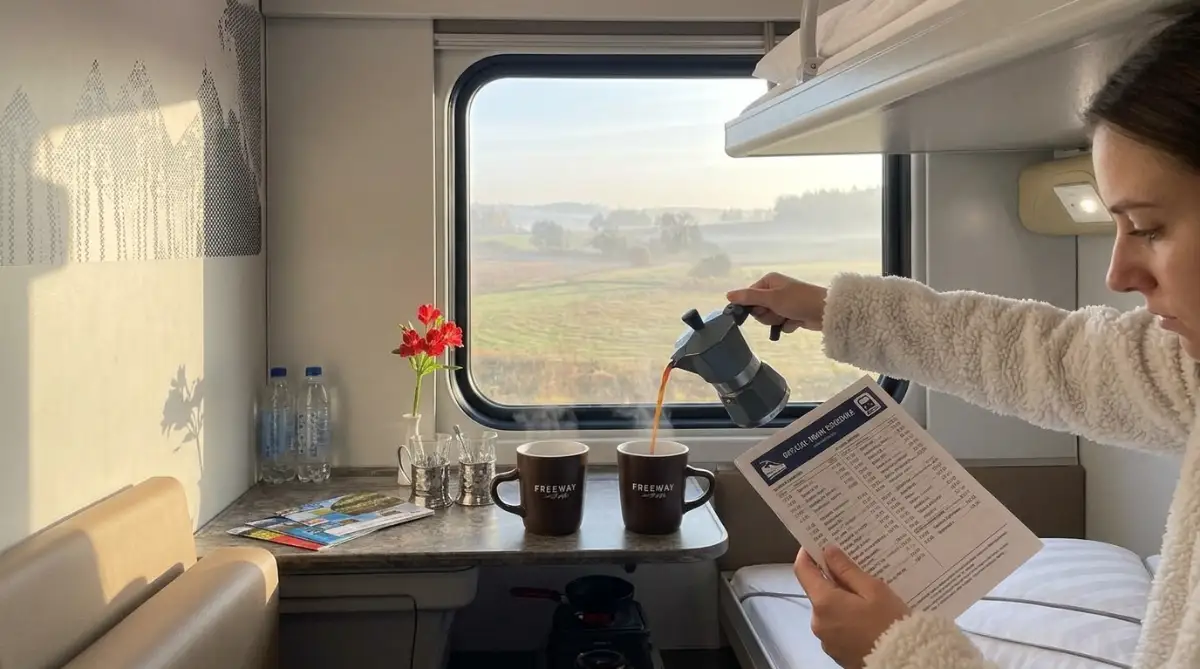
I remember the first time I woke up in a private train cabin, pulled back the curtain, and saw snow-covered mountains rolling by. I was sipping a hot cup of coffee in my pajamas, feeling completely rested and ready to explore a brand new city. You absolutely deserve to experience that exact same level of comfort and joy on your next vacation.
Where are you planning to take your very first overnight rail journey? Let me know in the comments below!
Common Questions About Overnight Train Booking
Are sleeper trains safe for solo female travelers?
Yes, they are highly safe. Private cabins have heavy internal locks, and many modern networks offer dedicated "women-only" shared couchette compartments.
Do I need to print my train ticket?
Most national railways now accept digital QR codes on your smartphone. However, it is always a smart idea to carry a printed paper copy just in case your phone battery dies.
Can I take a shower on a sleeper train?
It depends entirely on the ticket class you purchase. Basic couchettes usually only have shared hallway toilets, while premium private sleepers often feature a personal en-suite shower.
Is food included in the ticket price?
Premium sleeper cabins usually include a complimentary breakfast box and morning coffee. For basic seats or shared couchettes, you must purchase your own food from the dining car.
What happens if I miss my overnight train?
If you bought a heavily discounted promo ticket, you will likely have to buy a completely new ticket. Fully flexible tickets might allow you to board the next available morning train.
Can I lock my cabin from the inside?
Yes, all private sleeper cabins and shared couchettes feature a deadbolt or heavy chain lock on the inside of the door. The conductor has a master key for emergencies, but regular passengers cannot enter.
Are pets allowed in sleeping cabins?
Most rail networks only allow pets if you book a completely private cabin for yourself. They are generally not permitted in shared couchettes to avoid allergy issues with other passengers.
Do sleeper beds have charging outlets?
Modern trains almost always feature a standard electrical outlet and a USB port directly next to the reading light at your bed. Older, regional trains might only have one outlet in the main hallway.
Will my luggage fit under the bottom bunk?
Standard medium-sized suitcases easily slide under the bottom bed. Massive, oversized hard-shell luggage will likely have to stay on the floor, taking up your valuable walking space.
How early should I arrive at the station?
Unlike airports, you do not need to arrive hours early. Arriving 45 minutes before departure gives you plenty of time to find the correct platform and locate your specific railcar.
Trusted Legal Resources
If you need official information regarding rail travel rules, consumer protection, or transport regulations, refer to these credible resources:
- European Union Passenger Rights
- Amtrak Official Terms and Conditions
- U.S. Department of Transportation (DOT)
- International Air Transport Association (IATA) - Rail Partnerships
- Eurail Official Booking Guidelines
- UK National Rail Conditions of Travel
Disclaimer: The information provided in this article is for educational and informational purposes only and does not constitute official legal, financial, or travel advisory services. The FinanceInfoIn team makes no guarantees regarding ticket prices, train schedules, or individual railway policies, as these are subject to change without notice. Always verify directly with the official railway operator and read the specific fare conditions before making any financial transactions. We are not liable for missed departures, lost luggage, or booking errors.
About the Author
Reviewed by Mithun Halder (Personal Finance & SEO Expert) & The FinanceInfoIn Editorial Team
The FinanceInfoIn Editorial Team researches personal finance, investing, insurance, mortgages, cryptocurrency, and consumer financial topics. Every article is carefully reviewed to provide clear, practical, and trustworthy educational information based on credible sources and industry best practices.
©2026 FinanceInfoIn. All rights reserved.