
Reading Time: 13–14 Minutes
Level: Intermediate
Reviewed by: FinanceInfoIn Editorial Team
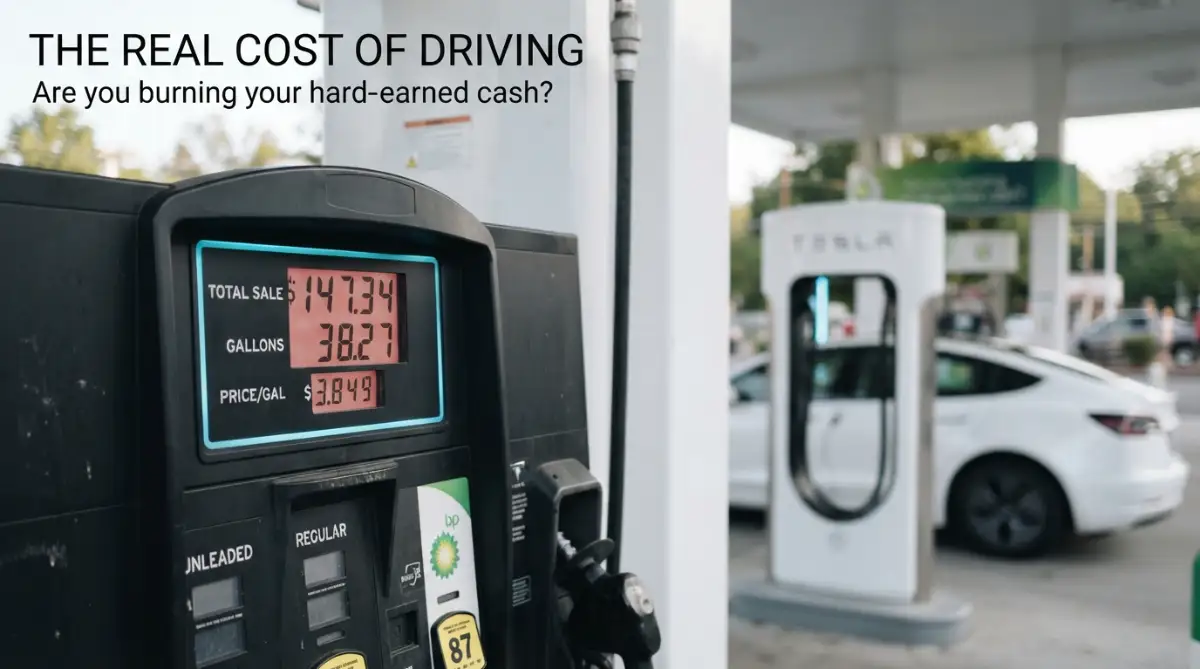
 Standing at the pump on a cold morning, watching the meter climb, it's easy to feel like your daily commute has become a silent tax. Forty dollars, fifty, sixty — just to get back and forth to work.
I've done the math myself more than once, sitting in the driver's seat, calculating how many hours of work it takes to pay for one tank. You cut back on eating out, plan your grocery runs carefully, and then the fuel light comes on and the whole budget falls apart anyway.
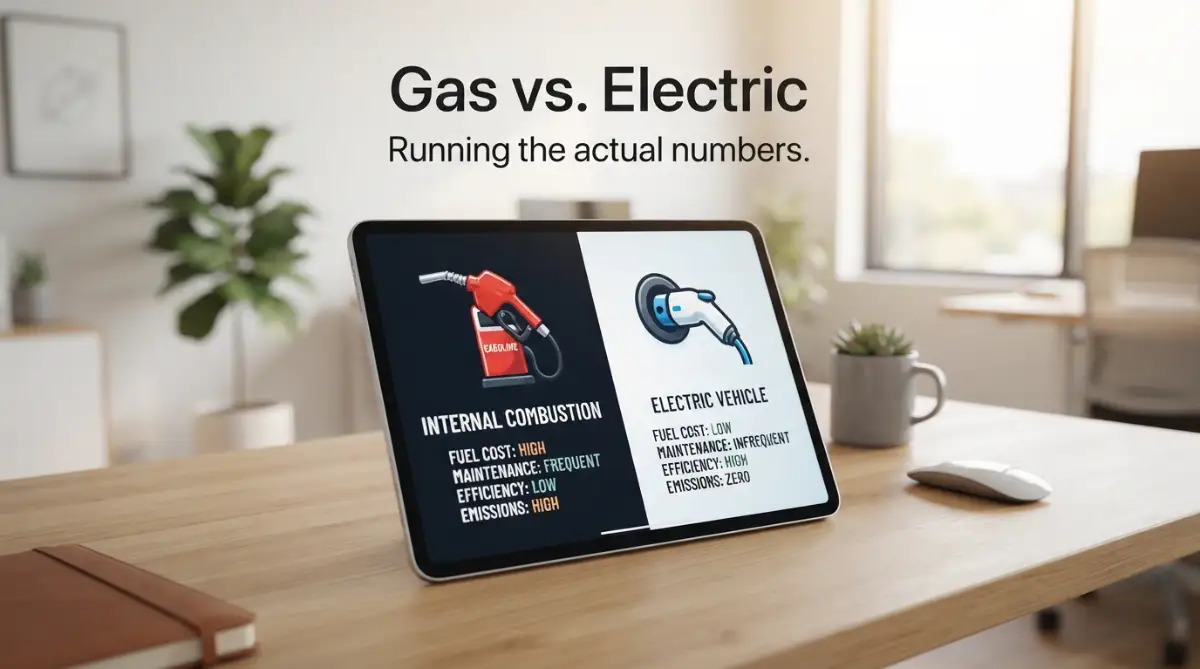
You've probably heard people say they haven't visited a gas station in months since switching to electric. But the real question isn't a simple yes-or-no — "Are EVs cheaper than gas cars?" doesn't have one answer. The better question is:
Which type of vehicle actually makes financial and practical sense for the way you drive?
The answer depends on your annual mileage, local electricity rates, access to home charging, insurance costs, budget, and how often you take long trips.
Quick Summary
If you can charge at home, an electric vehicle can meaningfully cut your day-to-day driving costs — electricity is usually cheaper per mile than gasoline, and EVs generally need less routine maintenance. But the purchase price, insurance premium, tire wear, home-charger installation, and depreciation can all shift the total picture.
Key takeaways:
-
Home charging is the cheapest and most convenient way to own an EV
-
No oil changes or spark plugs means significantly less routine maintenance
-
Public fast charging can cost a lot more than charging at home
-
Some EVs carry higher insurance premiums due to specialized parts and repairs
-
Tires, depreciation, and upfront price still matter to the total cost
-
Frequent long-distance drivers or those without home charging may be better served by a hybrid or plug-in hybrid
The Real Cost of Driving: Gas vs. Electricity
Fuel is the biggest ongoing expense for most gas-car owners, but it's easy to underestimate because it's spread across dozens of small pump visits a year.
Take a simple example. Say a driver covers 15,000 miles a year in a gasoline sedan averaging 25 miles per gallon.
At $3.50 a gallon:
Now compare that to an EV covering the same mileage at roughly 3.5 miles per kWh:
That's roughly $1,500 saved every year — just from switching, with no change in driving habits.
This is only an illustration, of course. Real numbers depend on gas prices, electricity rates, weather, driving speed, vehicle efficiency, and how much you lean on public fast chargers. Charging losses matter too — an EV typically pulls somewhat more electricity from the wall than the battery actually receives, so it's worth budgeting a modest buffer rather than assuming every purchased kilowatt-hour goes straight into usable range.